
For British travellers keen to see Egypt at its most authentic and cultural, Ramadan 2027 is a genuinely good moment to go. Yes, it is a fine time to travel! Despite what many assume, the holy month does not bring your trip to a standstill. What you get instead is a country transformed: quieter monuments during the day, one-off experiences after dark, and a spiritual mood that stays with you. This guide gives you everything you need to visit Egypt during Ramadan 2027 (expected to start around 8 February and end around 9 March) with confidence and courtesy.
Quick tip: Ramadan 2027 is expected to run from 8 February to 9 March, depending on the moon sighting. Eid al-Fitr, the feast that closes the month, is expected around 9 to 11 March 2027 (provisional dates). For British visitors happy to fit in with the local pace, these dates are ideal. In 2027 the month overlaps the February half-term, which falls on 15 to 19 February in England (8 to 12 February for some councils and in Wales).


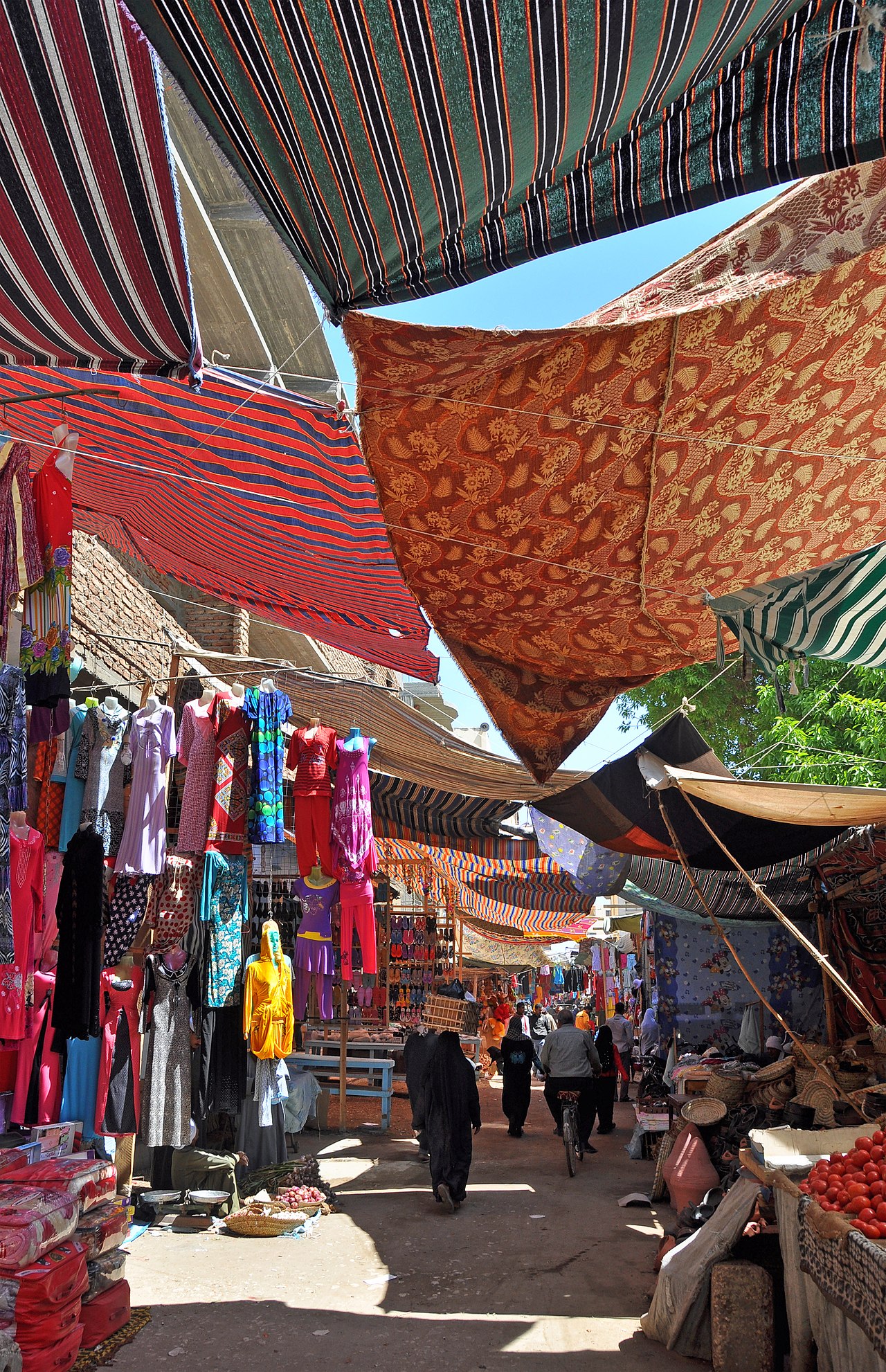

Ramadan Dates 2027 and Islamic Calendar

In Egypt, Ramadan 2027 is expected to start on Monday 8 February 2027 (8 or 9 February, depending on the sighting of the moon) and to finish around 9 March 2027. As the ninth month of the Islamic lunar calendar, its dates shift slightly each year and depend on the sighting of the moon.
| Event | Date in 2027 | Details |
|---|---|---|
| Start of Ramadan | 8 February 2027 (expected) | Officially begins after lunar observation (8 or 9 February) |
| Ayd el-Fitr | 9-11 March 2027 (provisional) | Festival marking the end of the fast (3 public holidays in Egypt) |
| Ayd el-Adha | 16-19 May 2027 (provisional) | Feast of Sacrifice (about 2 months after Ramadan ends) |
| Longest fasting day | Date to be confirmed | A fast of about 14-15 hours |
Why the dates move: the Islamic calendar follows the moon. Egypt's authorities confirm Ramadan's first day once the crescent has been sighted or calculated. Visitors should allow a day of leeway either side.
What is Ramadan? Understanding This Sacred Period
The ninth month of the Islamic lunar calendar, Ramadan is the most sacred time of the Muslim year. For 29 or 30 days, observant Muslims take neither food nor drink between sunrise and sunset (from the Fajr call to prayer until the Maghreb call), an act of devotion and purification that also commemorates the revelation of the Koran to the Prophet Mohammed.
Worth knowing as a visitor: the fast applies to Muslims only, and no one expects tourists to observe it. That said, in areas off the tourist trail it is courteous to avoid eating, drinking or smoking in full view of others while the fast is on.
The pillars of Ramadan:
- Fasting (Sawm): No food, drink or sensory pleasures between sunrise and sunset
- Additional prayers (Taraweeh): Special night prayers recited throughout Ramadan, usually from 9-10 p.m.
- Charity (Zakat): Giving to those who have less, with alms taking on special importance this month
- Reading the Quran: Increased devotion to sacred texts
- Iftar and Suhoor: Community meals at sunset and sunrise
For visitors, the holy month opens a rare window onto the real Egypt: its faith, its hospitality and its centuries-old traditions.
Impact of Ramadan on Tourist Sites: Modified Times
Opening hours of museums and archaeological sites can change during Ramadan. The hours for Ramadan 2027 have not been announced yet, so the table below shows them as to be confirmed. In 2022, the sites in Luxor and Aswan kept their usual hours, while the sites in Cairo ran shorter hours. It is also a good time to visit in the morning, when the sites are less busy.
| Tourist Site / Museum | Normal Hours | Ramadan Times 2027 | Travel advice |
|---|---|---|---|
| Pyramids of Giza | 8 a.m.-5 p.m. | To be confirmed | Get there before 10am, ahead of the heat |
| Grand Egyptian Museum (GEM) | 9am-5pm | To be confirmed | Quieter early on; ideally done by 11am |
| Karnak Temple (Luxor) | 6 a.m.-5:30 p.m. | To be confirmed | Ideal in the morning with golden light |
| Valley of the Kings | 6 a.m.-5 p.m. | To be confirmed | Start at 6:30 a.m. for morning freshness |
| Egyptian Museum in Cairo | 9am-5pm | To be confirmed | Very quiet in the morning, fewer tourists |
| Abu Simbel Temples | 6 a.m.-5 p.m. | To be confirmed | Combined tour with Aswan |
| Local museums (small) | 9am-5pm | To be confirmed | Check before, some may close |
Ramadan Planning Tip:
- Start your visits from 7 a.m. to 8 a.m. to take advantage of the full schedule
- Sites are considerably less frequent before 11 a.m.
- Keep out of the midday heat (12pm to 4pm), for your own comfort
- Fit 4 to 5 hours of sightseeing into the morning rather than 6 to 7
- Reserve guides and day trips a minimum of 2 weeks ahead
Eating and Drinking During Ramadan in Egypt
People often ask: “Is it all right to eat and drink in Egypt during Ramadan?” Of course it is! Visitors are under no obligation to fast. Tourist hotels, international restaurants and site facilities serve lunch and dinner as usual.
Restaurants Open During Ramadan
International chain restaurants and hotel establishments remain open and serve tourists:
- 4 and 5 star hotels: All restaurant and room service operational 24 hours a day
- Global fast-food chains: McDonald's, KFC, Subway and Pizza Hut trade with a reduced offer
- Restaurants serving visitors: Those near the main sights (Khan el-Khalili, Giza) stay open all day
- Coffee shops and patisseries: Many open, espresso and sweets on offer
- Room service hotel: The most discreet and practical option for meals
Authentic Egyptian Restaurants Open Day
Several traditional Egyptian eateries keep serving by day too, above all those popular with visitors:
- Nile Zayin (Cairo): Nile view restaurants, open during the day for tourists
- Catering near the museums: Cafes near the GEM and the Egyptian Museum serve lunch
- Luxor and Aswan: Plenty of visitor-oriented restaurants keep their doors open
- Hurghada and the Red Sea resorts: Every hotel restaurant runs as normal
Courtesy and respect: Eating in daylight is allowed, but in residential districts and small villages away from the tourist trail it is polite to keep food and drink out of sight during the fast (roughly 7am to 6pm, depending on the time of year). Around the sights and in hotels, nobody will bat an eyelid.
Typical Ramadan Foods
Should you be invited to break the fast at Iftar, these are the classic Egyptian dishes to expect:
| Dish | Description |
|---|---|
| Koshari | Egypt's national dish: rice, pasta, lentils and chickpeas under tomato sauce |
| Falafel | Fried chickpea or bean balls, delicious for lunch |
| Konafa | Fine pastry garnished with nuts or cheese, Ramadan specialty |
| Tamiya | Egyptian falafel made from beans, perfect for breakfast |
| Basboosa | Coconut and sugar cake, a Ramadan treat |
| Sugarcane Juice | Sweet and hydrating drink, popular at Iftar |
| Dates | Traditional fruit to break the youth, rich in energy |
Culinary tip: Take advantage of this period to discover the authentic Egyptian cuisine. The flavors are more intensified during Ramadan and Egyptian hospitality is legendary.
The Magical Iftar Experience in Egypt
Iftar, the fasting meal that marks sunset, is one of the most magical and awaited moments in Egypt during Ramadan. It’s more than just a meal; it is a social, family and spiritual ritual deeply rooted in Egyptian culture.
The Iftar Atmosphere
The moment the muezzin gives the Maghreb call to prayer at sunset, families across Egypt sit down together at tables piled high with food. Out on the streets there is a buzz in the air, tables appear on pavements and the lanterns come on. For a visitor it is one of the most genuine experiences the country offers.
Where to Share an Iftar in Egypt?
- 5 star hotels: Organize spectacular Iftar buffets with Ramadan decoration
- Boats on the Nile: Unforgettable experiences with dinner cruise and view of illuminated Cairo
- Classic restaurants: Nile Zayin, Sequoia and the old eateries around Khan el-Khalili, for example
- With a family: Should you know Egyptians, being asked to their Iftar table is a real honour
Important Tip: Iftar buffets in hotels fill up quickly after 6 p.m. If you want to enjoy the full experience, arrive between 5:30 p.m. and 6 p.m. to enjoy the atmosphere and variety of dishes. Prices vary from 400 to 1500 EGP (~£22 to £40) depending on the restaurant.
How Cairo Changes: Ramadan at the Centre of Egypt
With 20 million people, Cairo is unrecognisable once Ramadan begins. Lights go up along the streets, the mood turns celebratory and, after dark, the capital comes alive like nowhere else.
Cairo Transformations During Ramadan
| Appearance of the City | Before/Normal | During Ramadan |
|---|---|---|
| Business Hours | 9am-10pm (normal) | Shut from 12pm to 6pm, then open from 6pm to midnight or 1am |
| Restaurants and Cafes | Open day and night | Shut by day, bursting with life from 6pm onwards |
| Khan el-Khalili (Souk) | Normal crowd | Crowded in the evening, party atmosphere with music |
| Road Traffic | Chaotic as always | Less traffic during the day (calmer), mega-traffic jams in the evening |
| Nightlife | Active until midnight | FULL ON: clubs, restaurants, terraces heaving until 3-4am |
| Decoration | Urban standard | Traditional lanterns, light garlands, festive decorations everywhere |
Essential Neighborhoods to Visit During Ramadan
Khan el-Khalili: Lanterns lit, the old souk turns magical. Haggle, browse and sip fresh mint tea in the tiny cafes.
Gezira (the island in the Nile): Peaceful gardens by day and busy terraces come evening. Just the place to get away from the crush of the city centre.
Nile Corniche: Evening walks with illuminated city views. Numerous restaurants and cafes with spectacular views.
Cemetery of the Khalifs: Less common during Ramadan, ideal for authentic photos of Islamic monuments.
Restaurants and Culinary Experiences in Cairo
- Nile Zayin (Corniche): Iconic restaurant overlooking the Nile, perfect for Iftar
- Sequoia (Zamalek): Luxurious terrace for a high-end experience
- Cairo (Old Cairo): Authentic restaurants with traditional ambiance
- Hotel buffets: Lavish Iftar spreads at Four Seasons, Sofitel, Marriott
- Street food: Ta'ameya, koshari and freshly pressed sugarcane juice at everyday prices (20-50 EGP)
A word on traffic: Steer clear of taxis and driving between 6pm and 8pm in Ramadan. The gridlock is dreadful. Book an Uber, or better still walk. A journey that would normally take 15 minutes can stretch to 1 or 2 hours.
Luxor and Aswan: Temples and Riverine Beauty
Head to Upper Egypt (Luxor and Aswan) during Ramadan and you will find a region with fewer visitors but every bit as enchanting. Both cities offer something quite distinct from Cairo.
Luxor During Ramadan
Built over ancient Thebes, Luxor is unmissable for its vast temples. To see it all, take a look at our Luxor temple excursions led by an English-speaking guide.
- Karnak Temple: Ramadan 2027 hours are still to be confirmed. Go at first light (6:30am) for golden colours and almost nobody about
- Luxor Temple: Lights up the night, magnificent after 7 p.m. when it's cooler
- Valley of the Kings: 62 royal tombs, essential guided tour (Ramadan 2027 hours to be confirmed)
- Temple of Deir el-Bahari: Funerary temple of Hatshepsut, spectacular site
- Luxor Museum: Superb pharaonic collection, far fewer visitors in the morning
Nile Cruise between Luxor and Aswan
Sailing the Nile in Ramadan is something you will not forget. The cruise links two of the country's greatest destinations. Our Nile cruise with Cairo package suits the pace of the holy month particularly well.
| Characteristic | Details |
|---|---|
| Duration | 3-4 days and 2-3 nights (classic itinerary) |
| Comfort | Air-conditioned cabins with Nile view, swimming pool, on-board entertainment |
| Sites Visits | Valley of the Kings, Karnak, Edfu and Kom Ombo temples, with Abu Simbel as an optional extra |
| Meals | All-inclusive with Iftar special, varied buffets, a la carte restaurant |
| Price | 3000-5000 EGP per person in double cabin (£80-£140), luxury up to 15000 EGP |
Aswan: The Last City of the Nile
At the southern tip of Egypt, Aswan opens the door to Nubia. Compared with Cairo it is calmer, slower and far easier on the nerves.
- Elephantine Island and Nubia Museum: Discover the unique Nubian culture
- Abu Simbel Temple: Colossal monument carved into the mountain, combined visit with Aswan (day excursion)
- The Aswan dams: Lake Nasser, plus felucca sailing (traditional boat)
- Aswan's souk: Far more genuine, far less touristy than Khan el-Khalili
- Felucca Experiment at Sunset: Absolute authentic experience - traditional sailing with spectacular sunset
Our tip: Take a felucca out on the Nile at dusk in Aswan during Ramadan. Orange skies, light dancing on the water and the Maghreb call to prayer drifting across the river make for a moment of real intensity.
Hurghada and Beach Resorts: Red Sea and Beaches
On the Red Sea (Hurghada, Sharm el-Sheikh, Marsa Alam) Ramadan feels altogether different. Here you can pair a bit of culture with time on the beach.
Hurghada: The Main Station
- Beaches and Resorts: All hotels and resorts are serving normally (not affected by local youth)
- Scuba diving: Superb in Ramadan, with far fewer divers around. Reserve 1 or 2 days ahead through a PADI centre
- Snorkelling: Reefs straight off the shore, tropical fish, vivid corals
- Water Sports: Kitesurfing, windsurfing, jet-skiing all operational
- Nightlife: Normal clubs and bars (different from Cairo, more relaxed)
Sharm el-Sheikh
More upscale, Sharm el-Sheikh attracts tourists seeking luxury and premium diving.
- Diving in Ras Mohammed: Underwater national park with exceptional wildlife
- Ultra All-Inclusive Resorts: Maximum luxury and comfort
- Beach Clubs: Cosmopolitan atmosphere with bar, restaurant, deck chairs
- Bay Walk: Picturesque path along the coast
Marsa Alam: The Discreet Alternative
Marsa Alam is quieter and less built up, with wilder beaches.
- Deep Diving: Less frequent sites, seasonal hammerhead shark colonies
- Isolated Beaches: Fewer tourists, quieter atmosphere
- Desert safari: Trips into the Eastern Desert to see the wildlife and scenery
- Eco-Lodge Resorts: More sustainable and authentic options
Practical note: The seaside resorts barely notice Ramadan. All-inclusive hotels run exactly as they always do, the beaches are as lovely as ever, and you keep the freedom to mix sand with sightseeing. On a beach holiday in Hurghada or Marsa Alam, the holy month makes next to no difference to your stay. It is a sensible way to travel free of the constraints of Ramadan while still showing respect for local custom.
Transport and Logistics: Traveling in Egypt During Ramadan
Getting around Egypt takes more thought during Ramadan. Here are the options and our advice for moving about efficiently.
Internal Flights Egypt
Between cities (Cairo to Luxor, Aswan or Hurghada), flying is by far the fastest way.
- EgyptAir: National company, reliable, regular hours
- Air Cairo: Egypt's low-cost carrier, cheaper, no frills
- Reservation: Book 1-2 weeks in advance for best rates (300-600 EGP / £10-£20)
- Flight times: Cairo-Hurghada about 1 hour, Cairo-Luxor 1h15, Cairo-Aswan around 2h
Train
Egypt's trains count as the “adventurous” choice, and they do let you watch the countryside go by.
- Overnight sleeper: Cairo to Aswan in a private compartment, meals included
- Duration: 12 o'clock at night, fresh morning arrives
- Comfort: Own cabin, shower, air conditioning, an attendant
- Price: 1500-2500 EGP per person in double (£40-£70)
- Reservation: Direct reservation on Easytrain.com.eg website or travel agencies
Taxi and Uber
Within the cities, white taxis and app-based rides (Uber) do most of the work.
- Uber: Transparent prices, evaluated drivers. Safer than white taxi
- Uber rate: 30-100 EGP for short journeys (1-5 km)
- White taxi: Less expensive (20-50 EGP), but agree the fare BEFORE you get in
- Attention Ramadan: Avoid the hours 6 p.m. to 8 p.m.: massive traffic jams
Buses and Minibuses
For long distance journeys, buses are economical but less comfortable.
- Go Bus, East Delta: Main bus companies, long distance routes
- Comfort: Air conditioning, toilets on board, WiFi on main lines
- Journeys: Cairo-Luxor: 8am | Cairo-Aswan: 2 p.m. | Cairo-Hurghada: 5 hours
- Price: 200-400 EGP for long journeys (7-£10)
Nile Cruise
Already covered above, but it's both transport and tourist experience.
Logistics Advice: For an optimal trip during Ramadan, combine domestic flight + Nile cruise + beach stay. Example: Flight from Cairo to Luxor, 3-night cruise to Aswan, then bus or flight to Hurghada. This is the best way to cover most attractions.
10 Practical Tips You Need for an Egypt Trip During Ramadan
- Adapt Your Pace: Life starts late. Sleep more in the morning, activities from 7 a.m. to 11 a.m., rest from 12 p.m. to 5 p.m., then out after 7 p.m.
- Hydration: Even if you're not vegan, the hot climate and altitude require a lot of water. Carry a bottle constantly.
- Respect local custom: Keep snacks out of sight on the street while the fast is on, away from tourist areas. Simple courtesy.
- Reserve early: Hotels, flights, cruises and Iftar tables fill up fast. Secure bookings 1 to 2 months out.
- Cover up: Long-sleeved tops with trousers or skirts that fall below the knee. Politer, and more comfortable in the sun too.
- Bring Basic Medicines: Headaches, digestive problems, personal medications (prescribed).
- Pack sun cream: SPF 50+ is a must. Even in February and March the Egyptian sun bites.
- Learn a few Arabic words: As-salaam alaikum (hello), Shukran (thank you), Min fadlak/fadlik (please, m/f). Smooths every exchange.
- Change Your Money Before: Banks are reducing hours. Having Egyptian cash in advance makes it easier.
- Take out travel insurance: It must cover medical repatriation, cancellation and your belongings. Essential in Egypt.
Health and Safety During Ramadan in Egypt
Health and safety are the major concerns of tourists. During Ramadan, there are some specific precautions.
Health Tips
- Dehydration: Arid climate + intense sun = risk of dehydration. Drink 3-4 liters of water daily
- Heatstroke: Avoid exposure between 12 p.m. and 4 p.m. Symptoms include dizziness, confusion, dry skin
- Food and water: Stick to bottled water, never the tap. Choose established restaurants with a good reputation
- Upset stomachs: Very common. Pack Imodium and rehydration salts; see a pharmacist if severe
- Vaccinations: Nothing is compulsory for Egypt, apart from yellow fever if you arrive from sub-Saharan Africa. Typhoid and hepatitis A/B are recommended
- Pharmacies: Many pharmacies in town. The medicines are cheap. Bring prescriptions in case of emergency
General Security
- Safe areas: Luxor, Aswan, Hurghada, Giza and Cairo's Zamalek, Maadi and New Cairo are used to visitors and generally fine
- Steer clear of: North Sinai (terrorism risk), desert border regions and some outlying Cairo neighbourhoods
- Petty Crime: Pickpockets in souks, stampedes. Keep valuables secure
- Fake Taxis: Use only Uber/official white negoties taxis
- Women travellers: Alone or in a small group, keep to tourist areas after dark. By day there is usually no problem
- Documents: Keep passport, money, credit cards in security pouch, not in backpack
Essential Travel Insurance: World Nomads, IMG Global, AXA offer travel insurance with repatriation cover. Non-negotiable for Egypt. Cost ~£80-£120 for 2 weeks.
Budget in Detail: What Does a Ramadan Trip to Egypt Cost?
Planning is easier with realistic numbers. Below is what 2 weeks in Egypt over Ramadan tends to come to.
Budget Per Day (in pounds sterling)
| Category | Budget | Notes |
|---|---|---|
| 3-Star Hotel | £30-£50 | Double room, breakfast, WiFi |
| 4-Star Hotel | £60-£90 | Tourist luxury, excellent service |
| Meal Restaurant Local | 5-£10 | Koshari, falafel, Egyptian dishes |
| Meal Restaurant Tourist | £10-£20 | International cuisine, good quality |
| Iftar Buffet Hotel | £20-£40 | Special, abundant experience |
| Museum Entrance | £10-£20 | Grand Museum, Karnak Temple, etc. |
| Day Trip | £20-£50 | Guide, transportation, sites |
| Nile Cruise (per day) | £50-£90 | All-inclusive, variable luxury |
| Transport (taxi, Uber, bus) | £10-£20 | Varietal depending on journeys |
Total Budget for 2 Weeks (1 Person)
On a budget: £770-£920 for 3-star hotels, public transport, street food
Comfortable Budget: £1,150-£1,540 (4-star hotels, restaurants, partial cruise)
Luxury Budget: £1,920-£3,080 (5-star resorts, full cruise, premium excursions)
Financial advice: The Egyptian pound (EGP) has an official rate vs black rate. The black rate (black market) is ~40% more advantageous but informal and slightly illegal. Recommended: use the official rate in banks (ATM) for security and peace of mind.
In Conclusion: Egypt in Ramadan Is a Chance Worth Taking
Ramadan in Egypt is not a barrier to tourism - it is a exceptional opportunity for English-speaking travelers to discover an authentic and profound side of Egypt. Yes, it’s a good time to travel!
Quieter monuments by day, the enchantment of Iftar in the evening, lanterns glowing in every colour and that famous Egyptian welcome all add up to a trip you will never forget. Temperatures sit in the comfortable 17-28°C range, prices are gentle, and the country appears as it truly is.
Whether it is Cairo in its Ramadan guise, the temples of Luxor and Aswan by Nile cruise, or a lazy stretch on a Red Sea beach, Ramadan 2027 (expected from around 8 February to 9 March) is your opening for an Egyptian adventure to remember.
Key Points to Remember:
- Fall in with the local rhythm: sightseeing in the morning, going out after 7pm
- Do not eat visibly while young in non-tourist areas
- Book flights, hotels, cruises 1-2 months before
- Essential hydration and sunscreen
- Iftar is an extraordinary human experience
- Less frequent sites = better experience + photos
- Ideal temperatures for sightseeing
- Economical and accessible budget for British travellers
- Egyptian hospitality = legendary warmth and welcome
Thinking of Egypt during Ramadan? Get in touch for tailored advice and a bespoke quote. Our English-speaking team knows every alley, every restaurant and every special Ramadan experience the country has to offer. We put together the whole itinerary with you: hotels, flights, cruises and excursions, with a written quote before any payment. Any conditions for changes are set out in that quote. Contact us today and see the real Egypt during Ramadan 2027.
Have a good trip and welcome to Egypt! Adventure awaits...