
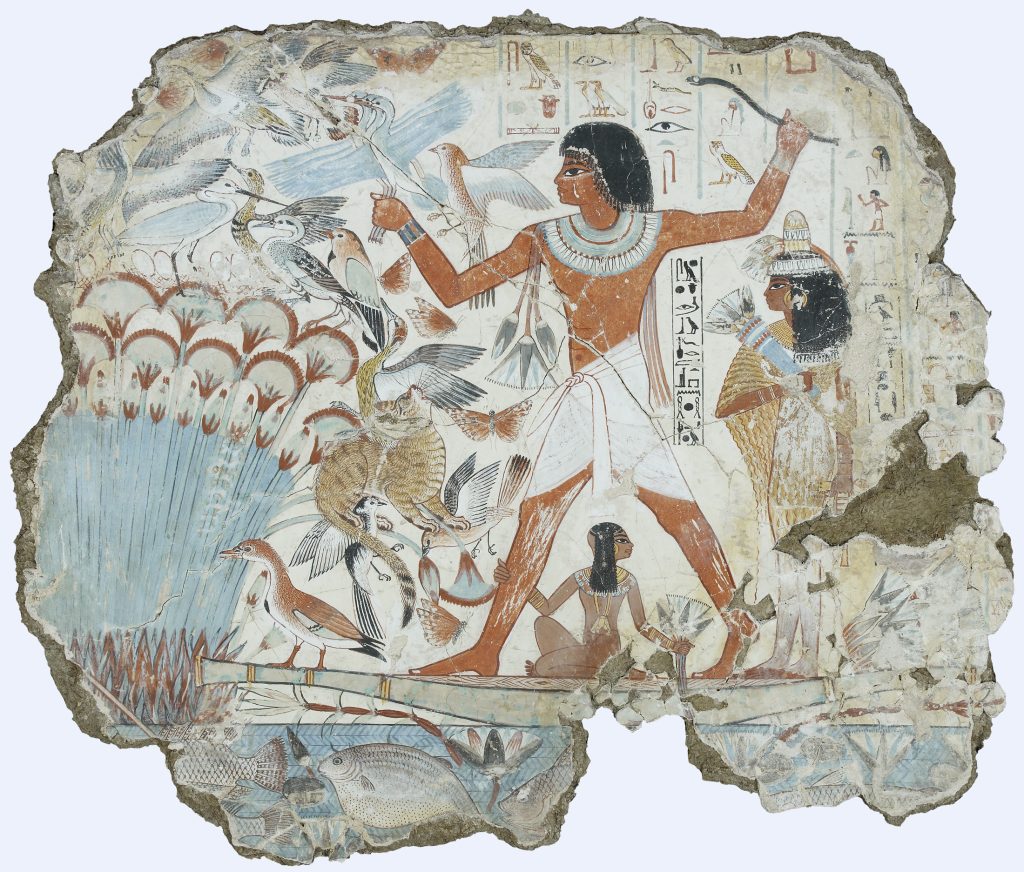
Most British visitors arrive in Luxor convinced that the Valley of the Kings is the one place to see a painted pharaonic tomb. It isn't. The finest wall paintings on the west bank, the freshest colours and the scenes that show how ordinary Egyptians actually lived, sit a few kilometres away in the Tombs of the Nobles in Luxor. Better still, the number of people you meet there across a whole morning would fit inside one coach at the Valley of the Kings.
Guides have skipped past these tombs for decades. This article explains why they deserve a proper slot in your Luxor itinerary. Their colour, their detail and their sheer intimacy will change the way you remember the whole city.
Why the Tombs of the Nobles Surpass the Valley of the Kings
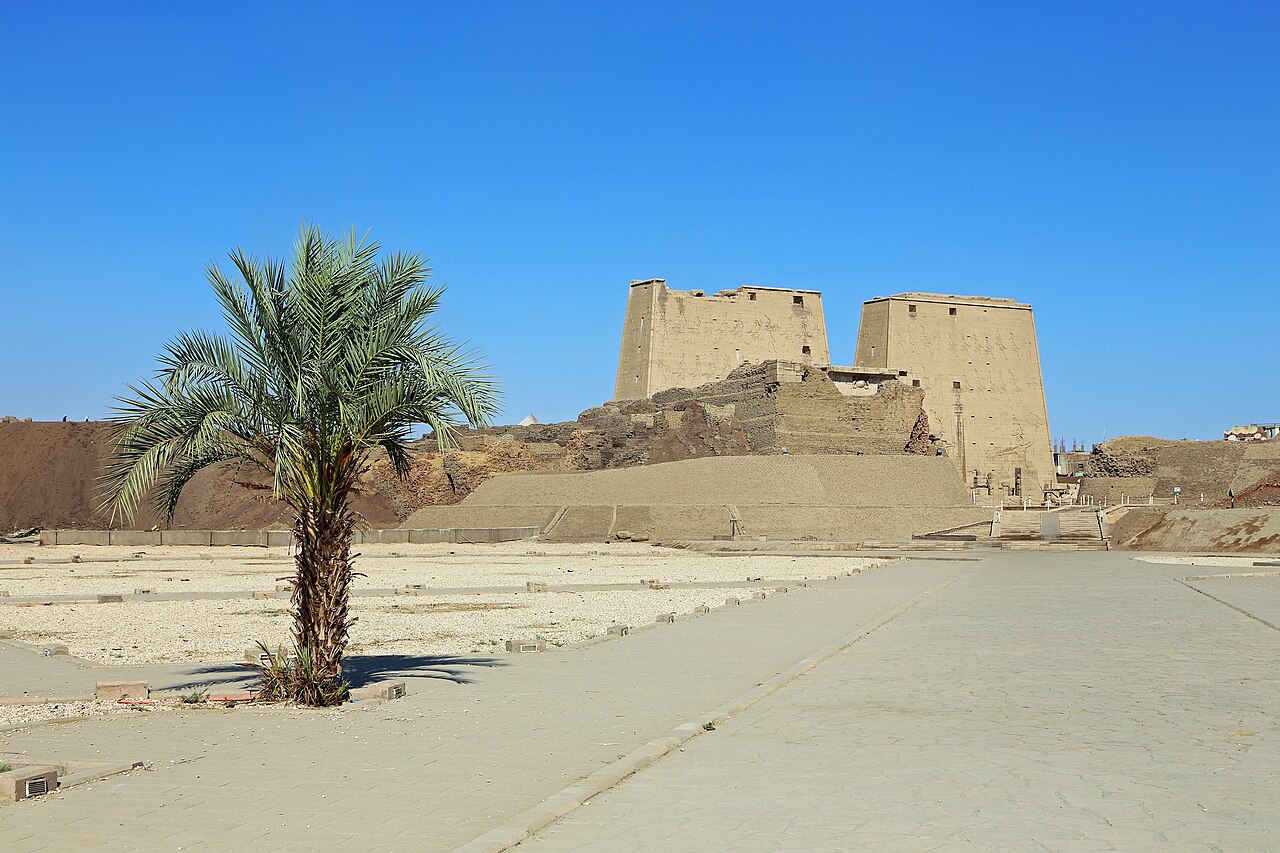
Before you rush to the Valley of the Kings (you still have to go there), listen to me. The two sites are different. The Valley of the Kings is impressive, yes. But the tombs of kings are often dark, the frescoes worn, and frankly, when you enter some tombs, you see mostly bare walls.
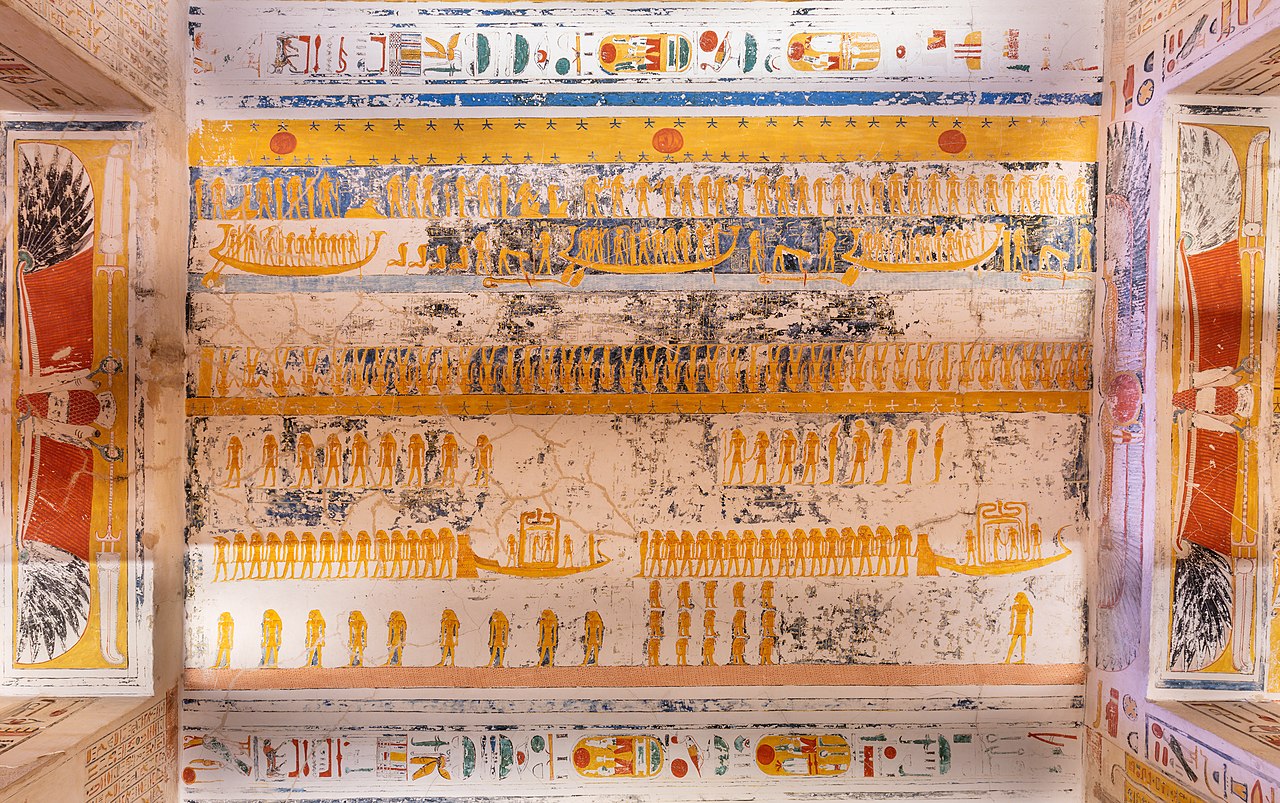
What sets the Tombs of the Nobles apart is that they narrate. The pigments, deep blues, strong reds and bright golds, have survived in better preserved condition than many royal ones. Nobles had nothing like a king's budget, yet their modest chambers escaped the wholesale collapse and plundering that hit the grander tombs. The upshot is that you watch ancient Egyptians eating, dancing, working and praying.
The Key Contrast
The Valley of the Kings shows you funerary ritual: pharaohs before the judges of the underworld. The Tombs of the Nobles show everyday life instead, with harvests of grapes, feasts, scribes bent over their work and children at play. One is a dry history textbook; the other reads like a diary.
Then there is the question of numbers. Through the peak months, the Valley of the Kings takes in thousands of people every single day. The Tombs of the Nobles let you wander at your own pace, catch the silence of the desert and simply breathe. It feels quite magical.
The Key Tombs You Absolutely Must Visit
You can't see all the graves (there are more than 60). Here are the must-dos that really give you the best experience:
1. Tomb of Nakht (TT52)
Nakht served as an astronomer and scribe at the Temple of Amun in the New Kingdom (18th Dynasty). His tomb is celebrated for scenes of daily life: pickers at work in the vineyard, dancers, musicians. The colours remain astonishing, and the lapis lazuli blue still glows. Nakht appears beside his wife in several panels. It draws more visitors than most of its neighbours, simply because it is spectacular, and it earns every minute you give it.
2. Tomb of Menna (TT69)
Menna was an official of the temple lands under Thutmose IV. Its frescoes show scenes of surveying fields, harvesting wheat, and hunting in the marshes. Very few tourists come here (it's almost secret). The scenes are intimate, sometimes naughty (certain hunting positions have obvious Egyptian double meanings). The atmosphere is almost familiar.
3. Tomb of Ramose (TT55)
Ramose held the office of vizier under Amenhotep III and then Amenhotep IV (Akhenaten). His tomb marks the moment Egyptian art changed direction, since Akhenaten overturned the old conventions, and both styles sit side by side within a single burial. For anyone with an eye for art history it is absorbing, and the preservation is exceptional.
4. Sennefer (TT96): the so-called Tomb of the Vines
Ask anyone which tomb they fell for and this is usually the answer. The ceiling is covered in climbing vines heavy with grapes, so looking up feels like standing beneath a pergola. The colours practically hum. Sennefer was mayor of Luxor, and the tomb reflects the man: someone who relished life, wine and his vineyards. It is glorious.
5. Tomb of Rekhmire (TT100)
Rekhmire served as vizier to Thutmose III and Amenhotep II. His tomb is on a grand scale, with more than 100 metres of painted wall. The vizier is shown at work: checking tribute arriving from Asia, Nubia and the Levant, overseeing craftsmen, greeting envoys from abroad. Think of it as a painted record of how the Egyptian civil service ran. The detail is extraordinary.
The Tomb Clusters: Where They Are and What Awaits
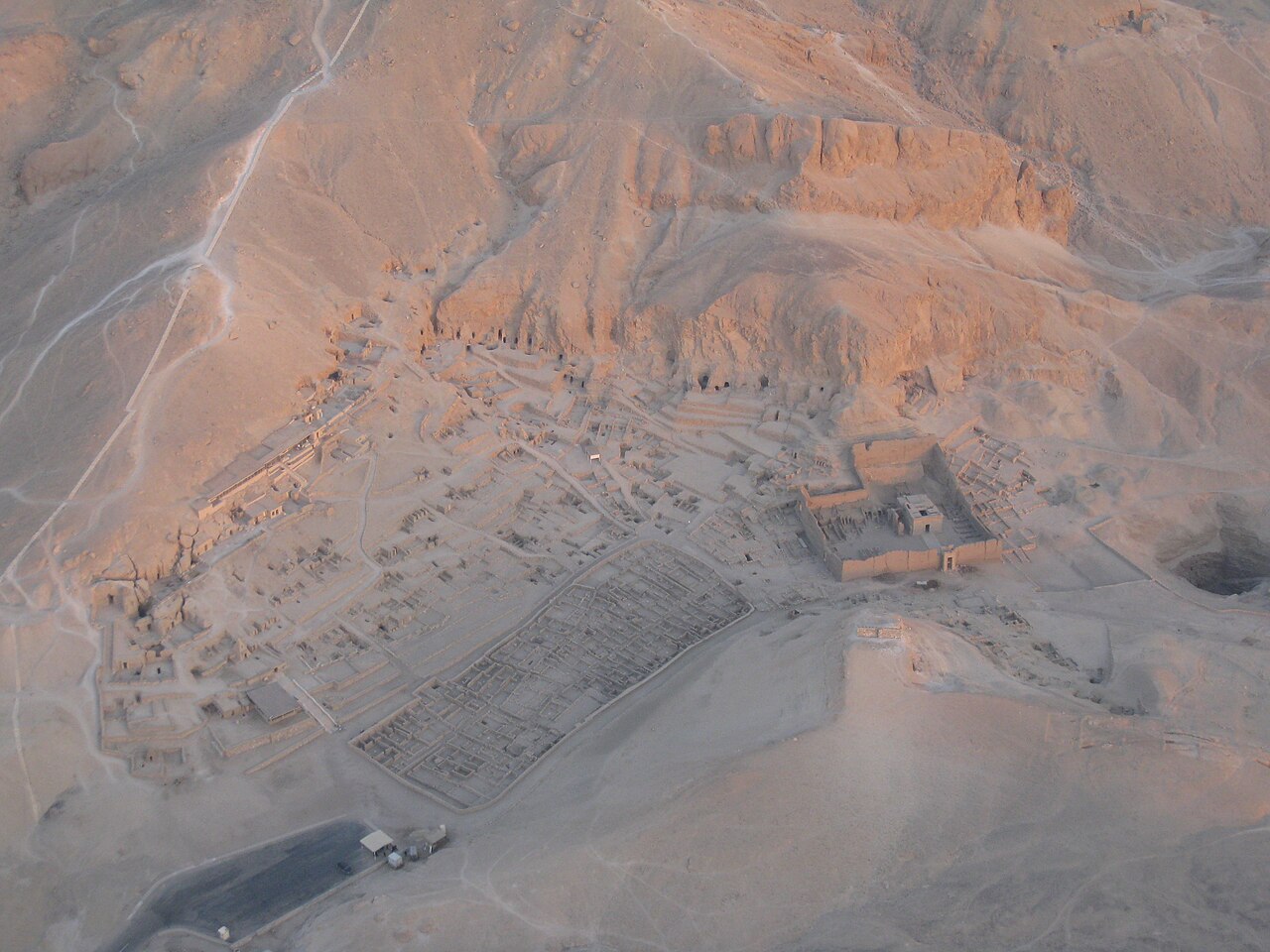
The Tombs of the Nobles in Luxor fall into several clusters, all on the Nile's west bank but spread across different areas. A grasp of the layout lets you organise the day sensibly instead of doubling back between sites.
Sheikh Abd el-Qurna
The biggest cluster and the easiest to reach, with roughly 40 tombs cut into a hillside above Luxor. The highlights described earlier (Nakht, Ramose, Sennefer, Menna) all sit here, so an entire morning passes quickly. Getting around is simple thanks to steps and marked paths.
Price: approximately £10 per person (grouped ticket). Some premium tombs (Nakht, Ramose) may have an additional 2- each.
Assif
Just south of Sheikh Abd el-Qurna lies a cluster of around 8 tombs that sees far fewer visitors. Khent-Amentiu-Sa's tomb and that of Kheruef (TT192) are remarkable yet barely known, and there is every chance you will have them to yourself.
Price: approximately per person.
Khokha
Further south sits a smaller group dating from a somewhat later phase of the New Kingdom. Visitor numbers are low. The paintings are mostly in good condition, though not as dazzling as those at Sheikh Abd el-Qurna. A sound choice for travellers who prefer peace to crowds.
Price: approximately per person.
Dra Aboul Naga
This is the cluster furthest north. Tombs here date from the New Kingdom, with a handful from the Middle Kingdom. The paintings are more worn and less vivid, but the atmosphere is wonderfully genuine, other visitors are rare and the guardians are friendly. This is Luxor for the real explorer.
Price: approximately per person.
Price and Access Table 2026
| Group of Tombs | Price per person | Number of graves | Suggested duration |
|---|---|---|---|
| Sheikh Abd el-Qurna | £10 (+2- per premium tomb) | 40+ graves | 3-4 hours |
| Assif | 8 graves | 1-1.5 hours | |
| Khokha | 6 graves | 1-1.5 hours | |
| Dra Aboul Naga | 5+ graves | 1-2 hours |
Note: Prices are 2026 estimates based on 2024-2025 Egyptian rates. Tourist rates change; ask for confirmation from your hotel or guide. Children (under 12) often have a 50% discount.
Why the Tourist Desert Changes Everything
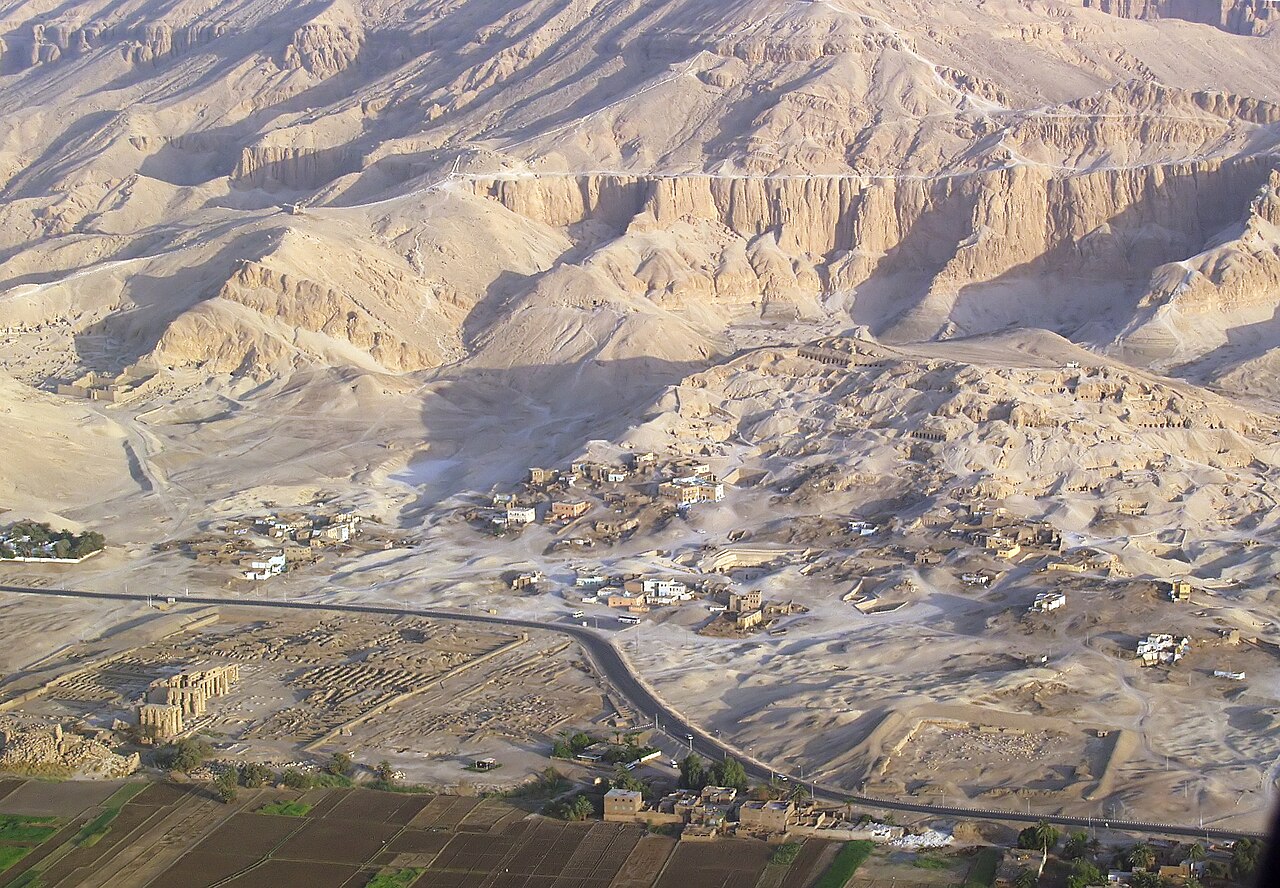
No need to overstate it. What separates a visit to the Valley of the Kings from one to the Tombs of the Nobles is, above all, the volume of people. In the Valley you file along a set route, hemmed in by others taking the identical photograph from the identical spot at the identical moment. It is an experience you share, and at times it feels stifling.
At the Tombs of the Nobles, especially in Assasif or Khokha, you have truly alone moments in front of a 3500 year old fresco. You hear your footsteps echoing. You smell the hot desert air. You really think about who this person was, their life, their desire for immortality. It's different. It's deeper.
At the height of the season the Valley of the Kings handles 5000-8000 people a day, whereas the Tombs of the Nobles see 500-1000. The arithmetic speaks for itself.
West Bank Sites to Pair with the Tombs
Luxor West Bank offers much more than tombs. If you're planning a full day (or two), here's how to organize it:
- Morning (6am-9am): Sheikh Abd el-Qurna at the Tombs of the Nobles, before the heat builds
- Late morning (9 a.m.-11 a.m.): Temple of Deir el-Bahari (just below Sheikh Abd el-Qurna)
- Noon: A lunch stop, Luxor Village or the hotel
- Afternoon (2pm-5pm): Either the Valley of the Kings or a further cluster of nobles' tombs (Assasif/Khokha), finishing at Karnak Temple
- Sunset: Temple of Medinet Habou or walk along the Nile
That is a brisk schedule. With 2-3 days in Luxor you can slow down and linger at each site.
Itinerary advice
Forced to pick just one of the two, I would send you to the Tombs of the Nobles. With 2-3 days in Luxor there is no need to choose, so visit both. Yet if one had to go, it would be the Valley of the Kings, because the Tombs of the Nobles leave you with a far deeper sense of how ancient Egyptians lived.
Practical Information and Advice
Ideal Visiting Time
Arrive as soon as it opens (6 a.m.). The tombs close at 4-5 p.m. Before 9 a.m., you will have the place to yourself. After 10 a.m., the groups start to arrive. And above all, the heat becomes intense after 11 a.m.
Photography
The frescoes are magnificent to photograph. Internal lighting is often limited (to preserve pigments), so bring a flashlight or headlamp. No flash; this damages the frescoes. The exposures for photos can be long, but it's worth it.
Guide or Not?
A good local guide really adds to the experience. He can give you context on each noble, explain hieroglyphics, show you details you might have missed. Count £20-£30 for a English-speaking guide for 3-4 hours. Negotiable.
Clothing and Equipment
- Light clothes, cotton (it's the desert)
- Hat or cap
- Comfortable sandals (you'll walk)
- Plenty of water (1.5-2 liters per person)
- Sunscreen
- Flashlight
- Camera or smartphone with full battery
Frequently Asked Questions
A: The main loos are by the site entrance at Sheikh Abd el-Qurna. They are simple but they work. Go before you climb the hill, and carry your own loo roll and hand gel.
A: Between October and April, which is Egypt's winter. The sweet spot is November to February: pleasant temperatures and hardly any rain. Things warm up through March-April, and May-September brings extreme heat, with tombs often shutting early. Our guide to the best time to visit Egypt has the full picture.
A: Minimum 3 hours to Sheikh Abd el-Qurna (4-5 tombs) with guide. A full day (4-5 hours) allows you to cover 7-8 tombs and really absorb the atmosphere.
A: You can visit alone (signs exist). But a guide adds a lot. At a minimum, buy a good paper guide (available at the entrance).
A: Estimated budget for one person: Sheikh Abd el-Qurna entry £10 + 2 premium entries + guide £20 + lunch £10 + internal transport = approximately £40 (£30 if no guide). Very good value for money.
A: Certainly. Spend the morning among the Tombs, then head to Deir el-Bahari or the Temple of Medinet Habou after lunch. Squeezing in the Valley of the Kings is possible too, though it will feel rushed, so spreading things across 2 days is wiser.
Counter-Intuitive Insight
Few guides will admit this: the most memorable tombs of antiquity are rarely the biggest. Pharaohs raised colossal monuments to eternity, the pyramids and the Valley of the Kings among them. The nobles took another path, creating small chambers crammed with detail, life and character. Kings looked to the next world; nobles wanted to be remembered in this one.
Result: the frescoes of the nobles speak to you more. They are more human. And ironically, they survived better because the "success" of kings - their great tombs - attracted looters. The nobles were blessed with obscurity. Their historical obscurity has become your chance to experience authentic ancient Egypt.
Planning a Day at the Tombs of the Nobles
To fit the Tombs of the Nobles into a longer stay in Luxor, start with our full Luxor guide. If your plans stretch across several destinations, these pages will help:
- Luxor-Aswan detailed route - 3-7 days covering all key points
- Nile cruises for 2026, with itineraries that call at Luxor
- Budgeting for Egypt in 2026, covering what to set aside for tickets and guides
- Where to take the best photographs in Egypt, in which the Tombs of the Nobles rank highly
- Egypt travel preparation checklist - What to take
- Egypt Tour Packages - Packaged options including Luxor
- Egypt shore excursions, for anyone calling in on a cruise ship
Need help organizing your visit?
Last Thought
Nobody should treat the Tombs of the Nobles in Luxor as a consolation prize. They are everything the tourist cliché is not, offering a raw, direct link to ancient Egypt that no other site can match. The paintings talk to you, the details fill your head with stories, and the quiet, well, quiet has become a rare luxury in 2026.
Even with a single day in Luxor, hand it to the Tombs of the Nobles. Regret is not on the cards. And back home you will carry tales that the coach parties at the Valley of the Kings will simply never hear.
Do you have specific questions?
Ready to book your visit?