
By Sem Elegant Voyage | Updated: March 2026
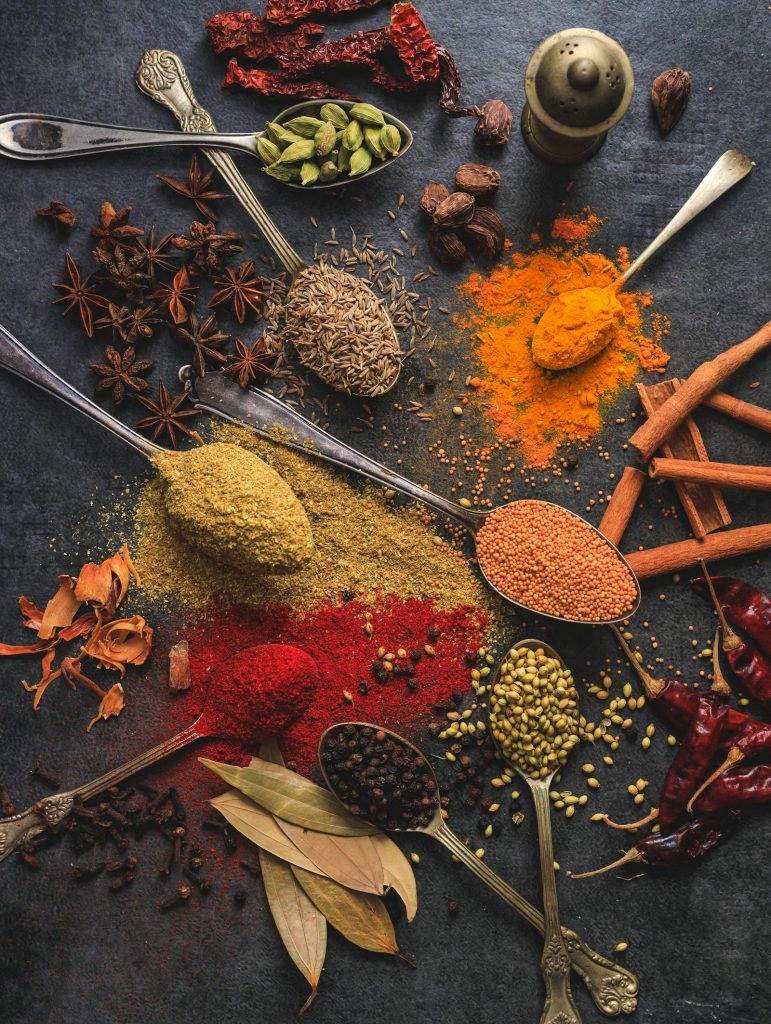
Khan el-Khalili is the oldest souk in Cairo, founded in the 14th century by a Mamluk emir. And the spice section is easily the most intoxicating part of the whole market. The moment you step into these alleys, the smells hit you - cumin, cinnamon, saffron, hibiscus, mint... It is a feast for the senses that makes you want to buy everything in sight.
The trouble is that without a little preparation, you risk paying three times the going rate or walking away with saffron that is not really saffron at all. This guide is here to help you navigate this fragrant maze with confidence and leave with genuine bargains.
Want to explore Khan el-Khalili with a local guide?
Our English-speaking guides know every alley of the souk and the best spice stalls. They negotiate for you and steer you clear of the tourist traps.

Khan el-Khalili: a little history
The Khan el-Khalili souk was founded in 1382 by the emir Djaharks el-Khalili, who built a caravanserai for the merchants. Six centuries later, the market is still here - alive and loud, in the heart of Fatimid Cairo. The buildings have changed, of course, but the spirit has stayed the same. This is a place of trade, of meetings and of bargaining.
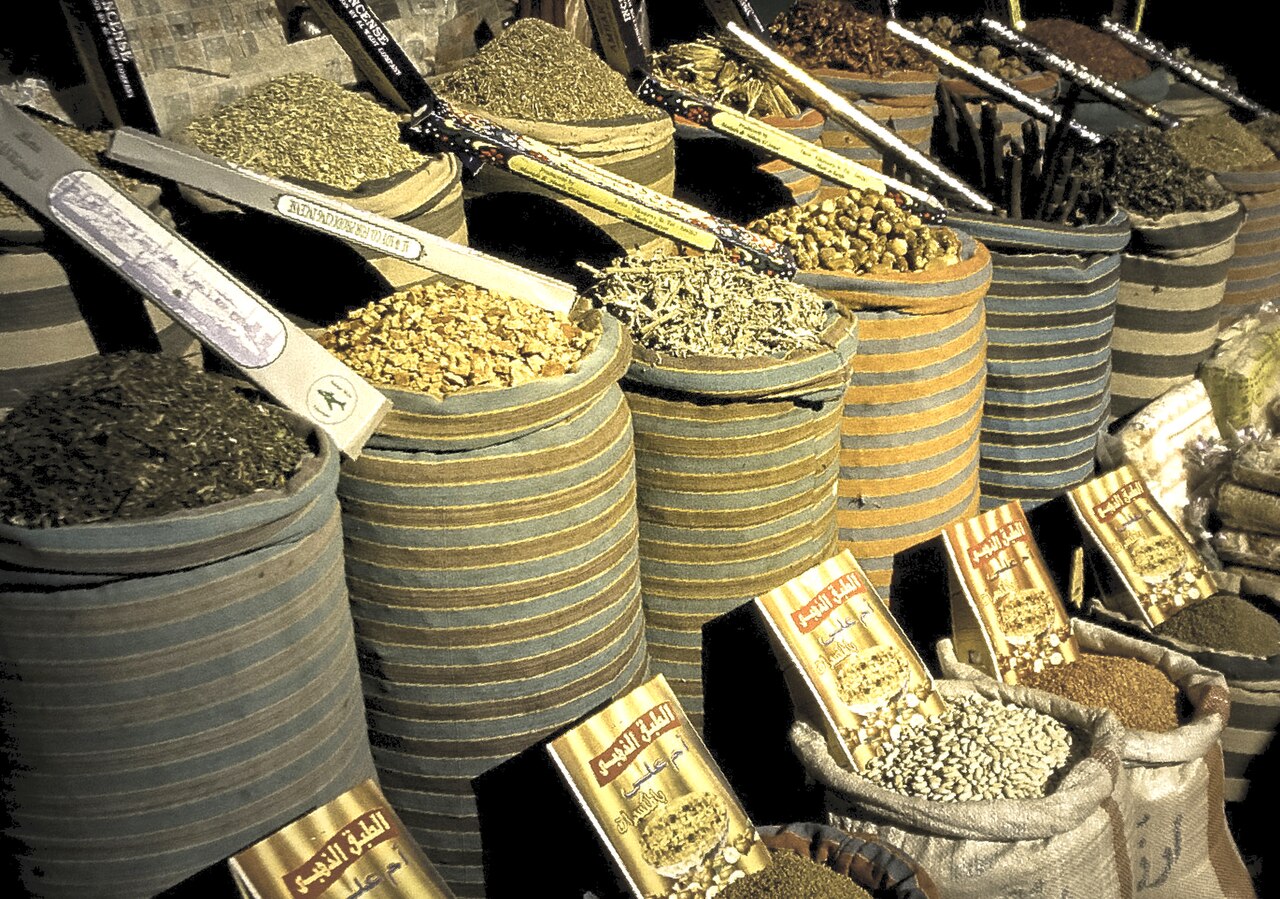
The spice section (souk el-Attarin) sits in the oldest part of the market. The stalls are often tiny - barely a few square feet - yet overflow with sacks and jars full of spices, herbs and medicinal plants. Some families have run their shop for several generations.
The market sits right next to the Al-Hussein Mosque and a short walk from the Al-Azhar Mosque, which makes it a natural stop on a tour of Islamic Cairo.
Which spices should you buy?
Karkade (hibiscus)
This is the star product and the best purchase you can make at the spice market. Karkade is Egypt's national drink - an infusion of dried hibiscus flowers served hot or cold, with sugar. Its deep red color and tart taste make it a refreshing drink that is rich in vitamin C.
At the market you will find two grades: whole flowers (better) and crushed flowers (cheaper but lower quality). Choose flowers of a deep red, not too brown (a sign they are too old). Good karkade costs between 100 and 200 EGP per kilo at the market. If you are asked more than 300 EGP per kilo, you are paying the "tourist price."
Cumin
Egyptian cumin is especially fragrant and fresh. It is sold as seeds or ground. The seeds keep better and hold their aroma longer - grind them yourself at home for maximum flavor. Cumin goes into dukkah and into countless Egyptian dishes.
Ballpark price: 80-150 EGP per kilo for good-quality seeds.
Saffron - watch out
Saffron is the most expensive spice in the world, and it is also the one that draws the most scams. At the Cairo market, much of the "saffron" on sale is actually safflower (false saffron) or turmeric dyed red. Real Egyptian saffron barely exists - quality saffron comes from Iran or Morocco.
How to spot the real thing: Real saffron is made of fine threads, deep red with orange tips. Drop a thread into warm water - real saffron releases its color slowly and evenly, while the fake dyes the water instantly. Real saffron has a complex aroma, slightly bitter and earthy.
Honestly, unless you know the product very well, it is better to avoid buying saffron at the souk. If you really want some, buy it from a reputable shop or ask your guide to take you to a trusted seller.
Other spices to bring home
Cinnamon - In sticks, it makes a visually charming souvenir, and Egyptian cinnamon is fresh and fragrant. 80-120 EGP per kilo.
Dukkah - This blend of nuts, seeds and spices (sesame, coriander, cumin, hazelnuts) is quintessentially Egyptian. You eat it with bread dipped in olive oil. An excellent culinary gift. 100-200 EGP per kilo.
Cardamom - Essential in the Turkish/Arabic coffee served all over Egypt. The green pods are the best. 200-400 EGP per kilo depending on quality.
Fennel and anise - Used in Egyptian herbal teas, very pleasant and good for digestion. Very affordable.
Baharat - A spice blend used throughout Middle Eastern cooking. Every merchant has his own recipe, which makes each purchase unique.
Cairo goes further with a local plan. Tell the team your dates and we will build your days there.
The art of haggling at the souk
Haggling in the Cairo spice souk is an art form in its own right. Here is how to go about it to land a good price without offending anyone.
Step 1: Take a scouting lap. Before you buy anything, stroll through the lanes. Look at the posted prices (rare), note the products that catch your eye, and compare the displays. That gives you a baseline.
Step 2: Show interest without urgency. When you find a stall you like, take the time to chat. Accept the tea you are offered (it is the custom, and it commits you to nothing). Ask to smell and taste the products. Good merchants are proud of their wares and love to show them off.
Step 3: Ask the price and breathe. The first price will be high. Do not react badly - smile and make a counteroffer at around 30-40% of the asking price. The seller will act surprised. That is normal, it is part of the game.
Step 4: Negotiate gently. Raise your offer little by little. The seller lowers his. You will land somewhere between 40% and 60% of the original price, which is usually a fair price for both sides.
Step 5: The walk-away move. If you cannot reach a deal, thank them politely and pretend to leave. The seller will often call you back with a better price. If he does not, you were below his bottom line - come back with a slightly higher offer.
Bonus tip: Buy several products from the same seller. "If I take the karkade AND the cumin AND the cinnamon, what is the price for the lot?" That almost always works better than negotiating item by item.
Explore the market with a guide who haggles for you
Our local guides speak Arabic, know the trusted sellers and get prices you would never land on your own. Combine the souk visit with a tour of Islamic Cairo.
Avoiding the tourist traps
The souk is a wonderful place, but you need to keep your eyes open. Here are the most common scams:
Fake saffron: As noted above, this is the number-one scam. Safflower or dyed turmeric sold at saffron prices. If the price seems too low for saffron, then it is not saffron.
Pre-packaged blends: The pretty sealed pouches with colorful labels are often less fresh and more expensive than loose spices. The packaging costs more than its contents. Stick to buying loose.
The "gift" that is not one: Some sellers slip a little pouch of spices into your hand and say "gift." Then they add another product, then another, and at the end you have to pay for the lot. In short, do not take anything "for free" unless you are sure it is truly offered.
The "official" guide: Individuals offer to guide you through the souk for free. They take you to partner shops where they earn a commission - and the prices are marked up accordingly. If you want a real guide, go through an agency like ours.
The rigged scale: It rarely happens, but it exists. If you can, ask to see the weight on the scale. Or bring along a small object whose weight you know, to check.
Practical info for your visit
Hours: The market is broadly open from 9 a.m. to 10 p.m., but the best hours for spices are the morning (9 a.m.-noon) when it is cool and the sellers are less rushed, or late afternoon (4 p.m.-6 p.m.) after the midday heat.
How to get there: Take the metro to Al-Ataba or Bab el-Shaaria station, then a 10-15 minute walk. By taxi, just ask for "Khan el-Khalili" - everyone knows it. If you are staying in central Cairo, it is easy to reach.
El-Fishawi cafe: After your shopping, take a break at the El-Fishawi cafe, the oldest cafe in Cairo (open for more than 200 years). A mint tea or a Turkish coffee in this historic spot is the perfect complement to your souk visit.
Photography: The market lanes are very photogenic - the mounds of colorful spices, the burlap sacks, the light filtering through... Always ask permission before photographing a seller or his stall. Most are happy to oblige, especially if you are a potential customer. That said, avoid blocking the narrow lanes with your tripod.
Other markets in Cairo
Khan el-Khalili is not the only interesting market in Cairo. If you are after a more local, less touristy experience, here are some other options:
Souk el-Gomaa (the Friday market) - A huge flea market in the Sayeda Aisha district. You will find a bit of everything there - antiques, furniture, clothes, car parts... Spices too, at prices well below Khan el-Khalili. The atmosphere is chaotic and fascinating.
The Bab el-Louq market - A more authentic neighborhood market, frequented by Cairenes. Spices and food products sell at local prices here. Less picturesque than Khan el-Khalili but more "real."
El-Obour Market - Cairo's big wholesale market, out on the edge of the city. It is not a tourist destination, but if you want to buy spices in large quantities at wholesale prices, this is where to go. As such, it is really for connoisseurs or serious buyers.
If you extend your trip south, the Nubian markets of Aswan and the souks of Luxor are also worth the detour. A Nile cruise lets you discover the markets of each port of call.
FAQ - Cairo spice market
Can you bring spices home from Cairo to the US?
Yes, dried spices, karkade and herbal teas pass US customs without trouble. Avoid fresh or moist products. Pack your purchases well so the smell does not seep into your clothes in the suitcase. A resealable zip bag inside a plastic bag does the trick.
Is the market safe for tourists?
Yes, Khan el-Khalili is generally safe. Pickpocketing exists, as in any tourist market in the world - keep your valuables in front of you and stay alert. The sellers are insistent but not aggressive. The district is very busy by day and by evening, which makes it safe at any reasonable hour.
Do you really have to haggle?
Haggling is expected at the souk's spice shops. If you pay the first price asked, the seller will be delighted but you will probably have paid 2 to 3 times the normal rate. Bottom line, haggling is part of the cultural experience - lean into it rather than treating it as a chore. If it makes you uncomfortable, a local guide can negotiate for you.
What budget should you set aside for spices?
With 200-500 EGP (about $9.5-11), you can bring home a fine selection of karkade, cumin, cinnamon and spice blends - plenty for gifts and to stock up for several months. Real saffron would be the only genuinely pricey item. As for your overall trip budget, spices remain a very modest line item.
Is Khan el-Khalili open on Fridays?
Yes, the market is open on Friday, but some shops may close during the Friday midday prayer (around noon-1:30 p.m.). Friday evening is a good time to visit because the atmosphere is lively. During Ramadan the hours shift - the souk comes alive mostly after iftar (the breaking of the fast).
How long do you need to visit the spice market?
Allow 1 to 2 hours for the spice section. If you explore all of Khan el-Khalili (jewelry, textiles, souvenirs, Egyptian handicrafts), plan on 3 to 4 hours. Add a tea break at the El-Fishawi cafe and a visit to the Al-Hussein or Al-Azhar Mosque for a full half-day.
Discover authentic Cairo with our guides
Spice market, Islamic Cairo, local food - our Cairo tours cover the most flavorful sides of the city. Combine it with a Nile cruise and Cairo tour for a complete trip.
Published by Sem Elegant Voyage - Specialists in tailor-made travel in Egypt. Browse our Egypt tour packages, our trip preparation checklist and our cultural activities in Egypt.