
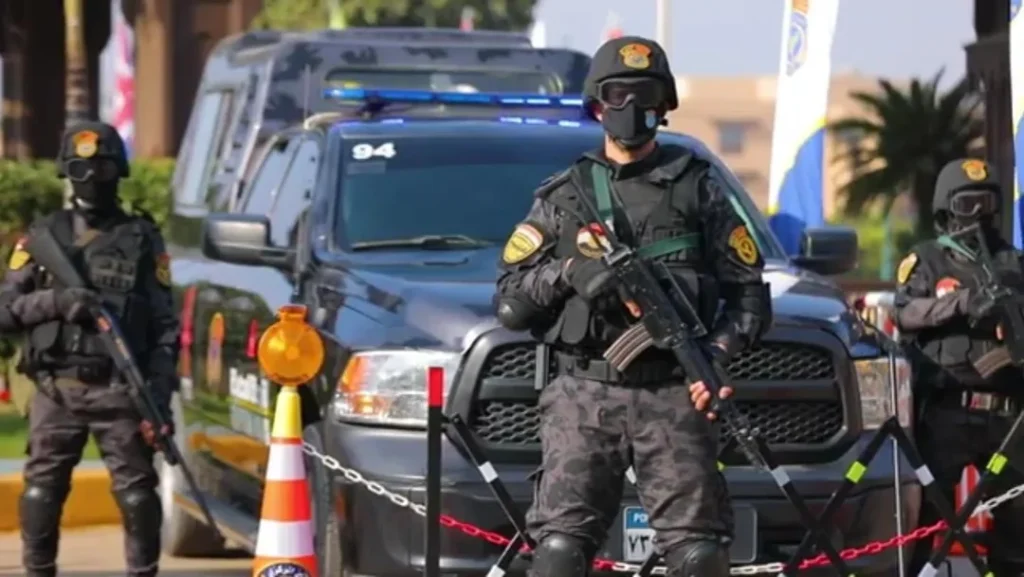
Direct answer: Is it safe to travel to Egypt 2026? Yes, for the vast majority of visitors. The major tourist areas (Cairo, Luxor, Aswan, Hurghada, Sharm el-Sheikh, Alexandria and the Nile cruise route) run under reinforced security: dedicated tourist police, scanners at archaeological sites, and a heavy, visible presence. The U.S. State Department rates Egypt Level 2, Exercise Increased Caution, the same rating given to France, Germany and the United Kingdom, and reserves its Do Not Travel warning for the Northern and Middle Sinai Peninsula, the Western Desert border strip, and the military zones along the Libyan and Sudanese borders (travel.state.gov, Egypt Travel Advisory, issued 15 July 2025, retrieved 29 September 2026): areas no SEV itinerary enters.
UPDATED SEPTEMBER 2026
This page is reviewed against the official U.S. State Department advisory (last issued 15 July 2025, checked again 29 September 2026) and against the UK and French government advisories cited further down this page. The Grand Egyptian Museum (GEM), opened in November 2025, continues operating normally. Tourism keeps rising and the Egyptian government continues reinforcing security in the tourist areas.
You are asking yourself: "Can I really go to Egypt? Is it safe to travel to Egypt 2026? Is Egypt a dangerous place to visit, or is Egypt unsafe only in the headlines? Is Egypt safe to visit 2026?" These concerns are completely legitimate, and our team hears them every day as a Cairo-based agency that has organized trips in Egypt since 2020. Short version: is Egypt safe 2026? Yes, and this Egypt travel safety 2026 guide explains exactly why, zone by zone. The media often talk about the risks, but they often leave out that Egypt welcomed close to 19 million international visitors in 2025, a new record, according to Egypt's Minister of Tourism and Antiquities. That gap between perception and reality is exactly what this guide tackles.
Plan Your Egypt Trip With Complete Confidence
After reading this guide, do you have specific questions about your itinerary or safety? Talk with our team on WhatsApp. We design safe itineraries, book vetted hotels, and arrange trusted drivers and guides. Not just a tour operator: our team has lived and worked in Egypt since 2020, and we know these routes first-hand.
Is It Safe to Travel to Egypt 2026? The Short Answer
Yes, traveling to Egypt in 2026 is safe for the average visitor. The tourist areas (Cairo, Luxor, Aswan, the Nile cruise route, Hurghada, Sharm el-Sheikh) stay busy and closely policed: Egypt drew a record 15.7 million visitors in 2024, then close to 19 million in 2025, according to Egypt's Ministry of Tourism and Antiquities. The U.S. State Department warns against only the Northern and Middle Sinai Peninsula and the Libyan and Sudanese border zones, places no SEV itinerary ever passes through. Yes, you can go.
Is a Nile cruise dangerous?
No, a Nile cruise is not dangerous. The Luxor-to-Aswan corridor is one of the most closely watched parts of Egypt: dedicated tourist and river police, registered passengers, fixed routes, and a self-contained boat. No security incident has touched Nile cruise passengers on that corridor. The only real, everyday risk is stomach upset (travelers' diarrhea), which sealed bottled water prevents. It is one of the calmest ways to see Egypt: a strong option for families, seniors, and women traveling alone.
Are Luxor and Cairo dangerous?
No. Luxor is one of the safest tourist areas in Egypt: the Valley of the Kings, Karnak, and the temples are blanketed by tourist police. Cairo is safe too: the caution there is the same as in any big city (pickpockets in crowds, chaotic traffic), not a security threat. Avoid large gatherings and keep your valuables close, just as you would in New York or Rome.
Egypt safety in 2026, zone by zone
| Area | 2026 safety status |
|---|---|
| Cairo, Giza | Safe: big-city caution |
| Luxor, Aswan, Nile Valley | Very safe: tourist police |
| Nile cruise | Very safe: patrolled corridor |
| Hurghada, Sharm el-Sheikh, Red Sea | Very safe: low crime |
| North Sinai, Libya/Sudan borders | Do Not Travel: off all tourist routes |
The U.S. State Department rates Egypt overall at Level 2: Exercise Increased Caution, the same level assigned to France, Germany, Belgium and the United Kingdom, and reserves its Level 4, Do Not Travel flag for the Northern and Middle Sinai Peninsula, the Western Desert border strip near Libya (unless traveling with a professionally licensed tour operator), and the military zones on the Libyan and Sudanese borders (travel.state.gov, Egypt Travel Advisory, issued 15 July 2025, retrieved 29 September 2026). No SEV itinerary crosses any of these zones.
Is Hurghada a Dangerous City?
No, Hurghada is not a dangerous city: it is actually one of the safest in Egypt. The resort lives largely on Red Sea tourism, police keep a visible presence, and crime against travelers stays very low. The vast majority of trips go by without a single incident.
The real things to watch in Hurghada are not security issues, they are everyday ones:
- Bazaars and haggling: vendors quote inflated prices to tourists; negotiating is part of the game, no hostility needed.
- Unvetted excursions: quad bikes, diving, boat trips, and submarine tours. Book through a licensed, insured operator, not a beach tout. A tourist submarine that sank while boarding off Hurghada in March 2025 is the clearest reason why: marine excursions are where a credential check matters most.
- Sun and sea: the everyday Red Sea risk is sunburn and dehydration, not personal safety.
- Taxis: agree on the fare before you get in, or book a private transfer.
Beyond that, Hurghada feels like any major beach resort. Our team arranges transfers and excursions with vetted operators: message our team on WhatsApp for a relaxed Red Sea stay.
Is There a Risk of Terrorism in Egypt in 2026?
In the tourist areas, the organized-terrorism risk today is very low. The last attack tied to an organized group on the classic tourist routes was the roadside bombing of a tour bus near the Giza pyramids on 28 December 2018, which killed three Vietnamese tourists and their Egyptian guide (reported by CNN, Al Jazeera and other international wire services). In October 2023, an Egyptian police officer opened fire on an Israeli tour group at Pompey's Pillar in Alexandria, killing two Israeli tourists and their Egyptian guide: a serious, isolated act by one individual, not an organized attack, and Egyptian authorities arrested and charged the officer within hours. Egypt has since kept investing in tourist security: scanners and metal detectors at site entrances, dedicated uniformed tourist police, controlled access to hotels and museums, and escorts on certain roads.
The organized-terrorism risk (never quite zero, as in many countries in the region) stays geographically concentrated on North Sinai and the Libyan and Sudanese borders. These are exactly the zones the U.S. State Department flags as Do Not Travel, and no tourist itinerary crosses them. Cairo, Luxor, Aswan, the Nile Valley, Hurghada, and Sharm el-Sheikh are not among them.
In practical terms, visiting Cairo or taking a Nile cruise does not expose you to more security risk than many world capitals. The best protection is staying on the structured, well-policed routes, which is exactly what a trip arranged by a local agency does by default.
Are There Protests in Egypt?
Protests in Egypt are rare, contained, and very localized. When they happen, it is in central Cairo, around a few squares and government buildings, never at the archaeological sites, never in the Red Sea resorts, never along the Nile cruise route.
For a traveler, the guidance fits in one line: never approach a gathering, and walk calmly away if you come across one. It is the same common-sense rule you would follow in any major capital. None of the recent protests has disrupted tourist trips.
Our Cairo-based team tracks the situation day to day and adjusts itineraries when needed. If you want a read on conditions before you fly, ask our team for an on-the-ground update on WhatsApp.
Plan your trip:
- our Nile cruise between Luxor and Aswan
- what to see and do in Luxor with peace of mind
- planning your visit to Cairo and the Giza pyramids
- a Red Sea beach stay in Hurghada
- the Egypt visa guide for US travelers
- the best time of year to visit Egypt
- our guided Egypt tours
- solo female travel safety in Egypt
The Numbers That Reassure: Safety and Tourism Statistics

Let us start with the data that really matters:
| Metric | Figure 2025-2026 | What It Means |
|---|---|---|
| Annual tourists | Nearly 19 million (2025) | A new record, per Egypt's Minister of Tourism |
| Organized terrorism against tourists | Last confirmed case: Dec 2018, Giza | No organized attack on the classic routes since |
| US State Department rating | Level 2: exercise increased caution | Do Not Travel zones: N/Middle Sinai + borders |
| UK/France comparison | Same tourist zones rated safe | FCDO and France Diplomatie flag only Sinai and border strips |
| Tourism's role in the economy | A major export earner | Gives the government a direct incentive to keep tourist areas secure |
Why these numbers matter: If Egypt's tourist areas were genuinely dangerous, the British and French governments would not rate them the way they do. US advisories tend to be conservative. The reality on the ground is that the tourist areas run under strict, visible security, and the Egyptian government has a direct economic incentive to keep it that way: tourism is one of the country's largest sources of foreign currency, and every incident affects millions of Egyptian livelihoods.
Map of Egypt's Security Zones by Tourist Destination
This table shows the 15+ tourist destinations and their real security level (not the general advisories). Almost every destination popular with English-speaking travelers is either "Green" (completely safe) or "Orange" (stay alert but safe with precautions).
| Destination | Security Level | Description |
|---|---|---|
| Luxor and the Valley of the Kings | GREEN (Very Safe) | One of the safest destinations in Egypt for tourists. Heavy police presence, tourists everywhere all the time. No reported attack on tourists there in years. |
| Aswan and Abu Simbel | GREEN (Very Safe) | Calm, relaxed, small town. Police presence is visible but orderly. Tourists feel very safe. Abu Simbel site: reinforced military security. |
| Nile Cruises | GREEN (Very Safe) | Controlled environment, the boat is a secure bubble. Rigorous passenger screening. The river route is heavily monitored. Ideal for maximum safety. |
| Hurghada and Marsa Alam | GREEN (Very Safe) | Gated beach resorts = reinforced security. Isolated all-inclusive resorts. Monitored beach clubs. Mass beach tourism for 25+ years without a problem. |
| Sharm el-Sheikh | GREEN (Very Safe) | Resort zone isolated from the rest of the peninsula. A major tourist destination for 30+ years. Strict airport security. |
| Alexandria | GREEN (Safe) | Important coastal city, Mediterranean atmosphere. Established beach tourism. Quieter than Cairo. Security comparable to a mid-size US city. |
| Cairo and the Pyramids | ORANGE (Stay Alert) | Big city = normal big-city precautions. Pickpockets/scammers = an urban problem, not terrorism. Heavy tourist police presence. Ancient sites = strict security. |
| Giza (Pyramids) | ORANGE (Stay Alert) | Major site = heavy dedicated police presence. Tens of thousands of visitors daily. Scanners at the entrances. Guide scams = a minor issue vs any real risk. |
| Western Desert (Siwa) | ORANGE (Tours allowed) | Isolated oasis. Visit possible ONLY through an authorized tour operator. Security guaranteed by the Egyptian government. A small but growing number of visitors each year. |
| Bahariya and the Valley of the Whales | ORANGE (Guided tours) | Deep desert. Access only via local guides and permits. A growing adventure destination. Safety guaranteed if you follow the official itinerary. |
| Ismailia and the Suez Canal | GREEN (Safe) | Strategic port city = visible but orderly military presence. Growing tourism. Suez Canal cruise = a safe itinerary. |
| Wadi Halfa (rare) | ORANGE | Sudan border = heightened vigilance. Very few tourists. Possible only with an experienced local agency. |
| RED ZONES TO AVOID: North Sinai (Rafah, Khan Yunis) | RED (Not advised) | Conflict zone. No reason for a tourist to go there. Not a tourist area. Very few tourists ever try. |
| RED ZONES TO AVOID: Libyan Border | RED (Not advised) | Instability in Libya. Not an organized tourist area. No tourist visits. |
| RED ZONES TO AVOID: Sudanese Border | ORANGE (Caution) | Unstable border. A few tourists at Wadi Halfa but with precautions. Avoid going on a whim. |
Color summary: GREEN = as safe as a normal US city | ORANGE = standard vigilance, common-sense precautions | RED = non-tourist areas to avoid completely.
Safety by Major Destination: A Detailed Look
Cairo and the Pyramids of Giza
Cairo is the capital, a metropolis of 20 million. Yes, it is a big city. Like New York, like Istanbul, like Bangkok. Big city = pickpockets, scammers, chaotic traffic. This is not a terrorism risk, it is classic urban petty crime.
Real risks in Cairo: pickpockets in crowds (subway, markets), guide scammers at the pyramids ("free photo" that turns into a $55 charge), taxis with no meter, overcharging at tourist restaurants. Overstated risks: organized terrorist attacks on tourists (none on the classic Cairo routes since the December 2018 Giza bus bombing), kidnappings, and random shootings, none of which reflect the everyday experience of the millions of tourists who visit Cairo each year.
Real security: The Pyramids of Giza benefit from an impressive tourist police presence. Scanners at the entrances like at airports. Checkpoints at regular intervals along the approach roads. Tens of thousands of tourists move through the plateau every day without incident. The main roads toward the ancient sites (Heliopolis, Saqqara, Memphis) are safe with normal precautions.
Practical Cairo tips: Do not explore random neighborhoods alone at night. Stay in established tourist areas (Zamalek, Dokki, Nasr City, Heliopolis, the Giza plateau). Use Uber/Careem rather than street taxis. Do not flash cash, expensive phones, or showy jewelry. Bring an anti-theft bag for the subway. With these precautions = a fun and rewarding experience.
Luxor and the Valley of the Kings: Among the Safest Tourist Areas
Luxor (about 300,000 people) is known for its relaxed, warm atmosphere. Tourists feel safe right away. Police are visible but friendly. The mood is completely different from Cairo: calmer, more welcoming. Most tourists say: "Why is it not dangerous here?" The answer: it is a small town whose economy runs almost entirely on tourism, so the whole community has a direct stake in keeping visitors safe and coming back.
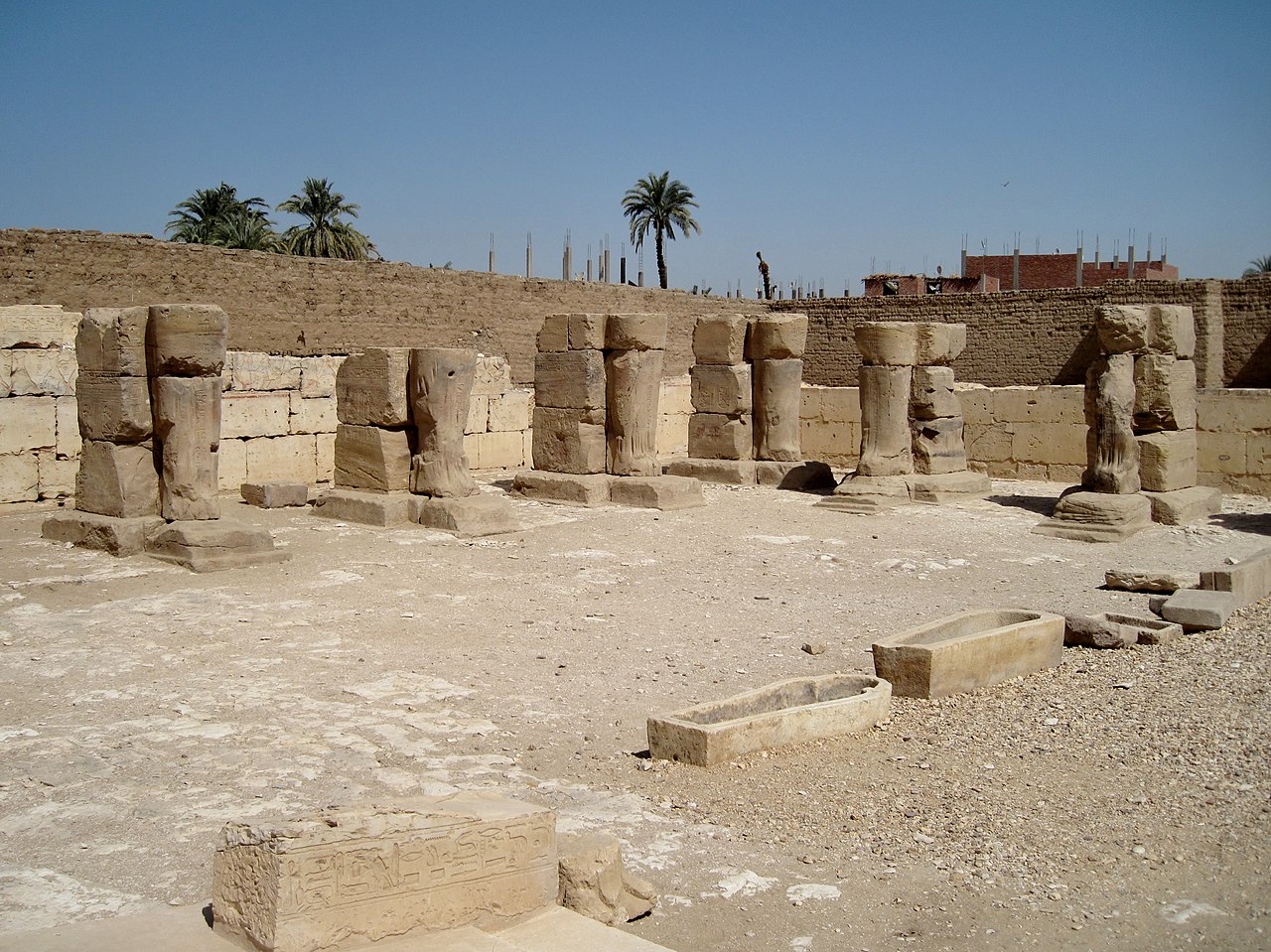
Valley of the Kings security: one of the most secured archaeological sites in Egypt. Dedicated tourist police. Access control. Licensed local guides. Tourists everywhere all the time. No reported attack on tourists there in years. The worst that usually happens is a guide pushing souvenirs, which is normal everywhere.
Travelers who have visited both often describe Luxor as calmer than Rome or Barcelona for petty crime: fewer pickpockets, fewer scams away from the main sites. The media coverage of "terrorism" rarely mentions that millions of tourists pass through Luxor and Aswan every single year. If the risk were what the headlines imply, the international cruise lines and tour operators that depend on that corridor would not still be running there.
Independent lodging vs package: Luxor lets you stay independently (Airbnb, small hotels) BUT the quality of the experience does not match a package. A package = a 4-5 star hotel + guide + transport = a luxury experience and total peace of mind. Independent lodging gives you more local immersion but less comfort and convenience. That is precisely the appeal of Luxor: seeing how Egyptians live.
Siwa Oasis: A remote oasis 310 miles to the west, isolated until the 1990s. Now = a growing adventure destination. Visit ONLY through authorized tour operators. The Egyptian government provides guides and strict military security.
Is it riskier than other countries? No. An objective analysis:
| Destination | Real Risk | Global Comparison |
|---|---|---|
| Luxor | VERY LOW | Safer than Rome, Barcelona, Paris |
| Aswan | VERY LOW | Like Santa Fe or Savannah (calm US cities) |
| Nile Cruises | VERY LOW | Controlled environment, better than a Mediterranean cruise |
| Cairo | LOW (normal urban) | Comparable to New York or Istanbul (big cities) |
| North Sinai | RED | Similar to conflict zones worldwide (Afghanistan, Yemen) |
Alexandria: Egypt's Mediterranean City
Is Alexandria Egypt safe to visit? For the large majority of visitors, yes. Alexandria is a quieter, Mediterranean-facing city built around its coastline, catacombs, and the Bibliotheca Alexandrina, with the same big-city precautions as Cairo but a slower pace. The one incident to know about: in October 2023, a single Egyptian police officer opened fire on an Israeli tour group at Pompey's Pillar, killing two Israeli tourists and their Egyptian guide. It was a serious, isolated criminal act by one individual, not an organized attack, and the officer was arrested the same day. It has not repeated since, and it sits alongside, not instead of, Alexandria's normal record as a calm coastal city.
Let Us Be Honest: The Real Safety Issues
Let us be honest as a local agency based in Egypt. Here is what we actually observe on the ground:
Major archaeological sites: Fortified security. Scanners at the entrance like at an airport. Heavy tourist police presence. Only authorized guides (verified badges). No uncontrolled access to the ancient temples. Rarely will you see this much police at attractions anywhere else as in Egypt.
Being honest about the record: the last organized attack on tourists was the roadside bombing of a tour bus near the Giza pyramids on 28 December 2018, which killed three Vietnamese tourists and their Egyptian guide. No comparable organized attack has hit a tourist route since. In October 2023, a single Egyptian police officer shot and killed two Israeli tourists and their guide at Pompey's Pillar in Alexandria, a serious but isolated criminal act, not linked to any organized group, and the officer was arrested the same day. Both events are real, both are worth knowing, and both are exceptions against a backdrop of close to 19 million visitors a year passing through the country without incident.
Grand Egyptian Museum: opened in November 2025. Modern security throughout: scanners, cameras, staff. High daily visitor numbers without a reported problem. It is the symbol of the new Egypt: modernized, secured, and ready for tourists.
The tourist crowd: Americans, French, Germans, British, Italians = all present. Families with children. Seniors. Groups of teenagers. Solo travelers. The whole spectrum. If it were genuinely dangerous, these groups would not come.
Welcome for tourists: warm, genuine, enthusiastic. Egyptians depend economically on tourism. Guides are passionate about history, drivers are courteous, hotels are attentive. Our team hears far more positive feedback than complaints, in line with the record visitor numbers.
Comparison With Other Popular Destinations

Let us put Egypt's safety in an international context. You may think Egypt = more dangerous than other Mediterranean or Middle Eastern destinations. The data suggests the opposite:
| Destination | US Advisory Level | Tourist Reality | Note |
|---|---|---|---|
| Egypt | Exercise increased caution | Tourist areas very safe | Close to 19M tourists in 2025 |
| Morocco | Exercise increased caution | Tourist areas safe | 13M tourists |
| Tunisia | Exercise increased caution | Tourist areas safe | 5M tourists |
| Turkey | Exercise increased caution | Tourist areas safe | 50M tourists |
| Jordan | Exercise increased caution | Tourist areas safe | 5M tourists |
| Thailand | Exercise normal caution | Tourist areas safe | 40M tourists |
| Indonesia | Exercise increased caution | Tourist areas safe | 17M tourists |
The takeaway: Egypt, Morocco, Tunisia = the SAME US advisory level ("exercise increased caution") yet tourism is massively practiced in all three. Turkey is also "exercise increased caution" but gets 50M tourists a year. The official advisory is conservative. The tourist reality = different.
Traveler Feedback: Recurring Themes
Since 2020, our team has heard the same comments over and over:
"I was terrified beforehand, but in reality it is great": the single most common theme we hear after a trip. People worry a lot beforehand, arrive, and find the tourist areas calmer than expected.
"Egyptians are welcoming, the guides passionate, the hotels attentive": the second most common observation. Tourism is a livelihood for millions of Egyptians, and it shows in how visitors are received.
"Police everywhere, strange at first, then reassuring": a visible, non-aggressive presence that most visitors say they stop noticing after the first day.
"Cairo is like any other big city, just loud": a pleasant surprise for many. Cairo is a chaotic metropolis in the way Istanbul or Bangkok are, not a place to be afraid of.
"We will be back": a phrase our Cairo team hears often. Many clients plan a second trip to Egypt once they have seen how manageable the first one was.
Practical Safety Tips for Your Trip
Documents and Registration
- Make a digital and a physical copy of your passport and visa. Keep a separate copy from the original passport.
- Enroll in the State Department's STEP program (Smart Traveler Enrollment Program, step.state.gov) before your trip. It lets the US government contact you in an emergency.
- Have the contact details for the US Embassy in Cairo: +20 2 2797 3300
- Have your travel insurance number and the 24/7 contact procedures.
Money and Valuables
- Do not flash large amounts of cash. Keep it in the hotel safe or a hidden money belt.
- Use credit/debit cards as much as possible. ATMs are in every tourist town.
- Do not wear flashy jewelry, expensive watches, or high-end cameras out in the open.
- Buy a small anti-pickpocket bag if you take the Cairo subway. Dense crowds = a standard big-city risk.
Transport and Getting Around
- Do not drive yourself in Egypt. Chaotic roads, rules nobody follows, complicated insurance. Use a private driver (agency or Uber/Careem).
- Taxis with no meter = avoid. Use Uber, Careem, or agree on the price before getting in.
- The Cairo subway = safe for tourists with precautions. Women-only cars exist and are recommended for women traveling alone.
- Domestic flights = safe and recommended for long distances (Cairo-Luxor, Luxor-Aswan).
- On a Nile cruise, transport = handled by the boat.
Interactions and Behavior
- Respect the local religion. Avoid overly revealing clothing (low necklines, short shorts). Women should cover shoulders and knees.
- Do not photograph military sites, bridges, or government infrastructure. The police can stop you.
- Do not offend Islam or the presidency. Egypt = a Muslim country with laws against blasphemy.
- Be polite with the police if they check your documents. Americans are generally fine if courteous.
- Avoid political discussions with strangers. Egypt = not the place for political debates.
Health and Hygiene
- Water: NEVER drink tap water. Sealed bottled water only (available everywhere, very cheap).
- Ice: Avoid ice in drinks except at high-end hotels (made from tap water).
- Food: The kitchens at tourist restaurants = international hygiene standards. Street food = a risk of traveler's stomach (a partly true myth).
- Sun: SPF 50 protection is a must. The Egyptian sun = maximum intensity. Severe sunburn is common among unprepared tourists.
- Cairo pollution: If you have asthma or a respiratory condition, consider an N95 mask. Pollution = real but tolerable for most people.
- Recommended vaccinations (not required): up-to-date Tdap, Hepatitis A and B, typhoid. See a doctor 4 weeks before departure.
Traveling Solo in Egypt as a Woman
A frequent and legitimate question. The answer: possible, with specific precautions and a smart itinerary.
The reality: Egypt = a patriarchal society with occasional street harassment. More so in Cairo than other cities. Worse in local neighborhoods than in tourist areas. Manageable with precautions and a confident attitude.
Strategies for Solo Women
Clothing: Cover shoulders and knees at a minimum. No hijab needed (female tourists are never covered) but covering more than in the US = a signal of respectability.
Street harassment: "Salaam, hello beautiful" is a common line, especially in Cairo. The strategy: ignore it completely, no eye contact, walk with confidence. Egyptians do not persist if you ignore them. Pretending not to speak English = sometimes helps.
Best option: Organized tours. A solo woman + a group = better than a solo woman on her own. Guided tours = remove the need to navigate cities, remove potential harassment, and include other tourists and structure.
Nights: 4-5 star hotels in tourist areas = safe. Do not explore unfamiliar neighborhoods after dark. Taxis = Uber/Careem (identifiable) rather than street taxis.
Nile cruise: The ideal option for solo women. The boat = a secure bubble. The other passengers = respectful tourists. The guides = trained professionals. Zero harassment risk.
Safe destinations for solo women: Luxor (small, calm, tourist-focused) > Aswan (even calmer) > Hurghada (resort bubbles) > Sharm (resort bubbles). Cairo = possible but you need to stay alert.
Common Scams and How to Avoid Them
Every tourist destination has scammers. Egypt is no exception. Here are the real scams and how to avoid them:
Scam: Fake Guides at the Pyramids
How it works: Someone approaches you at the pyramids: "Free photo?" You take a photo with a camel/bedouin, and suddenly "that costs $55, it is the law." You did not know it cost anything.
How to avoid it: Refuse any spontaneous interaction. Hire an OFFICIAL guide with a badge. Do not take "free photos" with animals or people. If someone offers "free," it is a trap.
Scam: Camel Prices
How it works: An unofficial guide offers a camel ride: "$22 an hour" sounds cheap. After the ride: "You said $22 per person for two hours, total $88." Confusing negotiation.
How to avoid it: Confirm the price PER PERSON PER HOUR in writing before getting on. Use an agency for camel arrangements. Hotels can recommend reliable camel operators.
Scam: Bazaar/Souk Overpricing
How it works: A souk vendor sizes you up as a tourist: "Special price for you, $110 for this vase" that is worth $11. Social pressure ("my family is hungry") adds guilt.
How to avoid it: Do not shop alone. Local friends/guides know the real prices. Haggle as much as possible (it is the expected culture). Buy souvenirs in fixed-price stores with displayed prices if you prefer stable pricing.
Scam: Taxis With No Meter
How it works: A taxi with no visible meter: "I am friendly, no need for a meter." After the ride: "$55" for a 3-mile distance.
How to avoid it: ONLY Uber/Careem or official taxis with a meter. If there is no visible meter, ask for a different taxi. Pay only the price on the meter.
Scam: Photos With Locals = Payment
How it works: You take a photo of a picturesque local person: "no problem, free." Afterward: "Thank you very much, $22 for the photo."
How to avoid it: Ask permission BEFORE taking a photo. Clarify "Is this free?" before you click. If you want the photo, offer a small tip ($1-5) voluntarily rather than being forced into it.
Scam: Felucca Pricing Tricks
How it works: A Nile felucca ride (traditional sailboat): "$55 per person for an hour" sounds simple. On board, "would you like beer, soda, snacks?" It all adds up to an extra $30-45.
How to avoid it: Confirm what is INCLUDED vs extra before getting on. Bring your own water/snacks if you are budget-conscious. Hotels can pre-book feluccas with a clear price.
Scam: Currency Exchange
How it works: Street money changers offer a "special" rate better than the banks. 1% better seems good. Check afterward = an illegally low exchange or hidden fees.
How to avoid it: Use ATMs or official banks only. Never street money changers. Credit cards = generally a better rate than a cash exchange.
Scam: Fake Papyrus
How it works: A papyrus shop: "Authentic real papyrus" costs $550. It is often fake (dyed banana paper). Verify it? Very hard for a tourist.
How to avoid it: Recognized chain stores or museum/hotel references = more likely authentic. Sky-high prices = a red flag. A small souvenir papyrus ($5-20) = probably fine for tourist quality.
Scam: Perfume Shop Pressure Tactics
How it works: A perfume seller: "Free, just smell." After you smell 5 perfumes, "Which one do you like? $110 for this one." Social pressure.
How to avoid it: Politely decline to enter perfume shops if you are not seriously interested. If you do go in, clarify the price before testing. International brands (Dior, Chanel) = fixed prices in official boutiques.
Scam: Unauthorized Airport Transfers
How it works: A man at the airport: "Hotel shuttle? I can do it cheaper, $33." The car = unreliable, the driver = not vetted, and you get dropped at the wrong place.
How to avoid it: Arrange your airport transfer BEFORE you arrive. Hotel, agency, or Uber = reliable options. Never accept transport that was not pre-arranged.
Scam summary: Almost every scam = avoidable by using common sense and pre-planning. Negotiate the price BEFORE committing. Use authorized operators. Do not accept spontaneous "free" offers. If you are skeptical = do not do it.
Health, Vaccinations and Travel Insurance
Vaccinations: What to Do
REQUIRED vaccines: None. The Egyptian government requires no vaccination to enter.
RECOMMENDED vaccines (see a doctor 4 weeks ahead):
- Up-to-date Tdap (diphtheria, tetanus, polio): a reason to stay current in all cases
- Hepatitis A: recommended for tourists to Egypt
- Hepatitis B: recommended for a long stay or risky behavior
- Typhoid: recommended especially if you go outside the tourist areas
- Yellow fever: NOT needed unless you are arriving from a country with yellow fever risk (check current entry rules before you fly)
Health on the Ground
Pharmacies: Pharmacies everywhere in the cities. Western medications available without a prescription (unlike in the US). Pharmacists can recommend medications without a doctor.
Hospitals: The tourist hospitals in Cairo are excellent (Good Hope, Nile Badrawi). The Hurghada/Sharm hospitals = competent. Luxor = OK for minor issues, evacuation to Cairo if serious.
Common health issues:
- Traveler's stomach/diarrhea: Tap water = the number-one cause. Being careful with water and ice = generally prevents it. If it happens, medications are available at pharmacies (Imodium, etc.).
- Severe sunburn: Intense sun. SPF 50 protection is a MUST. Severe sunburn = a common problem for the unprepared.
- Dehydration: Intense heat from May to September. Drink plenty of bottled water. Signs of extreme fatigue = probably dehydration.
- Respiratory issues in Cairo: Notable air pollution. For asthmatics or people with respiratory conditions = an N95 mask is useful.
Travel Insurance
Essential: Yes, strongly recommended. Egypt = a country that standard travel insurance covers.
What to look for:
- Medical coverage of at least $110,000
- International medical evacuation included
- Repatriation covered
- Trip cancellation (recommended)
- Lost/delayed baggage
- 24/7 English-speaking assistance, ideally
Recommended insurers: Allianz, World Nomads, Travel Guard, AIG, IMG. Compare prices on comparison sites (Squaremouth, etc.). Budget = $55-165 a week depending on coverage.
Plan Your Egypt Trip With Complete Confidence
After reading this guide, do you have specific questions about your itinerary or safety? Talk with our team on WhatsApp. We design safe itineraries, book vetted hotels, and arrange trusted drivers and guides. Not just a tour operator: our team has lived and worked in Egypt since 2020, and we know these routes first-hand.
Traveling During Ramadan: Safety Notes
Ramadan 2026 runs from around 17 February to 18 March, with the exact start and end depending on the moon sighting. If you are traveling during Ramadan, a few notes:
Safety impact: Minimal in tourist areas. Tourist restaurants = open. Hotels serve breakfast. Police presence INCREASES during Ramadan (festivities/evening celebrations). Tourists generally do not notice anything special.
Things to keep in mind: respect the fast: do not eat or drink visibly in public in front of fasting Egyptians. Many local restaurants close during the day and open in the evening. Hotels will provide food discreetly. The mood turns festive in the evenings, with concerts, celebrations, and night markets.
For full Ramadan details, see the Egypt Ramadan Guide.
Safety for Seniors
Traveling to Egypt as a senior = entirely possible and recommended. Here are some specific considerations:
Advantages for seniors: Nile cruises = the perfect option (full rest, moderate activities). Luxor/Aswan = a relaxed atmosphere. Guides are patient with seniors. Quality hotels are plentiful and affordable.
Health considerations: The hot climate = stress on the cardiovascular system. Travel insurance = essential (pre-existing-condition coverage). Usual medications = bring a sufficient supply + prescription. Bottled water only. Frequent rest, constant hydration.
Transport: Domestic flights rather than driving. A private driver rather than taxis. Hotels with an elevator if mobility is limited (mention it when booking).
For full details, see the Egypt Travel Guide for Seniors.
Safety for Families With Children
Families = welcome in Egypt. A few considerations:
Advantages for families: Egyptians LOVE children. A very warm welcome. Archaeological sites = educational for kids. Nile cruises = total family fun. Plenty of kid-friendly hotels. Egypt = a family-friendly destination overall.
Precautions for children: bottled water only (the stomach risk is higher for kids). Sun protection: hat, sunglasses, SPF 50+. Vaccination: Hepatitis A recommended for children. Do not leave kids alone anywhere; keep constant supervision in public places.
Activities for kids: Nile cruises, snorkeling in Hurghada, kid-friendly museums (the Grand Egyptian Museum = excellent), a camel ride (age 5+), a Nile boat ride.
For full details, see the Egypt Family Travel Guide With Children.
What to Do in an Emergency
Medical Emergency
- Emergency number: 123 (ambulance) or 112
- Major Cairo hospitals: Good Hope Hospital, Nile Badrawi, October 6th City Hospital
- Call your travel insurance IMMEDIATELY: The 24/7 number on your policy. They coordinate the hospital and evacuation if needed.
- Contact the US Embassy: +20 2 2797 3300 (Cairo) if the situation is serious
Security Emergency / Theft / Crime
- Tourist police: +20 2 3402 0186 (Cairo) or ask your hotel
- General emergency number: 122
- Report crimes: The local police station (ask your hotel or guide)
- Contact the embassy: +20 2 2797 3300 for a stolen passport or a serious situation
Emergency Evacuation
- Travel insurance will cover evacuation: Call the 24/7 number on your policy
- Evacuation from Luxor/Aswan to Cairo: A 1-hour domestic flight (the government can arrange it if medical)
- Evacuation from Egypt to the US: A medical charter flight is possible (covered by insurance if "repatriation" is included)
Why Use a Local Agency: The Safety Difference
You can travel independently or use an agency. Here is how a local agency improves your safety:
| Aspect | Independent | Local Agency |
|---|---|---|
| Guides | Random street guides, potentially untrained | Vetted, background-checked guides on staff |
| Transport | Street taxis = a scam risk / unvetted driver | Private drivers on staff = vetted, courteous |
| Hotels | Online booking = potential surprises in quality/location | Pre-vetted hotels, real quality reports, safe locations |
| Itineraries | A risky plan = dangerous zones by mistake | Planned itineraries = safe zones, smart timing, contingencies |
| 24/7 Emergency | On your own, only a phone line to the embassy | A local team 24/7 can step in quickly and resolve situations |
| Language | Guides speak broken English = difficult communication | Fluent English-speaking guides = clear communication |
| Scams | Vulnerable to street scammers = no recourse | Scammers avoided since guides protect you; if there is a problem = the agency steps in |
Bottom line: A local agency = an investment in peace of mind. The added cost = minimal vs the value of reinforced safety, reduced stress, and a better experience.
Convinced? Let Us Start Your Trip
Contact us on WhatsApp to discuss your ideal itinerary, dates, budget, and preferences. We create custom packages that balance safety, authenticity, and experience. Reply usually within 1 hour. English-speaking team available.
Official Sources to Consult
For official US government and international information on Egypt:
- US State Department: travel.state.gov: country information, travel advisories, and Do Not Travel/Reconsider Travel ratings by zone
- STEP (Smart Traveler Enrollment Program): step.state.gov: enrollment for US citizens before a trip
- UK Foreign Office: gov.uk/foreign-travel-advice/egypt: the British advisory
- Australia Smart Traveller: smartraveller.gov.au/egypt: the Australian advisory
- US Embassy in Cairo: +20 2 2797 3300: emergency contacts and information
FAQ: Answers to Frequently Asked Questions About Egypt Safety
Is it safe to travel to Egypt in 2026?
Yes. The major tourist areas (Cairo, Luxor, Aswan, Hurghada, Sharm el-Sheikh, Alexandria, and the Nile cruise route) are safe with normal precautions. The U.S. State Department rates Egypt Level 2, Exercise Increased Caution, and flags only the Sinai and border zones no tourist route enters. Close to 19 million tourists visited in 2025, a new record.
Can I travel solo in Egypt as a woman?
Yes, with specific precautions. Cover shoulders and knees, avoid engaging with street harassment, and consider an organized tour. A Nile cruise is a strong low-hassle option, and Luxor and Aswan feel calmer than Cairo for solo women.
Is Cairo dangerous?
Cairo is a big metropolis, not dangerous for tourists, but it calls for normal urban precautions. Pickpockets and guide scammers are the real issues, not terrorism. Stay in tourist areas, avoid unfamiliar neighborhoods at night, and use Uber or Careem rather than street taxis.
Is a Nile cruise safe?
Very safe. The Luxor-to-Aswan corridor runs under a controlled environment: screened passengers, fixed routes, dedicated river police. It is one of the calmest ways to see Egypt, a strong option for couples, families, seniors, and solo women.
Is Hurghada safe?
Yes, Hurghada is one of the safest cities in Egypt. It runs on Red Sea tourism, police keep a visible presence, and the gated all-inclusive resorts function as calm, self-contained bubbles. Apply normal resort-town habits: watch your things on the beach and haggle at the bazaar.
Is there a terrorism risk, and what is the crime rate, in Egypt in 2026?
Neither Egypt nor the U.S. State Department publishes an official tourist crime rate or crime index, so any specific number circulating online is not officially sourced. The crime rate in Egypt 2026, as far as any official source goes, is described only in general terms: a Level 2 rating (the same as France or the UK), with petty crime, not violent crime or organized terrorism, as the main issue in tourist areas: pickpocketing, inflated prices, and scams, the same categories any large city deals with. The organized-terrorism risk is concentrated in the Northern and Middle Sinai Peninsula and the desert border zones the State Department flags as Do Not Travel. On the classic tourist routes, the last organized attack was the December 2018 Giza bus bombing; a separate, isolated shooting by an Egyptian police officer killed two tourists in Alexandria in October 2023. Neither reflects the everyday experience of the millions of tourists who visit each year.
What vaccinations do I need for Egypt?
None are required to enter. Commonly recommended: an up-to-date Tdap, Hepatitis A, Hepatitis B, and typhoid. See a doctor about four weeks before departure.
Can you drink the tap water in Egypt?
No. Drink sealed bottled water only, and skip ice except at high-end hotels. Tap water is the leading cause of travelers' stomach upset.
Are scams common in Egypt?
Yes, as in most tourist destinations. The typical ones are unofficial guides, inflated prices, and taxis with no meter, and all of them are avoidable with simple precautions and common sense.
Do I need travel insurance for Egypt?
Strongly recommended. Look for medical coverage, evacuation, and repatriation. Without insurance, a medical issue abroad quickly becomes expensive and complicated.
Is it safe to travel to Egypt with kids?
Yes. Egyptians are warm with children, the sites are educational, and family-friendly hotels are widely available. Precautions: bottled water only, strong sun protection, and constant supervision in public places.
Can you drive yourself in Egypt?
Technically yes, with an international permit and insurance, but it is not recommended. Roads are chaotic and traffic rules are loosely followed. Use a private driver, Uber or Careem, or a domestic flight instead: safer and far less stressful.
Which Cairo neighborhoods should I avoid?
Avoid unfamiliar outskirts and non-tourist areas after dark. Comfortable, well-served areas for visitors include Zamalek, Dokki, Maadi, Nasr City, Heliopolis, and the Giza plateau. Downtown Cairo is fine to explore, but stay alert for street hassle.
Is Alexandria Egypt safe to visit?
Yes, for the vast majority of visitors. Alexandria is a quieter Mediterranean city with an established tourism scene, and the same big-city precautions apply as anywhere else. An isolated shooting at Pompey's Pillar in October 2023 (an Egyptian police officer, arrested the same day) was a serious, one-off event, not a pattern, and it has not repeated since.
Is Sharm el-Sheikh safe?
Yes. The resort sits on an isolated part of the Sinai peninsula, cut off from the areas the State Department flags, with decades of history as a tourist destination and strict airport security.
Are there protests in Egypt right now?
Protests are rare and localized, almost always in central Cairo around a few squares and government buildings, never at the archaeological sites or beach resorts. The rule is simple: avoid any gathering and walk away if you come across one.
Conclusion: Is Egypt Safe to Visit in 2026?
After reading this complete guide, here are the final facts:
Is it safe to travel to Egypt in 2026? For the tourist areas, yes. Close to 19 million tourists visited in 2025 alone, and the Egyptian government treats tourist-area security as a national priority. The UK and French governments classify the same tourist areas as safe to visit, and the U.S. State Department's Level 2 rating (issued 15 July 2025) is the same one it gives France, Germany and the UK: a general caution, not a specific warning about Egypt's main routes.
Yes, Egypt has genuinely dangerous zones, but they are not tourist areas. North Sinai and the Libya and Sudan borders are red zones that tourists never visit. It is a bit like saying "Mexico is dangerous" because certain Tijuana neighborhoods are: technically true of those specific streets, but not a reason to avoid Cancun or Mexico City.
This guide gives you honest information based on official advisories, verified incidents, and our Cairo team's first-hand experience on the ground since 2020. Final answer: Yes, it is safe to travel to Egypt in 2026. The ancient temples, the Nile, and living history make it a trip millions of people take, and enjoy, every year.
Next step: prepare your trip with our complete checklist covering documents, packing, vaccinations, and logistics. Then contact us on WhatsApp to plan an itinerary built around the safest routes and trusted local guides.
Related Resources and Guides
Check out our other complete guides to prepare your trip:
- Egypt Visa Guide for US Travelers 2026: procedures, types, durations, costs
- Egypt Travel Budget 2026: detailed costs for hotels, restaurants, activities, transport
- Complete Trip Preparation Checklist: documents, packing, vaccinations, insurance
- When to Go to Egypt: Best Season 2026: weather, crowds, prices by month
- Pyramids of Giza: Complete Practical Guide: history, visit, scams, ticket prices
- Egypt Nile Cruise 2026: boat types, itineraries, bookings
- Hurghada and the Red Sea: Complete Guide: resorts, diving, beach activities
- Visit Luxor: Complete Guide: Valley of the Kings, temples, planning your visit
- Grand Egyptian Museum (GEM) 2026: opening information, collections
- Egypt Family Travel With Children: kids' activities, family-friendly hotels, tips
- Ramadan Guide: Traveling During Ramadan: impacts, atmosphere, precautions
- Egypt Travel for Seniors and Retirees: health considerations, relaxed itineraries, comfort
- Egypt Tour Packages: package options, comparisons, bookings
- Nile Cruises: all boat types, itineraries, rates
- Contact Us: book a personalized itinerary, questions
Plan Your Trip in Complete Safety
Discover our guided tours with an English-speaking guide, a private driver, and vetted hotels.
Nile Cruise + CairoCairo + Nile + HurghadaLuxury DahabiyaAll Packages
Free quote in 24h, English-speaking guide, 24/7 WhatsApp support
We Are Here to Help You
Sem Elegant Voyage is a Cairo-based agency that has organized trips across Egypt since 2020. We specialize in Nile cruises, beach stays, archaeology, and tailor-made trips. All our itineraries include local guides, vetted drivers, pre-approved hotels, and 24/7 support.
Do you have specific questions? Call us on WhatsApp, send an email, or visit our site. We are English-speaking and answer questions every day.
Field data
Egypt Safety in Numbers, as of September 29, 2026
Five dated facts, each individually citable. Every line carries its figure, the condition that makes it true, its date, and its source.
- The UK Foreign, Commonwealth and Development Office advises against all travel to a 20 km strip along the Egypt-Libya border, except for the town of El Salloum. Advice in force as of 28 March 2026.Source: UK FCDO, foreign travel advice for Egypt, updated 28 March 2026, retrieved 2 August 2026.
- North Sinai Governorate carries an advise-against-all-travel rating from the UK FCDO, and the French Ministry for Europe and Foreign Affairs states that North Sinai remains in any event closed to foreigners. Both advisories current in 2026.Sources: UK FCDO, 28 March 2026; France Diplomatie, Égypte, last updated 7 April 2026. Both retrieved 2 August 2026.
- The U.S. Department of State rates Egypt Level 2: Exercise Increased Caution, the same level it assigns France, Germany, Belgium and the United Kingdom, and flags Level 4: Do Not Travel only for the Northern and Middle Sinai Peninsula, the Western Desert border strip, and the military zones on the Libyan and Sudanese borders.Source: U.S. Department of State, Egypt Travel Advisory, issued July 15, 2025, retrieved September 29, 2026.
- Egypt received 19 million international visitors in 2025, up 20.5 percent year on year, according to Sherif Fathy, Egypt's Minister of Tourism and Antiquities.Source: L'Écho Touristique, 29 June 2026, quoting Minister Sherif Fathy. Retrieved 2 August 2026.
- Egyptian tourism grew 4 percent across the first five months of 2026 against the same period in 2025, with the French source market up 22 percent over January to May 2026.Source: L'Écho Touristique, 29 June 2026, quoting Minister Sherif Fathy. Retrieved 2 August 2026.
Cite This Page
This data is freely reusable with attribution. Copy the line below:
Sem Elegant Voyage, "Is It Safe to Travel to Egypt 2026?", semelegantvoyage.com, https://semelegantvoyage.com/en-us/is-egypt-dangerous-2026-safety-guide/, accessed September 29, 2026.