

Traveling to Egypt during Ramadan 2027 is possible, and it mainly asks visitors to adapt to a different daily rhythm: tourism services remain available, some museum and site hours may be shortened, some local shops and restaurants close before iftar and reopen afterward, and evenings become the social part of the day. This guide explains what changes for a trip in Ramadan 2027 (expected to begin around February 8 and end around March 9, depending on the moon sighting) and how to plan around it with respect for local customs.
Quick tip: Ramadan 2027 is expected to run from Monday, February 8 to about March 8 or 9, depending on the moon sighting. Eid al-Fitr (the festival marking the end of Ramadan) is expected on March 9 or 10, 2027 (provisional dates). Egypt's Dar al-Ifta announces the official dates after the crescent sighting, so keep your plans flexible by a day. In 2027 the month also overlaps the Presidents Day long weekend (Saturday, February 13 to Monday, February 15).
Ramadan 2027 in Egypt is expected to start on Monday, February 8, 2027 and end on March 8 or 9, followed by Eid al-Fitr on March 9 or 10, and for travelers it mainly changes opening hours and the daily rhythm while tourism services remain available. Egypt's Dar al-Ifta announces the start after the crescent sighting on the evening of 29 Shaaban, so the dates can move by a day.
Foreign visitors are not expected to fast, but it is polite to avoid eating, drinking and smoking openly in public during daylight, and hotels and tourist restaurants usually serve visitors. The Ministry of Tourism and Antiquities has not published 2027 hours for sites and museums, so check its website before you plan visits. In Cairo the fast lasts about 12 hours 25 minutes on February 8 and about 13 hours 15 minutes on March 9.
Frequently asked questions
Will the pyramids, temples and museums be open during Ramadan 2027, and do their hours change?
Major sites and museums stay open in Ramadan, but some shorten their hours: the Grand Egyptian Museum, for example, announced a 4 p.m. closing for Ramadan 2025. The Ministry of Tourism and Antiquities has not published Ramadan 2027 hours, so check its website and the museum's own page shortly before the start. Outside Ramadan the Giza plateau opens at 7 a.m. with last entry at 4 p.m., and Karnak opens at 6 a.m. with last entry at 4 p.m., so morning visits are the usual plan.
Can tourists eat, drink and smoke in public in Egypt during Ramadan?
Visitors are not required to fast. Guides advise discretion: avoid eating, drinking and smoking openly in the street during daylight, especially outside tourist areas, and carry water to drink discreetly. Hotels and many restaurants in tourist areas usually keep serving visitors, while some local restaurants and shops close before iftar and reopen afterward.
Can you drink alcohol in Egypt during Ramadan, and are bars open?
There is no official Egyptian notice on alcohol service in Ramadan, and operators report that it is more limited. Licensed hotels and some tourist venues are reported to keep serving guests who are not Muslim, sometimes only on request, while standalone bars and shops may close or shorten their hours. Ask your hotel at check in what applies, and avoid drinking in public.
What time is iftar in Cairo during Ramadan 2027, and how long is the fast?
On February 8, 2027, calculated prayer times for Cairo give Fajr at about 5:13 a.m. and Maghrib at about 5:38 p.m., a fast of about 12 hours 25 minutes. On March 9 the fast runs from about 4:46 a.m. to 5:59 p.m., about 13 hours 15 minutes. Iftar begins at the Maghrib call to prayer, which a cannon shot from the Citadel has traditionally announced in Cairo, a custom the Ministry of Tourism and Antiquities restored after a pause of nearly 30 years.
Keep reading: Egypt festivals and holidays calendar, what to do in Cairo at night, Nile cruise in February and March.


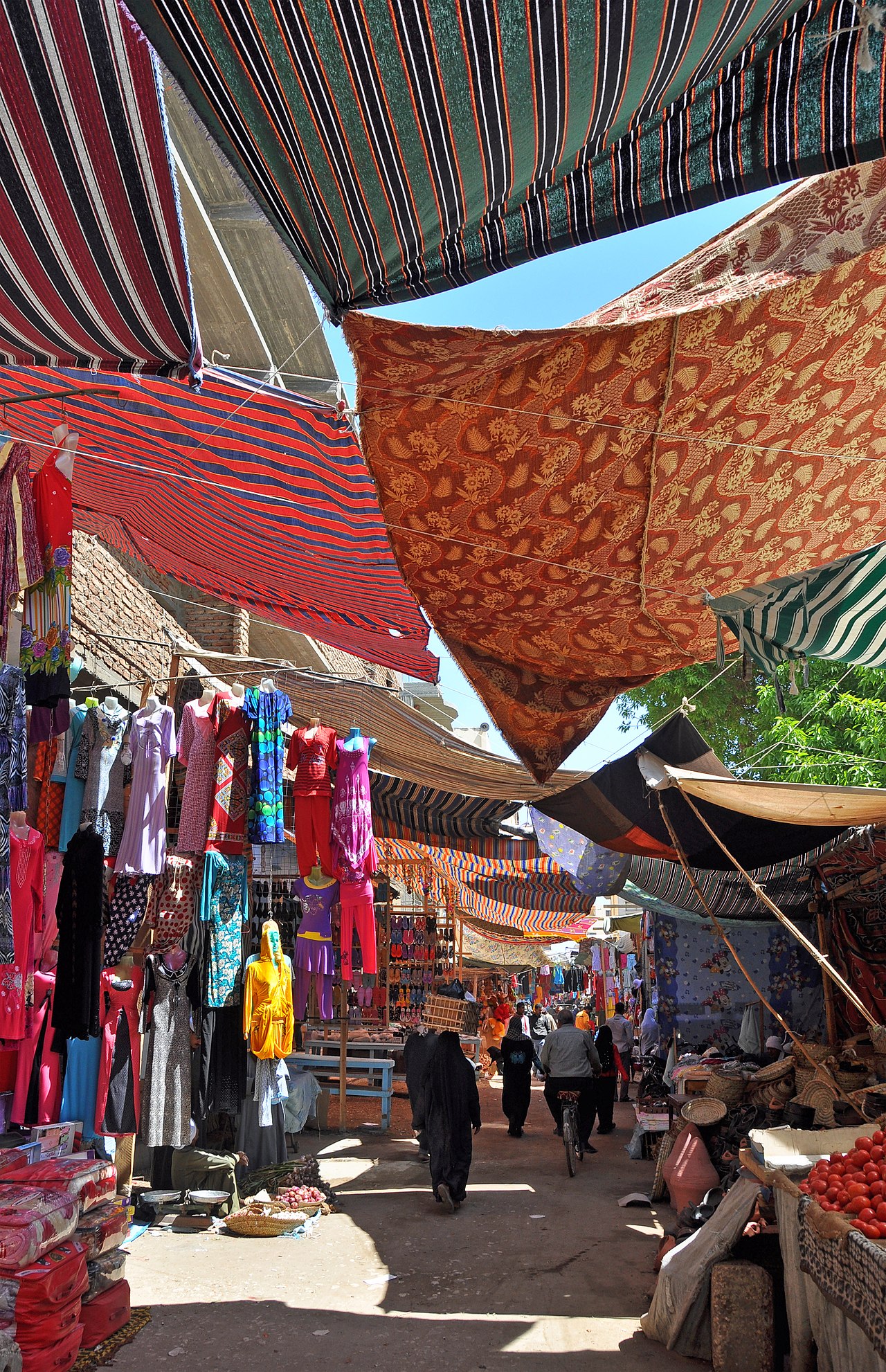

Ramadan 2027 Dates and the Islamic Calendar

Ramadan 2027 in Egypt is expected to begin on Monday, February 8, 2027 (February 8 or 9, depending on the moon sighting) and end around March 9, 2027. It is the 9th month of the lunar Islamic calendar, and the dates can vary from one year to the next depending on lunar observations.
| Event | Date in 2027 | Details |
|---|---|---|
| Start of Ramadan | February 8, 2027 (expected) | Officially begins after the lunar sighting (February 8 or 9) |
| Eid al-Fitr | March 9 or 10, 2027 (provisional) | Festival of Breaking the Fast; the government announces the official days off shortly before (in 2026 the public sector break ran from March 19 to 23) |
| Eid al-Adha | May 16-19, 2027 (provisional) | Festival of Sacrifice (about 2 months after Ramadan ends) |
| Longest fasting day | Last days of Ramadan (around March 8 or 9) | A fast of about 13 hours 15 minutes in Cairo from dawn to sunset, against about 12 hours 25 minutes on the first day |
Why the dates vary: The Islamic calendar is based on lunar cycles. In Egypt, Dar al-Ifta announces the start of Ramadan together with the National Research Institute of Astronomy and Geophysics: observation committees look for the new crescent on the evening of 29 Shaaban, and if it is not confirmed, Shaaban is completed as 30 days. The same procedure sets Eid al-Fitr, so keep your plans flexible by a day on either side.
What Is Ramadan? Understanding This Sacred Period
Ramadan is the ninth month of the lunar Islamic calendar and the most sacred period of the Muslim year. During these 29 or 30 days, practicing Muslims fast from dawn to sunset (from the Fajr call to prayer until the Maghrib call to prayer) as a sign of spiritual devotion, purification, and commemoration of the revelation of the Quran to the Prophet Muhammad.
Important information for tourists: Fasting during Ramadan is only required of Muslims. Foreign tourists are not expected to fast. That said, it is respectful not to eat, drink, or smoke openly in public in less touristy areas during fasting hours.
The pillars of Ramadan:
- Fasting (Sawm): Abstaining from food and drink from dawn to sunset
- Extra prayers (Taraweeh): Special nighttime prayers recited throughout Ramadan, held after the Isha prayer (around 7 p.m. in Cairo in February and March)
- Charity (Zakat): Sharing resources with those in need, a special time for almsgiving
- Reading the Quran: Heightened devotion to the sacred texts
- Iftar and Suhoor: Communal meals at sunset and before sunrise
For tourists, Ramadan is a unique opportunity to discover authentic Egypt, its spirituality, its hospitality, and its centuries-old traditions.
How Ramadan Affects Tourist Sites: Modified Hours
Opening hours of museums and archaeological sites can change during Ramadan. The hours for Ramadan 2027 have not been announced yet, so the table below shows them as to be confirmed: check the Ministry of Tourism and Antiquities website and the museum's own page shortly before your visit. Some sites shorten their hours during Ramadan (the Grand Egyptian Museum, for example, announced a 4 p.m. closing for Ramadan 2025), and the Usual Hours column is a guide only. Planning visits for the morning is sensible either way.
| Tourist Site / Museum | Usual Hours (check before you go) | Ramadan Hours 2027 | Travel Tip |
|---|---|---|---|
| Pyramids of Giza | 7 a.m. to 5 p.m., last entry 4 p.m. | To be confirmed | Arrive before 10 a.m. to avoid the heat |
| Grand Egyptian Museum (GEM) | 9 a.m.-5 p.m. | To be confirmed | Outside Ramadan the galleries open 9 a.m. to 6 p.m. (Wednesday and Saturday to 9 p.m.), last ticket 5 p.m. (8 p.m. on those days); tickets are sold on the museum's official ticketing site, where Ramadan hours should be checked |
| Karnak Temple (Luxor) | 6 a.m., last entry 4 p.m. | To be confirmed | Ideal in the morning with golden light |
| Valley of the Kings | 6 a.m.-5 p.m. | To be confirmed | Start at 6:30 a.m. for the morning cool |
| Egyptian Museum in Cairo | 9 a.m.-5 p.m. | To be confirmed | Very quiet in the morning, fewer tourists |
| Abu Simbel Temples | 6 a.m.-5 p.m. | To be confirmed | Combined visit with Aswan |
| Local museums (small) | 9 a.m.-5 p.m. | To be confirmed | Check ahead, some may close |
Planning tips for Ramadan:
- Start your visits as early as 7-8 a.m. to take advantage of full opening hours
- Sites are considerably less crowded before 11 a.m.
- Avoid the hot hours (noon-4 p.m.) for your health and comfort
- Plan your activities for 4-5 hours in the morning instead of 6-7 hours
- Book your guides and excursions at least 2 weeks in advance
Eating and Drinking During Ramadan in Egypt
A frequent question: "Can I eat and drink during Ramadan in Egypt?" Yes. Foreign tourists are not expected to fast. Hotels and many restaurants in tourist areas usually keep serving visitors during the day, while some local restaurants and shops close before iftar and reopen afterward, so availability varies by property and neighborhood.
Restaurants Open During Ramadan
International chain restaurants and hotel establishments stay open and serve tourists:
- 4 and 5-star hotels: All restaurant services and room service operational 24/7
- Chain restaurants: Hours vary by branch during Ramadan, so check before you go
- Tourist restaurants: Establishments near tourist areas (Khan el-Khalili, Giza) serve all day long
- Cafes and pastry shops: Many cafes open, espresso and sweets available
- Hotel room service: The most discreet and convenient option for meals
Authentic Egyptian Restaurants Open During the Day
Some traditional Egyptian restaurants also serve during the day, especially those frequented by tourists:
- Nile-view restaurants (Cairo): Restaurants overlooking the Nile, open during the day for tourists
- Dining near the museums: Cafes close to the GEM and the Egyptian Museum serve at lunchtime
- Restaurants in Luxor and Aswan: Many tourist establishments open for visitors
- Hurghada and seaside resorts: All hotel and resort restaurants open as usual
Etiquette and respect: Although you can eat during the day, it is respectful not to eat or drink visibly in residential neighborhoods or small, less touristy Egyptian villages during fasting hours (from dawn to sunset, roughly 5 a.m. to 6 p.m. in Cairo in February and March). In tourist areas and hotels, it is completely normal.
Typical Ramadan Foods
If you have the chance to share an Iftar meal, here are the traditional Egyptian culinary specialties:
| Dish | Description |
|---|---|
| Koshari | Egypt's national dish: pasta, rice, lentils, tomato sauce, and chickpeas |
| Falafel | Fried chickpea or fava bean balls, delicious at lunch |
| Konafa | Fine pastry filled with nuts or cheese, a Ramadan specialty |
| Tamiya | Egyptian falafel made from fava beans, perfect for breakfast |
| Basboosa | Coconut and sugar cake, a Ramadan treat |
| Sugarcane Juice | Sweet, hydrating drink, popular at Iftar |
| Dates | Traditional fruit for breaking the fast, rich in energy |
Culinary tip: Use this time to discover authentic Egyptian cuisine. The flavors are even more intense during Ramadan, and Egyptian hospitality is legendary.
The Magical Iftar Experience in Egypt
Iftar, the meal that breaks the fast at sunset, is one of the most magical and eagerly awaited moments in Egypt during Ramadan. It is far more than a simple meal; it is a social, family, and spiritual ritual deeply rooted in Egyptian culture.
The Atmosphere of Iftar
As soon as the muezzin calls the Adhan of Maghrib (the sunset call to prayer), Egyptian families gather around tables laden with food. The streets fill with a special energy, the tables are set, the lanterns are lit. For tourists, it is an authentic experience not to be missed.
Where to Share an Iftar in Egypt?
- 5-star hotels: They put on spectacular Iftar buffets with Ramadan decor
- Nile boats: Unforgettable experiences with a dinner cruise and a view of Cairo lit up
- Traditional restaurants: Such as the Nile-view spots, Sequoia, or the restaurants of Khan el-Khalili
- With a local family: If you have Egyptian contacts, an invitation to a family Iftar is an honor
Important tip: Iftar starts at the Maghrib call to prayer, which in Cairo falls at about 5:38 p.m. on February 8 and about 5:59 p.m. on March 9, so plan to be seated by then. Hotels and restaurants set their own iftar menus and prices, so ask before you book and reserve a table ahead.
Cairo Transformed: Ramadan in the Heart of Egypt
Cairo, the Egyptian capital with its 20 million inhabitants, becomes a completely different city during Ramadan. The streets light up, the atmosphere turns festive, and nightlife literally explodes.
How Cairo Transforms During Ramadan
| Aspect of the City | Before/Normal | During Ramadan |
|---|---|---|
| Store Hours | 9 a.m.-10 p.m. (normal) | Closed noon-6 p.m., then 6 p.m. until midnight or 1 a.m. |
| Restaurants and Cafes | Open day and night | Closed during the day, an explosion of life after 6 p.m. |
| Khan el-Khalili (Souk) | Normal crowds | Packed in the evening, a festive atmosphere with music |
| Road Traffic | Chaotic as always | Less traffic during the day (calmer), mega gridlock in the evening |
| Nightlife | Active until midnight | EXTREME: clubs, restaurants, terraces full until 3-4 a.m. |
| Decoration | Standard urban | Traditional lanterns, light garlands, festive decorations everywhere |
Essential Neighborhoods to Visit During Ramadan
Khan el-Khalili: The historic souk becomes magical with its decorative lanterns. Bargaining, shopping, sipping fresh mint tea in the little cafes.
Gezira (Island in the Nile): Quiet gardens during the day, lively terraces in the evening. Perfect for escaping the bustle of downtown.
Nile Corniche: Evening strolls with a view of the lit-up city. Many restaurants and cafes with spectacular views.
City of the Dead (Caliphs' Cemetery): Less crowded during Ramadan, ideal for authentic photos of the Islamic monuments.
Restaurants and Culinary Experiences in Cairo
- Nile-view dining (Corniche): Iconic restaurants overlooking the Nile, perfect for Iftar
- Sequoia (Zamalek): Luxurious terrace for an upscale experience
- Old Cairo: Authentic restaurants with a traditional ambiance
- Hotel Buffets: Many hotels in Cairo offer iftar and suhoor menus during Ramadan; ask your hotel what it serves and book ahead
- Street Food: Koshari, Ta'ameya, fresh sugarcane juice at local prices (20-50 EGP)
Traffic warning: Avoid driving or taking a taxi between 6 and 8 p.m. during Ramadan. The traffic jams are unbearable. Use Uber or walk if possible. Trips that normally take 15 minutes can take 1-2 hours.
Luxor and Aswan: Temples and Riverside Beauty
If you visit Upper Egypt (Luxor and Aswan) during Ramadan, you will discover a less touristy but equally magical region. These cities offer experiences different from Cairo.
Luxor During Ramadan
Luxor, built on ancient Thebes, is a must-see destination with its monumental temples. To make sure you do not miss a thing, discover our excursions to the temples of Luxor with an English-speaking guide.
- Karnak Temple: Ramadan 2027 hours to be confirmed. Visit at dawn (6:30 a.m.) for golden light and solitude
- Luxor Temple: Opens at 6 a.m. with last entry at 7 p.m. (Ramadan 2027 hours to be confirmed), so a late afternoon visit is possible when it is cooler
- Valley of the Kings: More than 60 tombs and chambers, of which only some are open at a time; a guide adds useful context (Ramadan 2027 hours to be confirmed)
- Temple of Deir el-Bahari: The mortuary temple of Hatshepsut, a spectacular site
- Luxor Museum: Impressive pharaonic collection with fewer tourists in the morning
Nile Cruise Between Luxor and Aswan
A Nile cruise during Ramadan is an unforgettable experience. You will sail between two of Egypt's most important destinations. In particular, we offer a Nile cruise combined with Cairo that fits perfectly with the rhythm of Ramadan.
| Feature | Details |
|---|---|
| Duration | 3-4 days and 2-3 nights (classic itinerary) |
| Comfort | Air-conditioned cabins with Nile views, pool, onboard entertainment |
| Sites Visited | Karnak Temple, Valley of the Kings, Edfu Temple, Kom Ombo Temple, Abu Simbel (optional) |
| Meals | All-inclusive with a special Iftar, varied buffets, a la carte restaurant |
| Price | Varies by ship category, season and cabin type; ask for a written quote |
Aswan: The Last City on the Nile
Aswan, in the far south of Egypt, is the gateway to Nubia. The city is less chaotic than Cairo and more relaxing.
- Elephantine Island and the Nubian Museum: Discover the unique Nubian culture
- Abu Simbel Temple: A colossal monument carved into the mountain, a combined visit with Aswan (day trip)
- Aswan Dams: Lake Nasser, felucca rides (traditional sailboat)
- Aswan Bazaar: More authentic and less touristy than Khan el-Khalili
- Felucca Ride at Sunset: The ultimate authentic experience - a traditional sail with a spectacular sunset
Special tip: A felucca ride at sunset in Aswan during Ramadan is magical. The orange clouds, the shimmering Nile, and the Maghrib call to prayer create an intense spiritual moment.
Hurghada and Seaside Resorts: Red Sea and Beaches
The Red Sea resorts (Hurghada, Sharm el-Sheikh, Marsa Alam) offer a radically different Ramadan experience. You can combine a cultural visit with seaside relaxation.
Hurghada: The Main Resort
- Beaches and Resorts: All hotels and resorts serve as normal (they are not affected by the local fast)
- Scuba Diving: Excellent during Ramadan because there are fewer tourists. Book 1-2 days in advance with PADI centers
- Snorkeling: Reefs accessible from the beach, tropical fish, colorful corals
- Water Sports: Kitesurfing, windsurfing, jet ski all operational
- Nightlife: Hotel bars and evening entertainment may change their hours or alcohol service during Ramadan, so ask your hotel what applies
Sharm el-Sheikh
More upscale, Sharm el-Sheikh draws tourists seeking luxury and premium diving.
- Diving at Ras Mohammed: An underwater national park with exceptional marine life
- Ultra All-Inclusive Resorts: Maximum luxury and comfort
- Beach Clubs: A cosmopolitan vibe with bar, restaurant, and sun loungers
- Bay Promenade: A picturesque path along the coast
Marsa Alam: The Quiet Alternative
Marsa Alam is less developed, more authentic, with wilder beaches.
- Deep Diving: Less crowded sites, seasonal hammerhead shark gatherings
- Secluded Beaches: Fewer tourists, a quieter atmosphere
- Desert Safari: Excursions into the Eastern Desert for wildlife and landscapes
- Eco-Lodge Resorts: More sustainable and authentic options
Practical tip: The seaside resorts are less affected by Ramadan. The all-inclusive resorts keep serving as normal, the beaches are just as beautiful, and you have the flexibility to combine beach and culture. For a beach stay in Hurghada or Marsa Alam, Ramadan has virtually no impact on your experience. It is an excellent strategy for traveling without the constraints of Ramadan while still respecting the local culture.
Transportation and Logistics: Getting Around Egypt During Ramadan
Getting around Egypt becomes more complex during Ramadan. Here are your options and recommendations for moving around efficiently.
Domestic Flights in Egypt
To travel between cities (Cairo-Luxor, Cairo-Aswan, Cairo-Hurghada), domestic flights are the fastest option.
- EgyptAir: The national carrier, reliable, with regular schedules
- Air Cairo: Egyptian budget airline, cheaper but basic
- Booking: Do it 1-2 weeks in advance for the best fares (300-600 EGP / $11-22)
- Duration: Cairo to Luxor about 1 hour 5 to 10 minutes, Cairo to Aswan about 1 hour 25 minutes; Cairo to Hurghada is also a short flight
Train
Egyptian trains are an "adventure" option with the advantage of seeing the Egyptian landscapes.
- Sleeping Train (Night): Cairo-Aswan with a private cabin and meals included
- Duration: 12 hours overnight, arriving fresh in the morning
- Comfort: Private with shower, air conditioning, personal attendant
- Price: 1,500-2,500 EGP per person in a double ($55-90)
- Booking: Book directly on Easytrain.com.eg or through travel agencies
Taxi and Uber
To get around the city, taxis (white ones) and Uber are the main options.
- Uber: Transparent fares, rated drivers. Safer than a white taxi
- Uber Fares: 30-100 EGP for short trips (1-5 km / about 0.6-3 miles)
- White Taxi: Cheaper (20-50 EGP) but negotiate the price BEFORE getting in
- Ramadan note: Avoid the 6-8 p.m. hours: massive traffic jams
Bus and Minibus
For long-distance trips, buses are economical but less comfortable.
- Go Bus, East Delta: The main bus companies, long-distance routes
- Comfort: Air-conditioned, onboard toilets, WiFi on main lines
- Routes: Cairo-Luxor: 8h | Cairo-Aswan: 14h | Cairo-Hurghada: 5h
- Price: 200-400 EGP for long trips ($7-15)
Nile Cruise
Already covered above, but it is both transportation and a tourist experience.
Logistics tip: For an optimal trip during Ramadan, combine a domestic flight + Nile cruise + beach stay. Example: Fly Cairo-Luxor, cruise 3 nights to Aswan, then bus or fly to Hurghada. This is the best way to cover most of the attractions.
10 Essential Practical Tips for Traveling to Egypt During Ramadan
- Adapt Your Pace: Life starts late. Sleep in a little more, do activities from 7-11 a.m., rest from noon-5 p.m., then go out after 7 p.m.
- Hydration: Even if you are not fasting, the hot climate demands plenty of water. Carry a bottle at all times.
- Respect the Culture: Do not eat visibly in the streets during fasting hours in non-tourist areas. It is simple and respectful.
- Book in Advance: Hotels, flights, cruises, Iftar restaurants. Ramadan is popular. Reserve 1-2 months ahead.
- Wear Covering Clothing: Long-sleeved shirts, long pants, or skirts below the knee. More respectful and more comfortable in the sun.
- Bring Basic Medications: Headaches, digestive issues, personal (prescribed) medications. Familiar American pharmacy brands are not available everywhere.
- Use Sunscreen: SPF 50+ is absolutely necessary. The Egyptian sun in February-March is intense.
- Master a Few Arabic Phrases: Hello (As-salaam alaikum), thank you (Shukran), please (Min fadlak/fadlik for a woman). It smooths interactions.
- Exchange Your Money Beforehand: Banks reduce their hours. Having Egyptian cash on hand makes things easier.
- Buy Travel Insurance: Covering medical repatriation, cancellation, personal belongings. It is crucial in Egypt.
Health and Safety During Ramadan in Egypt
Health and safety are tourists' main concerns. During Ramadan, there are a few specific precautions.
Health Tips
- Dehydration: The arid climate + intense sun = dehydration risk. Drink 3-4 liters of water daily
- Heatstroke: Avoid exposure noon-4 p.m. Symptoms include dizziness, confusion, dry skin
- Water and Food: Avoid tap water (drink bottled water). Eat at well-established, known restaurants
- Traveler's Diarrhea: Very common. Bring Imodium, rehydration salts. See a local pharmacist if severe
- Vaccines: A yellow fever certificate is required for travelers aged 9 months and older arriving from a country with yellow fever transmission risk (this includes several countries in Africa and South America, and layovers of more than 12 hours there); CDC states it is not required for travel directly from the United States, and it lists hepatitis A, hepatitis B and typhoid vaccination among its recommendations, so ask a travel clinic well before departure
- Pharmacies: Plenty of pharmacies in the city. Medications are cheap. Bring prescriptions in case of emergency
General Safety
- Safe Areas: Cairo (Zamalek, Maadi, New Cairo), Giza, Luxor, Hurghada, Aswan are touristy and generally safe
- Government advice: The US State Department rates Egypt at Level 2 (exercise increased caution) and advises not to travel to North and Middle Sinai, Egyptian border areas (military zones) and the Western Desert unless with a professionally licensed tour company, and the UK government advises against all or all but essential travel to parts of Egypt. Both warn that terrorist attacks could target places visited by foreigners, so read the current advice before you book
- Petty Crime: Pickpockets in souks, jostling. Keep valuables secure
- Fake Taxis: Use only Uber or official negotiated white taxis
- Women Travelers: Women traveling alone or in a small group should avoid non-tourist areas at night. Generally safe during the day
- Documents: Keep your passport, money, and credit cards in a security pouch, not in a backpack
Travel insurance: It is not an entry requirement for Egypt, but a policy that covers medical care, repatriation and cancellation is sensible. For official entry and safety guidance, check the US State Department and the US Embassy in Cairo before you depart.
Detailed Budget: How Much Does Ramadan in Egypt Cost?
A realistic budget helps with planning. Here is a breakdown for 2 weeks in Egypt during Ramadan.
Budget Per Day (in USD)
| Category | Budget | Notes |
|---|---|---|
| 3-Star Hotel | $45-65 | Double room, breakfast, WiFi |
| 4-Star Hotel | $85-130 | Tourist luxury, excellent service |
| Local Restaurant Meal | $5-16 | Koshari, falafel, Egyptian dishes |
| Tourist Restaurant Meal | $16-32 | International cuisine, good quality |
| Iftar Hotel Buffet | $22-55 | Special, abundant experience |
| Museum Entry | $11-22 | Grand Museum, Karnak Temple, etc. |
| Day Excursion | $32-65 | Guide, transport, sites |
| Nile Cruise (per day) | $65-130 | All-inclusive, luxury varies |
| Transportation (taxi, Uber, bus) | $11-22 | Varies by trip |
Total Budget for 2 Weeks (1 Person)
Budget-Friendly: $1,100-1,300 (3-star hotels, street food, public transport)
Comfortable Budget: $1,600-2,200 (4-star hotels, restaurants, partial cruise)
Luxury Budget: $2,700-4,300 (5-star resorts, full cruise, premium excursions)
Finance tip: Egypt's central bank moved to a flexible exchange rate in March 2024, so the official rate follows the market. Exchange money at banks, licensed exchange offices or ATMs, keep the receipts, and compare rates on the Central Bank of Egypt website. Banks may keep shorter hours in Ramadan.
Conclusion: Traveling to Egypt During Ramadan - A Unique Opportunity
Ramadan in Egypt is not a barrier to tourism - it is an exceptional opportunity for travelers to discover an authentic, deep side of Egypt. Yes, it is a great time to travel!
Evenings after iftar bring a lively atmosphere, with lanterns and decorations in many neighborhoods. Average daytime highs are about 20.5°C (69°F) in Cairo in February and 23.8°C (75°F) in March, and about 25.3°C (78°F) and 29.7°C (85°F) in Luxor, so pack for mild days and cooler evenings.
Whether you choose a transformed Cairo, the temples of Luxor and Aswan with a Nile cruise, or the relaxing beaches of the Red Sea, Ramadan 2027 (expected from around February 8 to March 9) is your window for an unforgettable Egyptian adventure.
The Key Takeaways:
- Adapt your pace to the local rhythm (morning activities, going out after 7 p.m.)
- Do not eat visibly during the fast in non-tourist areas
- Book flights, hotels, and cruises 1-2 months in advance
- Hydration and sunscreen are essential
- Iftar is an extraordinary human experience
- Less crowded sites = a better experience + photos
- Ideal temperatures for sightseeing
- An economical, accessible budget for American travelers
- Egyptian hospitality = legendary warmth and welcome
Ready to Travel During Ramadan in Egypt? Contact us for personalized advice and a tailor-made quote. Our English-speaking team knows every corner, every restaurant, every special Ramadan experience in Egypt. We plan the full itinerary with you: hotels, flights, cruises and excursions, with a written quote before any payment. Any conditions for changes are set out in that quote. Reach out to us today to discover authentic Egypt during Ramadan 2027.
Have a great trip and welcome to Egypt! The adventure awaits you...