
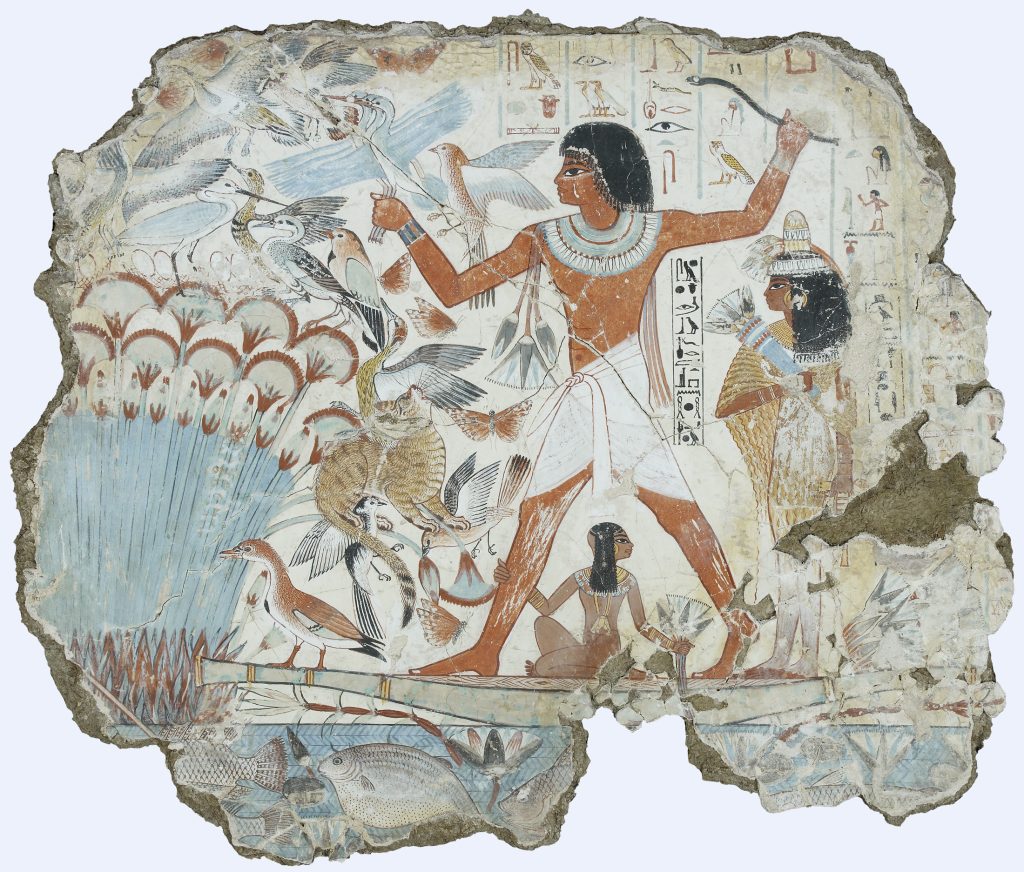
If you are planning a trip to Egypt and think the Valley of the Kings is your only option for seeing pharaonic tombs, I have to confess something to you. The most spectacular frescoes, the best preserved, the ones that truly show you how the ancient Egyptians lived? They are actually found a few miles to the east, in the Tombs of the Nobles in Luxor. And the best part? You will barely cross paths with two groups of tourists for every busload at the Valley of the Kings.
For years, travel guides have left these fascinating tombs in the shadows. What I am going to show you is why they truly deserve your attention. The colors, the details, the intimacy of these places - all of it completely changes your experience of Luxor.
Why the Tombs of the Nobles Outshine the Valley of the Kings
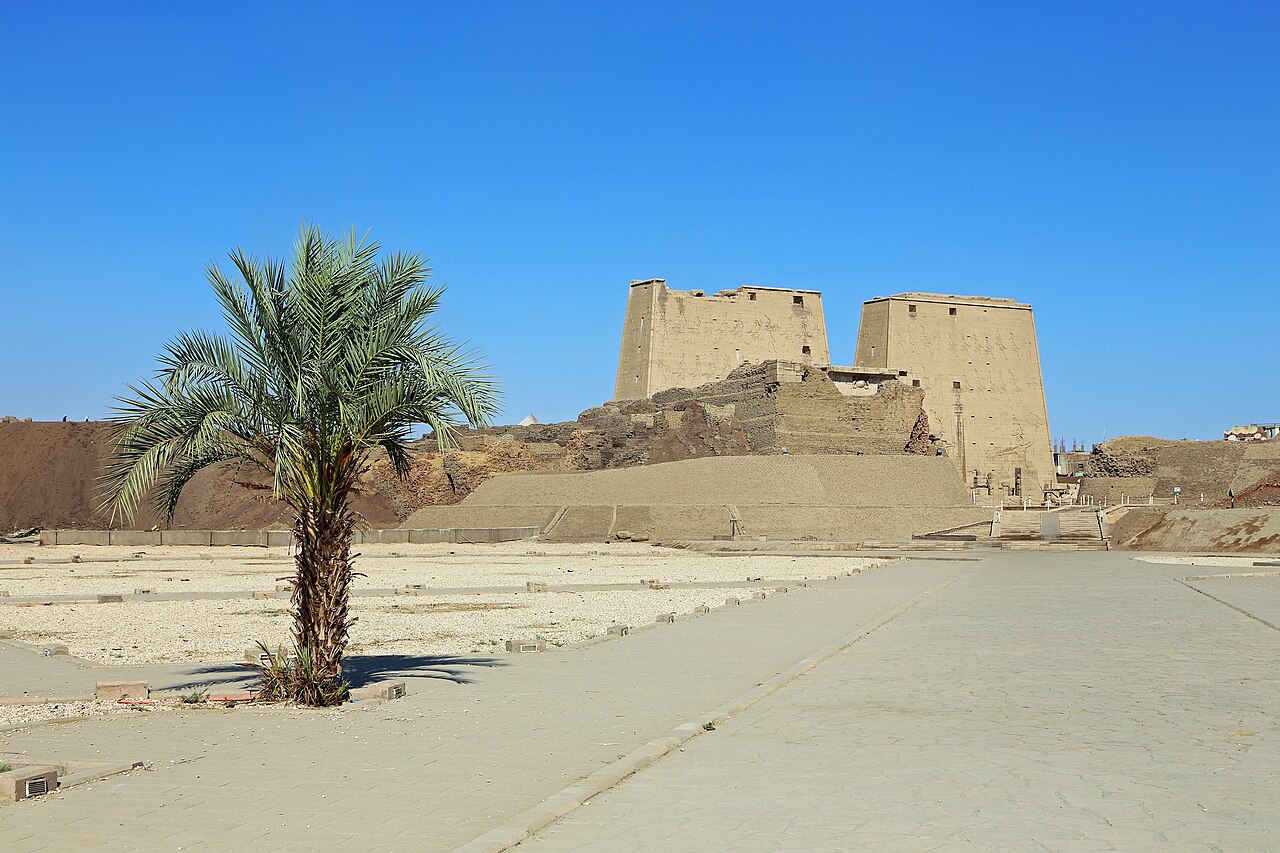
Before you get carried away with the Valley of the Kings (assuming you go at all), hear me out. The two sites are different. The Valley of the Kings is impressive, yes. But the royal tombs are often dark, the frescoes worn, and frankly, when you step into some of them, what you mostly see are bare walls.
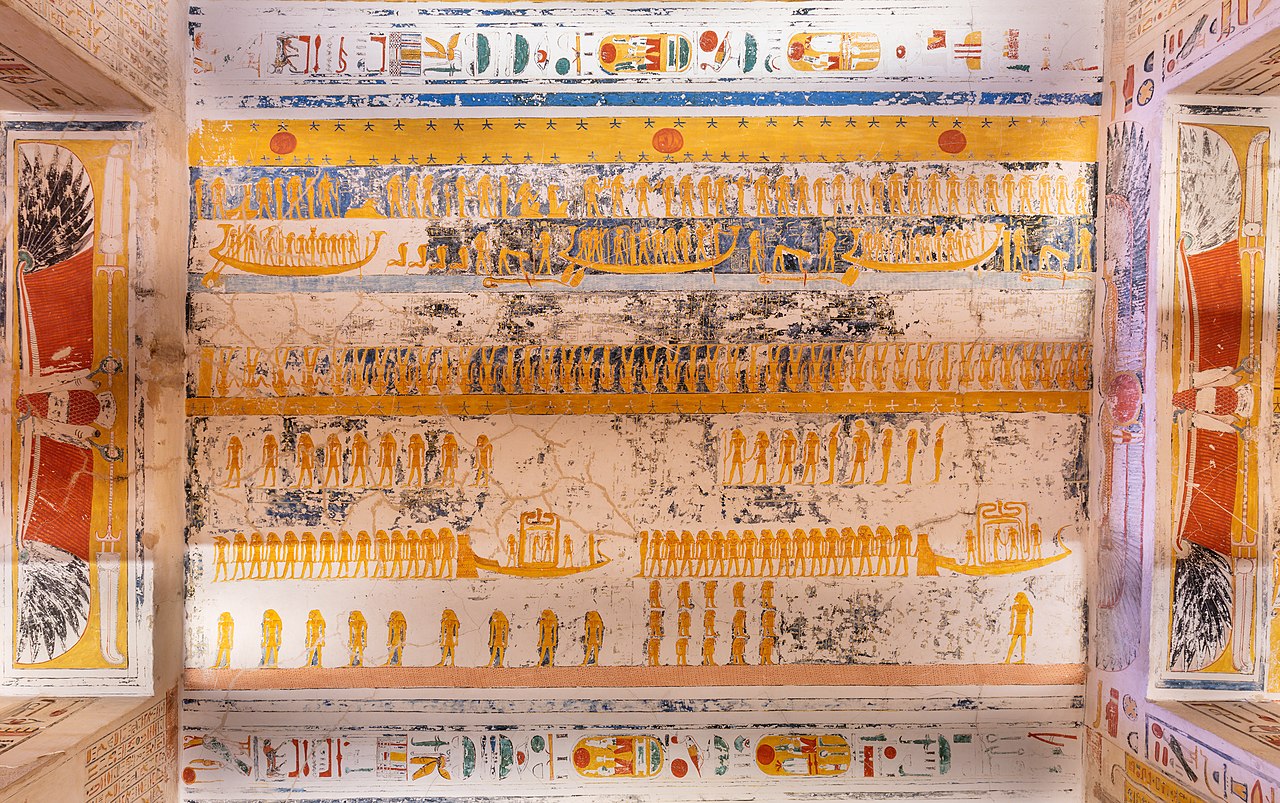
The Tombs of the Nobles? They tell stories. The colors of the frescoes - deep blues, vibrant reds, brilliant golds - are better preserved because the nobles did not have the same conservation budget as the kings, yet ironically, their smaller tombs suffered less from collapses and massive looting. The result: you actually see how the ancient Egyptians ate, danced, worked, and prayed.
The Key Contrast
At the Valley of the Kings, you see funerary rituals (pharaohs seated in judgment). At the Tombs of the Nobles, you see real life: grape-harvest scenes, banquets, scribes at their desks, children playing. It is the difference between a dead history textbook and a living journal.
And then there is the crowd. In high season, the Valley of the Kings literally welcomes thousands of visitors a day. The Tombs of the Nobles? You can take a quiet tour, hear the sounds of the desert, breathe. It is magical.
The Key Tombs You Absolutely Must Visit
You cannot see every tomb (there are more than 60). Here are the must-sees that truly give you the best of the experience:
1. Tomb of Nakht (TT52)
Nakht was an astronomer and scribe of the temple of Amun under the New Kingdom (18th Dynasty). His tomb is famous for its scenes of daily life - grape pickers gathering the harvest, dancers, musicians. The colors are incredible. The lapis-lazuli blue still glows. Nakht himself is shown with his wife in several scenes. It is one of the most visited (reason: it is spectacular) but it is worth every penny.
2. Tomb of Menna (TT69)
Menna was an overseer of the temple lands under Thutmose IV. His frescoes show scenes of surveying the fields, harvesting wheat, and hunting in the marshes. Very few tourists come here (it is almost a secret). The scenes are intimate, sometimes cheeky (certain hunting poses carry obvious Egyptian double meanings). The atmosphere feels almost familiar.
3. Tomb of Ramose (TT55)
Ramose was a vizier under Amenhotep III and Amenhotep IV (Akhenaten). His tomb is the transition point between the old and new artistic styles (Akhenaten revolutionized Egyptian art). You see two styles in the same tomb. It is fascinating from an artistic standpoint. And the tomb is extraordinarily well preserved.
4. Tomb of Sennefer - "The Tomb of the Vines" (TT96)
This is the one people adore. The ceiling is literally painted with trailing vines heavy with bunches of grapes. When you look up, you feel as if you are standing under an arbor. The colors vibrate. Sennefer was a mayor of Luxor. This tomb simply captures his personality - someone who loved life, wine, and vines. It is magnificent.
5. Tomb of Rekhmire (TT100)
Rekhmire was a vizier under Thutmose III and Amenhotep II. His tomb is large (there are more than 330 feet of frescoes). It shows the vizier in action: inspecting tributes from Asia, Nubia, and the Levant, supervising craftsmen, receiving foreign ambassadors. It is a visual documentary of what ancient Egyptian bureaucracy looked like. Incredibly rich in detail.
The Tomb Groups: Where to Go and What to Expect
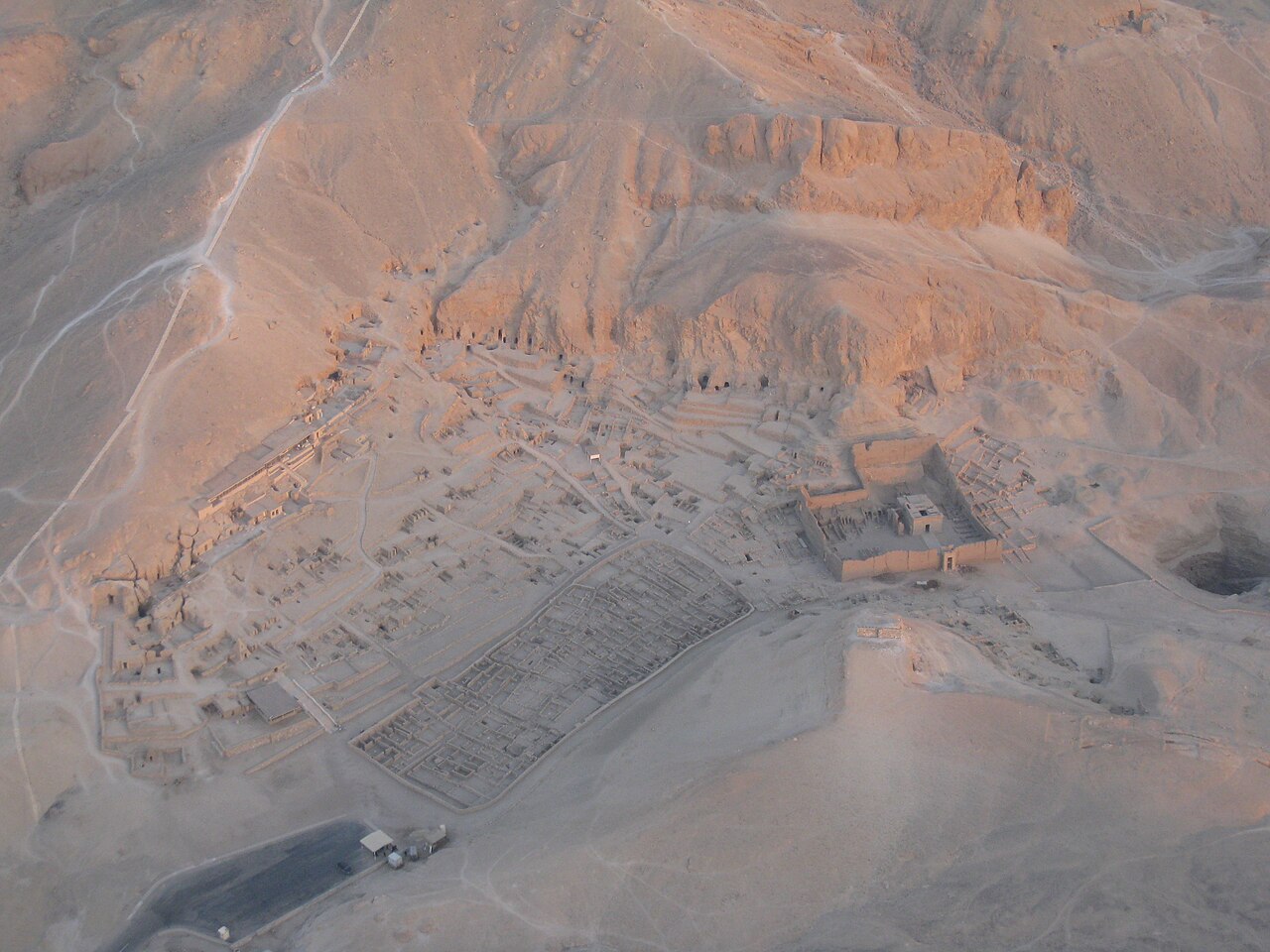
The Tombs of the Nobles in Luxor are divided into several groups, each on the west bank of the Nile, in different districts. Understanding the geography helps you plan your day without racing from one spot to the next.
Sheikh Abd el-Qurna
This is the largest and most accessible group. Around 40 tombs are here, on a hill overlooking Luxor. The best tombs on the list above (Nakht, Ramose, Sennefer, Menna) are here. You can spend an entire morning here without getting bored. Access is easy; there are stairs and paths.
Price: about $9 per person (group ticket). Some premium tombs (Nakht, Ramose) may carry a surcharge of $3 each.
Assasif
A little to the south of Sheikh Abd el-Qurna. Around 8 tombs, far less visited. The tomb of Khent-Amentiu-Sa and that of Kheruef (TT192) are spectacular but little known. You have a real chance to visit them alone or nearly so.
Price: about $6 per person.
Khokha
To the south, this is a small group of tombs from a slightly later period (late New Kingdom). Less touristy. The frescoes here are generally well preserved but less spectacular than Sheikh Abd el-Qurna. Good for travelers who want fewer crowds.
Price: about $6 per person.
Dra Abu el-Naga
The northernmost group. Tombs from the middle New Kingdom, some from the Middle Kingdom. Less freshness in the frescoes (more eroded) but a very authentic feel. Few other tourists. The guards are kind and relaxed. This is the Luxor of true explorers.
Price: about $6 per person.
Prices and Access Table 2026
| Tomb Group | Price per person | Number of tombs | Suggested duration |
|---|---|---|---|
| Sheikh Abd el-Qurna | $9 (+ $3 per premium tomb) | 40+ tombs | 3-4 hours |
| Assasif | $6 | 8 tombs | 1-1.5 hours |
| Khokha | $6 | 6 tombs | 1-1.5 hours |
| Dra Abu el-Naga | $6 | 5+ tombs | 1-2 hours |
Note: Prices are 2026 estimates based on Egyptian rates from 2024-2025. Tourist fees change; ask your hotel or guide to confirm. Children (under 12) often get a 50% discount.
Why the Absence of Tourists Changes Everything
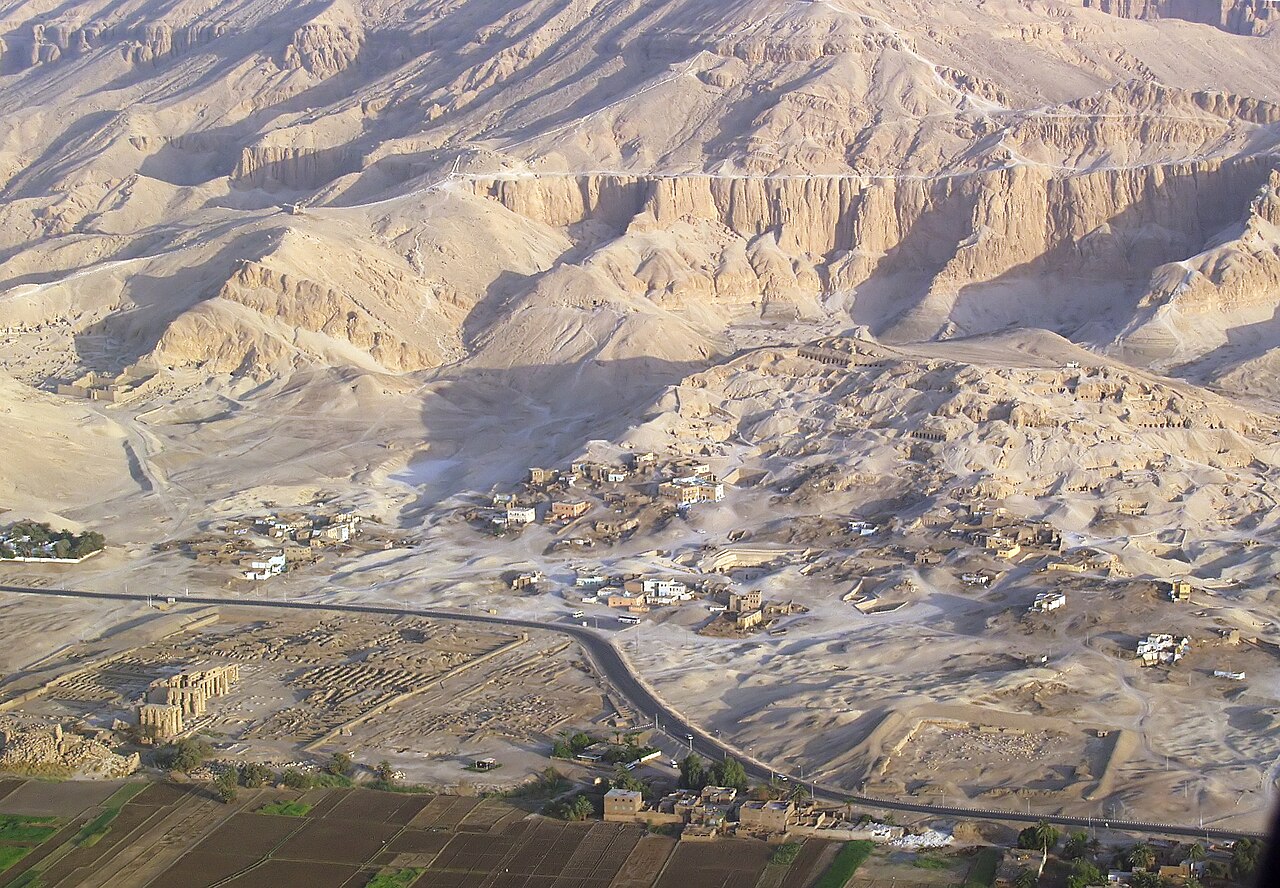
I am not going to dramatize. The difference in the visit between the Valley of the Kings and the Tombs of the Nobles comes mostly down to the crowd. At the Valley of the Kings, you are in a guided corridor, surrounded by other tourists taking photos from the same angle as you, at the same moment. It is a shared experience (and sometimes a stifling one).
At the Tombs of the Nobles, especially at Assasif or Khokha, you have truly solitary moments in front of a 3,500-year-old fresco. You hear your footsteps echo. You feel the warm desert air. You really reflect on who this person was, on their life, on their longing for immortality. It is different. It is deeper.
In high season, the Valley of the Kings can welcome 5,000-8,000 visitors a day. The Tombs of the Nobles receive 500-1,000. Do the math.
Combining It with the Rest of the West Bank
Luxor's West Bank offers far more than the tombs. If you are planning a full day (or two), here is how to organize it:
- Morning (6-9 AM): The Tombs of the Nobles - Sheikh Abd el-Qurna (avoid the midday heat)
- Late morning (9-11 AM): Temple of Deir el-Bahari (right below Sheikh Abd el-Qurna)
- Midday: Lunch at Luxor Village or at your hotel
- Afternoon (2-5 PM): Valley of the Kings OR a second group of noble tombs (Assasif/Khokha) + Temple of Karnak
- Sunset: Temple of Medinet Habu or a walk along the Nile
This assumes a fast pace. If you have 2-3 days in Luxor, relax, and linger longer at each site.
Itinerary Advice
If you have to choose between the Valley of the Kings and the Tombs of the Nobles, I recommend the Tombs of the Nobles. If you have the time (2-3 days in Luxor), do both. But if I had to sacrifice one site, it would be the Valley of the Kings. The Tombs of the Nobles give you a richer understanding of ancient Egyptian life.
Practical Information and Tips
Ideal Visiting Time
Arrive right at opening (6 AM). The tombs close at 4-5 PM. Before 9 AM, you will have the place to yourself. After 10 AM, the groups start arriving. And above all, the heat becomes intense after 11 AM.
Photography
The frescoes are gorgeous to photograph. The interior lighting is often limited (to protect the pigments), so bring a flashlight or a headlamp. No flash; it damages the frescoes. The poses for photos can take a while, but it is worth it.
Guide or No Guide?
A good local guide truly adds to the experience. They can give you context on each noble, explain the hieroglyphs, and point out the details you would have missed. Count on $27-43 for an English-speaking guide for 3-4 hours. Negotiable.
Clothing and Gear
- Light cotton clothing (this is the desert)
- A hat or cap
- Comfortable sandals (you will be walking)
- Plenty of water (1.5-2 liters per person)
- Sunscreen
- A flashlight
- A camera or smartphone with a full battery
Frequently Asked Questions
A: The main restrooms are at the site entrance (Sheikh Abd el-Qurna). They are basic but functional. Use them before you head up. Bring toilet paper and hand sanitizer.
A: October to April (Egyptian winter). November to February is ideal - not too hot, less rain. March-April starts to warm up. May-September is extremely hot; the tombs often close earlier. Check our guides on when to visit Egypt.
A: A minimum of 3 hours for Sheikh Abd el-Qurna (4-5 tombs) with a guide. A full day (4-5 hours) lets you cover 7-8 tombs and really soak up the atmosphere.
A: You can visit on your own (signage exists). But a guide adds an enormous amount. At the very least, buy a good printed guidebook (available at the entrance).
A: Budget estimate for one person: Sheikh Abd el-Qurna entry $9 + 2 premium entries $6 + guide $32 + lunch $11 + local transport $6 = about $64 ($52 without a guide). Excellent value for money.
A: Yes. Morning at the Tombs, afternoon at Deir el-Bahari or the Temple of Medinet Habu. You can even add the Valley of the Kings but it will be very packed. Better to spread it over 2 days.
The Counter-Intuitive Insight
Here is what few travel guides will tell you: the most impressive tombs of the ancient world are often not the largest. The kings built massive mausoleums (the pyramids, the Valley of the Kings) for eternity. But the nobles? They built intimate rooms filled with detail, life, and personality. The kings thought about the afterlife. The nobles thought about being remembered.
The result: the nobles' frescoes speak to you more. They are more human. And ironically, they survived better because the "success" of the kings - their grand tombs - drew the looters. The nobles had the luck of obscurity. Their historical obscurity became your chance to discover authentic ancient Egypt.
Planning Your Visit to the Tombs of the Nobles
To fit the Tombs of the Nobles into a broader trip to Luxor, see our complete Luxor guide. For more ambitious itineraries covering several sites, here are our resources:
- Detailed Luxor-Aswan itinerary - 3-7 days covering all the key points
- Nile cruises 2026 - Options with stops in Luxor
- Egypt travel budget 2026 - How much to plan for entries and guides
- Best photo spots in Egypt - The Tombs of the Nobles rank high on the list
- Egypt trip preparation checklist - What to pack
- Tour packages in Egypt - Packaged options including Luxor
- Shore excursions in Egypt - If you arrive by cruise ship
Need help organizing your visit?
Final Thought
The Tombs of the Nobles in Luxor are not a second choice. They are the opposite of the tourist cliche. They give you a visceral connection with ancient Egypt - a connection you will not find anywhere else. The frescoes speak to you. The details tell you stories. And the tranquility... well, tranquility has become rare in 2026.
If you have even one day in Luxor, give it to the Tombs of the Nobles. You will not regret it. And when you get home, you will have stories that the other visitors to the Valley of the Kings will never have.