
Hardly a week goes by without this landing in our inbox or during a live session. “We are set on Egypt, but our little one is only 18 months. Can it be done? Is it not a bit of a gamble?”
Our straightforward response: yes, it's not only doable, it's even easier than you think. We've seen it dozens of times. French families with children aged 2 months, 10 months, 2 years old who travel the Nile, visit the temples, have an aperitif at sunset while the baby sleeps in the hotel spring. No drama. Don't panic. On the contrary, it is often simpler than a trip to Southeast Asia thanks to the hotel infrastructure, the staff who are adorable with children, and the reasonable distances.
Below we set out the how, the where, the when, and what genuinely needs planning ahead. Short version: less than you might fear.
YES, it is doable. Here's why.
Related Resources: family trip with children | preparation for the trip | health in Egypt | Egypt travel budget
Before the practical details, let's talk frankly. Egypt is not Southeast Asia. The hotels are modern, the pharmacies understand the demand of tourists, and above all - Egyptians LOVE babies. We're not kidding. A blond or red baby in Egypt is almost a local celebrity. The hotel staff will bring you hot milk without you asking. The guides will offer you suitable routes without complaining. The women in the souk will smile at you and say “ That's a happy baby ».
Worth knowing: Parents who take a baby to Egypt tell us it felt calmer than hopping around Southeast Asia. Why? Reliable infrastructure, 4-5 star hotels geared up for infants, direct flights from London, and a culture built around family.
Make no mistake, it remains a holiday with a very small person in tow: expect pauses, changes of plan, and afternoons when the baby naps rather than gazes at the pyramids. That is simply the shape of it. Nothing dramatic, though, and nothing to put you off provided you are prepared.
The best season to travel with baby in Egypt

November to March: the ideal window.
Forget summer (June-August). Temperatures exceed 40°C, the air is dry and stuffy, and a baby in sweaty pajamas all night is no fun. sites like the Valley of the Kings are closed during the hot hours (usually 12 p.m.-4 p.m.), which kills the pace.
November to March? This is the sweet spot.
- Daytime temperatures: 22-28°C (ideal for baby in diaper and tank top)
- Night temperatures: 10-15°C (bring a small fleece)
- Humidity: Low. Baby perspires less. You sleep better.
- Nile Cruises: Maximum availability and stable prices
- Visit to the sites: In the morning we go there without worry. No racing against the heat.
Advice from the ground: January and February are the months we recommend first. Pleasant weather, nothing like the summer heat, and it all falls before the Easter holidays rush. Cost: roughly £1,690-£2,150 for a 5-night cruise in a double cabin covering 2 adults + 1 child (September 2025 pricing). Expect January to run 10-15% above November.
Why a Nile cruise suits travel with an infant
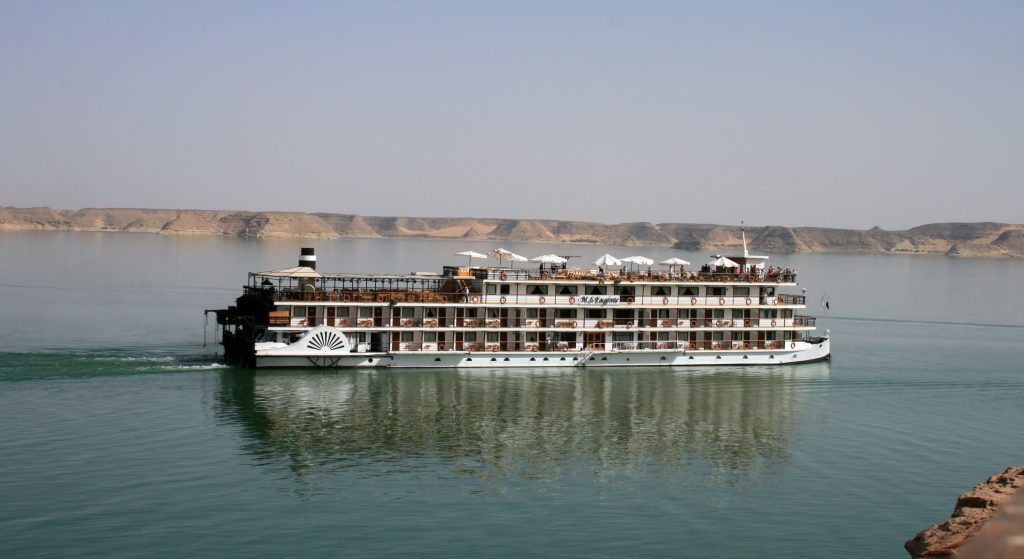
Take away one point only: a Nile cruise is the itinerary best suited to a baby. Our reasoning follows.
It's a hotel that moves
Your child settles into one bed for the whole stay. Nappies, clothes and kit stay put. There is no packing and repacking three times over. No squeezing into a car for 400 km of dusty tarmac. The vessel barely moves (truly). And the crew know exactly what to do with small children.
The rhythm is gentle
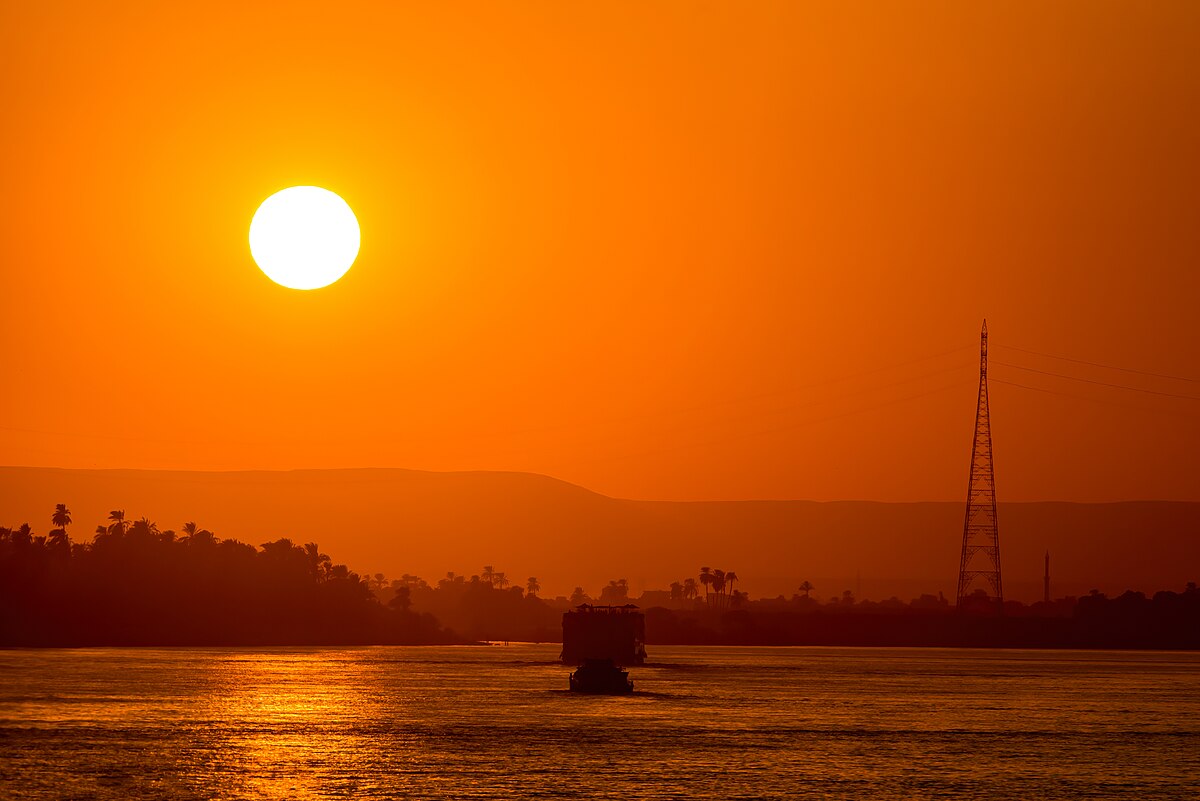
You get up around 8 a.m. (not 5 a.m. to see the sunrise at the pyramids). A site in the morning, lunch break on the boat, nap while baby sleeps, small quiet site in the afternoon, sunset on the deck holding baby on your hip. It's tourism at the speed of an 18-month-old baby: slow, rich, without urgency.
Toilets and hot water are never lacking
Diaper change on board. Hot water to wash the small pots. Air conditioning if baby is too hot. No worries about finding clean toilets en route.
Not what you would expect: Four or five nights afloat prove less demanding than a fortnight of Cairo-Luxor-Aswan by road. Far fewer kilometres, better rest, a crew looking after you, and no jolting over rough roads for the baby (a 4x4 does not solve that).
Check out our complete guide to the Nile cruise 2026 for the best companies and cabins with nurseries (Oberoi, Accor, and some small private operators offer baby beds).
Adapted accommodation: where to stay with baby
Three main options.
Option 1: 5 stars with nursery (ideal)
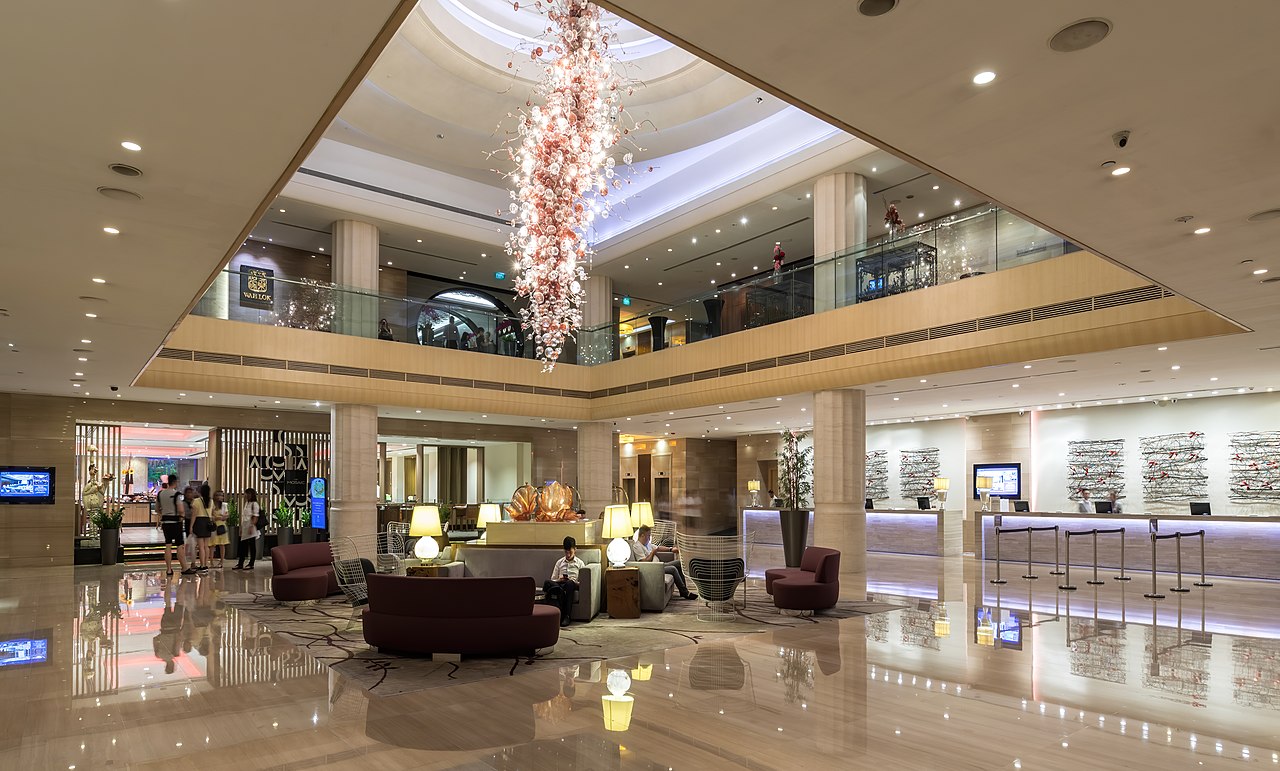
Four Seasons Nile (Nil cruise), Ritz-Carlton, Mena House at Giza. Properties of this calibre provide:
- Baby beds and playpen
- Vetted babysitters on request (for a rare evening to yourselves)
- Well-stocked mini-bar (baby food, sterilized water)
- Bilingual staff who understands your requests
- Adapted breakfast (purées, flakes, hot milk)
Cost: £140-£270/night (double room, baby free).
Option 2: A Hurghada or Sharm El-Sheikh resort (sensible middle ground)
Have you heard of Hurghada ? It is the flagship destination for families. For what ? Beach nearby, calm sea, huge hotels with multiple swimming pools, entertainment for children (so parents have time). Baby can stay at the swimming pool with deck chairs in the shade. You don't have to visit the temples of Aswan urgently.
Cost: £60-£120/night for a 4 star.
Option 3: Small charming hotels (less recommended with toddlers)
Charming. Expensive in logistical effort. A steep staircase, no elevator, a mini shower, and baby sleeps on a floating mattress. Skip this option if this is your first trip with baby.
For where to stay, see our full guide to hotels across Egypt.
Feeding and formula: what to pack, what you can buy locally

Few topics worry parents more. It is simpler than it looks.
Powdered milk
Available in Egypt (brands: Nido, Similac, Aptamil). But honestly, bring what baby usually drinks. For what ? Baby knows the taste, his intestines are used to it, and toddlers who change milk often have changing stools (which you don't need while traveling). Bring 70-80% of what you plan, buy the rest at the hotel if necessary.
Tip: Pharmacies in Cairo and Luxor offer French milk (Gallia, Novalac) for Euro families. It's more expensive, but it exists. Call your hotel first to check.
Small pots and purees
Less common than in France. The Egyptians make homemade purees (good for babies, but not what we know). Solution: bring your little Blédina or Babybio pots for 50% of meals. The other half, explore restaurants (many make suitable vegetable-chicken purees if you asked the chef nicely).
Baby water and milk
In 4-5 star hotels the tap water passes microbiological standards, though it can unsettle a delicate stomach. The fix: pick up large bottles of mineral water from the hotel. Boiled water for feeds is never a problem to come by (a simple “Hot water for the baby” does the trick).
Other essentials
- Layers: Everywhere in Egypt (Pampers, Huggies, local brands). Price 50% more expensive than in France. Bring a box for the first week.
- Wipes: Common. Buy on site.
- Cleansing milk: Less available. Bring your usual.
- Bottles: Common replacement breast shields (Tommee Tippee). No worries.
Want the full picture on health? Read our health guide for travelling to Egypt.
Health, pharmacy and sun protection
A key point with babies.
Paracetamol baby and ibuprofen
Available in pharmacies. Brands: Panadol (paracetamol), Brufen (ibuprofen). Children’s dosages exist. But bring your usual (Doliprane, Advil children) to avoid dosage confusion.
Sun protection: SPF 50+ required
Baby's skin burns in 10-15 minutes in Egypt. No, not a joke. SPF 50+ all over (face, neck, hands, feet). Bring your usual brand (Mustela, Bioderma, Avène) because local brands are less reliable. Application every 2 hours and after the swimming pool.
Non-negotiable: A peaked cap or bucket hat plus sunglasses for any baby aged 6 months and over. You may feel it is overkill, yet Egyptian parents do exactly the same with their own children. Sunburn on a 2 year old is a serious matter.
Traveler's diarrhea
Rare in breastfed babies. Possible in babies on powdered milk or solid foods. Causes: water, dietary change, heat. Bring rehydration sachets (Adiaril, Gastrolyte). Hydrate regularly. If it persists for 24 hours, call your repatriation insurance.
Ear infections and colds
Long flight + change in pressure + air conditioning = possible ear infections in children. Nasal decongestant (Stérimar baby) and antihistamine for children (Polaramine). To have.
Insurance and repatriation
Mandatory. “Worldwide” travel insurance with repatriation (Allianz, ACS, April) includes children. Cost: £30-£60 for two weeks. It seems superfluous. This is not the case.
Flight with baby: takeoff, landing, and 5:30 hours locked up
One of the major stresses of parents. Let's decode this.
Before takeoff
EgyptAir, the national carrier, provides bassinets for infants up to 6 months, booked at least 24 hours ahead. An ordinary cabin, low fares, a perfectly decent cot. An 18 month old, however, will end up dozing on your chest.
Travelling as a couple with one child? Request a coupe seat (a window plus two seats opposite you). The supplement is £150, and you will not regret it.
Takeoff and landing
Bottle or feeding during the rise and fall. Pressure variations create auricular imbalances. If baby has something in his mouth (milk, pacifier), it provides relief. Takeoff at 6 a.m. from Paris, baby goes back to sleep peacefully. Landing at 4 p.m. in Cairo, he eats a mash on the way down. Perfect.
During the flight
- Clothing: Diaper + body + light pants. Airplanes = intense air conditioning.
- Entertainment: None. Let baby sleep. If baby is bored (impossible, he sleeps 4.5 hours of the flight), a new toy (small car, fabric book) is enough.
- Langer: Toilets a bit narrow, but doable. Bring a folding changing mat. Diapers on board (ask the stewardess).
- Water: Say “water for the baby” the hostess brings. Free.
Stroller vs. baby carrier: the real dilemma
We tell you frankly: forget the stroller for Egypt. Here's why.
Stroller: disadvantages
- Stairs everywhere (temples, museums, souks)
- Uneven paved roads
- No space in minibuses (transporters forget about disabled access)
- Theft = additional hassle
Baby carrier: absolute advantages
- Hands free for climbing (temples) / taking photos
- Your little one watches, senses, and drifts off against your chest
- Minimal kit: a good sling or carrier (Ergobaby, LILLEbaby) weighs about 500g
- Guides appreciate it too: steps become simple, no pushchair to wrestle with
Our choice: An Ergobaby Omni 360 baby carrier (£120, reusable for other trips) + a lightweight mini-stroller for rest (long car journeys, tiring landing). The mini-stroller: 2 kg, folds like an umbrella.
Adapted itinerary: fewer sites, more breaks
The classic tour “Cairo 2d - Luxor 3d - Aswan 3d” works with a baby. Here's how to adjust it.
Day 1-2: Cairo (one day is enough)
- Morning: the Egyptian Museum (an hour at most, baby dozing in the carrier)
- Midday: a leisurely lunch at the Nile Hilton, river views included
- Afternoon: Souk Khan El-Khalili (baby loves colors, sounds, smells)
- Evening: Hotel. Rest. Light dinner.
No pyramids yet? Correct, they can wait until day 2. Recovery comes first.
Day 3-4: Giza (pyramids, Sphinx)
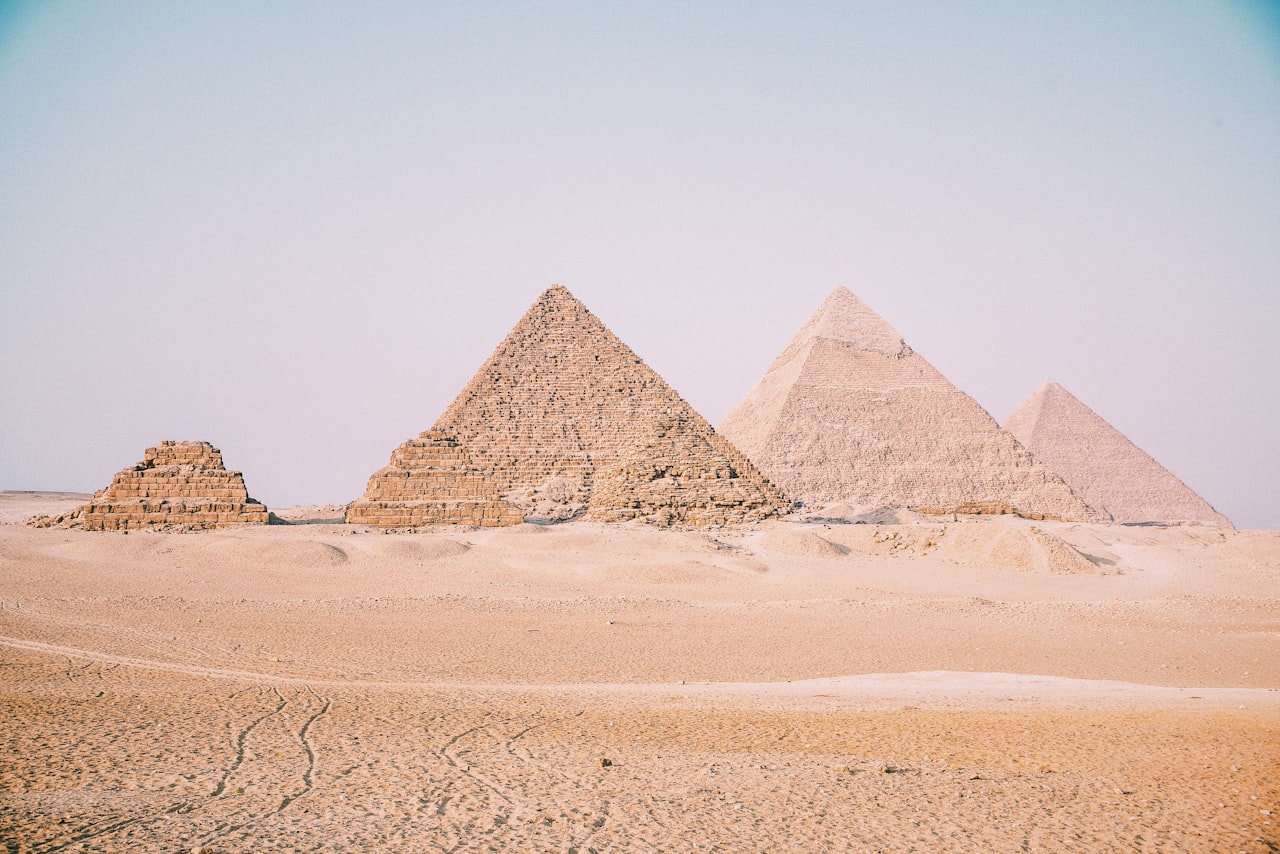
- First thing (7am): pyramids, before crowds and heat. Carrier on. 2 hours at most.
- Return to hotel for baby nap
- Towards evening: the Sphinx as the light turns golden. A simple, lovely photo.
Day 5+: Nile Cruise Luxor-Aswan (the real pleasure)
Embark at 4pm. Baby nods off on a sun lounger while you enjoy a drink. The following morning brings Luxor (gentle), then Karnak the day after, then the Valley of the Kings (brief, undemanding). The pattern continues down to Aswan.
After a day-by-day framework? Our full guide to family travel in Egypt sets one out.
What to ABSOLUTELY avoid with baby
Valley of the Kings in summer (June-August)
Sites closed 12 p.m.-4 p.m. due to heat. You are required to visit before 10 a.m. (baby is sleeping) or after 4 p.m. (baby is grumpy). It's the curse.
Long minibus journeys (300+ km)
Skipping the cruise? Then steer clear of the overnight Cairo-Aswan run (12 hours on the road). Split it across two days with a night in Luxor; an infant needs a proper stop every 3-4 hours.
Intense climbs (Jebel Barkal, Abu Simbel temple uphill)
Abu Simbel works fine: level ground (a few adjustments), nothing to scramble up. Rugged sites like Jebel Barkal? Leave those until the child is 4-5.
Late restaurant meal (after 9 p.m.)
Bedtime is 8pm, so dine early. Waiting for the hotel restaurant's 8pm-9pm sitting means the evening is already lost.
Egyptians love babies (really)
Here is a bonus few anticipate, whether in Cairo, in Luxor, in the souk, aboard the boat or at the restaurant.
Typical scenes:
- A guide catches your eye: “How old is he? What a contented little chap.” (and means every word)
- A woman in the souk asks if she can hold baby (honestly, it's nice if we accept)
- The boat staff offers you hot milk “for the little ones”
- The waiter appears with a high chair before you have even thought to ask
Egyptian culture values childhood. Families are big. Babies are welcome. It's a change from South-East Asia where Western children are sometimes viewed with a certain suspicion. In Egypt, you are the happy family. It's beautiful.
The big takeaway: Egypt with a baby is SIMPLER than Thailand, Vietnam or Cambodia. Better hotels, staff who adore small children, and none of the serious food-hygiene worries. If nerves were holding you back, let them go.
What a family of 2 adults + 1 baby should budget in 2026
- Domestic flights in Egypt (included in our services): Cairo-Aswan, Aswan-Luxor, Cairo-Sharm el-Sheikh, Aswan-Abu Simbel - we orchestrate all your domestic flights to connect the wonders of the country effortlessly (your flight to Egypt remains at your expense)
- 5-night cruise (double cabin): £1,690-£2,150
- Cairo Hotel (3 nights): £380-£690
- Average meals/day: £30-£50 (cheap local food, hotel restaurants a little expensive)
- Guided tours: £230-£380 (cruise usually included)
- Repatriation insurance: £40-£60
- Baby food, diapers (partially purchased on site): £120-£190
Estimated total: £3,850-£5,000 for 12-14 days. (More expensive if you choose 5-star luxury; cheaper if economy cruise).
Our full 2026 budget breakdown goes into far greater detail.
The best packages suitable for families with babies
Prefer not to piece the route together yourself? A number of specialist packages can be tweaked for families. Look for “Nil family circuits” or simply ask your agency about a “baby-friendly programme”.
Checklist before leaving with baby to Egypt
Print and put in your suitcase.
- Baby passport (validity date minimum 6 months after return)
- Travel insurance with repatriation
- Usual powdered milk (70% of estimated need)
- Portable breakfast (flakes, gluten-free cereals, purees)
- Baby cleansing milk + diapers (box for first week)
- Paracetamol baby + disinfectant + dressings
- SPF 50+ baby (for 2 weeks)
- Child antihistamine + nasal decongestant
- Rehydration sachets (Adiaril)
- Ergonomic baby carrier + mini stroller
- Hat + sunglasses
- Pediatrician's prescription (documents in English)
- Insurance and French embassy contact details in Cairo
- Birth certificate (can be requested at customs)
6 Frequently Asked Questions (FAQ)
Our final advice
Traveling to Egypt with a 0-3 year old baby is not an unreasonable challenge. It's a different journey (less miles, more breaks, flexible itinerary), but it's a real journey. You will see the pyramids. You will sail the Nile. You will smile when Egyptians adore baby. And baby will keep motor memories (colors, noises, sensations) which will come to the surface later.
Above all, taking a baby to Egypt affirms that traveling does not stop when you become a parent. It’s changing, that’s for sure. But it continues. And in Egypt, it's even simplified.
Do you still have questions? We'll answer you.
Contact us directly on WhatsApp. Response in less than 2 hours, without obligation. 100% French, 100% experts.
Let's plan your trip (WhatsApp)
Other useful guides for your trip
- Complete checklist: Preparing for your trip to Egypt
- When to go to Egypt? Best season 2026
- Travel health Egypt: pharmacy, vaccines, hygiene
- Family trip to Egypt: child-friendly itineraries
- Nile Cruise 2026: Best companies and prices
- Hurghada and Red Sea: complete guide to beaches & resorts
- Accommodation Egypt: 4-5 star hotels, hostels, riads
- Tourist packages in Egypt: turnkey tours
Last update: March 2026. Estimated rates based on April 2025 data. Airline and hotel prices fluctuate.
Author: Sem Elegant Voyage team - Egypt specialists since 2015.
Also read