
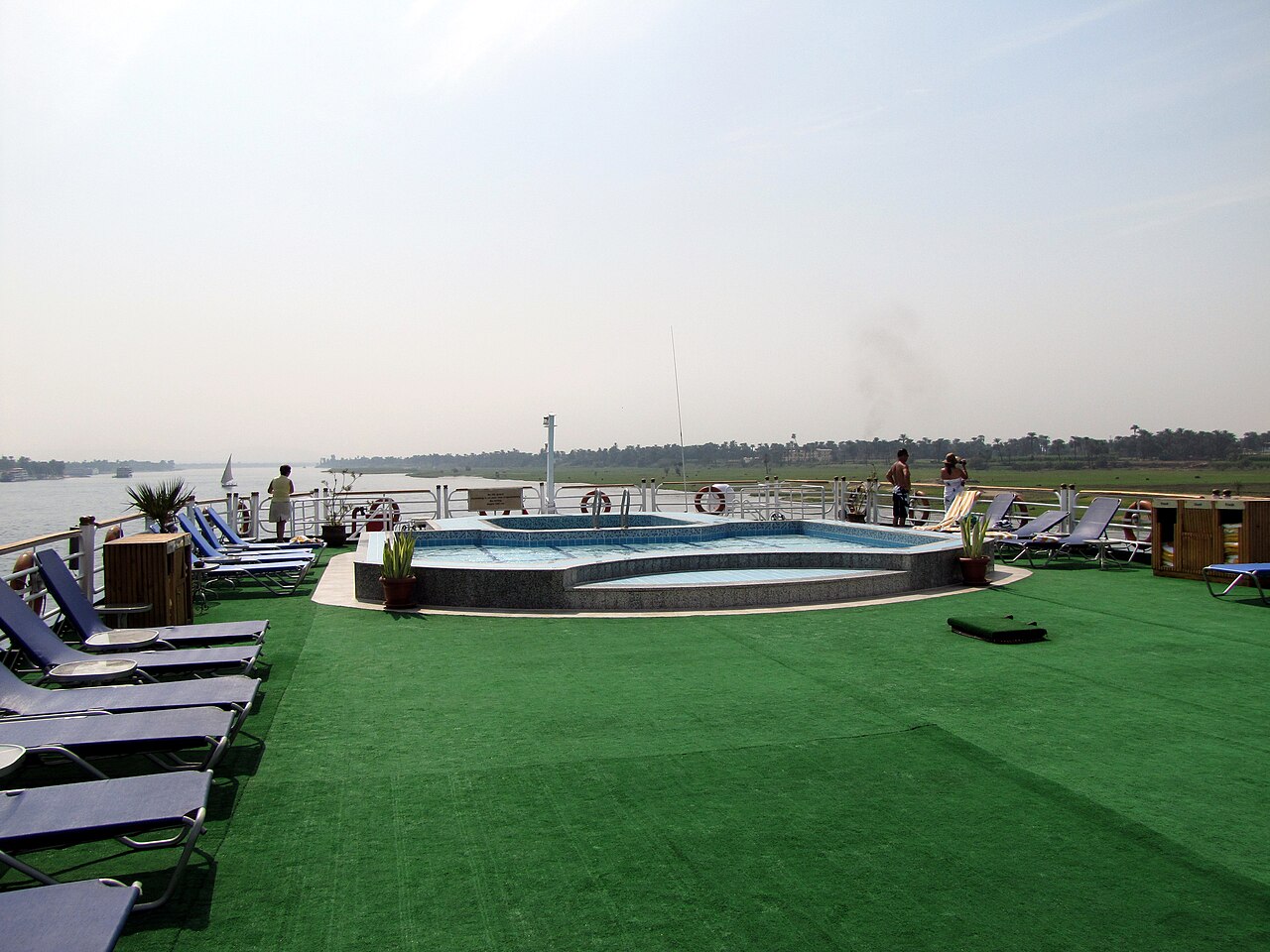
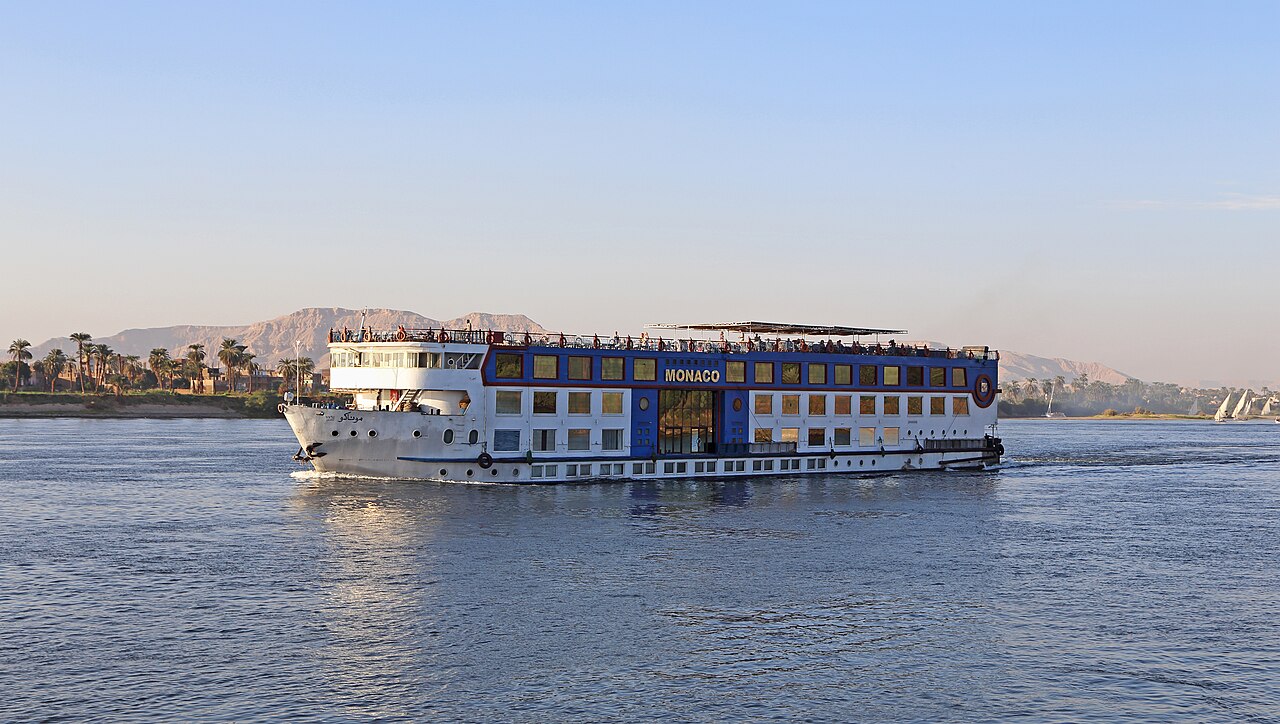
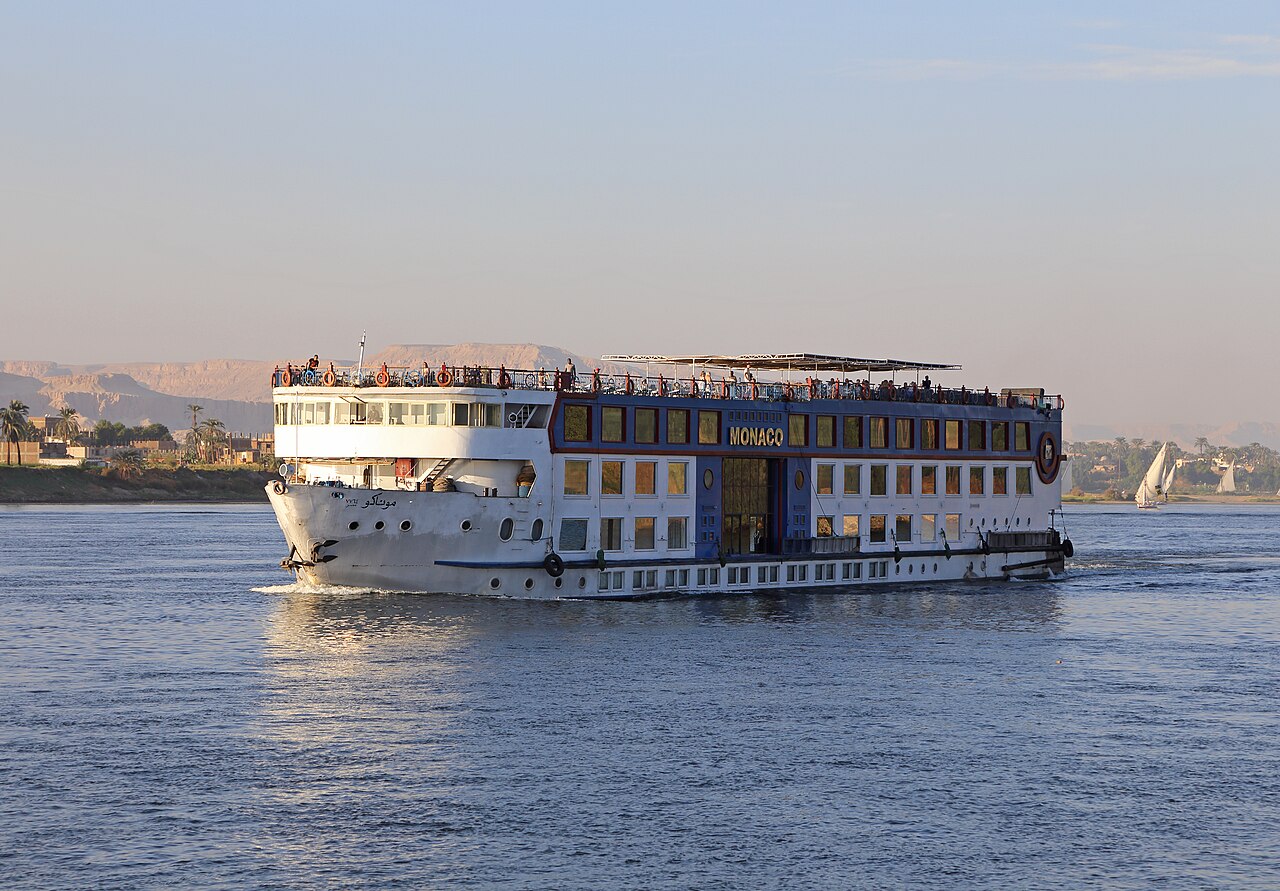
This is the format our clients ask for most often on a Nile cruise. Expect between 22 and 66 cabins, a pool on the sun deck, an à la carte dining room, bar, spa and entertainment after dinner. In 2026 the Sonesta Star Goddess, the Mövenpick MS Royal Lily, the Oberoi Philae and the Steigenberger Royale rank among the finest 5★ ships on the river. Cabins have a private balcony and river views; junior suites run to 28-35 m². Full board is standard, with drinks sometimes included.
Best suited to: a first visit to Egypt, families with teenagers, anyone who values comfort and on-board entertainment, and escorted group cruising. Passengers: from 44 to 132, depending on the ship.
For authenticity nothing beats a dahabiya cruise on the Nile: a traditional sailing vessel of 6 to 12 cabins, engine-assisted, carrying no more than 12 to 24 guests, with a private-club feel. It moors in inlets the big ships cannot reach. The benchmarks: Aida Dahabiya, Adeena, Nebyt, Sonesta Amirat Dahabeya. Most sail Esna to Aswan over 5-7 days, away from the main tourist traffic.
Best suited to: honeymooners, couples, photographers, people who prize the genuine article and anyone allergic to crowds. Passengers: never more than 12-24. Pricier per square metre, but nothing else comes close.
A Lake Nasser cruise between Aswan and Abu Simbel is the upmarket alternative. It lasts just 3 or 4 nights, yet it brings you straight to the temples rescued from the rising water: Kalabsha, Wadi es-Seboua, Amada, Maharraqa and, naturally, the twin temples of Abu Simbel. Only two vessels work the lake, Eugenie and Kasr Ibrim, both with a Belle Époque air about them.
Best suited to: a return trip once you have done the standard Nile cruise, well-read travellers after exclusivity (so few boats that it feels almost private), and committed Egyptology fans. Can be paired with a classic Nile sailing for a full 12-14 day holiday.
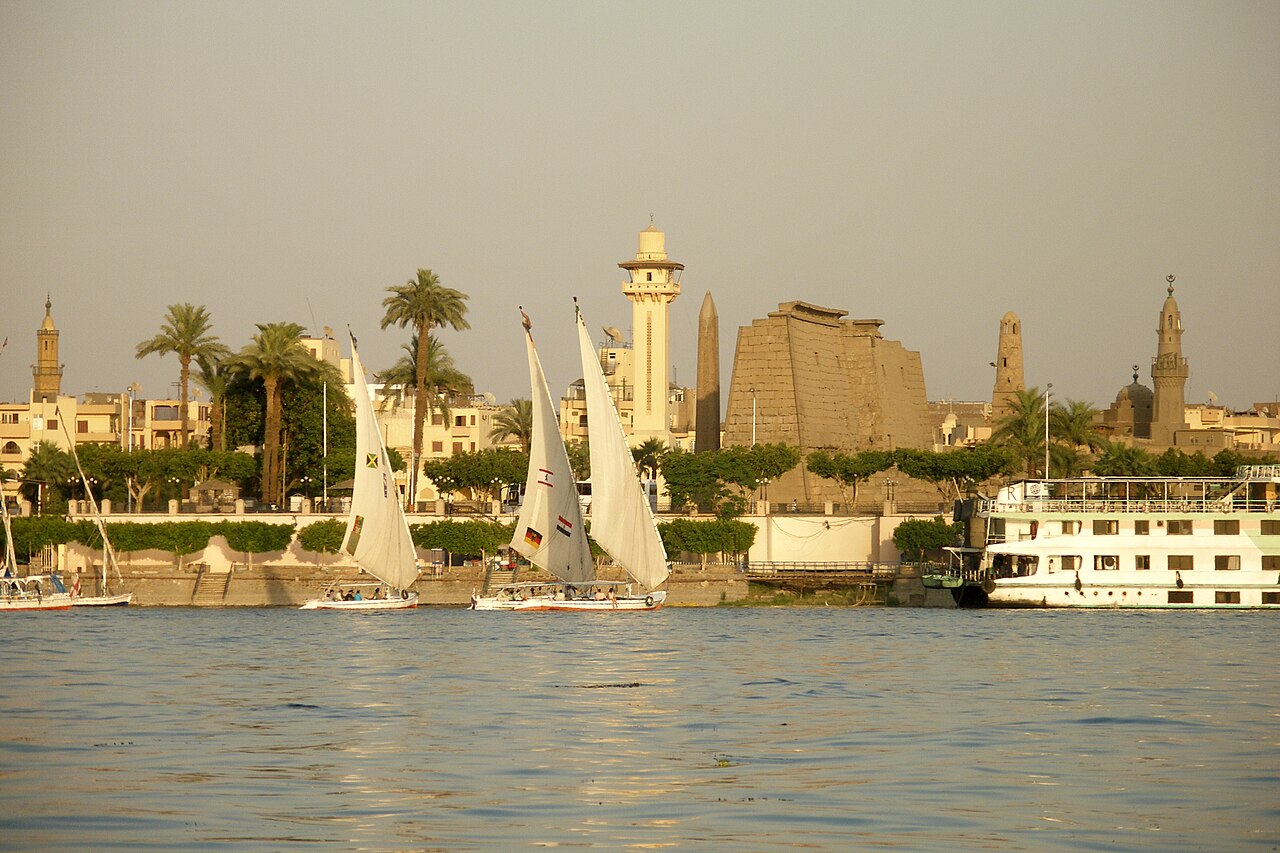
Every season our Cairo team goes aboard and checks the ships for ourselves. These are the 7 big 5★ vessels that stand apart in 2026, ordered from the most affordable up to the most lavish:
A ship with 56 cabins and 4 Royal Suites, a pool, 2 restaurants and a Six Senses spa; guests rate the Egyptian and international cooking highly. Sails Luxor to Aswan over 4 or 7 nights. Very good for families and a first Egypt holiday. Standard cabins 20 m² with Juliet balcony; junior suites 35 m² with a balcony of your own. Carries around 120 passengers.
Its 50 double cabins and 2 suites sit across 3 decks, and a thorough refit in 2017 shows. Gourmet restaurant, infinity pool looking out on the Nile, Sothys spa and an up-to-date gym. Cruises of 7 or 11 nights. First-rate food; English-speaking service can be arranged on request. Carries 104 passengers.
Just 33 suites, all generous (35-52 m²) and styled after a private yacht, each with its own balcony. Pool on the top deck, gym, panoramic lounge, polished Mediterranean cooking. Honeymooners and couples choose this ship above all others. Luxor to Aswan over 7 nights, mooring where the crowds never go. Carries 66 passengers.
Only 22 cabins and suites, each fitted out like a 5★ hotel room: 21 m², a dressing area, private balcony and wide views over the river. Attentive service, with a butler shared between 4 cabins. Michelin-starred dining, Oberoi spa with hammam. Itineraries of 6 or 7 nights with the ship's own moorings. No more than 44 passengers.
27 cabins and suites, all in a pared-back contemporary style. Library, music room and a teak-decked pool; the chef offers a tasting menu. The Oberoi Philae's younger, more modern sibling. Carries 54 passengers.
With 30 balcony suites (40 to 60 m²), this is the gentler-priced route into Sonesta's standard of service. Families of 4-6 get particularly good value thanks to triple cabins, with entertainment and a children's programme laid on. Sails for 7 nights. Carries 60 passengers.
A boutique-hotel feel across 66 cabins and suites, one table d'hôte restaurant, a small quiet pool. Suits couples over 40. Carries up to 132 passengers.
Every ship listed will take specific cabin requests (twin beds, a higher deck, a private balcony). If a particular cabin matters to you, reserve it 8 to 16 weeks ahead, above all for sailings between October and April.

The dahabiya is Egypt's traditional wooden sailing boat, revived in the 2000s by local owners as an answer to the big cruise ships. Never more than 6 to 12 cabins, moving under sail with an engine for the tight stretches, and an entirely Egyptian crew. On average it costs 30 to 50% more than a standard 5★ ship, but it is a different holiday altogether: you drop anchor in sandy inlets, eat lunch on the beach and dine by candlelight beneath the stars.
A 9-cabin sailing boat where no two cabins match (18-30 m²), with teak decks, a book-lined lounge and a roof-terrace bar. Launched in 2008 for a French owner, now run by an Egyptian family. Sails Esna to Aswan over 5 or 7 nights; Mediterranean food cooked aboard. Carries 18 passengers.
Just 6 cabins of 22-28 m², each furnished with antiques hunted down in Cairo's bazaars. The hull dates from 1981 and was rebuilt from top to bottom in 2019. Organic food, with vegetables from the owner's own plot in Upper Egypt. Sails for 5 nights; whole-boat charter possible. Carries 12 passengers.
6 cabins of 16-20 m² in a plain, welcoming setting; the most experience for the money among the dahabiyas. Sails Esna to Aswan over 5 nights, calling at Edfou, Kom Ombo, El-Kab and Banana Island. Carries 12 passengers.
Run by Sonesta, so you get Premium extras (strong air conditioning, plenty of hot water, on-board wifi) without giving up the 11-cabin dahabiya layout. A 6-night route with overnight moorings in secluded inlets. Carries 22 passengers.
Dahabiyas need booking a long way ahead: 8-12 weeks at the very least, up to 6 months over the festive season. The whole of Egypt has only 30 of them.
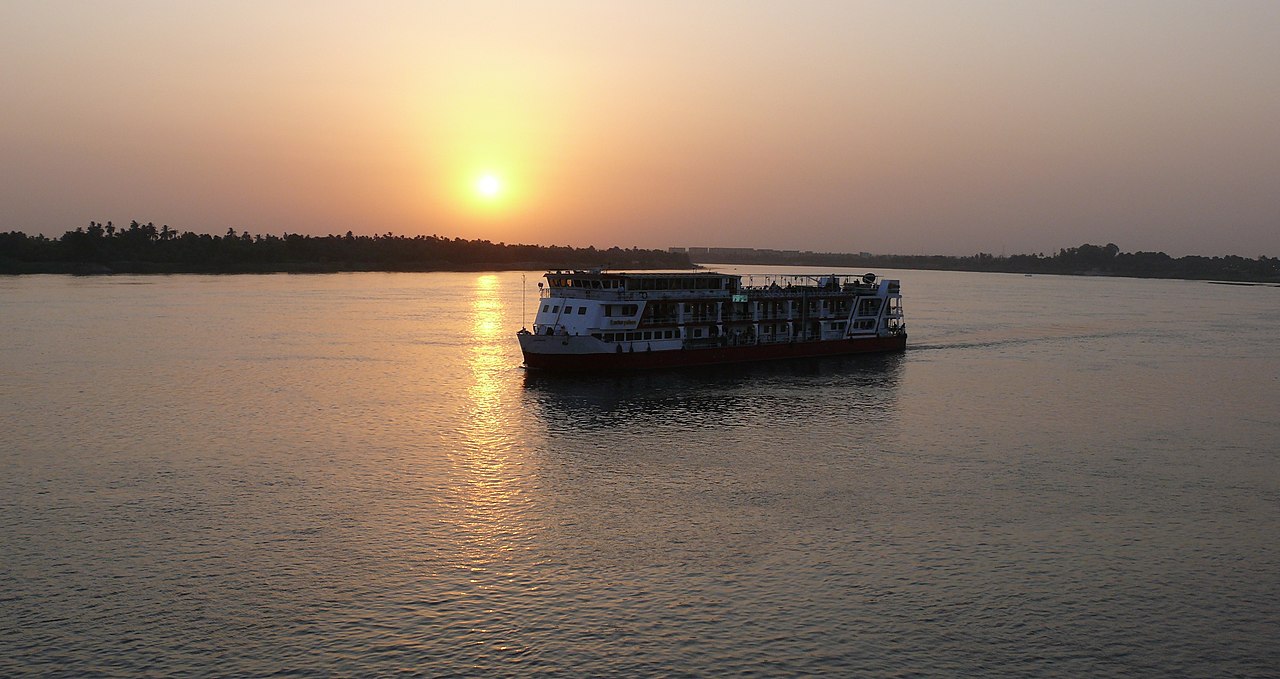
The standard 7-night Nile cruise runs Luxor → Aswan, or the reverse. Below is the daily programme you will see on 90% of itineraries:
Day 1: boarding at Luxor. You land in Egypt and a private VIP transfer takes you to the ship in 15 minutes. Every internal flight within Egypt is arranged and covered by SEV. Settle into your cabin, lunch aboard. Afternoon at Karnak temple: 60 hectares, the biggest religious complex ever raised. Dinner and the first night on board as the ship gets under way.
Day 2: Luxor's West Bank. The morning takes in the Valley of the Kings (the tombs of Tutankhamun, Ramesses VI and Merenptah), the mortuary temple of Hatshepsut at Deir el-Bahari and the Colossi of Memnon. Back aboard for lunch, then either sailing on to Esna or an optional trip to Luxor temple, at a supplement.
Day 3: Esna and Edfu. First thing, the ship passes through the Esna lock, reaching Edfou towards the end of the morning. You visit Edfu temple, Egypt's best-preserved and sacred to Horus, then sail on to Kom Ombo through the afternoon. Some ships hold a galabieh party that evening, with guests in traditional Egyptian dress.
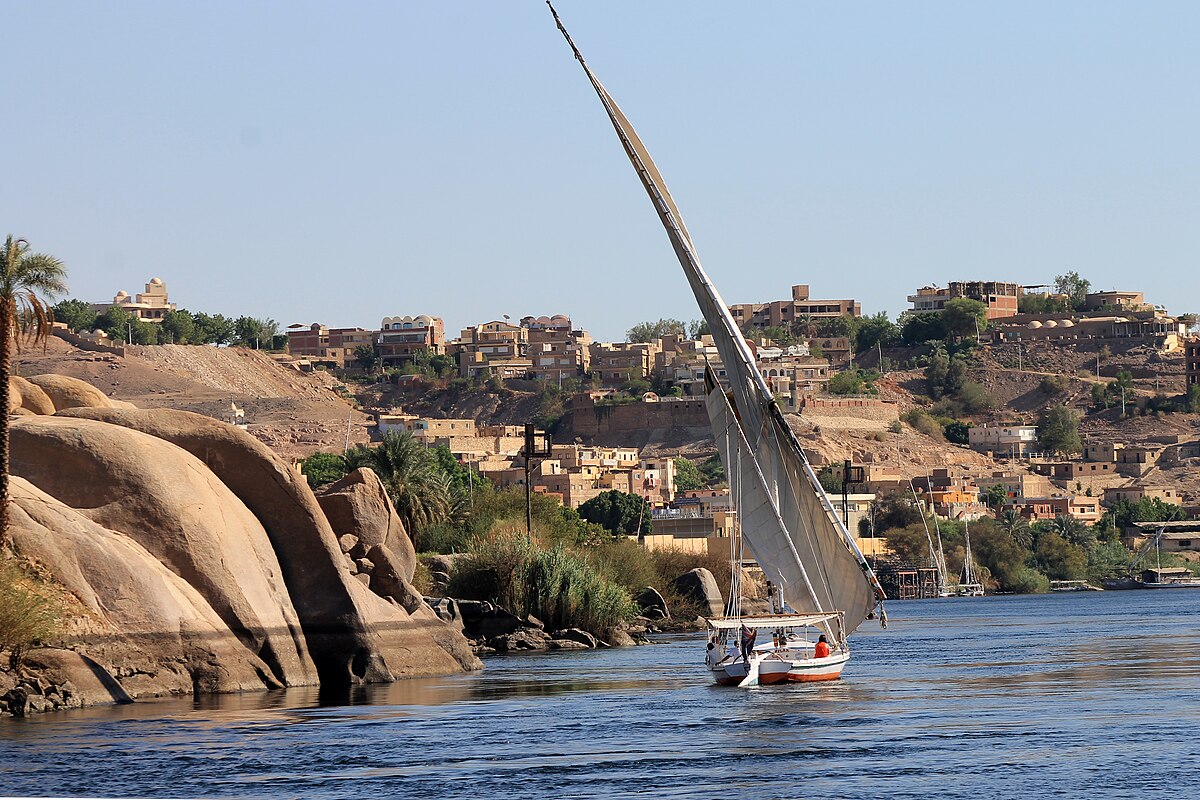
Day 4: Kom Ombo and Aswan. In the morning, the twin temple of Kom Ombo, unique in being shared between Sobek and Haroëris. Then the ship heads for Aswan, tying up late in the afternoon. As the sun goes down you sail round Elephantine Island by felucca before dinner aboard.
Day 5: Aswan, Philae and the High Dam. The temple of Philae now stands on Agilkia island, moved there by UNESCO in the 1970s to escape the rising lake; then the High Dam and the Unfinished Obelisk. Afternoon free, or the optional Nubian village trip, which we do recommend.
Day 6: optional Abu Simbel. A morning flight Aswan-Abou Simbel-Aswan (1h20 in the air altogether, 2h at the site) to see the two temples of Abu Simbel built for Ramses II and Nefertari and lifted clear of Lake Nasser. You are back in Aswan early in the afternoon, with the evening free on board.
Day 7: a slow day in Aswan. Nothing is scheduled. Options include the Kitchener botanical garden, the Monastery of Saint-Siméon or a felucca hop across to the far bank. The cruise closes with a farewell dinner and a belly-dancing show on board.
Day 8 - Disembarkation. Breakfast on board. Transfer to Aswan airport. Your flight to Egypt is your responsibility for the return, or continuation to the Red Sea via the domestic flight Aswan-Hurghada (1h10) organized by SEV.
Around 90% of this programme is identical from one ship to the next. Premium vessels (Oberoi Philae, Sonesta Star Goddess) may slip in private stops such as Daraw or El-Kab with its pre-dynastic necropolis. Dahabiyas cover similar ground in 5 nights from Esna to Aswan, leaving out Luxor, which you can see by land before you embark.
On a long 11-night Nile cruise the route stretches to Luxor-Aswan-Lake Nasser, or opens with Dendera and Abydos, two major sites that 7-night programmes normally leave out. We suggest it for serious Egyptology enthusiasts and for anyone who has already done the standard 7 nights. Expect to pay roughly 60% more than the 7-night version.
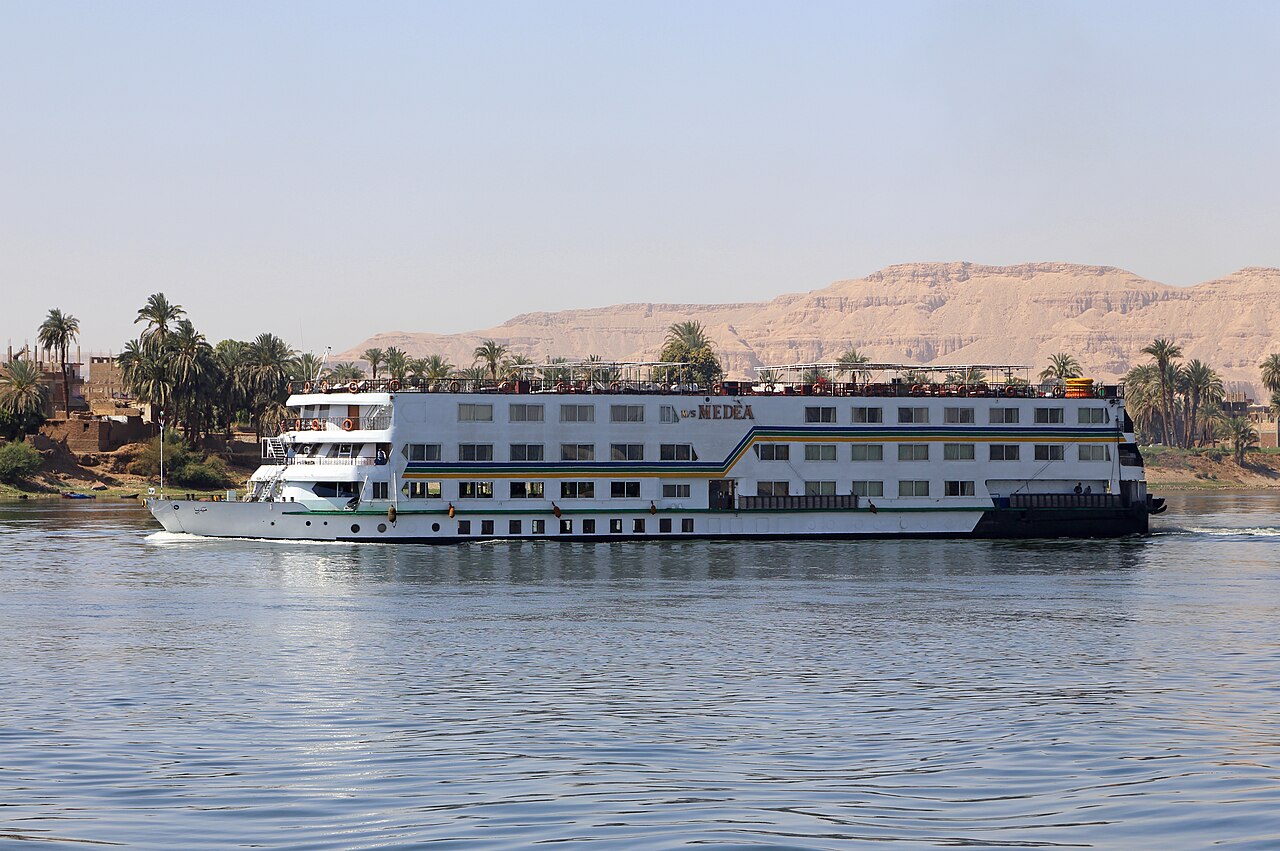
You can cruise the Nile 10 months of the year, but how pleasant the temple visits are (open to the sun, with no shade) depends heavily on the weather:
October, November, March, April (BEST). Days of 25-30°C, nights of 18-22°C. You can walk Karnak or the Valley of the Kings at midday in comfort. This is peak season, so reserve 8-16 weeks out to secure the ship and cabin you have your eye on.
December, January, February (GOOD). Days of 20-26°C, nights of 10-15°C. Glorious winter light for photographs. Evenings on deck turn chilly, so pack a wrap for dinner on the terrace. If you add a beach stay, the Red Sea is on the cool side at 22°C.
May, September (ACCEPTABLE). Days of 30-35°C. Manageable provided nobody is at the temples between 12pm and 3pm. Rates around 15% lower, fewer visitors.
June, July, August (STEER CLEAR). Upper Egypt hits 38-43°C and the temples turn into an endurance test. Many top ships stop sailing in July and August. Prices drop by 30%, but it is not the same holiday.
Our advice is to go for November or March: the weather is ideal, the light is gentle and prices have not yet climbed to their Christmas and Easter highs. Give the Easter holidays and the Christmas-to-New-Year week a miss; rates rise 30-40% and ships fill up 6 months ahead.
The ship, the time of year and the cabin category move the price a great deal. These are the genuine 2026 brackets, quoted per person sharing a double cabin, with the cruise and internal Egyptian flights included and your flight from the UK on top:
Ships: Mövenpick MS Royal Lily, Steigenberger Royale, Sonesta Sun Goddess. A standard cabin with Juliet balcony, full board, guided visits in English and every internal flight within Egypt. You book your own flight out from the UK.
Junior suite with its own balcony, all-inclusive drinks, personal attention, private moorings, the otherwise optional Abu Simbel excursion thrown in.
Luxury cabin, or a 6-9 cabin dahabiya. Attentive butler service, gourmet dining, excursions just for you, Abu Simbel by helicopter as an option.
Included whichever package you choose: every internal flight in Egypt, arranged and paid for by SEV (Cairo-Louxor, Aswan-Cairo, Aswan-Abu Simbel and so on), private airport-to-ship transfers, the 7-night cruise on full board, English-speaking guided visits to Karnak, Luxor's west bank, Edfu, Kom Ombo and Philae, plus local taxes. From Package 2 upwards the Egypt visa is covered too. Your flight out from the UK is for your own account.
Left out: gratuities for the guide and crew (allow £30-£50/person over 7 nights), drinks where the package is not all-inclusive (Package 1), the Abu Simbel trip (£140-£170/person by air, £60-£80 by overnight coach) and travel insurance. There are no concealed extras and no hidden commission: our Cairo team negotiates every rate itself.
Your flight to Egypt: You organize your flight to Egypt (around 4.5 hours from Europe). Our team welcomes you upon your arrival with a private VIP transfer to your boat.
Domestic flights supported by SEV: We organize all air travel within Egypt for you - Cairo-Luxor, Aswan-Cairo, Cairo-Aswan, Luxor-Aswan - to experience the wonders of the country without missing a beat. Premium comfort, at the heart of your trip.
British passport holders need a 30 USD tourist visa. Two ways:
Your passport must stay valid 6 months beyond the day you fly home. No jabs are compulsory; yellow fever proof only if you arrive from an endemic country.
The currency is the Egyptian pound (EGP); in 2026, ≈ 52-55 EGP. Cash machines are easy to find at the airport, in hotels and around Luxor and Aswan. Euros and US dollars are taken everywhere for tipping (carry small notes). Budget /day for the ship's crew (kitchen, cabin, bar) and -£10/day for your guide.
Pack loose linen or cotton for daytime, and a fleece or jumper for evenings between November and February, when the open top deck gets breezy. Add a hat, UV sunglasses, factor 50+ sun cream and comfortable closed shoes for the temples (slippery stone, sand). If Cairo's mosques are on your list, have something that covers shoulders and knees. Dinner on board is smart casual: no shorts, no flip-flops.
Rates are agreed by our Cairo team straight with the operators (Sonesta, Mövenpick, Oberoi, Steigenberger), no middleman in Europe. Reply in English within 24 hours; the plan is tweaked to your dates at no charge.
WhatsApp +20 10 96569859