
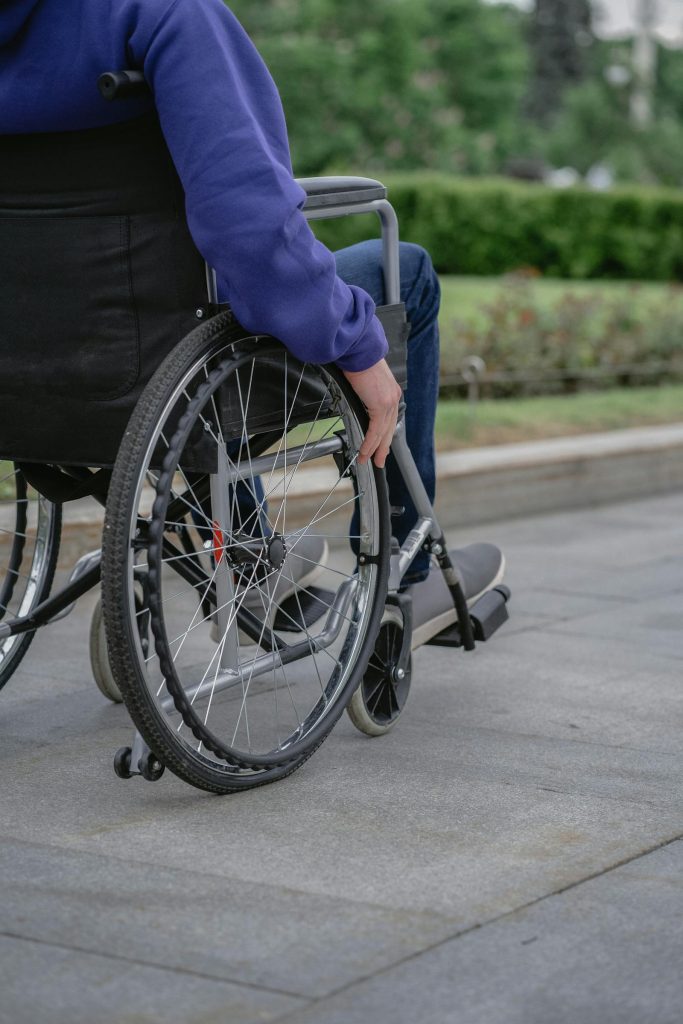
Can you go to Egypt if your mobility is limited? A fair question, and I will give you a straight answer: no, Egypt is nowhere near European standards on accessibility. Yet with some groundwork, a bit of patience and the right hotels and itinerary, it is entirely within reach. Here is how to go about it.
For ten years, I have been organizing trips for all profiles. And what I see is that wheelchair travelers often give up too quickly. They think Egypt is too complicated. Result: they never discover the pyramids, the Nile, Luxor. It's a shame. Because solutions exist. Real solutions. No “it will be fine” from a tourist restaurant. I detail them for you here.
Egypt PMR: Honesty first
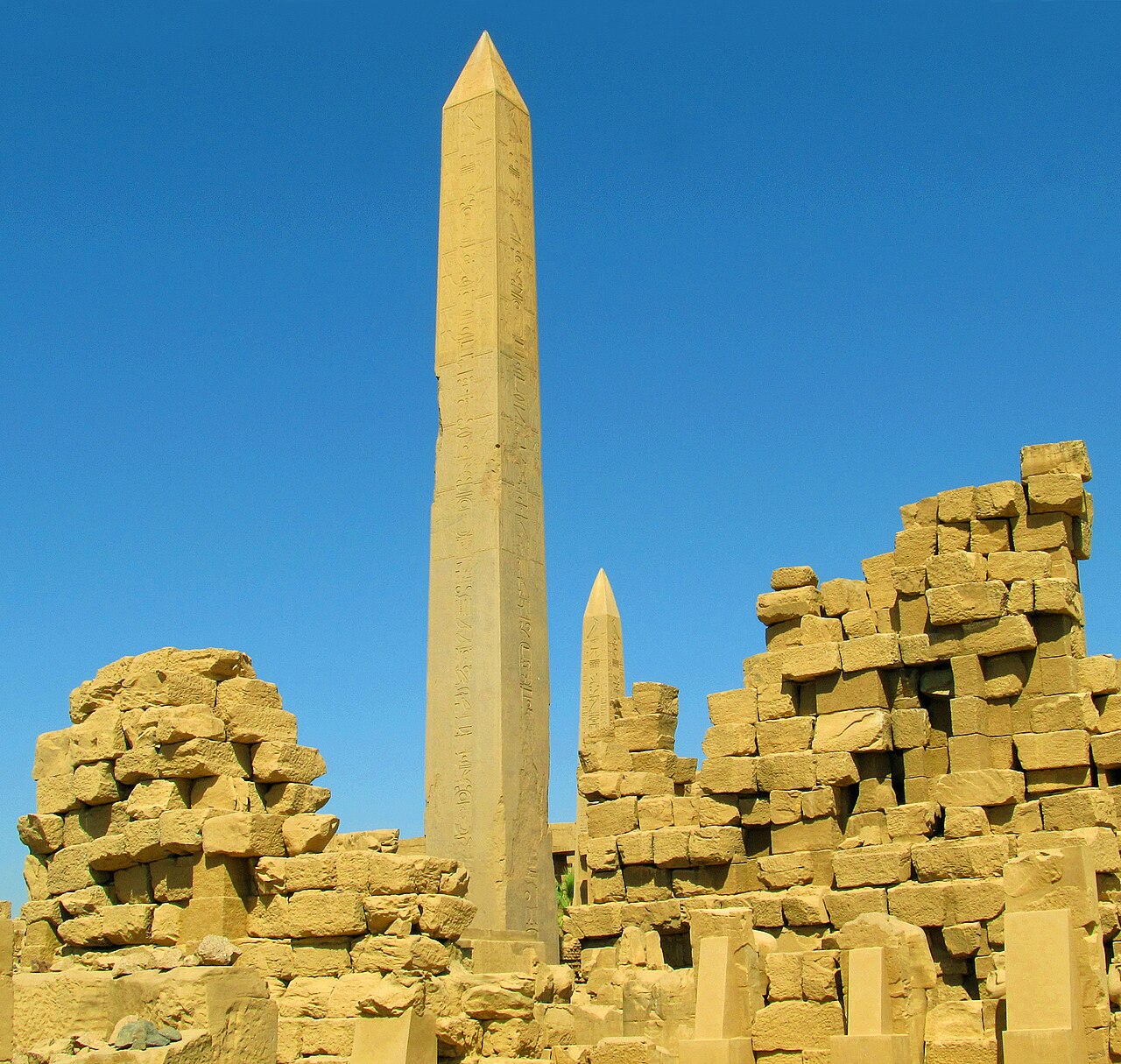
Let's start with the real thing. Egypt does not have the accessibility standards found in France, Switzerland or Belgium. The sidewalks are uneven. Not all historic hotels have an elevator. Temples have stairs. Most sites are not designed for people with reduced mobility.
The bottom line, though: it can be managed. Why? The big international chains (Marriott, Hilton, Sofitel) meet reduced-mobility standards, the newer Nile boats have lifts, and, above all, agencies on the ground in Egypt reshape trips around you as routine work.
The trick is not to avoid the places every other visitor goes, but to see them in a different way: with a guide who pays attention, a driver with experience, and now and then a porter to get you past a flight of steps. That way you meet Egypt properly, rather than as the groups do with 3 hours in the museum and 1 hour at the pyramids. Whoever you are, a traveller of any profile, the arrangements can be shaped to fit you.
Wheelchair Accessible Sites
The Grand Egyptian Museum in Cairo (GEM)
If you visit only one museum in Egypt, let it be this one. The Grand Egyptian Museum is almost perfect for accessibility. Modern building (open 2024), elevators everywhere, disabled toilets, adapted parking. The collections? Exceptional. Much better than the old museum.
Cost: 40 euros for overseas visitors. Give it 3 to 4 hours if you want to do it justice, and get there early, before 10am, while the halls are still deserted. You will have the place practically to yourself.
The Nile Cruise
Here, a piece of advice that changes everything: the Nile cruise is probably your best option. For what ? Because you hardly move. You sleep, you eat, you work on the boat. Excursions are done in small groups, with a guide, often by car. No long journeys between sites. Everything is designed so that you are on board in the evening.
Every 5-star boat (Nile Cruise Classical, Uniworld, Oberoi) comes with lifts, adapted cabins and a restaurant on the same deck. Most 4-star boats do as well. With 3-star boats it is a gamble, so settle for nothing below 4 stars.
5* cruise budget for 7 days (Aswan-Louxor): 2800 to 4500 euros per person, all inclusive (accommodation, meals, excursions). It's expensive, but it's also a mobile hotel that travels for you. No long trips. No risk of being stuck far from comfort.
A word of advice: before you book a cruise, ring the Egyptian agency itself rather than relying on the website. Spell out precisely what you require: door widths, step-free access, a roll-in shower. They will sort out details the site never even lists.
The Giza Plateau and the Pyramids
Going inside the pyramids is out, since there is no lift, as you would expect. Getting right up to them is not. Parts of the plateau are level, and there are some ramps. For certain viewpoints you stay in the car; for others you get out. Anyone organising a stay in Cairo can build these accessible visits into the plan.
The Sphinx is reached by car as far as the car park, then a few level metres on foot. The panorama of all three pyramids from the road above the valley works perfectly from a wheelchair.
Plan on half a day, 3 hours at most. Beyond that the heat is hard going for everyone, whatever their mobility.
Difficult or Almost Inaccessible Sites
The Valley of the Kings (Luxor)
Let me be straight: the Valley of the Kings is a site built of steps. A great many steps, plus steep gradients, loose sand and tombs cut deep underground. Accessibility was never the plan.
Is a visit still possible? Yes, but not on wheels. You can go, take in the entrance and visit the Valley of the Kings museum, which is modern and far easier to get around. The tombs themselves, though? Realistically, no.
The Temples of Luxor (West Bank)
The Luxor Temple itself (the great temple on the banks of the Nile) has significant staircases. The Karnak temple too. There are some access slopes, but they are not designed for armchairs.
What about the lesser temples nearby? A few are easier. The temple at Dendera, 40 km away, is better arranged than most.
Aswan and Nubia
The temple of Abu Simbel (Aswan)? Stairs. The temple of Phialé (island on the Nile)? Boat, then stairs. Difficult. Not impossible, but very physically demanding.
On a Nile cruise the agency will organise whatever can be organised. My honest advice is to leave these sites out and give the time instead to the museum, to Cairo and to the river itself.
Practical On-Site Solutions
Chair Carried for Temples
Here, it’s “we do what the Egyptians do”. For some temples, if you are motivated, you can rent a carried chair with 4 porters. It exists. It's humble, but it works. Count 30 to 50 euros for a few hours.
It will not suit everybody, obviously. But the option does exist, and I have watched it work out well more than once.
Adapted Vehicle with Driver
The agency on the ground can provide a vehicle fitted with a ramp, sourced from specialist firms. Its driver knows the roads, the hotels and the sites. Expect it to add 25 to 40 euros a day to the normal rate.
It’s the investment that changes everything. With that, you are independent. You go up and down effortlessly. You visit at your own pace.
Attentive and Kind Guide
Not merely "someone who speaks English", but a guide with real experience of visitors with limited mobility. That changes everything. They know where every ramp is, including the tiny ones, who can be called on to help you down a staircase, and how to reshuffle the day when tiredness sets in.
Ask your agency for a specific guide, with PMR experience. It costs maybe 5 euros more per day. It's a great investment.
💬 Request a Quote PMR Accessibility
Accessible Hotels and Accommodations
International Channels (Standard)
Marriott, Hilton, Sofitel, InterContinental: all of them meet international standards for reduced mobility, with adapted rooms (roll-in shower, grab rails, raised toilet), lifts, a reception on the ground floor and parking close to the door.
In Egypt, you will find them in Cairo, Luxor, Aswan, Hurghada. Reservations? Via Booking or the hotel website. When you book, send an email to reception to specify your PMR needs. They will note and prepare the room properly.
Budget: 150 to 300 euros per night, half board. It's European, but it's safe.
More Affordable Local Hotels
On a tighter budget, Egypt has decent 3 and 4 star hotels (Movenpick, Steigenberger). They cost less, 80 to 150 euros a night, but accessibility is less certain. Ring the hotel yourself, in Arabic through an Egyptian friend, or message on WhatsApp, and ask precise questions: "Is there a lift? Will a chair fit in the bathroom?"
Nile Cruise (Best Overall Accessibility)
I repeat: this is probably your best option. Accessible room, comfortable bathrooms, no long journeys, assistance available 24 hours a day. High price, but logical when you consider accessibility.
Cairo Airport: PRM assistance
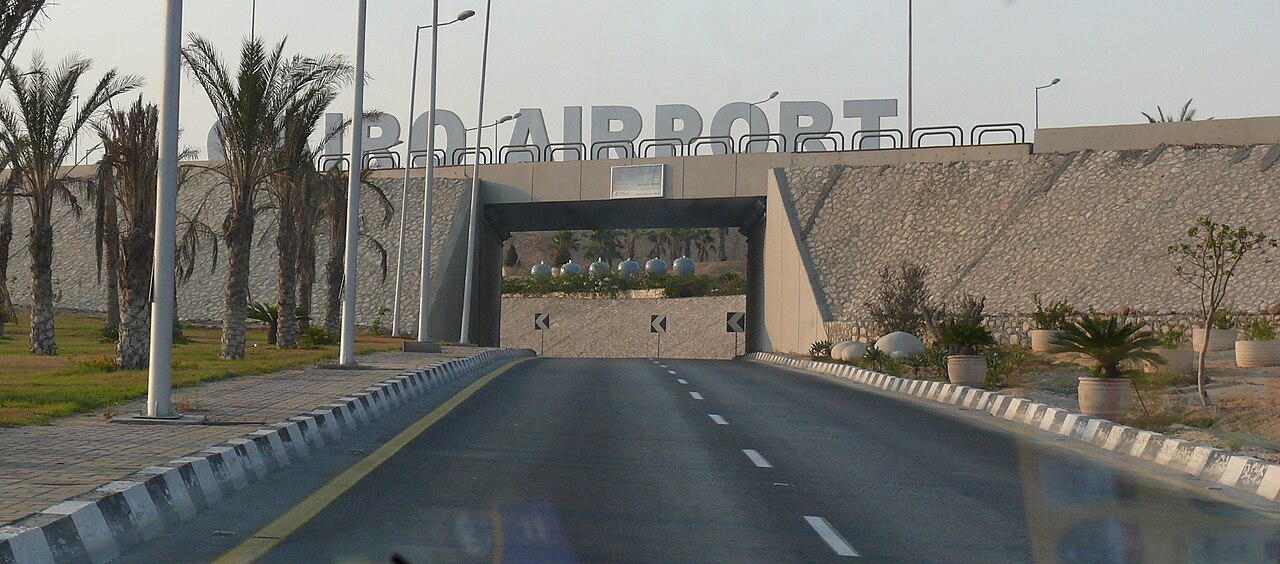
Cairo International Airport (CAI) has a PMR assistance service. When you book your flight, mention your reduced mobility. The airline arranges assistance during descent, transit and boarding the next flight. Prepare by consulting our complete preparation checklist.
Wheelchair available on the way down. Assistance in going up/down the steps of the bus. Clear path to customs. No surprises.
Once on land, your Egyptian agency awaits you. Someone from him at the exit, sign with your name. They manage the chair, the transport, everything. It's their job.
Hurghada and the Seaside Resorts
Would you rather have sand and sea than desert? Hurghada and Sharm el-Sheikh have big all-inclusive resorts (Hilton, Steigenberger, Sonesta) with adapted pools, beach access (including special wide-wheeled chairs for the sand), and restaurants and entertainment on the premises. Discover the best coastal options for a seaside holiday with accessibility taken care of.
It's more relaxing than Cairo. Fewer sites, but more comfort. Budget: 150 to 250 euros per night, all included.
For excursions (snorkeling, jeep in the desert), notify the resort. They will arrange what is possible. Many things are, actually.
Additional Budget: Plan +20% to +30%
A standard trip to Egypt: 2000 to 3500 euros per person (flight, hotel, meals, excursions). With PMR accessibility, add:
- Adapted vehicle with driver: +25 to 40 euros per day
- Specialized PMR guide: +5 to 10 euros per day
- Physical assistance (porters, descent assistance): +30 to 50 euros per day depending on needs
- International chain hotel instead of local: +50 to 100 euros per night
- Nile Cruise (if you choose this option): 2800 to 4500 euros for 7 days, all inclusive
Result: total budget of 3500 to 5500 euros per person for 2 weeks (flight included), instead of 2500 to 4000 euros for a "standard" trip. It’s +20% to +35%, no more. And you really visited Egypt, not just consumed tourism.
Bear in mind: much of this extra spend goes on things that make the holiday better for everyone. A seasoned guide, an unhurried driver, a comfortable car: they lift the whole experience, whatever your mobility.
What the Local Agency Can Arrange
A sound Egyptian agency (I can suggest some) will:
- Bring a car with an access ramp upon your arrival
- Secure adapted hotel rooms, confirmed directly with the property
- Find guides with PMR experience
- Arrange special permits to visit archaeological sites with an armchair
- Provide carried chairs for very demanding sites (with 4 trained porters)
- Arrange airport assistance before your arrival
- Reshape the day on the spot when you need a rest
- Find accessible restaurants
No agency can conjure up ramps where none exist. What it can do is draw on local contacts to get the most out of what is there. That is the real difference.
Nile cruise or a Cairo hotel: which should you choose?
This is the key question. Here's how to think:
Nile Cruise (7 days): Great for accessibility. You are comfortably accommodated. Excursions are done in small groups from the boat. No long journeys. You discover Luxor, Aswan, the temples (as much as possible). Negative side: less flexible, less autonomy. You follow the boat's program.
A settled hotel in Cairo (3-4 days) plus a Nile cruise (4 days): the ideal compromise. You see Cairo (museum, pyramids, the old city), you sail the Nile aboard a cruise boat, and you still have time to recover.
A Cairo hotel alone: for anyone who dislikes organised touring, this works. You stay independent, hire an adapted car and go at your own speed. It is more tiring physically, however, with more time on the road, accessible vehicle or not.
My recommendation: a Nile cruise together with 3-4 days in Cairo. That gives you the best balance of accessibility and discovery.
Booking tip: do not rely on booking websites alone. Get in touch with the agency directly, on WhatsApp or by email, and describe your circumstances. Egyptian agencies go to great lengths for serious clients, whatever the website does or does not say.
Before you leave: Checklist
- A letter from your GP, in English, setting out your condition and what you need
- Copies of your medication prescriptions
- Repatriation travel insurance (compulsory in Egypt)
- Up to date vaccinations
- Contact number of the British Embassy in Cairo
- Your hotel and agency details, including WhatsApp numbers
- Photos of your seat (if applicable) for the airline
- Replacement battery or power adapter for device
Frequently Asked Questions (FAQ)
Conclusion: Egypt is Possible
So that is the picture, as candidly as I can paint it. Egypt is no Switzerland when it comes to accessibility, but neither does it turn its back on people with limited mobility. Choose wisely and it becomes a remarkable journey.
Pyramids exist. The Nile is flowing. The museums are there. The temples tell stories of 3000 years. And you can see them. Not in the same way as someone without reduced mobility? All right. But you will still see them. And honestly, who said the “normal” way was the best?
What I suggest: Nile cruise, Cairo hotel, attentive guide, adapted vehicle. Add 25% to the budget, allow 2 weeks. That makes all the difference.
If you have further questions or would like recommendations from local specialist agencies, consult our adapted transport solutions, or our customizable tourist packages, or contact me directly via the WhatsApp link below.
💬 Request Personalized Advice
Also Read
Getting ready for Egypt? The practical guides below will help you plan the rest of your stay:
- What traveler profile are you? Complete guide to preparing your trip
- Nile Cruise 2026: complete guide and recommendations
- Visit Cairo in 3 days: itinerary and advice
- Egypt travel budget 2026: all updated prices
- Transport in Egypt: how to get from one city to another
- Egypt hotels: complete guide to the best establishments
- When to go to Egypt 2026? Guide to seasons and best time
- Tourist packages in Egypt: all-inclusive packages and organized trips
📞 Free PMR Travel Quote