
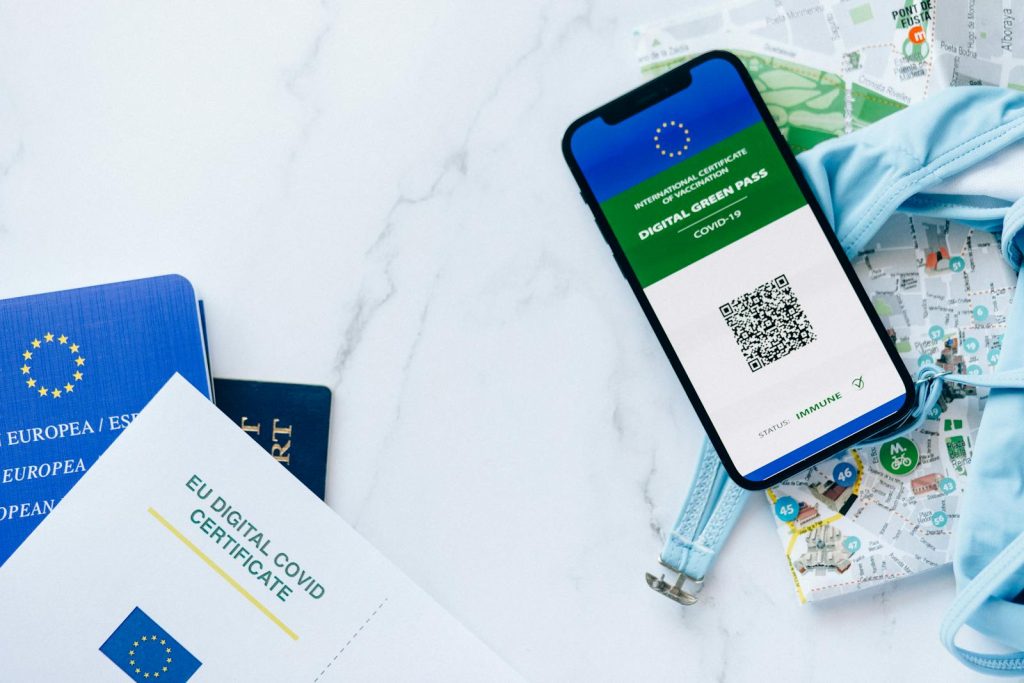
Is Egypt in Europe for travel insurance? It is one of the first questions our Cairo based team gets from British travellers once flights are booked, usually right after someone notices their bank card or their GHIC promises cover across "Europe" and wonders if Egypt counts. It does not, and the gap matters: private hospitals in Egypt ask for payment before they treat you, and a medical evacuation is not something you want to discover is not covered halfway through a Nile cruise. This guide sets out exactly what "Europe" and "worldwide" mean on a UK policy, what the FCDO actually says, and what a policy needs to cover before you go.
Is Egypt in Europe for Travel Insurance? The Short Answer
No. Egypt is not part of the European Union or the European Economic Area, and most UK insurers treat it as a worldwide destination rather than a European one, even though a few still group it inside their cheaper "Europe" band for pricing reasons. What that means in practice: your GHIC will not be accepted anywhere in Egypt, and you need to check your policy's own country list rather than assume the word "Europe" on the box covers you here.
Geographically, the confusion is understandable. Egypt sits at the northeastern corner of Africa, with the Sinai Peninsula technically reaching into Asia, and it is a short, cheap flight from London compared with most long haul destinations. None of that makes it European for insurance purposes. Insurers group destinations by the healthcare costs and evacuation risk they expect to pay out on, not by geography or flight time, and Egypt's private hospital system and lack of a reciprocal healthcare agreement with the UK put it firmly outside the European band for most providers.
Why GHIC and EHIC Do Not Work in Egypt
The UK Global Health Insurance Card (GHIC), and the older EHIC still held by some travellers, gives access to state provided healthcare in the European Economic Area, Switzerland, and a short list of other places such as Australia and Montenegro. Egypt is not on that list, and the NHS Business Services Authority, which issues the card, is explicit about it: outside the countries and territories it names, the card simply is not accepted. There is no UK-Egypt reciprocal healthcare agreement to fall back on either, so a British passport and a GHIC together get you nothing at an Egyptian hospital front desk.
This is worth spelling out because the GHIC's own branding leans on the word "Europe," and Egypt's position just across the Mediterranean makes the mix up an easy one. Official UK government guidance on foreign travel insurance is direct about the limits of the card even where it does apply: it does not cover private medical treatment, repatriation, or costs such as mountain or sea rescue, anywhere, GHIC country or not. In Egypt, where nearly all tourist treatment happens in the private sector, that gap is the whole story.
What the FCDO Says About Travel Insurance for Egypt
The Foreign, Commonwealth and Development Office's Egypt travel advice tells British travellers to check that appropriate travel insurance is in place for local treatment or an unexpected medical evacuation before they go, and it flags that some hotel doctors have overcharged tourists for treatment and medicines, suggesting pharmacies away from hotels for anything routine. On the activity side, the guidance is more pointed: it warns that air or sea rescue in Egypt can cost more than 4,000 US dollars per hour, and that Egyptian authorities will only begin a rescue once payment is guaranteed. If you are diving, on a desert trip, or anywhere a rescue might be needed, that single line is the clearest argument for a policy that actually covers the activity.
The FCDO also recommends booking excursions through your resort or through approved, licensed operators rather than informally, partly because insurers are far more likely to pay out when an activity was arranged through a recognised operator. Our own Egypt safety guide covers the FCDO's country level advice in full if you want the wider picture before you travel.
Europe Policy or Worldwide Policy: Why the Label Matters
UK insurers sell single trip cover in bands, typically Europe, worldwide excluding the USA and Canada, and worldwide including them, and Egypt's place in that structure is genuinely inconsistent between providers. InsureandGo, for example, states plainly that Egypt is not classed as Europe for their travel insurance and sells it under two separate worldwide tiers, one that excludes Egypt by name alongside the USA, Canada and the Caribbean, and one that includes it. Other insurers fold Egypt into their standard Europe band because the risk profile is similar to southern Europe, even though the GHIC still will not work there. Comparison sites confirm the same split: most classify Egypt as worldwide, though some run it under European cover.
The practical takeaway is that you cannot assume from the word "Europe" or "worldwide" on a quote page whether Egypt is actually included. Open the policy wording or the destination list, search for Egypt by name, and confirm it before you pay. This is a five minute check that avoids finding out the hard way in a Cairo clinic that your policy was quietly sold as "worldwide excluding Egypt."
What Your Egypt Travel Insurance Should Actually Cover
A policy built for Egypt needs to do more than tick a box marked worldwide. Four things matter in practice.
- Medical expenses: official UK guidance illustrates the risk with real cases abroad, a broken leg in Spain running past £25,000, a quad bike accident in Greece needing surgery past £80,000, a stomach bug in the USA with possible evacuation past £150,000. Private treatment in Egypt is charged at similar rates to those examples, so a policy with a low medical cap leaves you exposed the moment anything beyond a minor consultation is needed.
- Medical repatriation: with no cap that could realistically be exhausted by an air ambulance flight home. This is the guarantee the FCDO is pointing at when it mentions rescue costs running past 4,000 US dollars an hour.
- Named activities: diving, desert safaris, quad biking, camel riding and hot air ballooning are common on an Egypt itinerary, and standard policies often exclude them unless declared or added as an option.
- Cancellation and baggage: less critical than medical cover, but worth having if you have already paid for flights, a Nile cruise cabin or a tailor made itinerary.
In Egypt specifically, tourists are directed to private clinics and hospitals that expect payment before treatment starts, so a policy that only reimburses you after the fact, rather than paying the hospital directly or advancing the cost, can still leave you needing several thousand pounds in cash or on a card at the moment you are least prepared for it. Confirming how your insurer actually settles a claim on the ground, direct payment versus reimbursement, is worth the extra five minutes on the phone.
Activities That Need Extra Cover: Diving, Desert Safaris and Ballooning

Most travellers building an Egypt itinerary with our team add at least one activity that a basic policy will not automatically cover. Red Sea diving is the obvious one: check that your policy covers diving to the depth your certification allows, and that it names diving specifically rather than lumping it under a general "water sports" exclusion. Our guide to the best Red Sea dive sites is a useful starting point if diving is part of your plan.
A desert safari or quad biking trip in the Western Desert or around Hurghada falls into the same category, and it is precisely the kind of activity the FCDO has in mind when it warns that rescue in remote terrain is expensive and will not start without a payment guarantee. Read the policy wording for "off road driving" or "desert excursions" rather than assuming a generic "adventure activities" add-on covers it. Anyone planning this should look at our Egyptian desert safari guide before booking.
Hot air ballooning over Luxor is popular and generally low risk when booked through a licensed operator, but some policies still list it as an excluded aviation activity unless declared. If it is on your itinerary, our hot air ballooning in Luxor guide covers what to check with the operator as well as the insurer.
How Much Does Travel Insurance for Egypt Cost
Quotes vary with your age, the length of your trip and how much cancellation and baggage cover you add, so there is no single fixed price, but comparison sites give a useful sense of scale. On MoneySuperMarket's panel of UK insurers, individual single trip quotes for Egypt have started from around £15.62 for a week and around £30.95 for two weeks, with an average single trip policy sitting around £37.94 and a two week family policy from around £65.47. Treat these as a starting range to sense check quotes against, not a promise, since prices move with the market and with your own circumstances.
What tends to push the price up is not the length of the trip so much as the extras: a higher medical cap, named activity cover for diving or a desert safari, and cancellation cover on a trip you have already paid for all add to the premium. Comparing two or three quotes from sites such as MoneySuperMarket or GoCompare, with the same medical cap and activities selected on each, is a faster way to find genuine value than picking the first cheap headline price.
Packaged Bank Account Cover: Why It Is Rarely Enough
Premium current accounts from providers such as Nationwide, Barclays and others often bundle in a travel insurance policy, and it is tempting to treat that as job done. For Egypt, read the policy schedule before you rely on it. These bundled policies typically set a lower medical expenses cap than a dedicated single trip policy, usually exclude diving, desert driving and other adventure activities without an upgrade, and only apply if the trip itself was booked or paid for using that account. Book your flight on a different card, or a friend's account, and the cover can simply not apply.
None of that makes packaged cover useless. It is a reasonable baseline for a low key city break, and worth checking as a fallback. It is not something to rely on as your only cover for a Nile cruise, a Red Sea dive trip or a desert excursion without reading the small print first.
A Checklist for Comparing Policies Before You Buy
Before paying for a policy, run it through the same short list our team checks for clients booking with us.
| What to check | Why it matters for Egypt |
|---|---|
| Egypt named in the destination list | Some worldwide tiers exclude Egypt by name alongside the USA and Canada |
| Medical expenses cap | Private hospital treatment is not cheap and is not covered by GHIC or EHIC |
| Repatriation cover | Air ambulance costs the FCDO flags rescue at over 4,000 US dollars an hour |
| Named activities | Diving, desert safaris, quad biking and ballooning are often excluded by default |
| Claims settlement method | Direct payment to the hospital avoids needing thousands of pounds in cash on the day |
| Excess per claim | A high excess reduces what a policy actually pays out for a routine claim |
A policy that clears every row of that table at a slightly higher price is, in our experience, better value than the cheapest headline quote that fails two or three of them. It is also worth asking, before you buy, what documents the insurer needs to process a claim in Egypt: most want the original hospital invoice, a doctor's report, and your policy number logged with their 24 hour assistance line before treatment starts wherever that is possible, so keep the assistance number saved on your phone rather than only in an email confirmation you might not be able to reach.
Pre existing medical conditions are the other common trap. If you have a condition you have been treated for in the past two years, most UK insurers ask you to declare it and price the policy accordingly, and a claim linked to an undeclared condition is one of the most common reasons insurers refuse to pay out. It costs a little more to declare it honestly, but it is the only way the cover actually holds up if you need it.
When to Buy Your Policy and What Changes If FCDO Advice Shifts
Buy your policy as soon as you have paid the first deposit on flights, a cruise or a tour, since cancellation cover normally only applies to events that happen after the policy is in place. Waiting until the week before departure means anything that happens between booking and buying, a job loss, an injury, a family emergency, is simply not covered.
Worth knowing too: FCDO advice is not fixed. If the FCDO were to advise against travel to a specific area after you have already booked and insured, most standard policies allow you to cancel that portion of the trip, but insurance taken out after the advice changes would not. This is a further reason to buy cover early rather than close to departure, and to check your policy's wording on FCDO advice changes specifically.
What Our Clients Say
We do not collect reviews on TripAdvisor or Google. Our feedback lives where our clients actually talk to us, on Instagram, Facebook and WhatsApp, where 156 reviews currently average 4.8 out of 5. You can read them in full on our customer reviews page before deciding who plans your trip.
Frequently Asked Questions About Egypt Travel Insurance
Is Egypt in Europe for travel insurance?
No. Egypt sits outside the European Union and the European Economic Area, and most UK insurers sell it as part of their worldwide cover rather than their Europe band, though a handful still price it inside Europe. The only safe approach is to check the destination list on your specific policy rather than assume, since providers genuinely differ on this point.
Does my GHIC or EHIC cover me in Egypt?
No. The Global Health Insurance Card and the older EHIC give access to state healthcare in the EEA, Switzerland and a short list of other countries, and Egypt is not on that list. There is also no UK-Egypt reciprocal healthcare agreement, so neither card is accepted at an Egyptian hospital or clinic.
Is travel insurance compulsory to enter Egypt?
No, you will not be asked for proof of insurance at the border or when applying for a tourist visa. The FCDO strongly recommends it regardless, since medical treatment and evacuation are never automatically covered on the ground and private hospitals expect payment upfront.
How much does travel insurance for Egypt typically cost?
Quotes on UK comparison sites have started from around £15.62 for a week of individual cover and around £30.95 for two weeks, with an average single trip policy around £37.94, though your own price depends on age, trip length and any activities or cancellation cover you add. Compare two or three quotes with the same medical cap and activities selected before deciding.
Does my bank account's free travel insurance cover Egypt?
Sometimes, but check the schedule carefully. Packaged bank account cover typically sets a lower medical expenses cap than a dedicated policy, often excludes diving, desert driving and other adventure activities, and only applies if you booked and paid for the trip using that account.
Do I need separate cover for diving in the Red Sea?
In most cases yes. Standard travel policies frequently exclude diving unless it is named specifically, so check that your policy covers diving to the depth your certification allows rather than assuming a general adventure sports add-on includes it.
Is a desert safari or quad biking covered by standard policies?
Not always. This is exactly the kind of activity the FCDO highlights when it warns that rescue in remote terrain is expensive and will not begin without a guaranteed payment, so look specifically for "off road driving" or "desert excursions" in the policy wording rather than a generic adventure activities clause.
What happens if the FCDO changes its advice on Egypt after I book?
Most standard policies allow you to cancel the affected part of your trip if the FCDO advises against travel to a specific area after your policy is already in place, but cover taken out after the advice changes generally would not apply. Buying your policy early, close to your first deposit, protects you against this.
Do I need cancellation cover for a trip to Egypt?
It depends on how much you have already paid and how flexible your booking is. If flights, a Nile cruise cabin or a tailor made itinerary are paid in full ahead of departure, cancellation cover is worth having; medical cover and repatriation remain the more essential guarantees either way.
What should the medical expenses limit be on an Egypt policy?
Higher than the amount most packaged bank accounts offer by default. Official UK guidance illustrates the scale with real examples abroad, medical bills running past £25,000 for a broken leg in Spain and past £150,000 for a serious illness needing evacuation in the USA, and private treatment in Egypt is charged at comparable rates, so a low cap leaves a genuine gap.
Does travel insurance cover a Nile cruise?
Yes, a standard worldwide policy that lists Egypt normally covers a Nile cruise as part of a land based itinerary, since it is not a sea voyage in the cruise ship sense. Confirm this with your insurer if your cruise includes any add on activities such as diving stops, since those may need to be declared separately.
When should I buy my Egypt travel insurance?
As soon as you pay your first deposit on flights, a cruise or a tour, since cancellation cover usually only applies to events that happen after the policy starts. Waiting until close to departure leaves the period between booking and buying completely uncovered.
Get Your Trip Sorted
Insurance is one part of a wider checklist before you fly. Our complete Egypt preparation checklist covers visas, health and packing in one place, our e-visa and visa on arrival guide explains the 30 USD single entry e-visa application, our vaccines and health guide covers what to check with your GP, and our Egypt travel budget guide sets out realistic costs beyond insurance. If you are building the rest of your itinerary, our guide to choosing a Nile cruise is a good next stop.
Questions about insurance or the rest of your Egypt trip?
Message our Cairo team on WhatsApp