
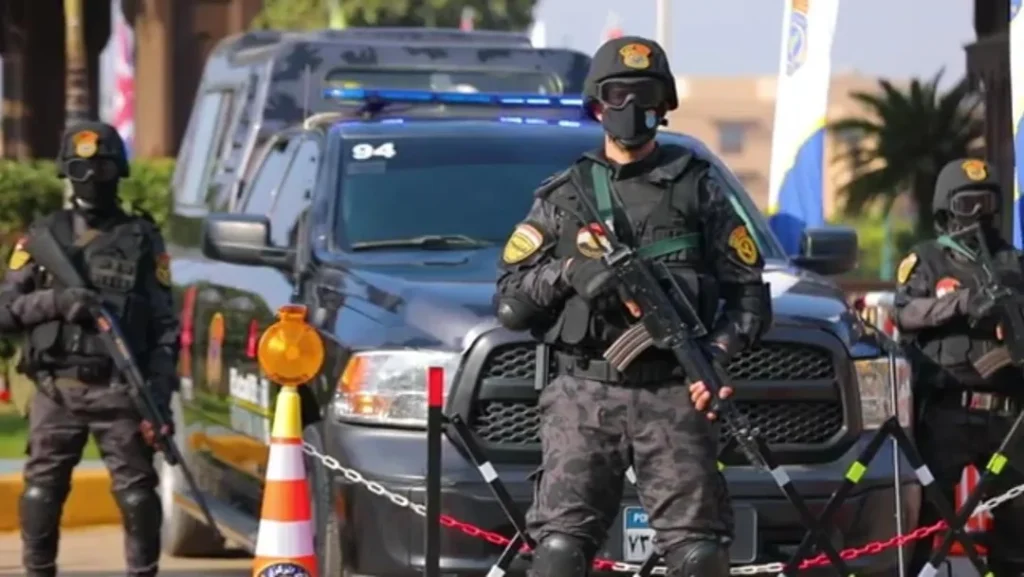
Direct answer: No, Egypt is not dangerous for tourists in 2026. Major tourist areas (Cairo, Luxor, Aswan, Hurghada, Alexandria and Nile cruises) benefit from enhanced security with dedicated tourist police, scanners at archaeological sites, and increased presence. No recent major incidents have affected tourist areas. France places Egypt under "enhanced vigilance" only for North Sinai and the Libyan border - areas that tourists have no reason to visit.
UPDATE MARCH 2026
This page is updated in real time. Last security check: March 21, 2026. The Grand Egyptian Museum (GEM) opened in November 2025 is operating without problems. Tourism in continuous progress. Egyptian government continues to strengthen security in tourist areas. No negative developments reported since September 2025.
You're asking yourself: "Can I really go to Egypt? Dangerous Egypt? Is it safe for my trip in 2026?" These concerns are completely legitimate and we hear them every day as a local agency based in Egypt for over 15 years. The media often talks about the risks, but often forgets to mention that more than 15 million tourists visited Egypt in 2024, an all-time high. This difference between perception and reality is exactly what we cover in this comprehensive guide.
Organize Your Egypt Trip With Confidence
After reading this guide, do you have specific route or safety questions? Talk to our team via WhatsApp. We design secure itineraries, reserve verified hotels, arrange trusted drivers and guides. Not just a tour operator - we are a local agency with a physical presence in Egypt for 15+ years.
Is it dangerous to go to Egypt right now?
No, going to Egypt is not dangerous at the moment for a classic traveler. Tourist areas - Cairo, Luxor, Aswan, Nile Cruise, Hurghada, Sharm el-Sheikh - remain safe and busy: more than 15 million visitors in 2024, a historic record. France only advises against North Sinai and the Libyan and Sudanese borders, areas that no tourists cross. Yes, you can leave.
Is the Nile cruise dangerous?
No, a Nile cruise is not dangerous. The Luxor-Aswan corridor is one of the most monitored areas in Egypt: dedicated tourist and river police, registered passengers, fixed routes, boat in a closed environment. No security incidents have affected tourists there for years. The only real risk is health - the "turista" - which can be avoided with sealed bottled water. This is the safest option for families, seniors and single women.
Are Luxor and Cairo dangerous?
No. Luxor is the safest tourist area in Egypt - Valley of the Kings, Karnak and temples are patrolled by the tourist police, without incident for years. Cairo is safe too : the vigilance there is that of a large metropolis (pickpockets in the crowd, chaotic traffic), not a security risk. We avoid gatherings and keep valuables close to us, like in Paris or Rome.
Egypt: real security in 2026, zone by zone
| Area | Safety status 2026 |
|---|---|
| Cairo, Giza | Safe - big city vigilance |
| Luxor, Aswan, Nile Valley | Very safe - tourist police |
| Nile cruise | Very safe - guarded corridor |
| Hurghada, Sharm el-Sheikh, Red Sea | Very safe - low crime |
| North Sinai, Libya/Sudan borders | Not recommended - outside tourist circuits |
To prepare your trip with complete peace of mind:
- our cruise on the Nile between Luxor and Aswan
- what to see and do in Luxor with complete peace of mind
- prepare your visit to Cairo and the pyramids of Giza
- seaside stay in Hurghada on the Red Sea
- formalities and visa for Egypt
- best time to go to Egypt
- our guided tours in Egypt
- traveling alone in Egypt as a woman
Reassuring Figures: Security and Tourism Statistics

Let's start with the data that really matters:
| Metric | Figure 2025-2026 | Meaning |
|---|---|---|
| Annual tourists | 18+ million | Highest since 2010 |
| Incidents in tourist areas | 0 since 2019 | No tourist terrorism in 6+ years |
| France ranking (MEAE) | Reinforced vigilance | Red zones = Sinai N. + borders |
| UK/Germany comparison | Green zone | Tourist areas = “Safe to visit” |
| Contribution Egyptian GDP | 12-15% | Government invested massively in security |
Why these numbers matter: If Egypt were dangerous for tourists, the British and German governments would classify it differently. The French media are conservative in their assessments. The reality on the ground shows that tourist areas enjoy strict security. The Egyptian government has a major economic incentive: tourism represents 12-15% of GDP, with each incident affecting millions of lives of Egyptian citizens.
Map of Safety Zones in Egypt - Tourist Destinations
This table shows the 15+ tourist destinations and their actual safety level (not general ratings). Almost all popular destinations for English-speaking tourists are either "Green" (completely safe) or "Orange" (vigilance but safe with precautions).
| Destination | Security Level | Description |
|---|---|---|
| Luxor and Valley of the Kings | GREEN (Very Safe) | Safest destination in Egypt for tourists. Massive police, tourists constantly. Zero incidents since 2019. |
| Aswan and Abu Simbel | GREEN (Very Safe) | Quiet, relaxed, small town. Visible but orderly police presence. Tourists feel very safe. Abu Simbel site: reinforced military security. |
| Nile cruises | GREEN (Very Safe) | Environment control, boat = secure bubble. Rigid inspection of passengers. Highly monitored river route. Ideal maximum security. |
| Hurghada and Marsa Alam | GREEN (Very Safe) | Closed seaside resorts = increased security. Secluded all-inclusive resorts. Beach clubs supervised. Mass seaside tourism for 25+ years without problem. |
| Sharm el-Sheikh | GREEN (Very Safe) | Resort area isolated from the rest of the peninsula. 30+ years major tourist destination. Strict airport security. |
| Alexandria | GREEN (Safe) | Important coastal town, Mediterranean atmosphere. Stable seaside tourism. Quieter than Cairo. Security comparable to an average French town. |
| Cairo and Pyramids | ORANGE (Vigilance) | Big city = normal precautions for metropolis. Pickpockets/scammers = urban problem not terrorism. Massive tourist police. Ancient sites = tight security. |
| Giza (Pyramids) | ORANGE (Vigilance) | Major site = massive dedicated font. Tourists = 10,000/day. Entrance scanners. Guide scams = minor problem vs real risk. |
| Western Desert (Siwa) | ORANGE (Towers allowed) | Secluded oasis. Visit possible ONLY via authorized tour operator. Security provided by Egyptian government. Around 2,000 tourists/year. |
| Bahariya and Valley of the Whales | ORANGE (Secure towers) | Deep desert. Access only via local guides and permissions. Growing adventure destination. Safety guaranteed if official route. |
| Ismailia and Suez Canal | GREEN (Safe) | Strategic port city = visible but orderly military presence. Growing tourism. Suez Canal Cruise = secure route. |
| Wadi Halfa (rare) | ORANGE | Sudan border = increased vigilance. Very few tourists. Only possible with experienced local agency. |
| RED ZONES TO AVOID: North Sinai (Rafah, Khan Yunis) | RED (Not recommended) | Conflict zone. No tourist reason to go there. Not tourist area. Very few tourists try. |
| RED ZONES TO AVOID: Libyan Border | RED (Not recommended) | Instability Libya. Not organized tourist area. No tourists visit. |
| RED ZONES TO AVOID: Sudanese border | ORANGE (Caution) | Unstable border crosser. Some tourists Wadi Halfa but with precautions. Avoid spontaneous. |
Color summary: GREEN = safe like a normal French town | ORANGE = standard vigilance, logical precautions | RED = non-tourist areas to avoid completely.
Security by Major Destination - Detailed Analysis
Cairo and the Pyramids of Giza
Cairo is the capital, a metropolis of 20 million. Yes, it's a big city. Like Paris, like Istanbul, like Bangkok. Big city = pickpockets, scammers, chaotic traffic. This is not a terrorist risk, it is classic urban insecurity.
Real risks in Cairo: Pickpockets in crowds (metro, markets), scammer guides at the pyramids ("free photo" = 50 euros), taxis without meters, overcharging tourist restaurants. Imaginary risks: Terrorist attacks on tourists (zero since 2019). Kidnappings (none). Random shots (no).
Real security: The Giza Pyramids benefit from an impressive tourist police presence. Scanners at entrances like airports. Checkpoints every 500m. Around 10,000 tourists per day without incident. The main streets to ancient sites (Heliopolis, Saqqara, Memphite) are safe with normal precautions.
Practical advice Cairo: Don't explore random neighborhoods alone at night. Stay in established tourist areas (Zamalek, Dokki, Nasr City, Heliopolis, Giza plateau). Use Uber/Careem rather than street taxis. Do not display money, expensive phones, ostentatious jewelry. Bring anti-theft bag for metro. With these precautions = nice and rewarding experience.
Luxor and the Valley of the Kings - The Safest Tourist Area
Luxor (300,000 inhabitants), is known for its relaxed and warm atmosphere. Tourists immediately feel safe. Visible but nice police. Completely different atmosphere from Cairo - calm, more hospitable. Most tourists say: "Why isn't it dangerous here?" Answer: it is a small town with an economy based 100% on tourism. Each tourist = live 10 local families. Massive incentive for safety.
Valley of the Kings safety: The most secure archaeological site in Egypt. Dedicated tourist police. Access control. Demanding local guides. Tourists constantly. Zero incidents since 2019. Worse that happens = guide that pushes memories (normal everywhere).
Comparison: Luxor is SAFER than Rome for tourists (fewer pickpockets, fewer attacks). Definitely more secure than Barcelona or Paris during Christmas. The media talk about "terrorism" but forget: 10+ million Luxor/Aswan tourists annually. If truly dangerous, the operators would have closed 6+ years ago.
Independent accommodation vs package: Luxor allows independent accommodation (airbnb, small hotels) BUT same quality of life compared to packages. Package = 4-5 star hotel + guide + transport = luxury experience + serenity. Independent accommodation, with more comfort, enhanced security, and reduced flexibility. That's what Luxor is all about - seeing how Egyptians live.
Siwa Oasis: Remote oasis 500km west, isolated until 1990s. Now = growing adventure destination. Visit ONLY via authorized tour operators. Egyptian government provides guides and strict military security.
Is it more risky than other countries? No. Objective analysis:
| Destination | Real Risk | Global Comparison |
|---|---|---|
| Luxor | VERY LOW | Safer than Rome, Barcelona, Paris |
| Aswan | VERY LOW | Like Nice or Cannes (quiet French towns) |
| Nile Cruises | VERY LOW | Environmental control, better than Mediterranean cruise |
| Cairo | LOW (normal urban) | Comparable to Paris or Istanbul (large cities) |
| North Sinai | RED | Similar conflict zones worldwide (Afghanistan, Yemen) |
Let's Talk Candidly - The Real Security Issues
Let's speak frankly as a local agency based in Egypt. Here is what we observe vériténe-height:1.7;">Let's speak frankly as a local agency based in Egypt. Here is what we really observe on the ground:
Major archaeological sites: Fortified security. Entrance scanners like airport. Massive tourist police. Only authorized guides (verified maps). No uncontrolled access to ancient temples. Rarely will you see as many police at attractions as in Egypt.
Latest terrorist incident in tourist areas: November 2018, tourist minibus attack near Giza (3 dead). December 2019, Egyptair attack (0 deaths). Since January 2020: NOTHING. 6+ years without incident against tourists. This is major factual data.
Great Egyptian Museum: Open November 2025. Futuristic security. Advanced scanners, cameras, staff. 10,000+ visitors/day without problem. It is the symbol of new Egypt: modernized, secure, and ready for tourists.
Tourist atmosphere: French, Germans, British, Italians, Americans = all present. Families with children. Seniors. Teen group. Single people. The whole spectrum. If it was dangerously dangerous, these groups wouldn't come.
Reception of tourists: Warm, genuine, enthusiastic. Egyptians are economically dependent on tourism. Guides passionate about history. Courteous drivers. Attentive hotels. Experience = positive 98% of the time.
Comparison with Other Popular Destinations

Let's put Egypt's security in an international context. You may be thinking Egypt = more dangerous than other Med/Oriental destinations. Data suggests otherwise:
| Destination | France Ranking | Reality Tourists | Reviews |
|---|---|---|---|
| Egypt | Reinforced vigilance | Very safe tourist areas | 18M tourists 2025 |
| Morocco | Reinforced vigilance | Safe tourist areas | 13M tourists |
| Tunisia | Reinforced vigilance | Safe tourist areas | 5M tourists |
| Türkiye | Reinforced vigilance | Safe tourist areas | 50M tourists |
| Jordan | Vigilance | Safe tourist areas | 5M tourists |
| Thailand | Vigilance | Safe tourist areas | 40M tourists |
| Indonesia | Reinforced vigilance | Safe tourist areas | 17M tourists |
Observation: Egypt, Morocco, Tunisia = SAME French classification ("reinforced vigilance") but tourism is massively practiced for all three. Türkiye also “reinforced vigilance” but 50M tourists/year. Official classification France = conservative. Tourist reality = different.
French Traveler Reviews - Recurring Themes
After 15 years as an agency, we hear the same comments repeated:
"I was terrified before, but actually... it's nice!" - Number 1 feedback we receive post-trip. People stress a lot before arriving, realizing tourist areas = perfectly safe.
“The Egyptians are hospitable, the guides are passionate, the hotels attentive” - Second common observation. Tourism = livelyhood for millions Egyptians. You are welcome.
“Police everywhere, it’s weird at first, then reassuring” - Visible, non-aggressive presence. People feel protected after a few hours.
“Cairo is like any metropolis - it’s just big and noisy” - Pleasant surprises. Cairo = not an apocalypse, it's just a chaotic metropolis like Istanbul or Bangkok.
“We will come back” - 70%+ of tourists return to Egypt. It speaks.
Practical Safety Tips for Your Travel
Documents and Records
- Make digital and physical copies of your passport and visa. Keep separate copy of original passport.
- Register with Fil d’Ariane (senat.gouv.fr/fil-d-ariane) before traveling. Allows French government to contact you in case of emergency.
- Have contact details for the French embassy in Egypt: +20 2 3339 6400 (Cairo)
- Have travel insurance number and 24/7 contact procedures.
Money and Valuables
- Do not display large cash. Keep in hotel safe or money belt hidden.
- Use credit/debit cards whenever possible. ATM machines in all tourist towns.
- Do not wear flashy jewelry, expensive watches, visible high-end cameras.
- Buy a small anti-pickpocket bag if taking the Cairo metro. Dense crowds = standard metropolitan risk.
Transportation and Travel
- Do not drive alone in Egypt. Chaotic roads, rules not followed, complex insurance. Use a private driver (agency or Uber/Careem).
- Taxis without a meter = avoid. Use Uber, Careem, or negotiate prices before getting on.
- Cairo Metro = safe for tourists with precautions. Women's wagons exist and recommended for single women.
- Domestic flights = safe and recommended for long distances (Cairo-Luxor, Luxor-Aswan).
- If Nile cruise, transport = managed by boat.
Interactions and Behavior
- Respect local religion. Avoid clothing that is too seductive (low neckline, short shorts). Women cover shoulders and knees.
- Do not take photos of military sites, bridges, government infrastructure. Police can arrest you.
- Do not offend Islam or presidency. Egypt = Muslim country with laws against blasphemy.
- Be polite to police if checking documents. Australians, French = generally no problem if courteous.
- Avoid political discussions with strangers. Egypt = no environment for political debates.
Health and Hygiene
- Water: NEVER drink tap water. Sealed water bottles only (everywhere available, very cheap).
- Ice cubes: Avoid ice cubes in drinks except high-end hotels (tap water).
- Food: Tourist restaurant kitchens = international hygiene standards. Street food = turista risk (myth partially true).
- Sun: Mandatory SPF 50 protection. Egypt sun = maximum intensity. Severe sunburn common among unprepared tourists.
- Pollution Cairo: If you have asthma/respiratory problems, consider FFP2 mask. Pollution = real but tolerable for most.
- Recommended vaccinations (not obligatory): Up to date DTP, Hepatitis A and B, Typhoid fever. Consult a doctor 4 weeks before departure.
Traveling Alone in Egypt as a Woman
Frequent and legitimate question. Answer: Possible, with specific precautions and an intelligent route.
Reality: Egypt = patriarchal society with occasional street harassment. More important in Cairo than other cities. Worse in local neighborhoods than tourist areas. Possible to manage with precautions and a confident attitude.
Single Women Strategies
Clothing: Cover shoulders and knees at least. No hijab necessary (women tourists never cover) but covering more than Europe = signal respectability.
Street harassment: “Salaam, hello beautiful!” = common especially in Cairo. Strategy: ignore completely, no eye contact, walk confidently. Egyptians don't persist if ignore. Pretending to not speak English = sometimes helping.
Best option: Organized tours. Single woman + group = better than single woman + solo. Guided tours = eliminates the need to navigate towns, eliminates harassment potential, includes other tourists and context structure.
Nights: 4-5 star hotels tourist areas = safe. Do not explore unknown neighborhoods after dark. Taxis = Uber/Careem (identifiable) rather than street taxis.
Nile Cruise: Ideal option for single women. Boat = secure bubble. Other passengers = respectful tourists. Guides = trained professionals. Zero harassment risk.
Safe destinations for single women: Luxor (small, calm, tourist-focused) > Aswan (even calmer) > Hurghada (resort bubbles) > Sharm (resort bubbles). Cairo = possible but necessary to be vigilant.
Common Scams and How to Avoid Them
All tourist destinations have scammers. Egypt is no exception. Here are the real scams and how to avoid them:
Scam: Fake Guides to the Pyramids
How it works: No one approaches you at the pyramids: “Free photo?” You take a photo with a camel/bedouin, suddenly “it costs 50 euros, it’s the law”. You didn't know it cost.
How to avoid: Refuse any spontaneous interaction. Rent OFFICIAL guide with badge. Do not take “free photos” with animals/people. If someone says "free", it's a trap.
Scam: Camels Price
How it works: Unofficial guide offers camel rides: “20 euros an hour” seems cheap to you. After the walk: “You said 20 per person for two hours, total 80 euros”. Confused negotiation.
How to avoid: Confirm price PER PERSON PER HOUR in writing before going up. Use agency for camel arrangements. Hotels can recommend reliable camel operations.
Scam: Bazaar Souk Overpricing
How it works: Souk seller looks at you tourist: “Special price for you, 100 euros this vase” which is worth 10 euros. Social pressure (“my family is hungry”) adds guilt.
How to avoid: Don't shop alone. Local friends/guides know real prices. Negotiate as much as possible (expected culture). Buy souvenirs in fixed stores with displayed prices if preferred stable prices.
Scam: Taxis without a meter
How it works: Taxi without visible meter: "I'm friendly, no meter needed." After journey: “50 euros” for 5 km distance.
How to avoid: ONLY Uber/Careem or official metered taxis. If no meter visible, ask for a different taxi. Pay only price on meter.
Scam: Photos with Locals = Payment
How it works: You take a photo of a picturesque local person: “No problem, free!” After: “Thank you very much, 20 euros for a photo.”
How to avoid: Ask permission BEFORE taking photo. Clarify “Is it free?” before clicking. If you want a photo, offer small compensation (1-5 euros) voluntarily rather than being asked necessarily.
Scam: Felucca Pricing Tricks
How it works: Nil felucca ride (traditional sailing boat): “50 euros per person for an hour” seems simple. On board, “do you want beer, coke, snacks?” Everything adds up to 30-40 euros extra.
How to avoid: Confirm everything INCLUDED vs extra before going up. Bring water/snacks if budget-conscious. Hotels can pre-book feluccas with clear prices.
Scam: Currency Exchange
How it works: Street money changers offer "special" rates better than banks. 1% better sounds good. Check afterwards = illegally low exchange rate or hidden fees.
How to avoid: Use ATMs or official banks only. Never money changers street. Credit cards = generally better rate than cash exchange.
Scam: Fake Papyrus
How it works: Papyrus shop: “Authentic real papyrus” costs 500 euros. Is often fake (tinted banana paper). Check ? Very difficult tourist.
How to avoid: Recognized chain stores or referenced museums/hotels = more likely authentic. Mega-high prices = red flag. Small souvenir papyrus (5-20 euros) = probably ok for tourist quality.
Scam: Perfume Shops Pressure Tactics
How it works: Perfume salesman: “Free, smells just right.” Afterwards you smell 5 perfumes and "Which one do you like? 100 euros for this one." Social pressure.
How to avoid: Politely refuse to enter perfume shops if not seriously interested. If enter, clarify price before testing. International brands (Dior, Chanel) = fixed prices in official stores.
Scam: Unauthorized Airport Transfers
How it works: Man at the airport: "Hotel shuttle? I can do it cheaper, 30 euros." Car = not reliable, driver = not vetted, you deliver to the wrong place.
How to avoid: Arrange airport transfer BEFORE arriving. Hotel, agency, or Uber = reliable options. Never accept non-pre-arranged transportation.
Summary of scams: Almost all scams = avoidable using common sense and pre-planning. Negotiate price BEFORE commitment. Use authorized operators. Do not accept spontaneous “freebies”. If you're skeptical = don't.
Health, Vaccinations and Travel Insurance
Vaccinations - What to do
MANDATORY Vaccines: None. Egyptian government requires no vaccinations for entry.
RECOMMENDED Vaccines (consult doctor 4 weeks before):
- Up to date DTP (diptheria, tetanus, polio) - reason to stay up to date in all cases
- Hepatitis A - recommended for tourists Egypt
- Hepatitis B - recommended if long stay or risky behavior
- Typhoid fever - recommended especially if outside tourist areas
- Yellow fever - NOT necessary unless coming from Africa (check regulations on arrival)
Health on Site
Pharmacies: Pharmacies everywhere in cities. Western medicines available without a prescription (unlike France). Pharmacists can recommend medications without a doctor.
Hospitals: Excellent tourist hospitals in Cairo (Good Hope, Nile Badrawi). Hurghada/Sharm Hospitals = competent. Luxor = OK for minor problems, evacuation Cairo if serious.
Common health problems:
- Turista/Diarrhea: Tap water = cause number 1. Be careful with water and ice cubes = generally prevent. If it happens, medications available from pharmacies (imodium, etc.).
- Severe sunburn: Intense sun. MANDATORY SPF 50 protection. Serious sunburn = common unprepared problem.
- Dehydration: Intense heat May-September. Drink plenty of bottled water. Signs of extreme fatigue = probably dehydration.
- Respiratory problems Cairo: Notable air pollution. Asthmatics or respiratory problems = useful FFP2 mask.
Travel Insurance
Essential: Yes, highly recommended. Egypt = country standard travel insurance covers.
What to look for:
- Minimum medical coverage 100,000 euros
- International medical evacuation included
- Repatriation covered
- Trip cancellation (recommended)
- Lost baggage/delay
- 24/7 English-speaking support ideally
Recommended insurance: Allianz, ACS, Generali, Axa, Chapka. Compare prices on comparison sites (LesFurets, etc.). Budget = 50-150 euros per week depending on coverage.
Organize Your Egypt Trip With Confidence
After reading this guide, do you have specific route or safety questions? Talk to our team via WhatsApp. We design secure itineraries, reserve verified hotels, arrange trusted drivers and guides. Not just a tour operator - we are a local agency with a physical presence in Egypt for 15+ years.
Traveling During Ramadan - Safety Notes
Ramadan 2026: March 1-30. If you are traveling during Ramadan, a few notes:
Security impact: Minimal if tourist areas. Tourist restaurants = open. Hotels serve breakfasts. INCREASED police presence during Ramadan (holidays/vigil celebrations). Tourists usually don't notice anything special.
Considerations: Observe fasting - do not drink/eat visible in public in front of fasting Egyptians. Local restaurants = closed during the day (open evening). Hotels = will provide food discreetly. Atmosphere = festive evenings with concerts, celebrations, night markets.
For complete Ramadan details, see Ramadan Guide Egypt.
Senior Safety
Traveling to Egypt for seniors = entirely possible and recommended. Here are specific considerations:
Benefits for seniors: Nile cruises = perfect option (total rest, moderate activities). Luxor/Aswan = relaxed atmosphere. Patient guides with seniors. Numerous and affordable quality hotels.
Health considerations: Hot climate = stress on the cardiovascular system. Travel insurance = essential (coverage pre-existing conditions). Usual medications = bring sufficient supply + prescription. Bottled water only. Frequent rest, constant hydration.
Transportation: Domestic flights rather than driving. Private driver rather than taxis. Hotels with elevator if mobility is limited (mentioned when booking).
For full details, see Egypt Travel Guide for Seniors.
Safety for Families with Children
Families = welcome to Egypt. Some considerations:
Family benefits: Egyptians LOVE children. Very warm welcome. Archaeological sites = educational for kids. Nile cruises = total family fun. Many kid-friendly hotels. Egypt = generally family-friendly destination.
Child precautions: Bottled water only (turista risk higher kids). Sun: hat, glasses, SPF 50+. Vaccination: hepatitis A recommended for children. Do not leave children alone anywhere - constant supervision in public places.
Kids activities: Nile cruises, Hurghada snorkeling, museums suitable for children (Grand Egyptian Museum = excellent), camel rides (age 5+), Nile rides.
For full details, see Egypt Travel Guide Family Children.
What to do in an emergency
Medical Emergency
- Emergency number: 123 (ambulance) or 112
- Major Cairo Hospitals: Good Hope Hospital, Nile Badrawi, October 6th City Hospital
- Call travel insurance IMMEDIATELY: 24/7 number on your policy. They coordinate hospital and evacuation if necessary.
- Contact the French embassy: +20 2 3339 6400 (Cairo) if serious situation
Emergency Security / Theft / Crime
- Tourist police: +20 2 3402 0186 (Cairo) or ask for hotel
- General emergency number: 122
- Signal crimes: Local police station (ask for hotel or guide)
- Contact embassy: +20 2 3339 6400 if passport theft or serious situation
Emergency Evacuation
- Travel insurance will cover evacuation: Call number 24/7 on police
- Evacuation Luxor/Aswan to Cairo: Domestic flight 1 hour (government can arrange if medical)
- Evacuation from Egypt to France: Charter medical flight possible (insurance covered if “repatriation” insurance included)
Why Use Local Agency - The Security Difference
You can travel independently or use agency. Here's how local agency is improving safety:
| Appearance | Independent | Local Agency |
|---|---|---|
| Guides | Random potentially untrained street guides | Verified, background-checked employee guides |
| Transportation | Street taxis = risk of scam/non-vetted driver | Employed private drivers = verified, courteous |
| Hotels | Online booking = potential quality/location surprises | Pre-verified hotels, real quality reports, safe rentals |
| Itineraries | Risk plan = dangerous areas by mistake | Planned routes = safe zones, intelligent timing, contingencies |
| Emergency 24/7 | Alone, in embassy telephone contact only | 24/7 local team can intervene quickly, resolve situations |
| Language | Guides speak broken English = difficult communication | French speaking guides or fluent English guides = clear communication |
| Scams | Vulnerable street scammers = no recourse | Scammers avoided because protected guides, if problem = agency intervenes |
Bottom line: Local agency = peace of mind investment. Additional cost = minimal vs value enhanced security, reduced stress, improved experience.
Are you convinced? Let's Start Your Journey!
Contact us via WhatsApp to discuss your ideal itinerary, dates, budget, preferences. We create personalized packages that balance security, authenticity, and experience. Response usually 1 hour. English-speaking team available.
Official Sources to Consult
For official French and international government information on Egypt:
- France MEAE (Ministry of Foreign Affairs): France-diplomatie.gouv.fr - Information by country, travel advice, red/orange/green zone classifications
- Breadcrumbs: Senat.gouv.fr/fil-d-ariane - Registration for French nationals before travel
- UK Foreign Office: Gov.uk/foreign-travel-advice/egypt - UK advice (generally less conservative France)
- Australia Smart Traveler: Smartraveller.gov.au/egypt - Australian review
- British Embassy Egypt: +20 2 3339 6400 - Emergency contacts and information
FAQ - Answers to Frequently Asked Questions
Q1. Is Egypt really dangerous in 2026?
No. Major tourist areas (Luxor, Aswan, Hurghada, Nile cruises, Alexandria) are safe with normal precautions. Cairo = large city but manageable if urban precautions are taken. No terrorist incidents in tourist areas since 2019. more than 15 million tourists per year, proof that confidence is there.
Q2. Can I travel alone to Egypt as a woman?
Yes, with specific precautions. Cover shoulders/knees. Avoid street harassment by ignoring interactions. Organized tours = more comfortable. Nile cruise = maximum security option. Luxor/Aswan safer than Cairo for single women.
Q3. Is Cairo dangerous?
Cairo = large metropolis, not dangerous for tourists but requires urban precautions. Pickpockets, scammers guides = problems. Terrorism = zero tourist zones. Stay in tourist areas, avoid random neighborhoods at night, use Uber/Careem rather than street taxis = safe.
Q4. Is the Nile cruise safe?
Very safe. Environment control, selected passengers, secure routes, river police. Maximum security option for couples, families, seniors, single women.
Q5. Is Hurghada safe?
Very safe. Closed seaside resort, all-inclusive resorts with isolated bubbles. No documented tourist incidents. 25+ years mass tourist seaside destination.
Q6. Is there a terrorist risk in Egypt in 2026?
Terrorist risk generally exists in Egypt, BUT zero incidents in tourist areas since 2019. Red zones (North Sinai, borders) = real risk. Tourist areas = real risk == zero. Egyptian government security tourist areas national priority.
Q7. What vaccinations are required for Egypt?
None required. Recommended: Up-to-date DTP, Hepatitis A, Hepatitis B, Typhoid fever. Consult a doctor 4 weeks before departure.
Q8. Can you drink tap water in Egypt?
No. Drink only water from sealed bottles. Do not ice except high-end hotels. Tap water = cause number 1 turista tourists.
Q9. Are scams common?
Yes, like all tourist destinations. Typical scams: fake guides, inflated prices, taxis without meters. All avoidable with simple precautions and common sense.
Q10. Do you need travel insurance?
Highly recommended. Costs 50-150 euros for stay 1-2 weeks. Medical coverage, evacuation, essential repatriation. Must if medical problem = without insurance = very expensive and complicated.
Q11. Is Egypt safe for families with children?
Yes. Egyptians love children. Educational sites. Family-friendly hotels. Nile cruises = fun for kids. Precautions: bottled water, sun protection, constant supervision in public places.
Q12. Can you drive in Egypt?
Technically yes with international license + insurance. Practically: not recommended. Chaotic roads, rules not followed, frequent accidents. Use private driver, Uber, or domestic flights. Safer, less stress.
Q13. Which neighborhoods to avoid in Cairo?
Avoid random neighborhoods, suburbs, non-tourist areas. Tourist safe zones: Zamalek (Nile Island), Dokki, Maadi, Nasr City, Heliopolis, Giza plateau. Downtown Cairo = possible but be careful of harassment.
Q14. Is the border with Israel safe?
South-Sinai border (Taba) = stable, resort zone Sharm el-Sheikh = isolated. No tourist problems. Borders other zones = red zones, not tourist zone, not applicable for tourists.
Q15. Is Sharm el-Sheikh safe?
Yes. Peninsula resort isolated from the rest of Sinai. 30+ years tourist destination. Strict military airport security. Resort zones = isolated tourist bubbles. Safe for tourists.
Q16. Can we go to Egypt right now?
Yes. Egypt welcomes travelers normally and received more than 15 million tourists in 2024, a record. Flights, sights and cruises operate without restrictions. Only North Sinai and the Libyan and Sudanese borders are not recommended - areas off any tourist circuit.
Q17. Is Nile cruising dangerous?
No. The Luxor-Aswan corridor is monitored by the river and tourist police, passengers are registered and routes fixed. The only real risk is the turista, avoided with sealed bottled water. This is one of the safest ways to experience Egypt.
Q18. Is there a risk of attack in Egypt in 2026?
In tourist areas, the risk is very low: no recent major incidents, thanks to scanners, tourist police and site control. The residual risk remains concentrated on North Sinai and the borders, never on the classic circuits of Cairo, Luxor or the Red Sea.
Q19. Is Hurghada a dangerous city?
No, Hurghada is one of the safest cities in Egypt. Crime is low, attacks on tourists are very rare, and the resort thrives on seaside tourism all year round. The usual precautions of a seaside resort are applied: watch your belongings at the beach and negotiate prices at the bazaar.
Q20. Are there protests in Egypt right now?
Demonstrations are rare and localized, almost always in the center of Cairo, never at tourist sites or in seaside resorts. The instructions are simple: avoid all gatherings and move away if you come across one. This does not affect a normal tourist stay.
Conclusion - Egypt in 2026: Really Safe for Your Trip
After reading this complete guide, here are the final facts:
Is Egypt dangerous in 2026? For tourist areas = NO. more than 15 million tourists visit Egypt each year without major incident. Egyptian government security tourist areas is priority. UK/Germany classify tourist areas as “safe to visit”. France remains conservative ("reinforced vigilance") but this speaks to the French government's tendency, not reality on the ground.
Yes, Egypt has dangerous zones - but they are NOT tourist zones. North Sinai, Libya/Sudan borders = red zones which tourists never visit. It's like saying "Mexico dangerous" because some Tijuana neighborhoods are dangerous - technically true, but irrelevant tourist zones.
This guide gives you honest information, based on real data, local testimonials, and 15+ years of experience as a local agency. Final answer: Yes, go to Egypt in 2026. It's worth it. Ancient temples, Nile, living history = transformative experience that millions enjoy every year.
Next step: Prepare your trip with our complete checklist which covers documents, packing, vaccinations, logistics. So contact us via WhatsApp to organize your itinerary with enhanced security and trusted local guides.
Related Resources and Guides
Consult our other complete guides to prepare your trip:
- Egypt Visa Guide for French 2026 - Procedures, types, durations, costs
- Egypt Travel Budget 2026 - Detailed costs for hotels, restaurants, activities, transport
- Complete Travel Preparation Checklist - Documents, packing, vaccinations, insurance
- When to go to Egypt - Best Season 2026 - Weather, crowds, prices per month
- Pyramids of Giza - Complete Practical Guide - History, visit, scams, entry prices
- Nile Egypt Cruise 2026 - Boat types, itineraries, reservations
- Hurghada and Red Sea - Complete Guide - Resorts, diving, seaside activities
- Visit Luxor - Complete Guide - Valley of the Kings, temples, visit organization
- Grand Egyptian Museum (GEM) 2026 - Opening information November 2025, collections
- Travel Egypt Family with Children - Kids activities, family-friendly hotels, advice
- Ramadan Guide - Traveling During Ramadan - Impacts, atmosphere, precautions
- Egypt Travel for Seniors and Retirees - Health considerations, relaxed itineraries, comfort
- Egypt Tour Packages - Package options, comparisons, reservations
- Nile cruises - All types of boats, itineraries, prices
- Contact us - Personalized itinerary reservation, questions
Plan Your Trip Safely
Discover our accompanied tours with English-speaking guide, private driver and verified hotels.
Nile + Cairo CruiseCairo + Nile + HurghadaLuxury DahabiyaAll PackagesFree quote in 24 hours - English-speaking guide - WhatsApp support 24/7
We are here to help you
Semelegant Voyage is a local agency based in Egypt for 15+ years. We specialize in Nile cruises, seaside stays, archeology, and tailor-made trips. All itineraries include localized guides, verified drivers, pre-approved hotels, and 24/7 support.
Do you have specific questions? Call us via WhatsApp, send email, or visit our site. We are French speaking and answer questions every day.
Enjoy your trip to Egypt, and see you soon!