
By the Sem Elegant Voyage team | Revised September 2026
Marsa Alam is the part of the Egyptian Red Sea that most British holidaymakers still overlook. This coastal town roughly 270 km south of Hurghada trades the high rise hotel strips for wild beaches, a house reef you can swim from the sand, and a bay where dugongs graze on seagrass a few metres from snorkellers. Our Cairo based team has sent clients to Marsa Alam for years, mostly people who have already done a Hurghada or Sharm el-Sheikh trip and want the quieter, more marine focused side of the Red Sea. This guide covers the beaches, the diving at Elphinstone and Dolphin House, where to stay, flights from the UK, and what the whole thing actually costs.
Marsa Alam at a Glance
Marsa Alam is a Red Sea town built around diving and quiet beaches rather than nightlife. The headline draws are Abu Dabbab, where dugongs and green turtles feed close to shore, and two of the Red Sea's best known dive sites, Elphinstone Reef and Dolphin House (Shaab Samadai), home to a resident pod of spinner dolphins. There is no direct UK flight in summer 2026: most British visitors fly into Hurghada and continue by road, or route via Cairo and a Nile cruise. The best months for calm seas and comfortable beach weather are roughly March to June and September to November.
The Best Beaches Around Marsa Alam
Dugongs at Abu Dabbab
Abu Dabbab is a shallow, seagrass filled bay a short drive north of Marsa Alam, and it is the reason most people first hear of the town. Dugongs graze on the seagrass here, alongside green turtles and rays, and the water is calm and shallow enough for confident beginners to snorkel comfortably. Sightings are common rather than guaranteed: expect a strong chance of seeing a dugong or turtle on any given morning, not a certainty.
Entry runs to roughly £10 to £15 per person (mask and snorkel hire adds a little more), and it is free if you are staying at one of the beachfront hotels. Arrive before 9am if you can: by late morning the bay fills with day trip groups from resorts further along the coast, and the water gets busier and murkier as more people wade in.
Sharm El Luli: The Empty Beach
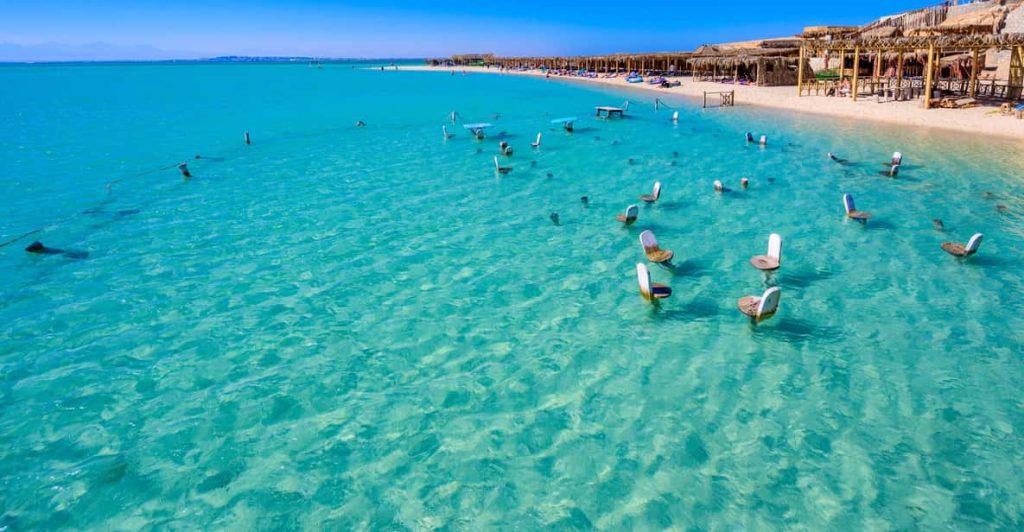
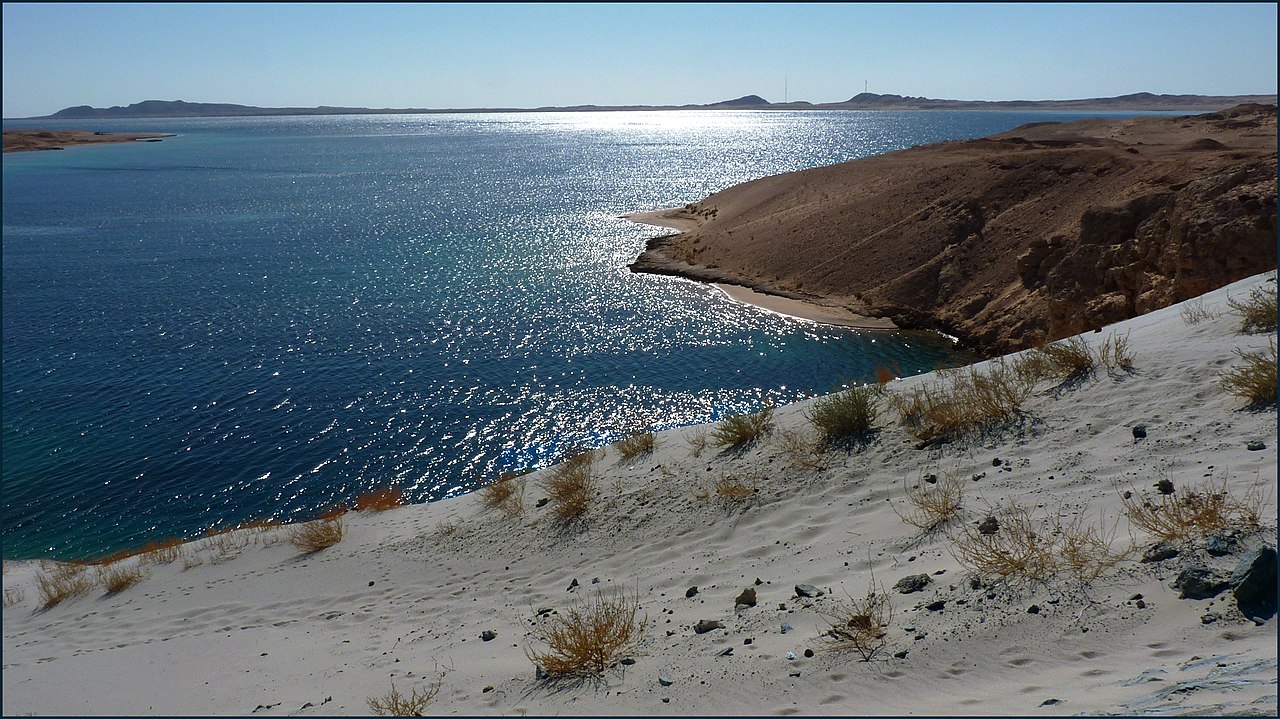
Sharm El Luli sits around 60 km south of Marsa Alam, a lagoon of white sand, pale sandstone cliffs and startlingly clear water with almost nothing built on it. There is no permanent bar or restaurant here, just the beach and, on a quiet day, one or two other groups. The coastal track is rough enough that most visitors go by 4x4 or as part of an organised day trip rather than a hire car, and the drive typically takes around an hour to an hour and a half from Marsa Alam depending on where you start.
Day trips from local agencies run roughly £25 to £40 per person with a minimum group size, departing early and returning by mid afternoon. The appeal is entirely the setting: coral visible metres from the shore, a wide, protected bay, and none of the beach clubs that line the coast further north.
Marsa Alam Town Beach
The town's own beach is a modest strip of sand beside the small port, with a few Bedouin style cafes rather than resort infrastructure. It is free to use, the water is clear if less dramatic than Abu Dabbab, and it draws a mostly local crowd of fishermen and their families rather than tourists. It is worth an hour with a coffee, less for the scenery than for a look at how the working town actually functions away from the hotel strip.
OUR PICK
A morning at Abu Dabbab followed by lunch and a coffee in Marsa Alam town covers the two very different sides of this coast in a single day, for well under £20 a head.
Scuba Diving in Marsa Alam: Elphinstone and Dolphin House
Elphinstone Reef: For Experienced Divers
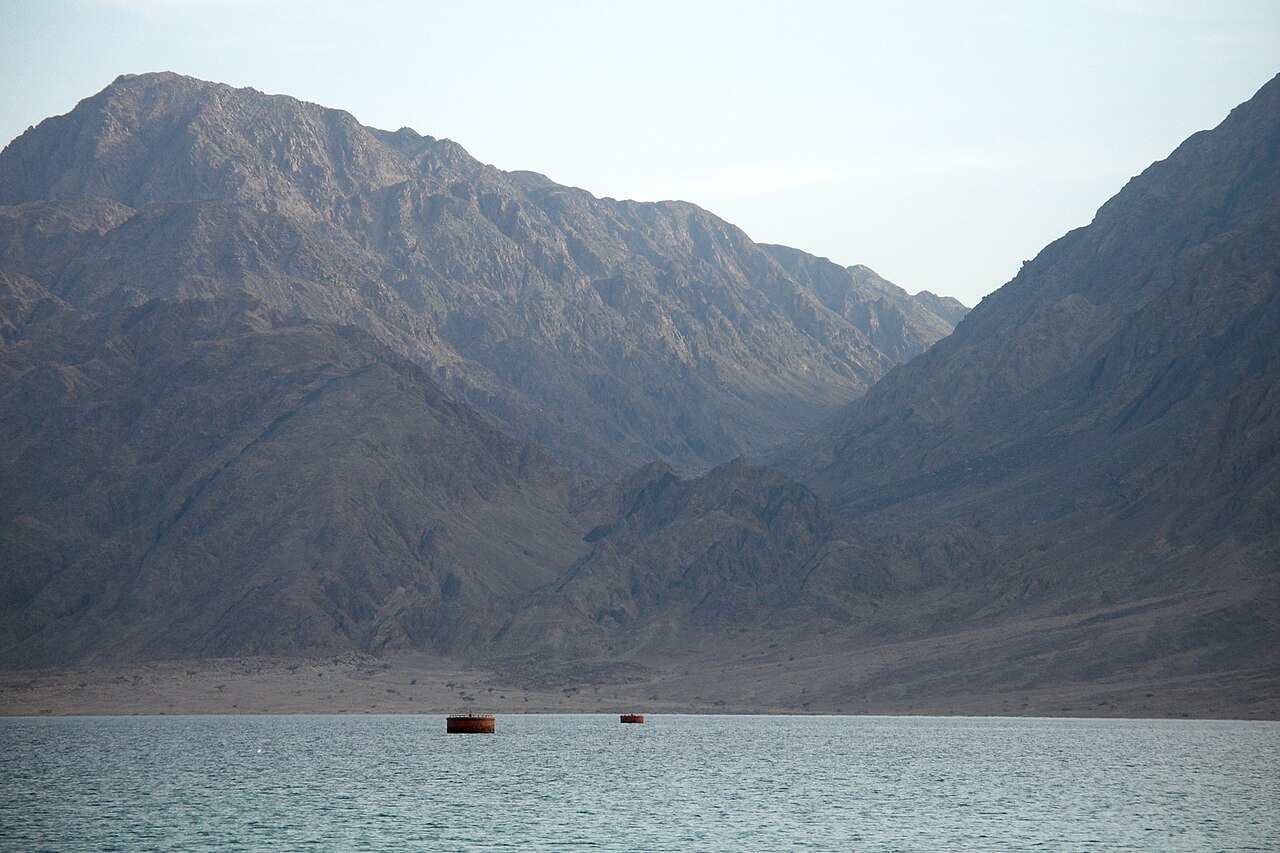
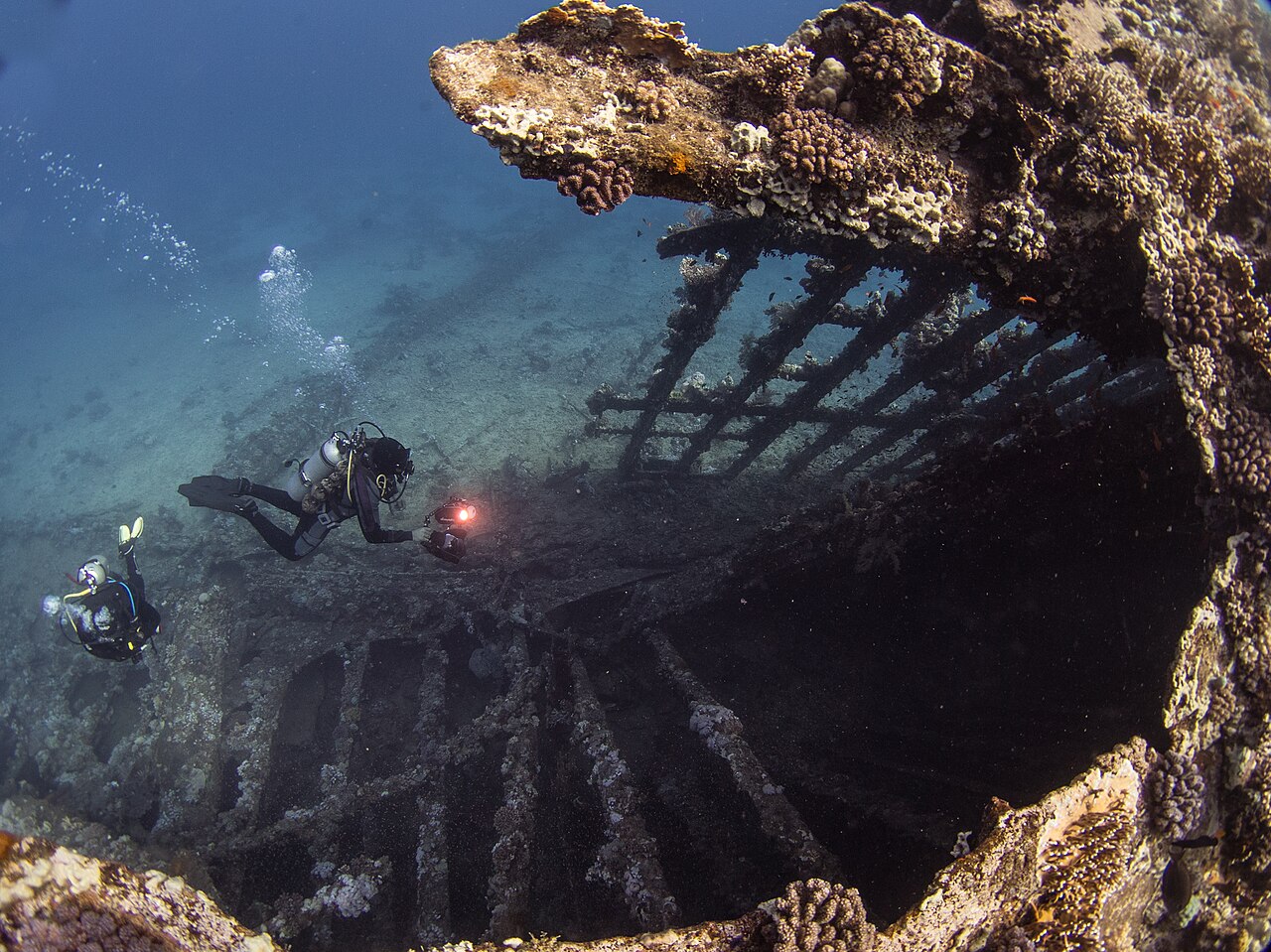
Elphinstone is an isolated offshore reef around 30 km up the coast from Marsa Alam and roughly 15 km out from the shoreline, reached by boat rides that run from about 25 minutes by speedboat from the nearest jetty up to an hour or more from Marsa Alam's own marina, depending on your operator. Sheer walls, strong currents and open water make it a serious dive: most centres want to see an Advanced Open Water certificate (or the equivalent) and a reasonable number of logged dives before they will take you, and a Nitrox qualification is genuinely useful given how quickly the deeper sections eat into no decompression limits. Grey reef sharks, big schools of barracuda and, in season, the occasional whale shark are the draw, though whale sharks are a lucky sighting rather than a routine one.
A two dive day trip typically runs £70 to £95 per person, departing early and back by mid afternoon. If you are not yet certified, local dive centres run PADI courses (roughly £280 to £350 for an Open Water certificate over three to four days), and it is worth doing that course on the calmer house reefs before you think about Elphinstone at all.
Dolphin House (Shaab Samadai): Spinner Dolphins
Dolphin House, properly Shaab Samadai, is a horseshoe shaped reef around 15 km southeast of Marsa Alam and home to a resident pod of spinner dolphins that use the sheltered lagoon to rest during the day. It has been a protected marine park since 2004: snorkelling is restricted to a designated zone, access runs roughly 10am to 2pm for snorkellers and a little longer for divers, and the northern half of the reef is off limits entirely to give the dolphins somewhere undisturbed. Sightings are frequent rather than certain, since the pod moves around the wider bay.
An organised boat trip, usually combining the dolphin viewing area with a second stop on the surrounding coral, runs roughly £40 to £55 per person, all in, for a half day out of Marsa Alam marina. No certification is required and it suits snorkellers as well as divers, which makes it the natural pairing with Elphinstone if you want one adrenaline dive and one gentler day on the water.
DIVING ADVICE
New to diving or without a certificate? The dive centres in Marsa Alam run quick PADI Open Water courses, typically three to four days, on calm house reefs close to shore. Get that done first, then build up to Elphinstone.
Where to Stay: Resorts vs Independent Hotels
All Inclusive Resorts
A string of all inclusive resorts (3 to 5 star) runs along the coast either side of Marsa Alam, most with a private beach or a stretch of house reef right offshore. Expect roughly £70 to £130 a night for a double room with meals and drinks bundled in. It is the easy option: you stay put, use the house reef and join whichever excursions the resort offers, with no logistics to arrange yourself. The trade off is that you are largely inside a tourist bubble, and the food leans Western rather than Egyptian.
Independent Hotels in Town
Marsa Alam town itself has a handful of modest 2 to 3 star hotels, typically £30 to £45 a night. You eat in small local restaurants (roughly £3 to £9 a meal), arrange your own transfers and diving, and get a much closer look at how the town actually runs. Wifi and air conditioning are hit and miss, but the food is often better and considerably cheaper than at the resorts. Add hotel and meals together and a day here runs to roughly £50 to £70, well under the all inclusive figure, in exchange for arranging your own logistics.
COMPLETE RED SEA TOURS
Combine Marsa Alam with Hurghada and cover both the resort side and the quieter, wilder side of the Egyptian Red Sea in one trip.
How to Get to Marsa Alam
Flights from the UK
There is no year round direct flight from the UK to Marsa Alam International Airport (RMF). TUI Airways runs a seasonal direct service from London Gatwick, most recently scheduled to resume for the winter season (roughly November to April), once a week. Outside that window, the practical route is a direct flight to Hurghada (around 5 hours from the UK), then a road transfer or a domestic connection south, or flying into Cairo and combining Marsa Alam with the pyramids and a Nile cruise. We book whichever route makes sense for your dates rather than defaulting to one option, since availability changes season to season.
From Hurghada or Luxor
From Hurghada, a private transfer or shared taxi down the coast road takes roughly three hours, and hire cars are available at the airport if you would rather drive yourself. A private car with driver typically runs £70 to £90 for the day, including fuel, and is the more comfortable option if you are travelling as a group or with a lot of luggage.
Pairing With a Nile Cruise
Finishing a Nile cruise in Luxor or Aswan pairs naturally with a few days on the coast: several operators combine a 3 to 5 night sailing with 3 to 5 nights in Marsa Alam. All in, including hotels, cruise, meals and transfers, that combination typically runs £1,200 to £1,550 per person. Temples and the river first, the Red Sea to unwind afterwards, in one connected itinerary rather than two separate trips.
Book Your Stay
Tell us your dates on WhatsApp and our Cairo team will put together a tailor made Marsa Alam itinerary, flights included.
Response in under 2 hours, seven days a week, no obligation
When to Go: Marsa Alam Weather and Sea Temperature
December to February: air around 22 to 26°C, sea at its coolest for the year, roughly 22 to 23°C. Excellent underwater visibility and the fewest crowds, though a wetsuit makes a real difference for longer dives, and beach days are pleasant rather than hot.
March to June: air climbs from the high 20s to the mid 30s°C, sea warms to roughly 24 to 27°C. This is generally reckoned the best window for calm seas, warm but not scorching air, and comfortable beach time, which is why our team steers most first time visitors towards these months.
July to September: genuinely hot, with air regularly in the high 30s to low 40s°C and sea at its warmest, around 28 to 29°C. Diving stays comfortable in warm water, but the beaches are hard going in the middle of the day unless you are used to serious heat. Rates drop noticeably in this window.
October and November: a gentler transition back down, with air in the low 30s°C and sea still a comfortable 27 to 28°C, alongside the return of the seasonal direct TUI flight from Gatwick. A sound alternative to spring if your dates are fixed by half term or a school holiday.
Plan Your Dates
See our month by month calendar for Egypt to weigh Marsa Alam against the rest of the country.
Response in under 2 hours, seven days a week, no obligation
What a Trip to Marsa Alam Actually Costs
Hotel (independent, town): roughly £30 to £45 a night.
Local meals: roughly £3 to £9 a meal. A Bedouin style coffee costs next to nothing; a tourist restaurant runs closer to the top of that range.
Diving: roughly £45 to £95 per trip, depending on the site and whether it is a two dive day at Elphinstone or a single local reef dive.
Beach and boat excursions (Abu Dabbab, Dolphin House, Sharm El Luli): roughly £10 to £55 depending on distance and whether transport is included.
Local transport (shared taxi): roughly £3 to £10 per trip.
Put together, a day of hotel, meals and one activity in Marsa Alam on the independent route works out at roughly £70 to £110, noticeably less than the equivalent day at an all inclusive resort once you count diving and excursions on top of the room rate. Figures are hedged 2026 estimates and move with the season and the exchange rate, so we sharpen them to your actual dates on WhatsApp.
Combining Marsa Alam With Other Destinations
Marsa Alam and Hurghada: around three hours apart by road, and a logical pairing. Three days in Hurghada for the diving, nightlife and restaurants, then three days in Marsa Alam for the quieter beaches, dolphins and dugongs, gives you two genuinely different sides of the Red Sea inside a single week.
Marsa Alam with a cruise on the Nile: four to five days sailing Luxor to Aswan, followed by three to four days at Marsa Alam. Temples one week, beaches and reefs the next, a combination that rarely disappoints, for roughly £1,500 to £1,700 per person including hotels, cruise and transport.
Marsa Alam with Abu Simbel: fly into Hurghada or Aswan, take in Abu Simbel, then head south to Marsa Alam by road. A demanding loop, but five to seven days covers it comfortably for travellers who want temples and the coast without doubling back.
12 DAY TOURS
Our Cairo to Marsa Alam itinerary combines temples, the Nile and the Red Sea in one connected route.
Safety and Practical Advice
Marsa Alam feels notably relaxed by Egyptian resort standards. Fewer tourists than Hurghada means fewer touts, a visible local police presence, and regular patrols along the coast road. The established tourist areas here sit well within the zones the UK Foreign, Commonwealth and Development Office rates as safe for travel; see our full 2026 Egypt safety guide for the detail behind current FCDO advice.
Bring sun protection rated SPF 50, a hat, sunglasses and light clothing. Tap water is not for drinking: buy bottled water, which most hotels and shops stock cheaply. Check with your GP about routine travel vaccinations before you go, and pack reef safe sun cream if you plan to snorkel, since regular sunscreen contributes to reef damage in these shallow, heavily visited bays.
English is widely understood in hotels, dive centres and tourist restaurants. A little Arabic goes a long way with local vendors and drivers, and is always warmly received.
Why Marsa Alam Is Worth the Extra Journey
Marsa Alam does not have the Pyramids, the museums of Cairo, or the nightlife of Hurghada. What it has is a stretch of Red Sea coast where the reef starts close to the beach, the dive sites still feel wild, and a morning with dugongs at Abu Dabbab or dolphins at Shaab Samadai genuinely changes how you think about a "beach holiday". Five to seven days is enough to cover the beaches and a couple of dive trips comfortably; some of our repeat clients now build a Marsa Alam stop into every Egypt trip they take.
Before you book, it is worth reading our Egypt travel budget guide to see how a Marsa Alam stop fits against a wider trip.
Frequently Asked Questions About Marsa Alam
Is Marsa Alam worth visiting?
Yes, particularly if you have already done a more built up Red Sea resort and want quieter beaches and closer to shore reefs. Abu Dabbab's dugongs, the spinner dolphins at Shaab Samadai and the wall dive at Elphinstone are all genuinely distinctive, and the town itself stays low key compared with Hurghada or Sharm el-Sheikh.
How do you get to Marsa Alam from the UK?
TUI Airways runs a seasonal direct flight from London Gatwick, typically operating over the winter months. Outside that window, most travellers fly direct to Hurghada and continue by road (around three hours), or route via Cairo and combine Marsa Alam with the Pyramids and a Nile cruise.
Can you see dugongs at Abu Dabbab?
Sightings are common but not guaranteed, since dugongs move around the bay to feed on seagrass. Arriving early in the morning, before the day trip boats and crowds build up, gives you the best chance, along with a good likelihood of green turtles even on days when the dugong stays out of sight.
Do I need to be an experienced diver for Elphinstone?
Most dive centres require an Advanced Open Water certificate or its equivalent, plus a reasonable number of logged dives, because of the strong currents and open water conditions. Beginners are better off starting on Marsa Alam's calmer house reefs and building up to Elphinstone once they have the experience and, ideally, a Nitrox qualification.
What is Dolphin House and can beginners go?
Dolphin House, or Shaab Samadai, is a protected reef southeast of Marsa Alam where a resident pod of spinner dolphins rests during the day. It suits snorkellers as well as divers, with no certification required, though access hours are restricted and snorkelling is limited to a designated zone to protect the dolphins.
When is the best time to visit Marsa Alam?
March to June and September to November generally offer the best mix of warm, comfortable air temperatures, calm seas and good underwater visibility. December to February is cooler and quieter, while July to September is very hot, though sea temperature and diving conditions stay pleasant throughout the summer.
Is Marsa Alam better than Hurghada for diving?
They suit different priorities rather than one being straightforwardly better. Marsa Alam has fewer boats and arguably wilder sites such as Elphinstone, while Hurghada has a bigger choice of dive centres, easier access and more infrastructure. Several of our clients combine both in one trip rather than choosing.
How much does a week in Marsa Alam cost?
An independent week, hotel, meals and a couple of diving or boat trips included, typically runs £500 to £800 per person before flights, and an all inclusive resort week runs somewhat higher once you add excursions. Costs move with the season and the exchange rate, so we sharpen the figure to your dates on WhatsApp.
Is it safe to travel to Marsa Alam?
The established tourist areas of Marsa Alam sit within the parts of Egypt the UK Foreign, Commonwealth and Development Office rates as safe for travel. It is, in practice, one of the calmer Red Sea resorts, with fewer crowds and touts than Hurghada or Sharm el-Sheikh. See our full safety guide for the current FCDO position.
Can you combine Marsa Alam with a Nile cruise?
Yes, and it is one of the most popular combinations we arrange. A four to five night Luxor to Aswan cruise pairs naturally with three to four nights in Marsa Alam, giving you temples and the Nile in the first half of the trip and Red Sea beaches and reefs in the second.
Is there anything to do in Marsa Alam besides diving?
Snorkelling at Abu Dabbab and Sharm El Luli needs no certification at all, and both work well for non divers. The town itself, a few desert safari operators, and the wider Red Sea coast all give non diving travellers plenty to fill a week, alongside simply relaxing on beaches that are far less developed than the ones further north.
Ready for Marsa Alam?
Our local team arranges your dives, hotels and trips to the dugongs and Abu Dabbab.
Response in under 2 hours, seven days a week, no obligation