
By the Sem Elegant Voyage team · 26 March 2026 · Kept up to date
Quick response
A Nile cruise in summer (June-August): temperatures 40-45°C, dry winds, prices 50% cheaper than winter. Advantages: low prices, less crowded temples, warmer water. Disadvantages: oppressive heat, low tourist rate (less life on board), health risks (dehydration, sunburn). Verdict: possible if you can tolerate extreme heat and have strategies to cool down.
Every summer we receive the same question: “Prices are divided by 2. Can I really cruise in July? »
Straight answer: both. It can certainly be done. It will not suit every traveller.
Over 15 years in business we have met both ends of the spectrum: guests who went in July and swore "never again, I thought the heat would finish me", and guests who return every single summer because they genuinely love it.
This guide won't sell you a fantasy. He tells you the brutal truth.
Thermal Reality: 40-45°C
No point pretending: summer in Egypt is hot. Seriously hot.
July in Luxor averages 41°C and can touch 45°C. Because the air is so dry (15-20% humidity), perspiration disappears almost as soon as it forms, so you feel less sticky than on a humid Mediterranean beach. The heat itself, though, is oppressive.
Comparison: summer in Paris is 25-28°C. Summer in Marrakech is 35-38°C. Egypt in summer is 40-45°C. This is a different category of heat.
Info: Cruise Temperature
On board the boat, air conditioning is your wall. The cabins go down to 20-22°C. But as soon as you go out, you hit the wall of heat. Upper decks: 50°C+. Excursions: 45°C+.
Real Benefits of Summer
Advantage 1: Prices (Really 50% Cheaper)
A 4-star boat in November costs £2,150 (2 people, 7 days); in July the identical boat is £1,080.
It's huge. A budget of £1,150 per person in winter becomes £580 in summer. For budget travelers, it's game-changing.
Concrete example: for £1,540 (tight budget for a couple), you have a 3 star hotel in November. In July? A 4 star with free upgrade.
Advantage 2: Temples Less Jostling
It's paradoxical: fewer tourists = more authentic experience.
Karnak sees 3000 visitors in November and 300 in July, leaving the temples very nearly empty for you.
This means: photos without tourists in the background, deeper connection with the guides (they don't have to shout for 50 people), time to really look at the hieroglyphs.
Advantage 3: Warmer Water, Better Swimming
In November, the water in the Nile is 22-24°C (not great for swimming). In July, it is 28-30°C (perfect).
If you like swimming from the boat or kayaking, summer is best.
Advantage 4: Longer Sunsets
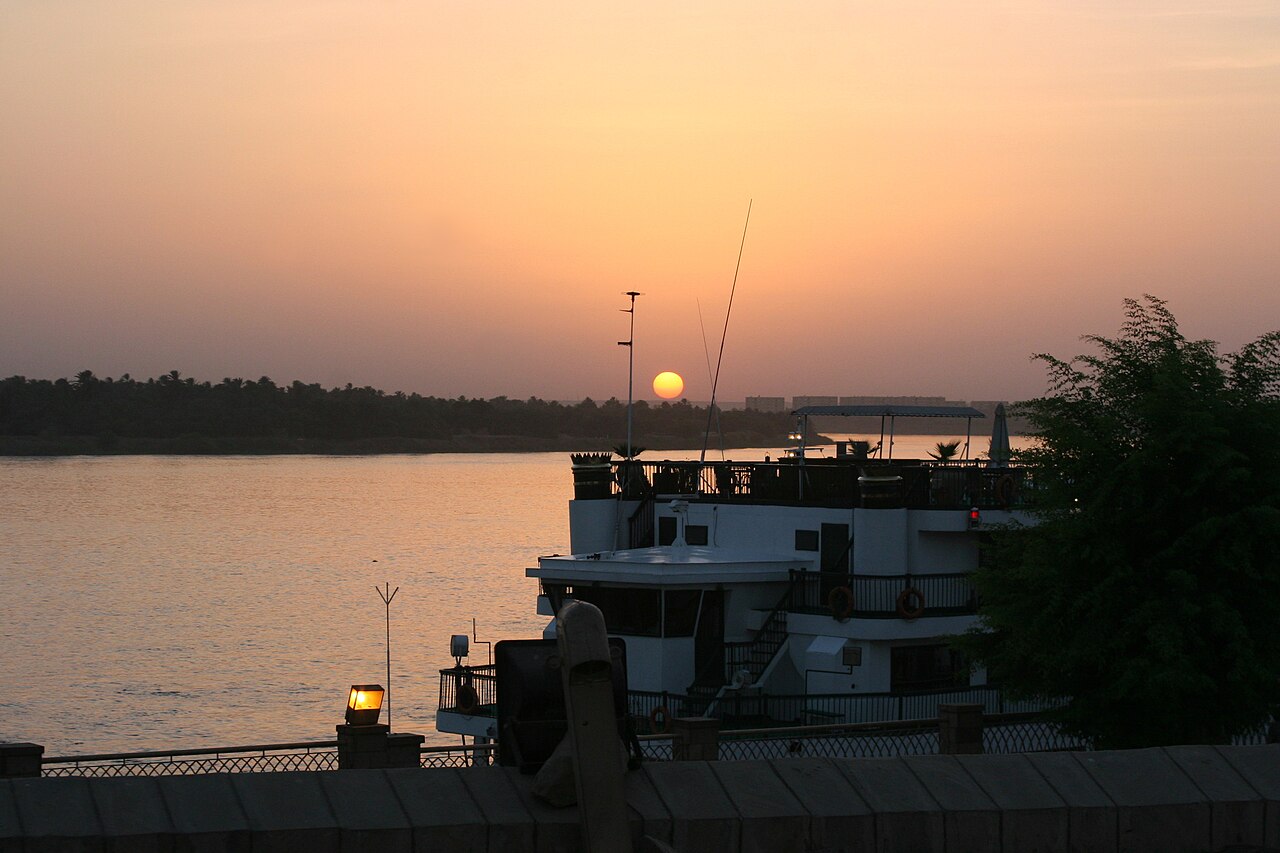
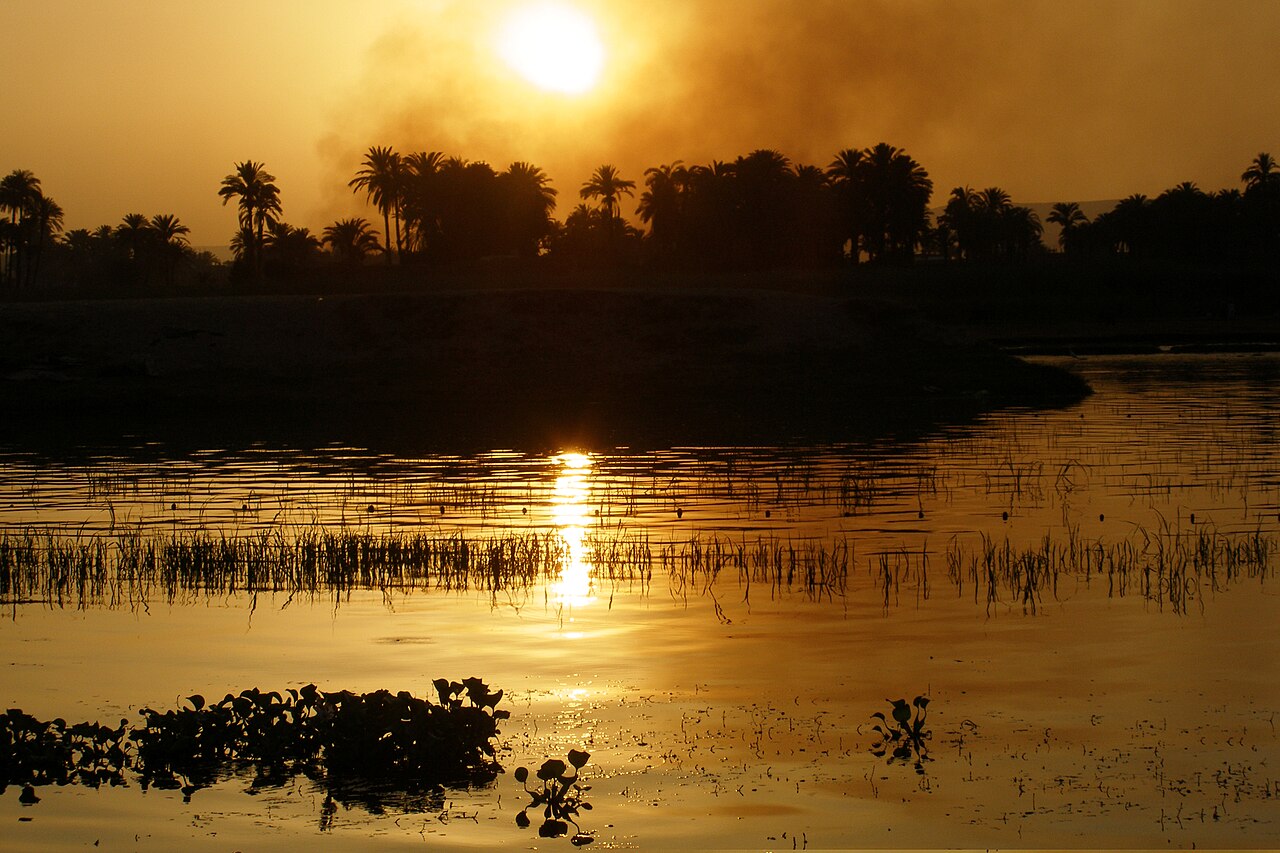
Summer also gives you longer evenings: the sun sets at 7.30pm, against 5.15pm in winter, so there is more time up on deck.
Advantage 5: Schedule Flexibility
With fewer bookings on board, summer boats can shift excursions into the cooler hours (6am to 9am, then 6pm to 8pm), and they are more willing to be flexible.
Serious Disadvantages

Disadvantage 1: Suffocating Heat
Let's imagine you are standing at 8 a.m. facing the Colossus of Memnon. You are in a group of 20 tourists. The guide speaks. You're already sweating. You drank 1 liter of water, you need a wash.
Midday finds you standing before Abu Simbel in 45°C, with 3 temples already behind you since breakfast, and your body begging for a halt.
This is reality. Excursions generally last 4-5 hours. In summer, it's mental and physical.
Disadvantage 2: Serious Health Risks
Sunburn: Even with SPF 50, you can raw in 20 minutes. Most travelers return with burns.
Dehydration: You should drink 3-4 liters per day. If you forget, dizziness, headache, mental confusion.
Heat stroke: Rare but serious case. Body temperature > 40°C. Symptoms: extreme fatigue, severe headache, dry skin. Medical evacuation required.
Digestive problems: Heat + water/food = higher gastro risk.
Disadvantage 3: Reduced Maintenance on Board
Fewer guests means upkeep gets the bare minimum. Pools may be shut (low demand), the air conditioning runs flat out and can fail, and the restaurant offers a shorter menu.
You don't have the "resort" experience that you have in November.
Disadvantage 4: Little Social Life
The same boat carries 200 passengers in winter and 80 in summer, so half the dining room sits empty and the mood can feel flat.
If you are traveling alone or as a couple, this is not a problem. If you're hoping to meet other travelers, disappoint.
Disadvantage 5: Extreme Fatigue
Heat drains you. Even a 1-2 hour outing leaves you in bed by 9pm, worn out, which makes evenings ashore hard work.
In November: you have energy for 2-3 excursions per day. In summer: 1 excursion max, then rest.
Tips for Surviving the Heat
Tip 1: Time your Excursions
Insist on visiting the sites between 5-9am (cooler) and 5-8pm in the evening (sunset). Avoid 11 a.m. to 5 p.m.
Boats running in summer put up with it; they have little to lose.
Tip 2: Serious Sun Proteins
Reef-safe SPF 50+, topped up every 2 hours, plus a hat, sunglasses and a loose long-sleeved shirt.
You will sweat. Remember: dry air evaporates sweat, so you don't feel as wet as in humid summer. But the sun still shines.
Tip 3: Obsessive Hydration
Carry a 1.5L water bottle always with you. Goal: finish 3-4 bottles per day (4-5 liters).
Waiting until you feel thirsty is a mistake; in this heat thirst lags behind need. Sip something every 20 minutes.
Add salt and potassium to keep your electrolytes balanced.
Tip 4: Stay in AC Regularly
Don't force it. If you feel dizzy, return to the air-conditioned cabin. It's OK. Health first.
Build in a “siesta”: cabin time from 2pm to 5pm, then head out at 6pm.
Tip 5: Light and Long Clothes
It sounds backwards, but loose full-length clothing in white cotton beats shorts and a t-shirt: it shields the skin while still letting air move.
Shorts + t-shirt = burn on legs.
Tip 6: Pick a Boat Whose Air Conditioning Really Works
Before booking in summer, ask for the age of the boat and AC power. The ultra-modern boats (Steigenberger, Oberoi) have ACs that ice the cabins. Boats 20+ years old are insufficient.
Come summer, which boat you choose makes a real difference.
Tip 7: Useful Medicines
Bring: antihistamines (for heat allergy reactions), paracetamol (headaches), diarrhea pills (gastroenteritis), electrolyte powder.
Consult your doctor before leaving.
Important: Who Should NOT Cross in Summer
Anyone over 65, those with a heart condition, asthma, poorly controlled diabetes or severe obesity, expectant mothers and children under 5. For these groups, extreme heat carries serious risks.
Consult your doctor first.
Comparison: Summer vs Winter
| Appearance | Summer (June-August) | Winter (Nov-Feb) |
|---|---|---|
| Temperature | 40-45°C, suffocating | 25-35°C, comfortable |
| Price | 50% cheaper | Normal price |
| Tourists | Few (quiet temples) | A lot (jumps) |
| Energy / Fatigue | Very tiring | Medium |
| Health Risks | Students | Bottom |
| Social Life | Morose (few people) | Anime |
| Verdict | For budget hardcores | For the most part |
Who Should Cruise in Summer?
Ideal for:
- Greenhouse budget (< £770 par personne). L'economie change le calcul.
- Heat lovers. You love the African sun.
- Introverts/couples. You prefer tranquility to jostled boats.
- Young and healthy (< 40 ans sans conditions). La capacite physique aide.
- Flexible travelers. You accept fewer amenites, less leisure.
Not ideal for:
- Seniors (65+) or people with medical conditions.
- Families with young children. Risks of dehydration/sunburn.
- People who hate extreme heat.
- Anyone expecting a “luxury” standard (summer brings a reduced service).
- First-timers in Egypt. Summer can be disappointing compared to the potential.
Summer Alternatives
Keen on the low prices BUT not on the heat?
September: Temperature 35-38°C (tolerable). Prices still 30% cheaper than winter. Clever intermediate moment.
May: 35-40°C, prices 25% cheaper. You don't lose massive savings but it's less severe than it was.
Our verdict: September gives the best trade-off of cost and comfort.
Are you hesitating between Summer and Winter?
Our medical advisers and guides brief clients on heat dangers, so we know who will cope with summer and who is better waiting.
Discuss My Personal CaseFree advice · Response 2 hours · No pressure
Frequently Asked Questions
Could I simply sit out the heat in an air-conditioned cabin?
In theory. But the whole point of Egypt is to SEE it, and hiding in your cabin means missing the holiday. Summer is a trade-off: fewer excursions, longer spells in the cool.
How do the locals survive?
The Egyptians are genetically adapted. Also they do not do “tourism” in summer. They stay at home, get up early, come home early, nap. They don't visit 5 temples in one day.
What is the temperature inside the boat?
Modern ships keep cabins at 20-22°C. Restaurants and common areas are 24-26°C. But it's the thermal shock when you go out that tires the body.
Is elevation a factor? (Aswan sits lower than Luxor)
No, not really. The average altitude between Luxor-Aswan is 70-90m. Too low to affect temperature significantly.
Must I visit every temple in the summer heat?
No. You can take a mini-cruise (3 days, major sites) then return to relax in Hurghada or Cairo. Less heat exposure.
Which summer month is the least hot?
June (40-42°C) is a little better than August (43-45°C). But the difference is minor. All summer months are hot.
Should I really accept the economy?
50% off is tempting. But if you spend £1,540 then saved on hotels, restaurants, medicines... the real saving is 30%. Think about the ROI of time+health.
Final Verdict
Cruising the Nile in summer is doable and cheap, yet it is a different holiday from the one you get in winter.
You get:
- 50% cheaper prices
- Quiet and authentic temples
- Warm water for swimming
You sacrifice:
- Comfort (overwhelming heat)
- Energy (extreme fatigue)
- Social life on board (few people)
- Amenites (reduced maintenance)
Are you young, budget-conscious, and heat-tolerant? Go for it. Are you senior, fragile, or do you want the “complete luxury” experience? Wait until October or February.
Our Recommendation
September is your sweet spot: 35-38°C (difficult but tolerable), price 30% cheaper than winter, superior experience was pure. It's time smart to save money without killing yourself.
Read our guide “When to go to Egypt”Related Articles
Ideal season, temperatures per month, seasonal prices.
Off-season budget: boat prices, deals, tips.
Vaccines, medications, risks, insurance.
AC, comfort, service: which boat in summer?