
By the Sem Elegant Voyage team · March 26, 2026 · Updated regularly
Quick answer
A Nile cruise in summer (June-August): temperatures of 104-113F, dry winds, prices 50% cheaper than winter. Pros: low prices, less crowded temples, warmer water. Cons: crushing heat, low tourist numbers (less life on board), health risks (dehydration, sunburn). Verdict: doable if you tolerate extreme heat and have strategies to cool yourself down.
Every summer we get the same question: "Prices are cut in half. Can I really cruise in July?"
The honest answer: yes and no. Yes, it is possible. No, it is not for everyone.
After 15 years of operations, we have seen both extremes: travelers who went in July and say "never again, I thought I was going to die," and those who come back every summer because they love it.
This guide will not sell you a fantasy. It tells you the brutal truth.
The Thermal Reality: 104-113F
Let's be honest: Egypt in summer is hot. Very hot.
Luxor in July: average temperature 106F. Peaks at 113F. The air is dry (humidity 15-20%), which means sweat evaporates quickly. You do not sweat as much as on the humid Mediterranean. But the heat itself is suffocating.
For comparison: summer in Chicago is 77-82F. Summer in Phoenix is 95-100F. Egypt in summer is 104-113F. It is a different category of heat.
Note: Temperature on a Cruise
On board the boat, air conditioning is your wall. Cabins drop to 68-72F. But the moment you step outside, you hit the heat wall. The upper decks: 122F+. The excursions: 113F+.
The Real Advantages of Summer
Advantage 1: The Prices (Genuinely 50% Cheaper)
A 4-star boat in November: $3,000 (2 people, 7 days). The same boat in July: $1,500.
That is enormous. A budget of $1,600 per person in winter becomes $800 in summer. For budget travelers, it is a game-changer.
A concrete example: for $2,200 (a tight budget for a couple), you get a 3-star in November. In July? A 4-star with a free upgrade.
Advantage 2: Less Crowded Temples
It is paradoxical: fewer tourists = a more authentic experience.
Karnak in November: 3,000 tourists. Karnak in July: 300 tourists. You almost have the temples to yourself.
That means: photos with no tourists in the background, a deeper connection with the guides (they do not have to shout for 50 people), time to really study the hieroglyphs.
Advantage 3: Warmer Water, Better Swimming
In November, the Nile water is 72-75F (not great for swimming). In July, it is 82-86F (perfect).
If you like swimming off the boat or kayaking, summer is better.
Advantage 4: Longer Sunsets
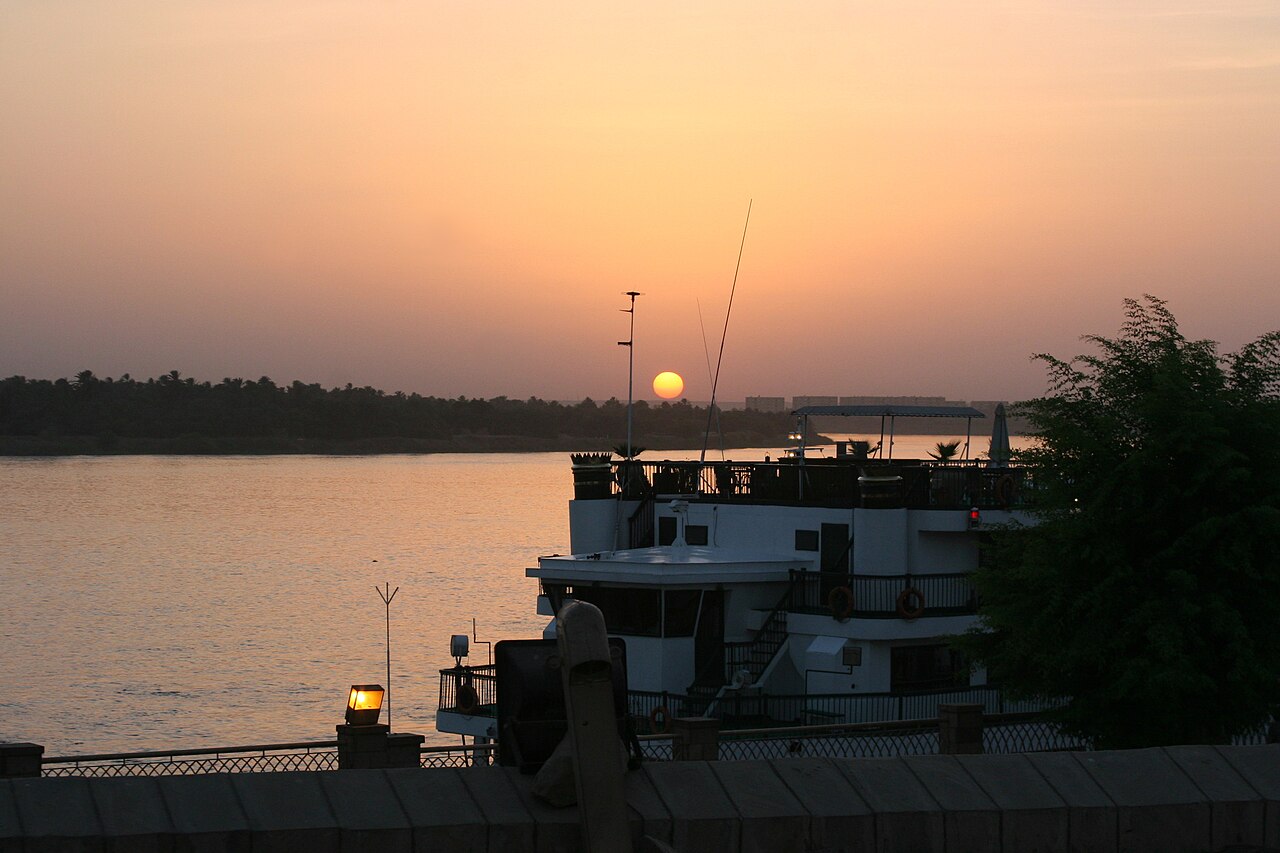
Days are longer in summer. Sunset at 7:30 p.m. (vs 5:15 p.m. in winter). More time to enjoy the deck.
Advantage 5: Schedule Flexibility
Boats in summer have fewer bookings. They can adjust excursion times to the cooler moments (6 a.m.-9 a.m., 6 p.m.-8 p.m.). Easier to negotiate.
The Serious Drawbacks

Drawback 1: Suffocating Heat
Picture yourself standing at 8 a.m. in front of the Colossi of Memnon. You are in a group of 20 tourists. The guide is talking. You are already sweating. You have drunk a liter of water and you need a restroom.
You are standing at noon in front of the temple of Abu Simbel. Temperature: 113F. You have already visited 3 temples this morning. Your brain is begging you to stop.
That is the reality. Excursions usually last 4-5 hours. In summer, it is mental and physical.
Drawback 2: Serious Health Risks
Sunburn: Even with SPF 50, you can burn in 20 minutes. Most travelers come back with burns.
Dehydration: You have to drink 3-4 liters a day. If you forget, you get dizziness, headaches, mental confusion.
Heatstroke: Rare but serious. Body temperature above 104F. Symptoms: extreme fatigue, severe headache, dry skin. Requires medical evacuation.
Digestive issues: Heat + water/food = a higher risk of stomach trouble.
Drawback 3: Reduced Maintenance on Board
Fewer tourists = minimal maintenance. The pools close (too little demand). The air conditioning works hard (risk of breakdowns). The restaurants serve a limited menu.
You do not get the "resort" experience you get in November.
Drawback 4: Little Social Life
A boat of 200 people in winter. A boat of 80 people in summer. The dining tables are half empty. The atmosphere is flat.
If you are traveling solo or as a couple, it is not a problem. If you are hoping to meet other travelers, it is disappointing.
Drawback 5: Extreme Fatigue
The heat wears out the body. You go to bed at 9 p.m. exhausted, even after just 1-2 hours of excursion. That makes outings difficult.
In November: you have the energy for 2-3 excursions a day. In summer: 1 excursion max, then rest.
Tips to Survive the Heat
Tip 1: Time Your Excursions
Insist on visiting the sites between 5 a.m.-9 a.m. (cooler) and 5 p.m.-8 p.m. in the evening (sunset). Avoid 11 a.m.-5 p.m.
Boats in summer accept this because they have nothing to lose.
Tip 2: Serious Sun Protection
SPF 50+ reef-safe. Reapply every 2 hours. Wear a hat, sunglasses, a light long-sleeve shirt.
You are going to sweat. Remember: the dry air evaporates the sweat, so you do not feel as wet as in a humid summer. But the sun still burns.
Tip 3: Obsessive Hydration
Carry a 1.5L water bottle with you at all times. Goal: finish 3-4 bottles a day (4-5 liters).
Do not drink only when you are thirsty. Thirst comes too late in extreme heat. Drink every 20 minutes.
Add electrolytes (salt, potassium) to avoid an electrolyte imbalance.
Tip 4: Get Back in the AC Regularly
Do not push it. If you feel dizzy, go back to the air-conditioned cabin. That is OK. Health first.
Schedule "naps": 2 p.m.-5 p.m. in the cabin, then head out at 6 p.m.
Tip 5: Light, Long Clothing
Paradoxical but true: light long clothes (white cotton) are better than shorts + a t-shirt. They cover the skin and let air circulate.
Shorts + a t-shirt = burns on your legs.
Tip 6: Choose a Boat with Excellent AC
Before booking in summer, ask about the boat's age and the AC's power. The ultramodern boats (Steigenberger, Oberoi) have AC that freezes the cabins. Boats 20+ years old fall short.
In summer, the type of boat matters enormously.
Tip 7: Useful Medications
Bring: antihistamines (for heat-allergy reactions), acetaminophen (headaches), anti-diarrhea pills (gastroenteritis), electrolyte powder.
Talk to your doctor before you leave.
Important: Who Should NOT Cruise in Summer
Seniors (65+), people with heart conditions, asthma, uncontrolled diabetes, severe obesity, pregnant women, children under 5. Extreme heat presents serious risks for these groups.
Talk to your doctor first.
Comparison: Summer vs Winter
| Aspect | Summer (June-August) | Winter (Nov-Feb) |
|---|---|---|
| Temperature | 104-113F, suffocating | 77-95F, comfortable |
| Price | 50% cheaper | Normal price |
| Tourists | Few (quiet temples) | Many (crowded) |
| Energy / Fatigue | Very tiring | Moderate |
| Health Risks | High | Low |
| Social Life | Flat (few people) | Lively |
| Verdict | For hardcore budget travelers | For most people |
Who Should Cruise in Summer?
Ideal for:
- Tight budget (under $1,100 per person). The savings change the math.
- Heat lovers. You adore the African sun.
- Introverts / couples. You prefer quiet to crowded boats.
- Young and healthy (under 40, no conditions). Physical capacity helps.
- Flexible travelers. You accept fewer amenities, less entertainment.
Not ideal for:
- Seniors (65+) or people with medical conditions.
- Families with young children. Risks of dehydration / sunburn.
- People who hate extreme heat.
- Those who want a "luxury" experience (fewer services in summer).
- First-timers in Egypt. Summer can disappoint compared to the potential.
Alternatives to Summer
If you want low prices BUT not the summer heat:
September: Temperature 95-100F (tolerable). Prices still 30% cheaper than winter. A smart in-between moment.
May: 95-104F, prices 25% cheaper. You do not lose massive savings, but it is less severe than summer.
Verdict: September is the sweet spot between price and comfort.
Torn Between Summer and Winter?
Our doctors and guides have advised travelers on heat risks. We know who can tolerate summer and who should wait.
Discuss My Personal CaseFree advice · Reply within 2h · No pressure
Frequently Asked Questions
Can you avoid the heat by staying in the AC cabin?
Technically yes. But you come to Egypt to SEE. Staying locked inside a cabin means missing the trip. Summer is a compromise: fewer outings, more time in the AC.
How do the locals survive?
Egyptians are genetically adapted. They also do not do "tourism" in summer. They stay home, get up early, come back early, take naps. They do not visit 5 temples in one day.
What is the interior temperature of the boat?
Modern boats keep cabins at 68-72F. The restaurants and common areas at 75-79F. But it is the thermal shock when you step outside that wears out the body.
Does altitude help? (Aswan is lower than Luxor)
No, not really. The average elevation between Luxor and Aswan is 230-295ft. Too low to affect the temperature significantly.
Do I really need to see the temples in summer?
No. You can do a mini-cruise (3 days, the major sites) then go back and relax in Hurghada or Cairo. Less heat exposure.
Which summer month is the least hot?
June (104-108F) is a little better than August (109-113F). But the difference is minor. All the summer months are hot.
Should I really chase the savings?
A 50% discount is tempting. But if you then spend the $2,200 you saved on hotels, restaurants, medications... the real savings is 30%. Think about the time + health ROI.
Final Verdict
A Nile cruise in summer is possible and economical, but it is a different trip from the winter experience.
You get:
- 50% cheaper prices
- Quiet, authentic temples
- Warm water for swimming
You sacrifice:
- Comfort (crushing heat)
- Energy (extreme fatigue)
- Social life on board (few people)
- Amenities (reduced maintenance)
If you are young, budget-conscious, and tolerant of heat? Go for it. If you are a senior, fragile, or you want the full "luxury" experience? Wait for October or February.
Our Recommendation
September is your sweet spot: 95-100F (hard but tolerable), prices 30% cheaper than winter, an experience superior to pure summer. It is the smart time to save without killing yourself.
Read our guide "When to Go to Egypt"Related Articles
Ideal season, temperatures by month, seasonal prices.
Off-season budget: boat prices, deals, tips.
Vaccines, medications, risks, insurance.
AC, comfort, service: which boat in summer?