
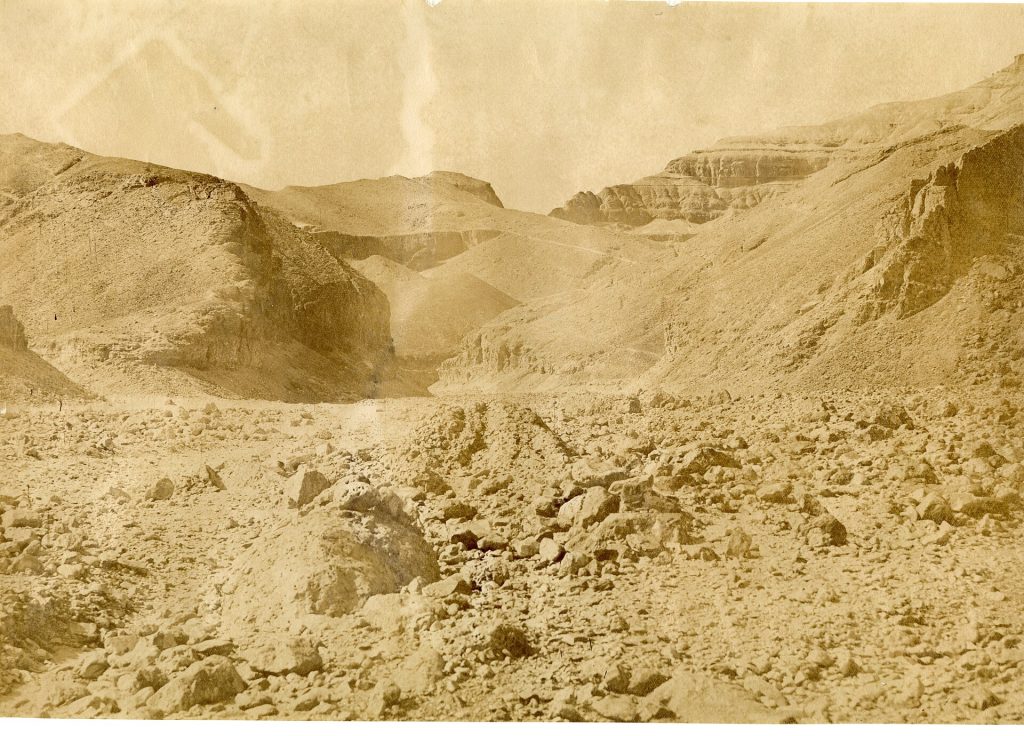
Vavenue of the Kings Egypt - the largest royal necropolis in the history of humanity. 63 officially listed tombs (KV1 to KV63), with 3,200-year-old frescoes still luminous. It is here, under the arid cliffs of the west bank of Luxor, that Tutankhamun, Ramesses VI, Seti I, Tuthmosis III, and the entire great dynasty of the New Kingdom (1550-1069 BC) rest. For the English-speaking traveler, it is undoubtedly the highlight of a stay in Egypt - and it is also the most poorly prepared site for 80% of tourists.
Our SEV team organizes private tours of the Valley of the Kings from Luxor with a English-speaking Egyptologist, transfer from your hotel and optimized choice of tombs to avoid crowds. Ask for your quote.
Request a quote from Vallée des Rois on WhatsApp →
Egypt's Valley of the Kings: An Introduction
The Valley of the Kings is the great royal necropolis of ancient Egypt, dug into the cliffs on the west bank of the Nile, facing Luxor (ancient Thebes), in Upper Egypt. It houses 63 listed tombs (KV1 to KV63) where the pharaohs of the New Kingdom were buried, between 1550 and 1077 BCE. The most famous remains that of Tutankhamun, discovered intact by Howard Carter in 1922.
Key facts about the Valley of the Kings
| Question | Response |
|---|---|
| Where is it located? | West bank of the Nile, facing Luxor (ancient Thebes), Upper Egypt |
| How many tombs? | 63 tombs listed (KV1 to KV63) |
| What era? | New Kingdom, 1550 to 1077 BC AD |
| Pharaohs buried? | Tutankhamun, Seti I, Ramses VI, Thutmose III... |
| Major discovery | Tomb of Tutankhamun (KV62), Howard Carter, 1922 |
| Status | Listed as a UNESCO World Heritage Site |
To go further:
A 5 minute history of the Valley of the Kings
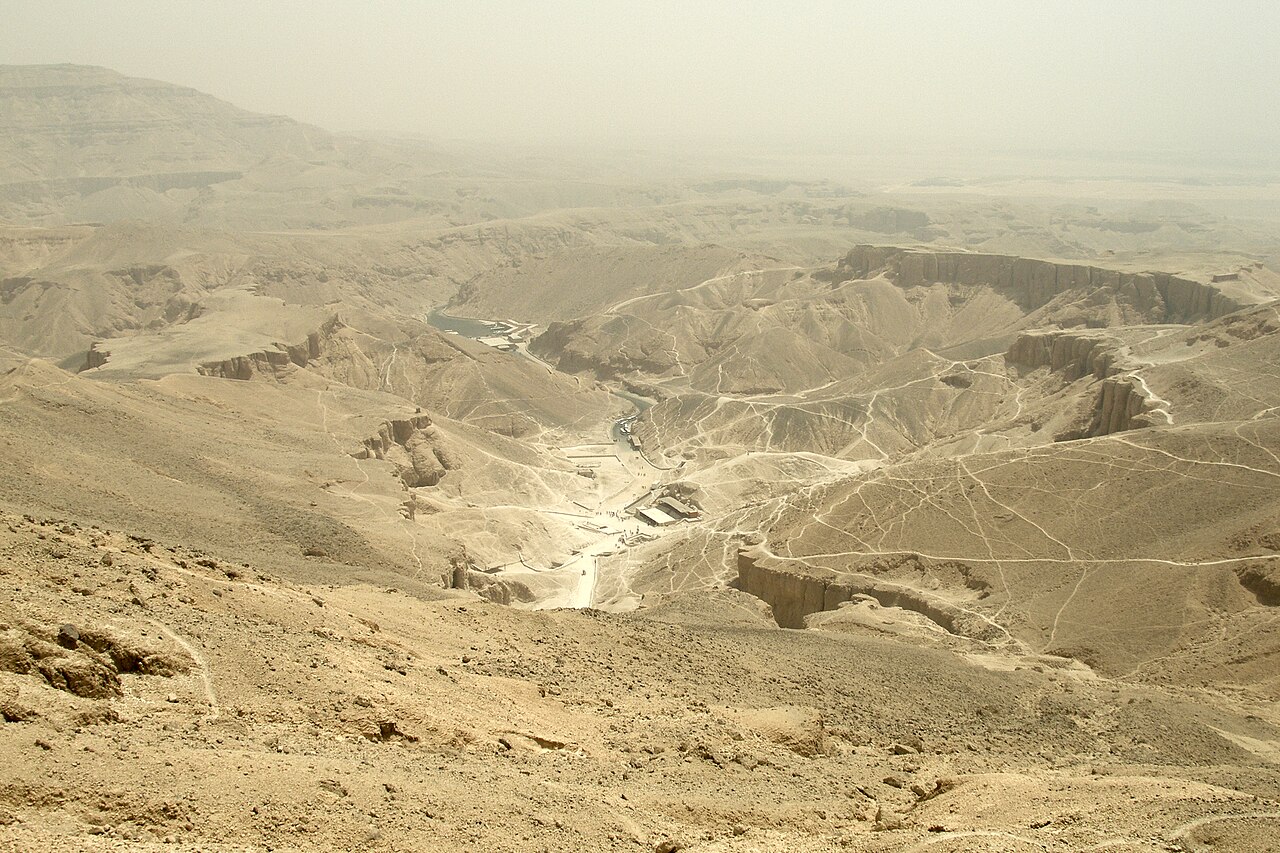
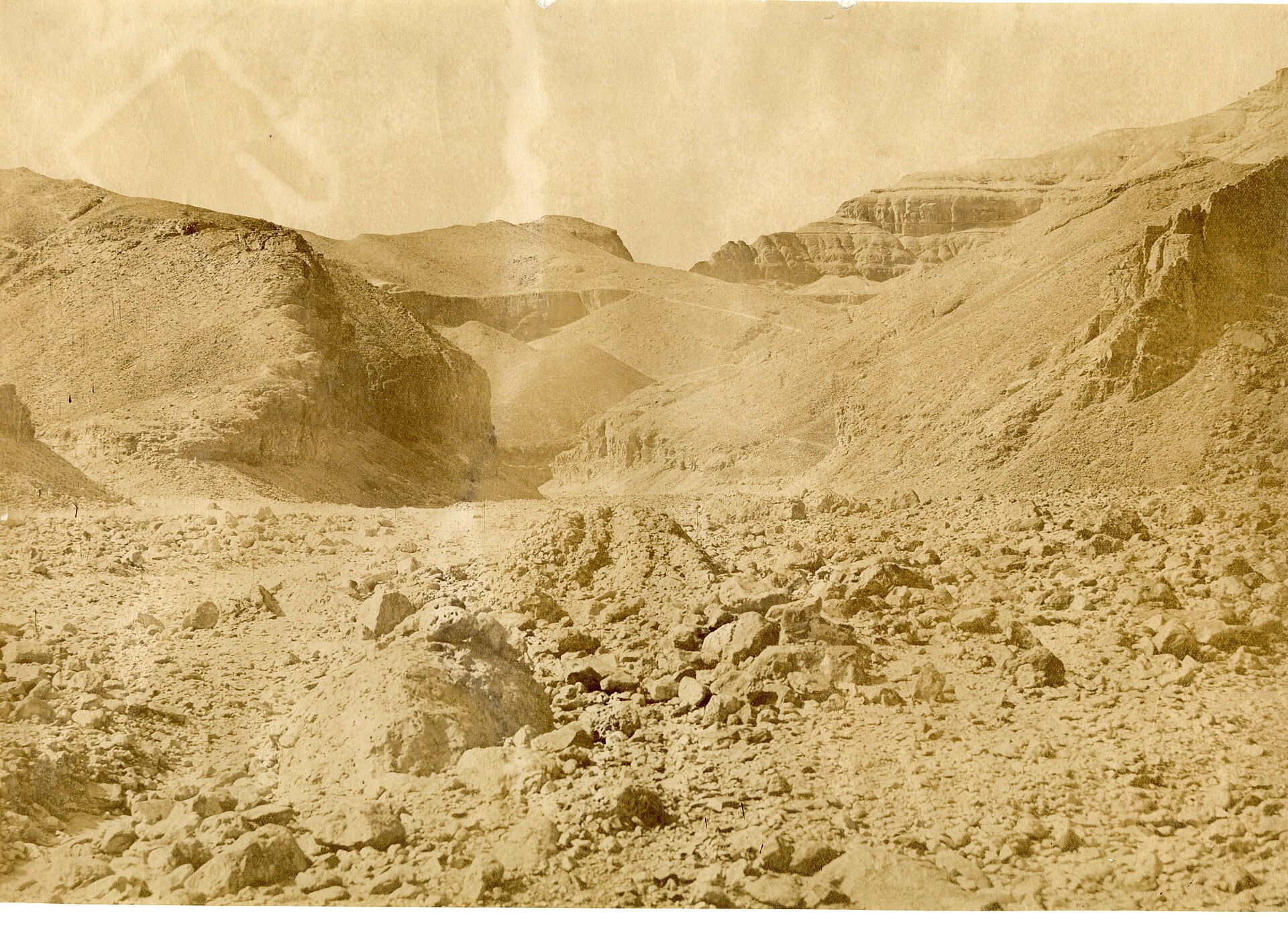
Known in Arabic as Wadi al-Muluk, the Valley of the Kings is a dry gorge roughly 1 km in length and 200 metres across, lying on the Nile's west bank facing Luxor (ancient Thebes) beneath el-Qurn, a peak whose natural shape recalls a pyramid. For 500 years the New Kingdom pharaohs, from Tuthmosis I (1493 BC) through to Ramesses XI (1069 BC), chose to be buried here in concealed tombs rather than in the conspicuous pyramids their Old Kingdom predecessors favoured.
The idea was simple and radical - by building pyramids at Giza, the pharaohs were telling looters where to find their treasures. The Valley of the Kings reverses this logic - tombs hidden in the rock, secret access protected by guards (the Medjay), sealed doors. Despite these precautions, almost all tombs have been looted since ancient times - only that of Tutankhamun (discovered on November 26, 1922 by Howard Carter) was found almost intact. This shows the exceptional historical value of the contents of the Egyptian Museum of Tahrir and the Grand Egyptian Museum (GEM).
Officially there are 63 catalogued tombs (KV1 through KV63). Roughly twenty of them open to the public on a rotating basis, a measure that shields the wall paintings from the moisture in visitors' breath. The standard ticket covers three or four; the rest carry a surcharge. Choosing wisely here is what separates a good visit from a great one.
Luxor to the Valley of the Kings: how to get there in 2026
The Valley of the Kings is 9 km from Luxor's west pier and 12 km from the east bank where most hotels are located. Allow 25-35 minutes journey from your hotel.
Option 1 - On an SEV excursion (our recommendation) - a private air-conditioned car collects you at your east bank hotel, crosses the Nile via the Luxor Bridge (built 1980) and drops you at the Valley car park about 30 minutes later. All part of the package.
Option 2 - Private Taxi - from your east bank hotel, count 600-900 EGP (£10) round trip with a wait of 4-5 hours. Negotiate the price before departure.
Option 3 - Public ferry + west bank taxi - ferry from east bank to west bank (5 EGP, 10 minutes), then taxi from the landing stage to the Valley of the Kings (200-300 EGP AR). Budget solution but disorganized and slow.
Once through the gate, a little electric road train (covered by your ticket) runs the 600 metres or so from the entrance into the centre of the Valley. Over the whole day expect to walk around 1 km if you want to take in 4-5 tombs.
Graves included in the 2026 base note
For 2026 the basic ticket (EGP 750, roughly £10) lets you into 3 tombs of your choosing from whichever are open that day. Which ones are open changes every week, to spare the paintings. Below are the tombs you may find on the 2026 rota.
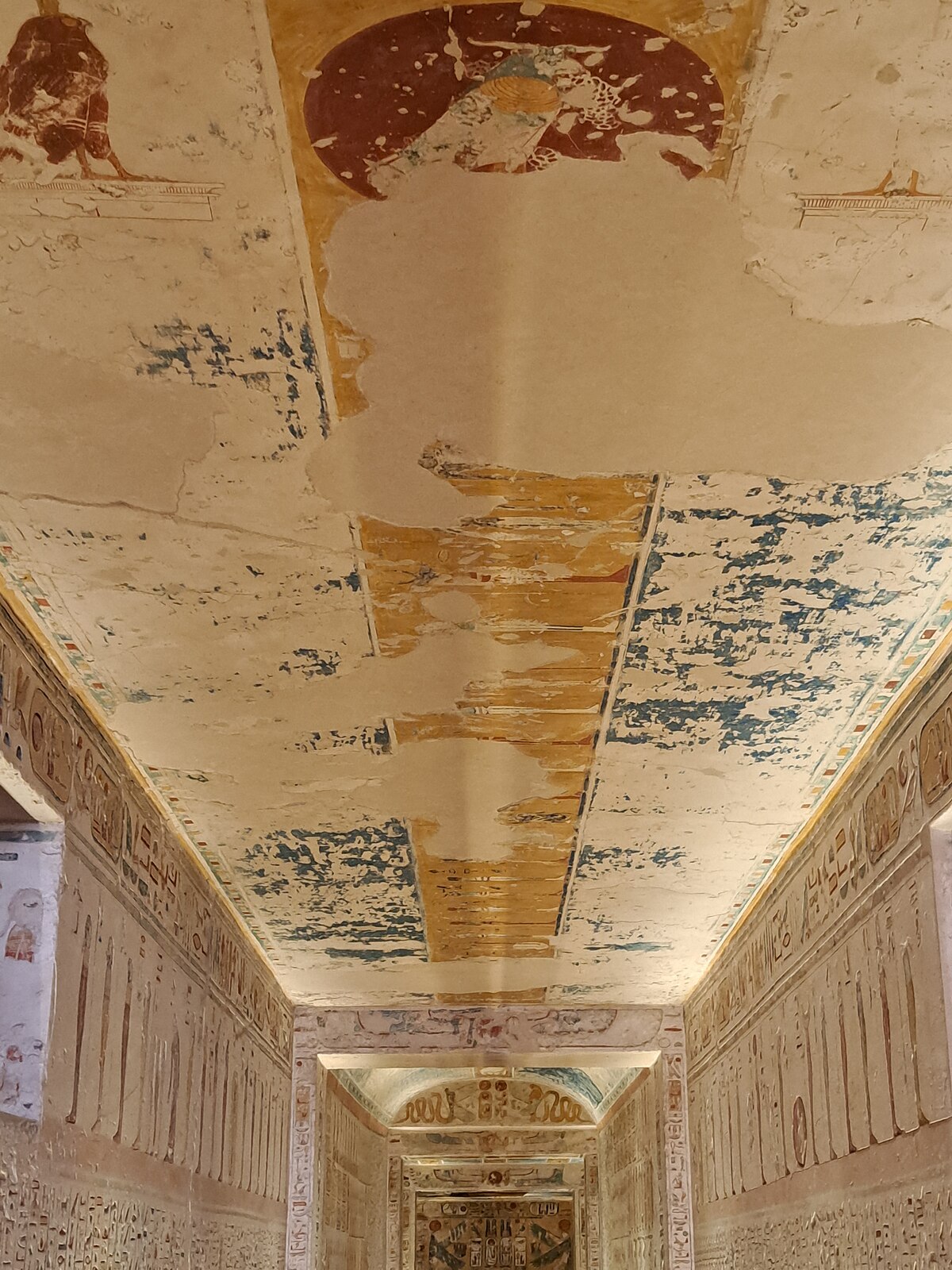
- KV2 - Ramesses IV - short tomb, exceptional astronomical paintings on the ceiling, pink sarcophagus in place. Ideal for understanding the typical structure of a royal tomb.
- KV6 - Ramesses IX - easy to enter, long descending corridor, middling reliefs in good condition. Usually quieter.
- KV8 - Mérenptah - spectacular tomb, giant red stone sarcophagus with anthropomorphic lid. Impressive descent.
- KV11 - Ramesses III - long royal tomb, colored reliefs in good condition, scenes from the Litany of Ra.
- KV14 - Tausert and Sethnakht - one of the largest tombs, rare double burial. Paintings of the solar boat.
- KV15 - Seti II - unfinished tomb but interesting paintings.
- KV34 - Thutmose III - elongated chamber, ceiling of painted stars, dramatic near-vertical stair. Among the earliest royal tombs you can enter.
- KV43 - Thutmose IV - sarcophagus in place, deep grave.
- KV47 - Siptah - rarely visited royal tomb, calm, bright colors on the walls.
Our expert advice - choose a Ramesside tomb (KV2, KV6 or KV11) + a Thutmoside tomb (KV34 or KV43) + a little-known tomb (KV47 or KV15). This distribution gives you 3 different atmospheres and minimizes the queue.
The 3 premium tombs with their own surcharge
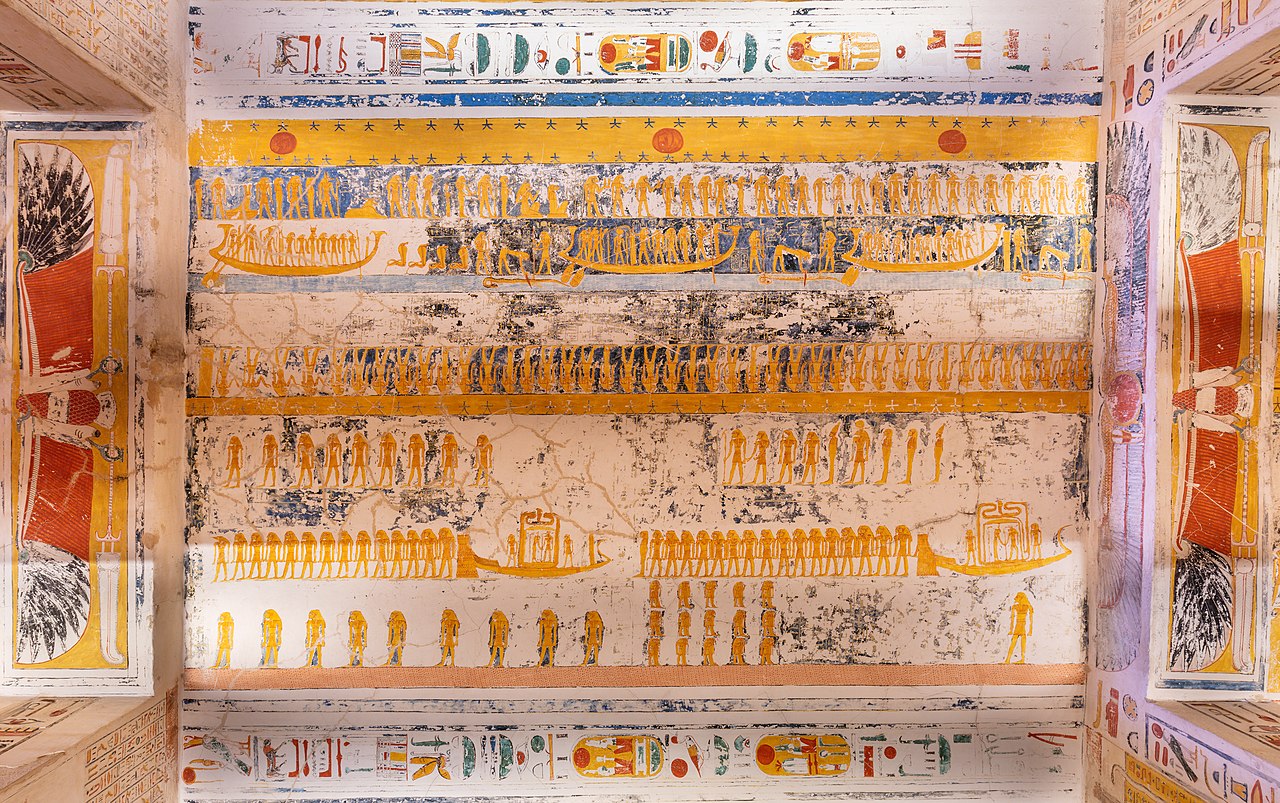
Three further tombs sit outside the basic ticket and cost extra, yet genuine enthusiasts will find them worthwhile.
Handy tip - if you had to choose just one supplement, take KV9 Ramesses VI. For 180 EGP, you see the most beautiful paintings in the entire Valley. KV62 Tutankhamun is expensive (360 EGP) for what is actually a modest tomb - its exceptional historical value (intact) makes up for the poor decoration.
KV62 Tutankhamun - do you really have to pay 360 EGP more?
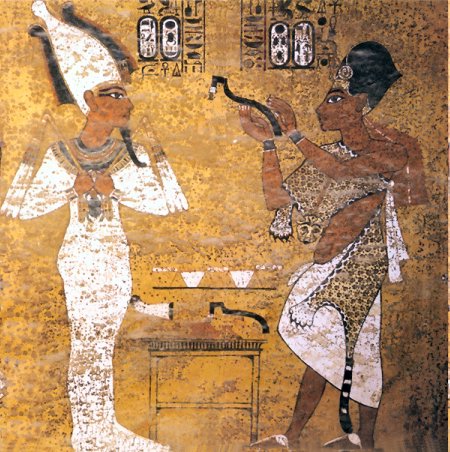
The question comes up in every conversation with our customers. The honest answer - yes, but for emotional value, not for artistic quality.
What you actually see - a small tomb with only 4 chambers (other royal tombs are 8-12), quickly executed paintings (the pharaoh died at 19, unexpectedly the tomb was completed in 70 days), a sarcophagus made of yellow quartzite in the burial chamber, and most importantly - the mummy of Tutankhamun itself, still on display in an air-conditioned display case. The exterior sarcophagus (in gilded wood) and the treasures are in the Egyptian Museum and the GEM, more in Luxor.
Why still go there? - it is the only royal tomb in ancient Egypt found almost intact. He is the most publicized pharaoh in history. You are in the exact place where Howard Carter uttered his now legendary phrase - "Yes, wonderful things". For travelers on a cultural pilgrimage, this is non-negotiable.
Why you can do without it - if you are tight on time or budget, KV9 Ramses VI (180 EGP) gives more for half the price. And the content of KV62 is exhibited at GEM Cairo in a world-class scenography.
Ticket prices and how the system works in 2026
Payment only in EGP at the counter (cash or bank card for the standard ticket, cash only for supplements). With an SEV tour, all tickets are handled by your guide.
When to visit to avoid heat and crowds
Few places in Egypt get hotter than the Valley of the Kings: a bowl of bare desert with no shade, where the limestone throws the sunlight back at you. Down in the valley floor it can read 6 to 10°C warmer than the middle of Luxor.
- October to March (ideal season) - Luxor 18-28°C day. Visit at any time. Prefer opening 6 a.m.-9 a.m. for peace and quiet.
- April to May and September - 30-38°C in Luxor. Go 6am to 10am, never the afternoon.
- June to August - stifling (40-46°C). Mandatory visit when opening 6 a.m.-9 a.m. Many groups are canceling this season.
To avoid crowds, aim foropening at 6:00 a.m. - Cruise groups typically arrive at 8-9am from their ships anchored in Luxor. Between 6 a.m. and 8 a.m., the tombs are almost deserted. SEV systematically organizes Valley visits first thing in the morning.
Nearby burial grounds, including the Valley of the Queens
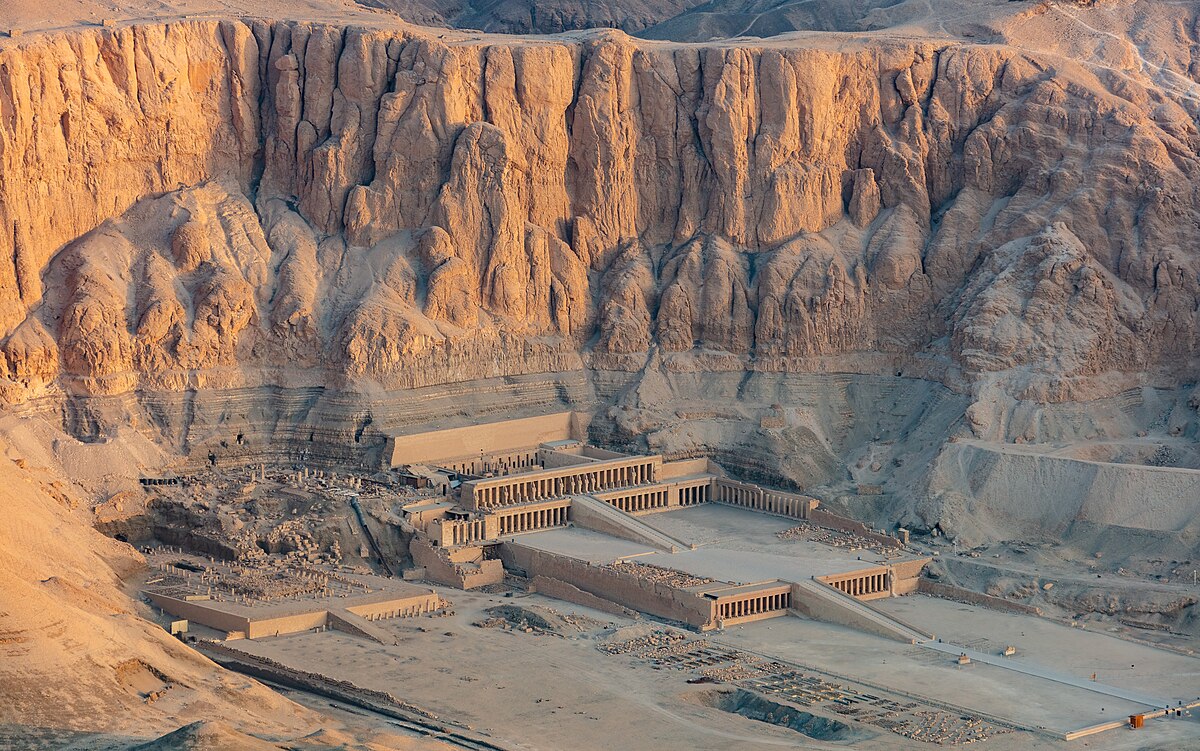
Luxor's west bank holds 4 further burial sites close together, and a determined visitor can cover them all in one day.
- Valley of the Queens - lies 4 km to the south of the Valley of the Kings and holds 80 tombs. Chief among them is QV66, the tomb of Nefertari (principal wife of Ramses II), the finest painted tomb in Egypt. The basic ticket is 220 EGP. Nefertari Supplement 2,500 EGP (~£41) - a lot of money, but a once-in-a-lifetime sight.
- Temple of Hatshepsut (Deir el-Bahari) - terrace temple of the great queen pharaoh, unique architecture. Ticket 360 EGP.
- Tombs of the Nobles (Sheikh Abd el-Qurna) - where viziers and senior officials were buried, decorated with everyday scenes. Sold in clusters of 2-3 tombs at 100 EGP per cluster.
- Medinet Habou - the mortuary temple of Ramses III and the most intact in the country. Entry 300 EGP. For architecture, our west bank favourite.
Full-Day Luxor West Bank Itinerary
This is the day plan clients ask us for most often when they have a whole day for Luxor's West Bank.
- 5:30 a.m. - Wake up and check out from the hotel. Private air-conditioned transfer to the West Bank.
- 6:00 a.m. - Valley of the Kings. 2h30 on site - KV2 + KV9 Ramses VI + KV34 Thutmose III + supplement KV62 Tutankhamun. Picnic breakfast 8 a.m.
- 8:30 a.m. - Temple of Hatshepsut. 1 hour on site, transfers included.
- 10:00 a.m. - Colossi of Memnon. 15 minutes photo stop, historical explanation.
- 10:30am - Medinet Habou. Spend 1h30 here at the most intact temple Egypt has.
- 12:30 p.m. - Traditional lunch in a Nubian restaurant in Gourna or back east bank.
- 2:30 p.m. - Optional Valley of the Queens or return to hotel for rest.
- 5:00pm - Karnak (east bank) - save the great temple of Amun for the close of the day, when the light turns golden.
- 7:00 p.m. - Karnak sound and light show in French (Wednesday and Saturday).
Estimated cost of a full day Luxor west bank + Karnak in private SEV formula (transfers + Valley entries + KV62 + Hatshepsout + Memnon + Medinet Habou + Karnak + lunch + English-speaking Egyptologist guide) - from £110 per person for 2 people, from £80 per person for 4 people. Cairo-Luxor flight not included.
Get a day quote Luxor west bank →
Valley of the Kings FAQ: your common questions answered
Valley of the Kings admission in 2026: what does it cost?
In 2026 a foreign adult pays 750 EGP (around £10) for the standard ticket, which admits you to any 3 of the tombs open that day. Holders of an ISIC card and children from 6 to 12 pay half, 380 EGP. The premium tombs (Tutankhamun, Ramesses VI, Seti I) are charged separately on top.
What does the standard ticket let you see?
For 750 EGP you may enter any 3 tombs from the rota in force that week. The rota usually draws on Ramses IV in KV2, Ramses IX in KV6, Merenptah in KV8, Ramses III in KV11, Tausert and Sethnakht in KV14, Seti II in KV15, Thutmose III in KV34, Thutmose IV in KV43 and Siptah in KV47, with three or four open at any one time.
Do I have to pay the Tutankhamun supplement?
For 360 EGP (~£5.4), you access KV62 which is technically modest (only 4 rooms, paintings quickly executed) but which still contains the mummy of Tutankhamun in an air-conditioned display case. If this is your dream trip to Egypt, yes it is non-negotiable. If you're on a budget, KV9 Ramesses VI (180 EGP) offers much more spectacular paintings for half the price.
How long does it take to visit the Valley of the Kings?
Allow at least 2.5 hours on site to see 3 to 4 tombs comfortably, with travel on foot between them. 3h30 if you add the premium tombs (KV62 + KV9). With a English-speaking Egyptologist who explains iconography and history, the experience becomes much richer - allow 3 hours.
Can we take photos in the graves?
Since 2019, smartphone photography has been permitted free of charge in most standard ticket tombs (no flash, no tripod). For professional SLR, a special photography permit is required (300 EGP). For KV62 Tutankhamun, photography strictly prohibited. For KV9 Ramses VI and KV17 Seti I, smartphone photography authorized only.
What is the best time to visit?
Opening at 6:00 a.m. - this is our absolute recommendation. Cruise buses typically arrive at 8-9am. Between 6 a.m. and 8 a.m., you have the tombs almost to yourself, the desert light is soft, and the heat has not yet risen. SEV systematically organizes its opening visits for its clients on a private basis.
Should you add the Valley of the Queens as well?
Yes, but selectively. The 4 tombs of the standard Valley of the Queens ticket (220 EGP) are modest. The supplement QV66 Nefertari at 2,500 EGP (~£41) is exceptional - the most beautiful and colorful paintings in all of Egyptology. Only one visit per day, duration limited to 10 minutes per group. If you can budget, it's a once-in-a-lifetime experience.
Does the Valley of the Kings offer an audio guide?
There is no official audio guide. A handful of tombs carry information boards in English and Arabic, but to make real sense of the imagery and the history you want an English-speaking Egyptologist at your side. Every SEV package comes with a private English-speaking Egyptologist as standard.
Can Karnak and the Valley of the Kings fit into a single day?
Yes, and it is our most requested formula. In the morning Valley of the Kings + Hatshepsout + Medinet Habou (6 a.m.-1 p.m.), lunch break, then Karnak at the end of the day (4 p.m.-6 p.m.) with golden light. Karnak sound and light show in French (Wednesday and Saturday evening) optional at 9 p.m. Allow for a full 14-hour day with some rest time.
Which Cairo - Luxor flights in 2026?
EgyptAir and Air Cairo operate 8-10 daily flights between Cairo (CAI) and Luxor (LXR). Duration 1h05. Price 2026 - £60-£120 one way depending on the period. Book 2-3 weeks in advance to benefit from the best prices. The Nile cruise descent (Luxor-Aswan or Aswan-Luxor) systematically includes the Valley of the Kings as a half-day excursion.
Can wheelchair users visit the Valley of the Kings?
Only to a limited degree. The central path is level and manageable, but every tomb involves a descent of somewhere between 10 and 30 steps with nothing to hold on to. The gentlest is KV2 Ramsès IV (a short, shallow slope); KV9 Ramesses VI drops away steeply. Mention it when you enquire and SEV will arrange dedicated assistance and pick out the tombs that are easiest to reach.
Packages that include a guided visit to the Valley of the Kings:
Where in Egypt will you find the Valley of the Kings?
The Valley of the Kings is located in Upper Egypt, on the west bank of the Nile, just opposite Luxor (ancient Thebes), about 650 km south of Cairo. It can be reached in around twenty minutes from the center of Luxor by crossing the bridge over the Nile, then walking along the Theban necropolis.
How many tombs are there in the Valley of the Kings?
The Valley of the Kings has 63 officially listed tombs, numbered from KV1 to KV63 (KV for Kings' Valley). Not all of them are open to the public: around ten can be visited in rotation, and the basic ticket gives access to three tombs to choose from among those open on the day of your visit.
What made the Valley of the Kings so famous?
It owes its worldwide fame to the pharaohs of the New Kingdom who were buried there and to the discovery, intact, of the tomb of Tutankhamun by Howard Carter in 1922. Its frescoes, more than 3,200 years old, still alive, and its inscription on the UNESCO world heritage list make it the flagship site of ancient Egypt.