
Why shopping in Egypt is a one-of-a-kind experience
Shopping in Egypt is unlike any other experience in the world. From the labyrinthine alleys of the capital to the alabaster workshops of the Nile Valley, every market tells the story of six thousand years of craftsmanship and trade. Here, you do not simply run errands - you bargain, you taste, you immerse yourself in Egyptian culture. Whether you are after fragrant spices, silver jewelry or a traditional fanous lantern, Egypt hides treasures around every corner.
To guide you through this feast for the senses, explore every side of shopping during your stay at the legendary Khan el-Khalili market in Cairo, or wander its picturesque corners to find great deals in 2026.
Khan el-Khalili - Egypt's most famous souk
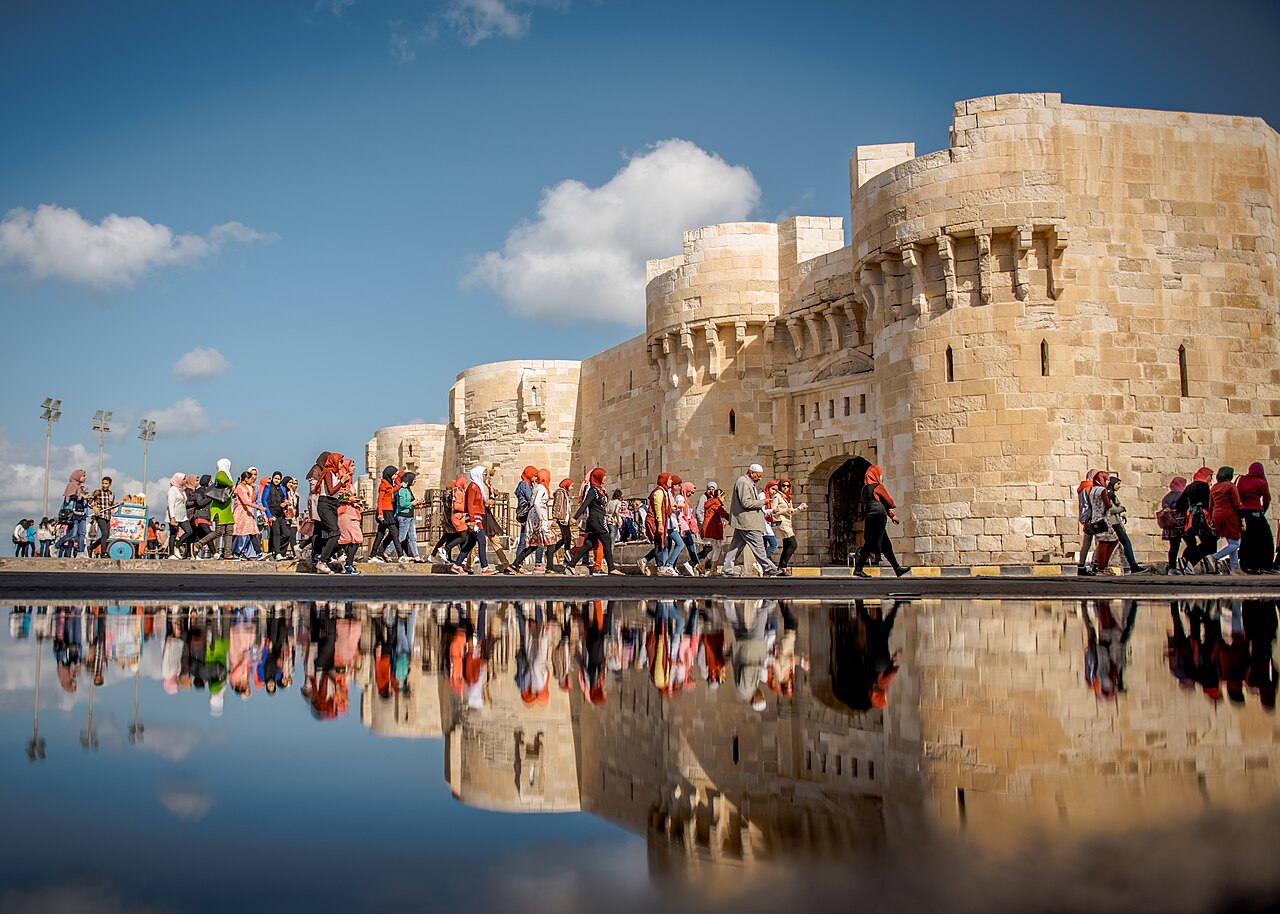
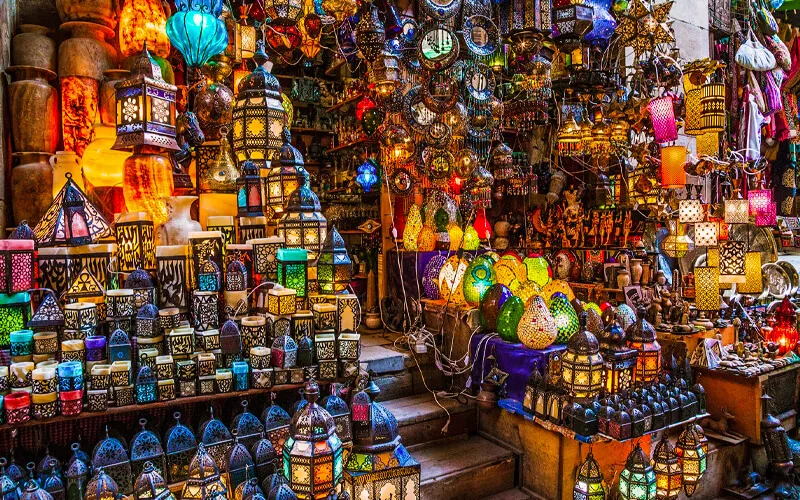
Founded in 1382 by Emir Djaharks el-Khalili, this souk has been the beating heart of Cairo commerce for more than six centuries. Set in the heart of Islamic Cairo, just steps from the Al-Azhar Mosque, it is home to more than 4,000 shops scattered across a maze of medieval alleys. Make the most of this iconic place by adding our Cairo package to your trip.
- 2026 hours: open daily from 9:30 a.m. to 11 p.m. (some shops close on Friday morning). Mornings before 11 a.m. are ideal for beating the crowds, while evenings after 6 p.m. offer a magical atmosphere with the lanterns lit.
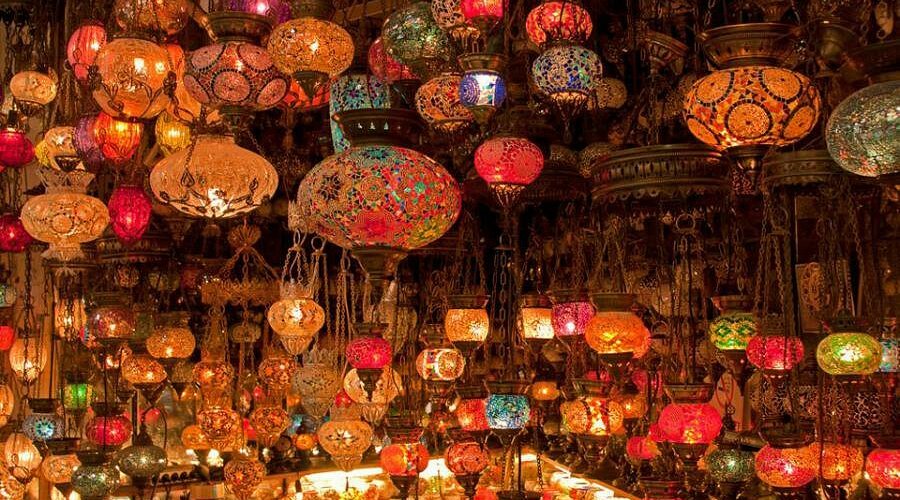
- What to buy: gold and silver jewelry, copper lanterns, karkaday (hibiscus), mother-of-pearl inlaid boxes and papyrus. Beware of souvenirs of foreign origin; always head for the smaller alleys for genuine handicrafts.
- A must-do break: the famous El-Fishawi cafe. Order a Turkish coffee or a mint tea to feel the soul of the city.
The markets of Luxor and Aswan
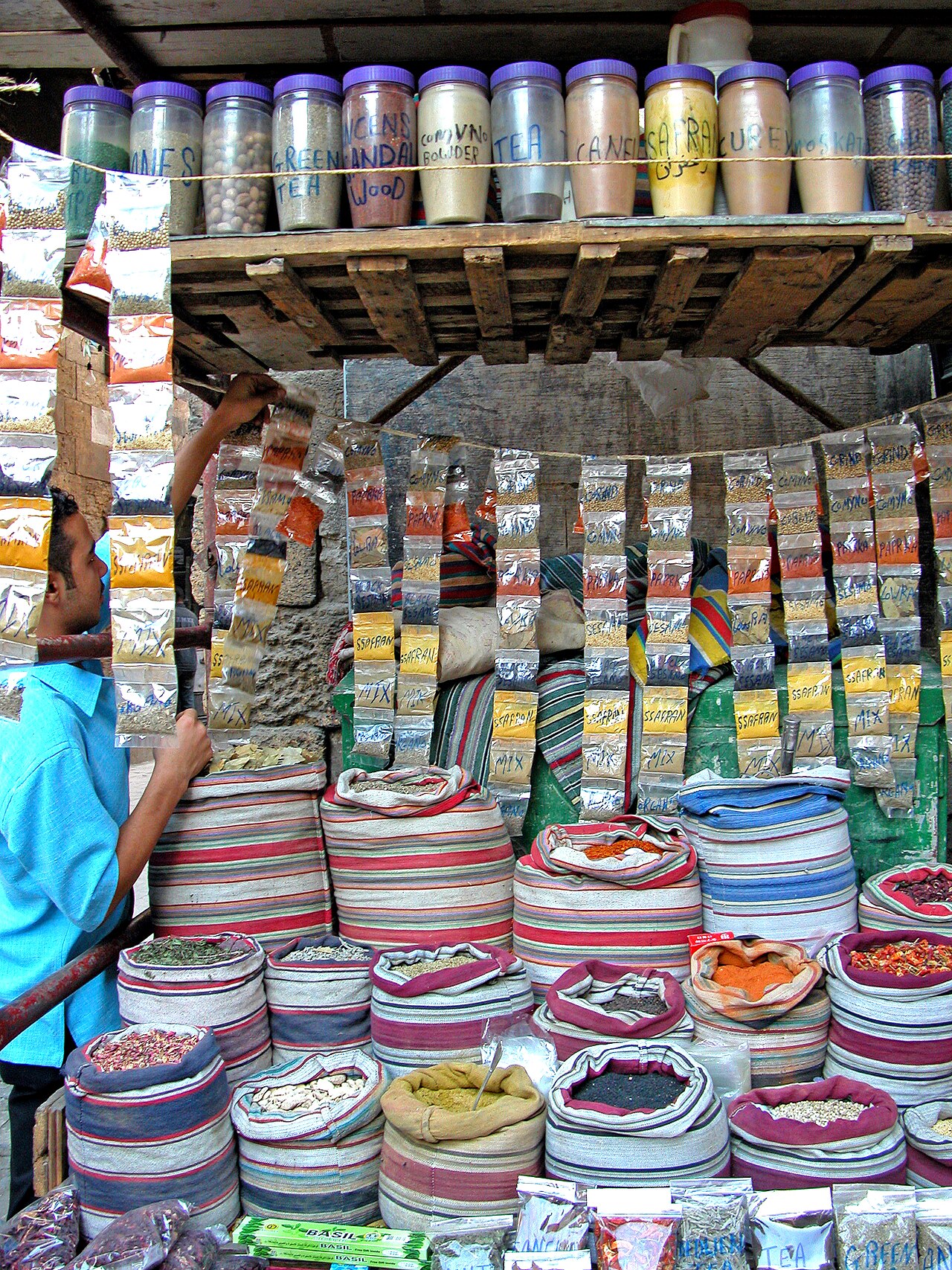
A journey along the Nile will inevitably lead you to the famous Luxor souk. It stretches along the main shopping street, near the train station. There you will find galabeyas made of Egyptian cotton, high-quality statuettes carved by the artisans of the West Bank and all sorts of pharaonic treasures to round out your visits to the various attractions in Luxor.
Further south, the wonderful Nubian market in Aswan is a feast for the senses. Travelers often stop by between two superb attractions in Aswan to buy fresh saffron, colorful basketry or elegant hand-beaded Nubian necklaces. Get ready for the art of haggling!
The art of negotiation and our suggestions
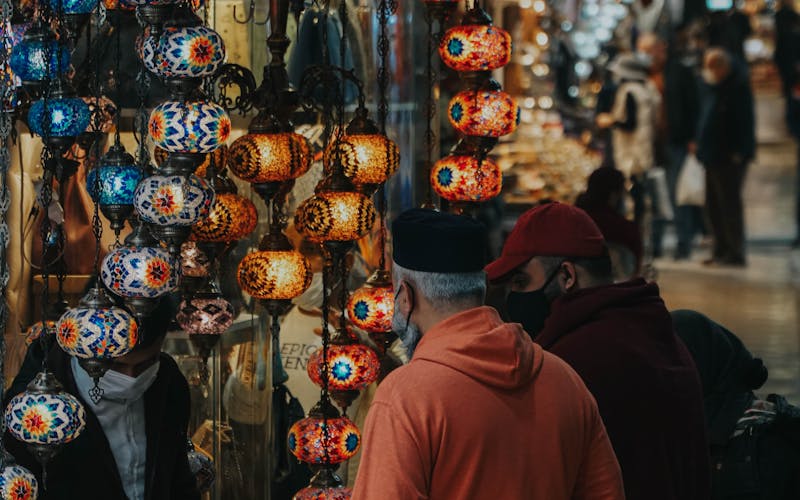
Bargaining is an integral part of local culture: offer 30% of the asking price and treat it as a game! For a short stopover or a day trip around the city, carry small bills in Egyptian pounds. You can also find all of these tailor-made adventures by browsing our various tour packages offered for 2026. Oriental hospitality pairs perfectly with your knack for landing the best scarves and copper lamps at a fair price.
Shopping budget: 2026 base prices
| Typical item | Estimated price (EGP) | USD conversion |
|---|---|---|
| Egyptian cotton scarf | 100 - 300 EGP | $2 - $7 |
| Handmade lantern (fanous) | 200 - 800 EGP | $4 - $17 |
| Cartouche (silver jewelry) | 300 - 1,500 EGP | $6 - $32 |
| Local spices (1 kg) | 50 - 200 EGP | $1 - $4 |
The Best Souvenirs to Bring Home from Egypt
As a local agency, our clients often ask us which souvenirs are truly worth it. Here is our selection, tested and approved after years of guiding English-speaking travelers through the souks:
The personalized cartouche: this is THE most popular souvenir. A gold or silver pendant engraved with your first name in hieroglyphs. The best artisans work in the small lanes behind Khan el-Khalili, not in the storefront shops. Expect 300 to 800 EGP (~$15-17) in silver and 2,000 to 8,000 EGP (~$152-173) in gold depending on weight. Our tip: ask to see the goldsmith's hallmark before you buy.
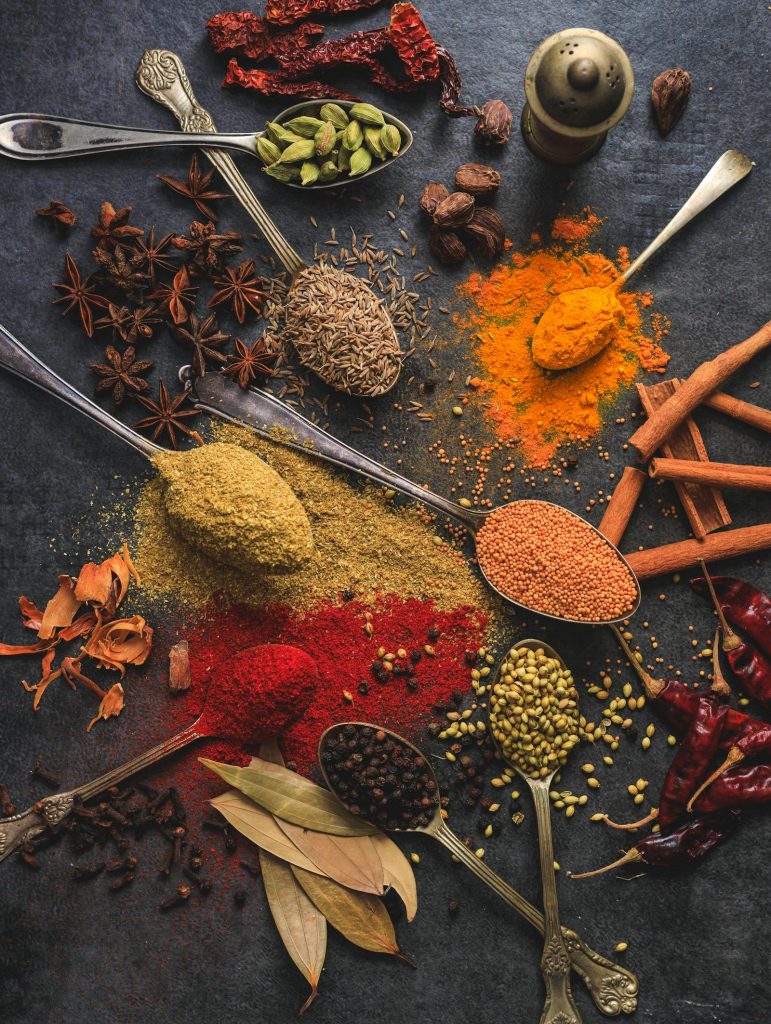
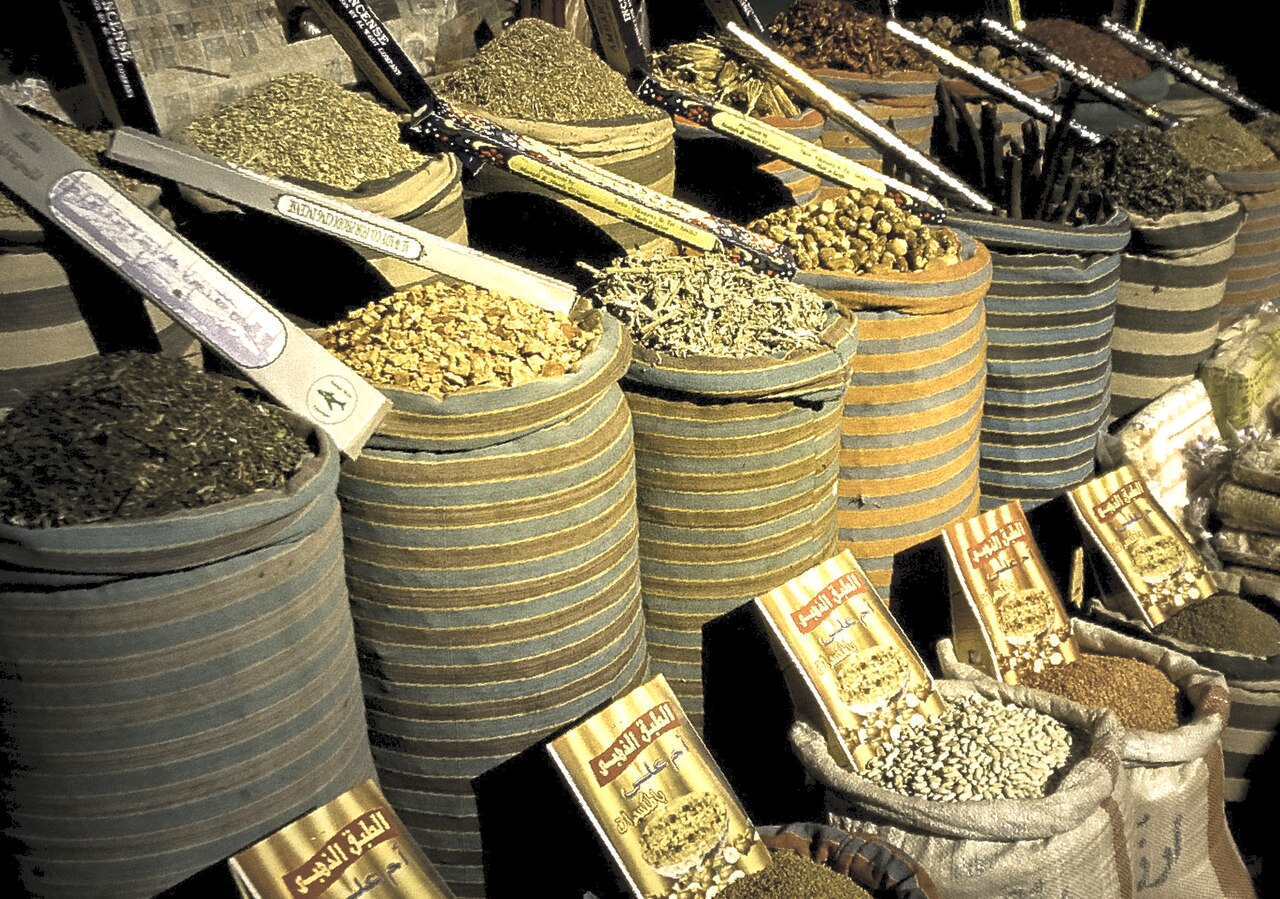
Spices and tea: Egyptian saffron, cumin, cinnamon and karkaday (hibiscus) are excellent quality and very affordable. A kilo of dried hibiscus costs about 100-200 EGP (~$2-4) at the market, compared with $16-22 at a specialty grocer back home. Mint tea and spice blends for kofta or molokhia also make great gourmet gifts.
Real papyrus: be careful, 90% of the "papyrus" sold to tourists is made of banana leaves. Genuine papyrus is thicker, flexible and does not tear when you fold it. Certified shops (such as the Papyrus Institute) are reliable but pricier. Expect 200-500 EGP (~$9.5-11) for an authentic medium-sized papyrus.
Essential oils: Egypt is renowned for its lotus, jasmine and amber oils. In short, the perfume oil shops are an experience in themselves - the seller has you smell a dozen essences on little wooden sticks. Prices vary enormously, but a good 50ml bottle of lotus oil costs around 100-300 EGP (~$5.7-6).
A Practical Guide to Haggling
Haggling in Egypt is not optional, it is a way of life. If you pay the first price quoted, the seller will be almost disappointed, because negotiation is part of the social exchange. Here are a few golden rules we share with our travelers:
- The 30% rule: start by offering 30% of the asking price. The seller will refuse, you will go up, he will come down, and you will usually land between 40 and 60% of the initial price. That is the game.
- Never show too much interest: if the seller senses you have already made up your mind, he will not lower his price. Look at the item with an indifferent air, set it down, pretend to walk away. In 90% of cases, you will be called back with a better price.
- Compare before you buy: do not cave in at the first shop. Take a full lap around the souk to get a sense of prices before you reach for your wallet.
- Pay in Egyptian pounds: prices in euros or dollars are systematically higher. Withdraw EGP from an ATM before your visit to the souk.
- Keep smiling: haggling is a game, not a fight. A smile and a few words of Arabic ("shukran" for thank you, "la shukran" for no thank you) will open doors for you.
Best Hours and Days to Go
The timing of your visit to the souk completely changes the experience. Broadly speaking, here is what we recommend:
Morning (9 a.m.-11 a.m.): this is the quietest time. Shops are opening, sellers are in a good mood and less pushy. It is the best moment for serious buyers who want to take their time.
Afternoon (2 p.m.-5 p.m.): the souk is calm because many merchants take a break. It is a good time to photograph the empty alleys and the medieval architecture.
Evening (6 p.m.-10 p.m.): the atmosphere changes completely. The lanterns light up, the scent of spices blends with that of Turkish coffee, and the souk takes on a magical mood. It is the ideal moment for the sensory experience, but prices are often higher because sellers target tourists out for a stroll.
Friday morning: many shops are closed for prayer. Avoid this slot for serious shopping. On the other hand, it is an interesting time to observe local life in the surrounding mosques.
What to Know About Customs and Transport
Before you shop, think about the trip home. A few rules are important to know:
Antiquities: it is strictly forbidden to export genuine antiquities from Egypt. Reproductions (statuettes, papyrus) are no problem at all, but keep your purchase receipts in case customs ever asks.
Spices: spices pass through checked baggage without any issue. In carry-on, powders can sometimes draw attention at the scanner, so prefer checked baggage for large quantities.
Gold jewelry: for significant purchases (a gold cartouche, for example), ask the seller for an invoice. Above $10,000 in value, you will need to declare it to US customs on your return.
Lanterns and fragile items: souk sellers are used to packing for air travel. Ask for "airplane" packaging with bubble wrap and cardboard. So plan for room in your suitcase or bring an extra bag.
FAQ Shopping & Useful InformationIs it safe to shop in the Egyptian souks?
Yes, these historic trading districts are secure for tourists. Just keep your bag close to you during the end-of-day crowds, but otherwise enjoy them with complete peace of mind.
How can I spot counterfeits at the market?
Real alabaster is cold to the touch and translucent in the light, while genuine metals like solid silver are very dense and always carry Arabic hallmarks hidden on the back.
To create a unique shopping journey among the artisans with our professional guides, do not hesitate to contact us.