
Egypt is a photographer's paradise. The overwhelming light of the Sahara, the colossal 4,500-year-old monuments, the vibrant colors of the souks and the majesty of the Nile offer an inexhaustible visual repertoire. But before taking out your camera, it is essential to know the rules, sometimes strict, which govern photography in this country. Prohibited drones, tombs where flash is prohibited, military buildings that should not be framed: this guide gives you all the keys to bringing back exceptional images legally. To plan the rest of your stay, our complete travel guide to Egypt 2026 is your ideal starting point.
Egypt's Photography Rules: The Essentials for Visitors
The General Rule: Authorized Public Spaces
Following a ruling from the Ministry of Tourism and Antiquities, you may now photograph freely in any public place in Egypt, on whatever equipment you carry (phone, compact, SLR or video camera), with no fee and no permit to apply for. The change swept away years of muddled restrictions and covers pictures taken for private, non-commercial purposes only. Anyone shooting commercially (adverts, film work, professional photo shoots) still has to obtain a dedicated permit.
Drones: Formally Prohibited
If you remember one rule, make it this one: a drone cannot enter Egypt without clearance from the Ministry of Defence, and no holidaymaker realistically gets that clearance. Penalties under the law run from 5,000 to 50,000 Egyptian pounds in fines and 1 to 7 years in prison. Customs officers at Egyptian airports confiscate every drone they find on arrival, and nothing confiscated is ever handed back. During 2023 alone, over 230 drones were taken at airports. So the guidance is simple: the drone stays at home.
Archaeological Sites: Specific Rules
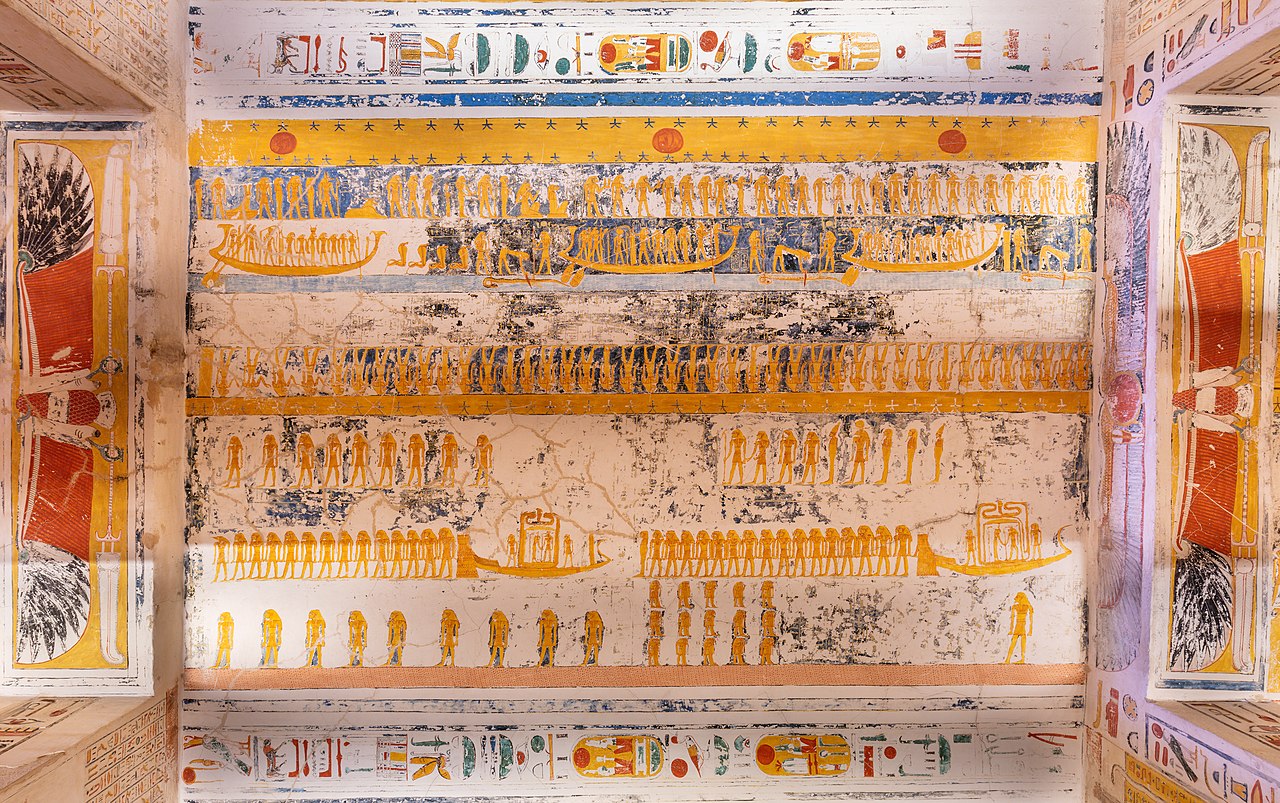
The exterior temples (Karnak, Luxor, Philae, Edfu, Kom Ombo, Abu Simbel) allow photography at no extra charge with a standard camera or smartphone. On the other hand, the Valley of the Kings and the tombs have their own rules: photography is officially prohibited inside the tombs to preserve the age-old pigments, and the guards are vigilant. Some tombs offer a paid photo ticket (around 300 EGP or ~£420), but conditions change regularly. The Grand Egyptian Museum allows photos without flash in most galleries, but some rooms (notably the Treasure of Tutankhamun) may have occasional restrictions.
For practical details on GEM, consult our guide to the Grand Egyptian Museum.
Prohibited Areas: Sensitive Facilities
Keep the camera away from anything military, along with government offices, police stations, ministries, embassies, airports, the Suez Canal, power stations and reservoirs. Soldiers and police officers must not be photographed either. Should an officer tell you to erase a shot, do so at once and without argument. Note too that binoculars are controlled items, and bringing a pair through customs can cause difficulties.
The 10 Best Photo Spots in Egypt

1. Giza's Pyramids in the Golden Hour Light
Shoot the Giza Plateau within 30 minutes of sunrise: the slanting light picks out every ridge on the pyramids and the coach parties are still at breakfast. For the classic composition, stand to the southeast so all three pyramids line up in one frame. Come back for sunset at Panorama Point, where 9 pyramids sit in view at once, for a second unforgettable scene.
For the best vantage points and timings, read our practical Giza pyramids guide.
2. The Temple of Karnak
The large hypostyle hall with 134 columns is every photographer's dream. The play of light and shadow between the columns varies considerably depending on the time. At the start of the morning, rays of light cross the gaps and illuminate the hieroglyphs. A wide-angle lens (16-24mm) is essential to capture the immensity of the place.
3. Abu Simbel at Sunrise
Watching dawn light creep across the four seated colossi of Ramses II is among the most stirring sights the country offers. Be there before 6am to get your tripod in position (tripods are permitted outside). On two dates each year, 22 February and 22 October, sunlight reaches deep into the inner sanctuary and falls on the statues of the gods, a remarkable feat of ancient astronomy.
The full picture is in our Abu Simbel temples guide.
4. The Nile by Felucca from Aswan
Sailing in a felucca at sunset offers an incomparable photographic setting: white triangular sails, golden reflections on the water, silhouettes of the islands and shores planted with palm trees, Nubian villages in bright colors in the background. A telephoto lens (70-200 mm) allows you to capture the details of life on the banks.
5 to 10: Other Unmissable Spots
Other subjects worth the journey: Philae, the island temple you reach by launch; the vivid alleys of Cairo's Khan el-Khalili bazaar; the White Desert's chalk sculptures glowing at dusk; the Al-Azhar mosque and Saladin's Citadel set against the Cairo skyline; the Nubian villages near Aswan, their houses washed in blue, yellow and orange; and, for anyone who shoots underwater, the gin-clear reefs off Hurghada.
Recommended Equipment for Egypt
The Essential Kit
A versatile lens (24-70mm or 18-135mm) covers 80% of situations: temples, landscapes, street scenes. A wide angle (16-35 mm) is almost essential for temple interiors where perspective is limited. A telephoto lens (70-200mm) allows you to capture details of hieroglyphics, Nile birds and life scenes from a respectful distance. For the smartphone, the sensors of recent models are more than sufficient for quality memories.
Protection against Dust and Heat
Saharan dust is extremely fine and infiltrates everywhere. Avoid changing lenses outdoors (the versatile zoom comes into its own here). A UV filter protects the front lens. A microfiber cloth and a blower bulb are essential. Store your gear in a waterproof bag when you're not shooting. Heat can also affect batteries: carry at least two and keep them in a cool place. Also bring plenty of memory cards, because Egypt's exceptional light will tempt you to trigger much more than you expected.
Egyptian Golden Hour: The Secret of the Most Beautiful Photos
The light in Egypt has a unique quality due to the latitude, the dryness of the air and the absence of clouds. The golden hour (30 minutes after sunrise and before sunset) transforms each monument into a sculpture of light and shadow. Midday (11 a.m.-3 p.m.) produces harsh light and short shadows which crush the reliefs, to be avoided for temples. Plan your photography tours for early morning or late afternoon. The Sound and Light Show at the Pyramids and Karnak also offers spectacular nighttime photo opportunities. To find out the best times to visit each site, consult our guides Luxor and of Cairo.
Photographing Nile Cruises
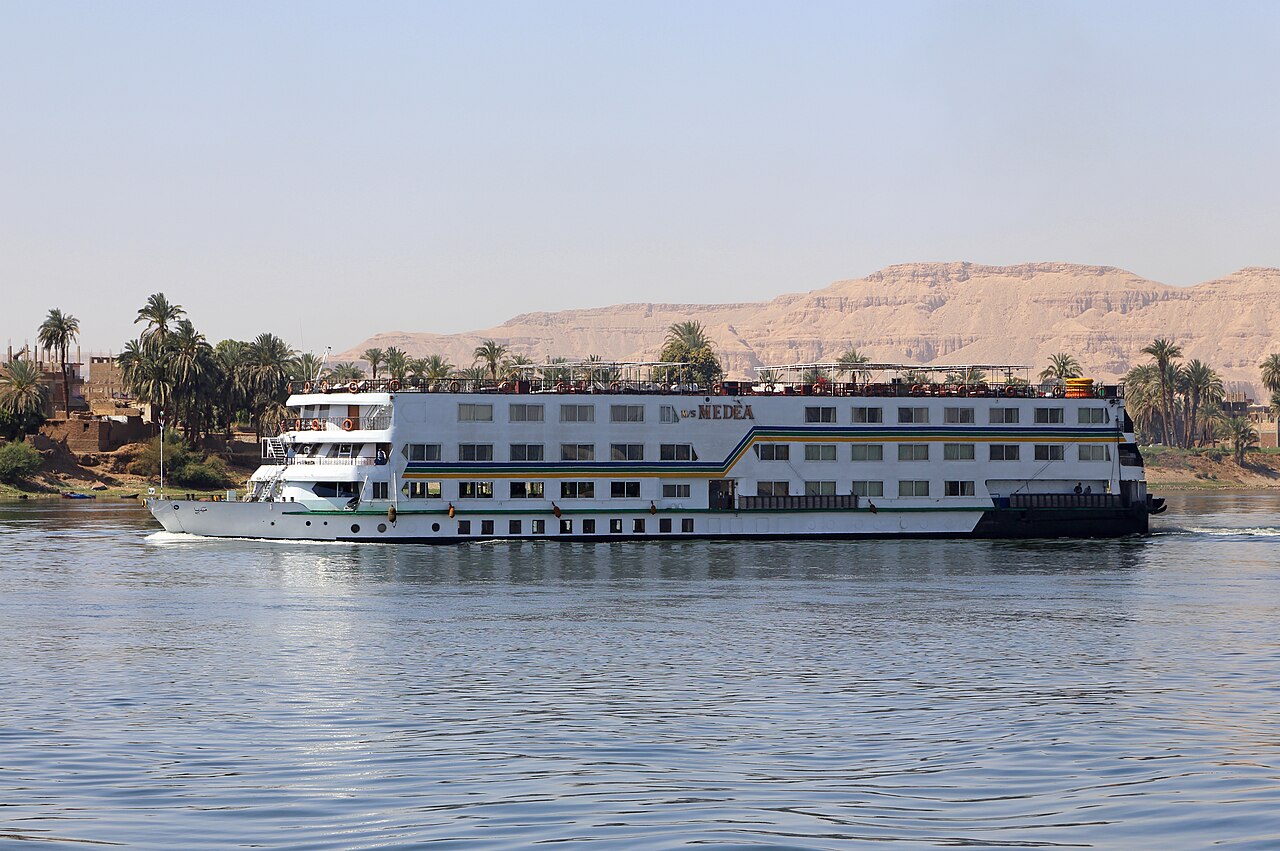
Whether you are sailing on a large 5-star liner or on an intimate dahabiya, the Nile offers a permanent parade of landscapes to photograph: feluccas with white sails, temples emerging from the bank, fields of sugar cane, water buffalo in the swamps, fishermen with cast nets. The upper deck of the boat is the best vantage point. A circular polarizer reduces reflections on water and intensifies the blue of the sky.
Discover the navigation options in our article dahabiya vs Nile cruise.
→ Check out our large liner cruise program
FAQ: Photography in Egypt
Are drones allowed for holiday photos in Egypt?
They are not. Without clearance from the Ministry of Defence, a drone is banned outright: bringing one in breaks the law, it will be seized on arrival at the airport, and a prison term is possible. Do not pack it.
Are photos allowed inside the pyramids?
Inside the Giza Pyramids, photography is officially prohibited. Flash is strictly prohibited to protect burial chambers. Outside, on the set, you can photograph freely without restrictions.
Is there a surcharge for taking pictures inside the temples?
At the big open-air temples (Karnak, Luxor, Philae, Edfu) your entry ticket already covers photography. In the Valley of the Kings, certain tombs require a separate photo permit (around 300 EGP). At the Grand Egyptian Museum you can shoot in the main galleries as long as the flash stays off.
When during the day do the temples photograph best?
Golden hour (sunrise and sunset) offers the most beautiful light. Prefer visits between 6 a.m. and 9 a.m. or between 4 p.m. and 6 p.m. in the afternoon. The midday light is too harsh and crushes the reliefs of the monuments.
Keeping sand and dust out of your camera in Egypt
Fit one all-round zoom so you never swap lenses in the open, screw a UV filter over the front element, keep the kit sealed in a waterproof bag between shots, and pack a microfibre cloth and a blower. When the wind whips up sand, leave the bag shut.