
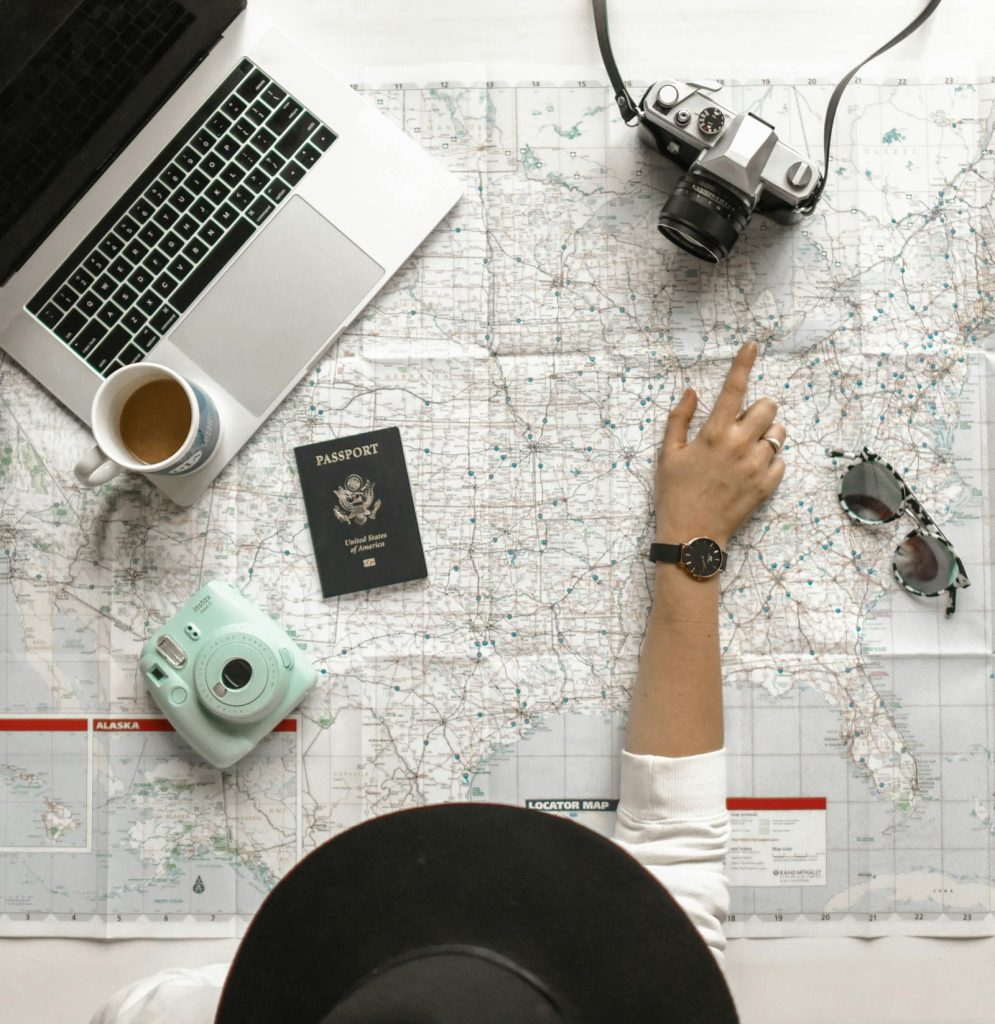
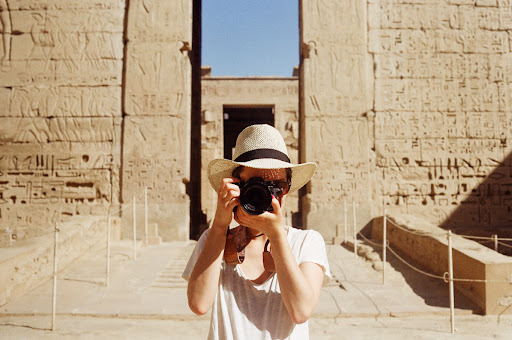
Egypt is a paradise for photographers. The blazing light of the Sahara, the colossal monuments that have stood for 4,500 years, the vibrant colors of the souks and the majesty of the Nile offer an inexhaustible visual repertoire. But before you draw your camera, it is essential to understand the rules - sometimes strict - that govern photography in this country. Drones banned, tombs where flash is prohibited, military buildings you must never frame: this guide gives you every key you need to bring home exceptional images, completely within the law. To plan the rest of your trip, our complete guide to traveling in Egypt 2026 is the ideal place to start.
Photography Rules in Egypt: What You Need to Know
The General Rule: Public Spaces Are Allowed
Following a ruling by the Ministry of Tourism and Antiquities, taking photos with any type of device (smartphone, compact camera, DSLR, video camera) is permitted free of charge and without prior authorization throughout all public spaces in Egypt. This measure, which ended years of confusing bans, applies to personal, non-commercial photography. Commercial shoots (advertising, filming, professional photo sessions) still require a specific permit.
Drones: Strictly Banned
This is the single most important rule to remember: drones are completely banned in Egypt without authorization from the Ministry of Defense, and in practice that authorization is impossible for a tourist to obtain. The law provides for fines of 5,000 to 50,000 Egyptian pounds and prison sentences of 1 to 7 years. Egyptian customs systematically seize drones on arrival, and confiscated equipment is never returned. In 2023, more than 230 drones were seized at airports. The advice is clear: leave your drone at home.
Archaeological Sites: Specific Rules
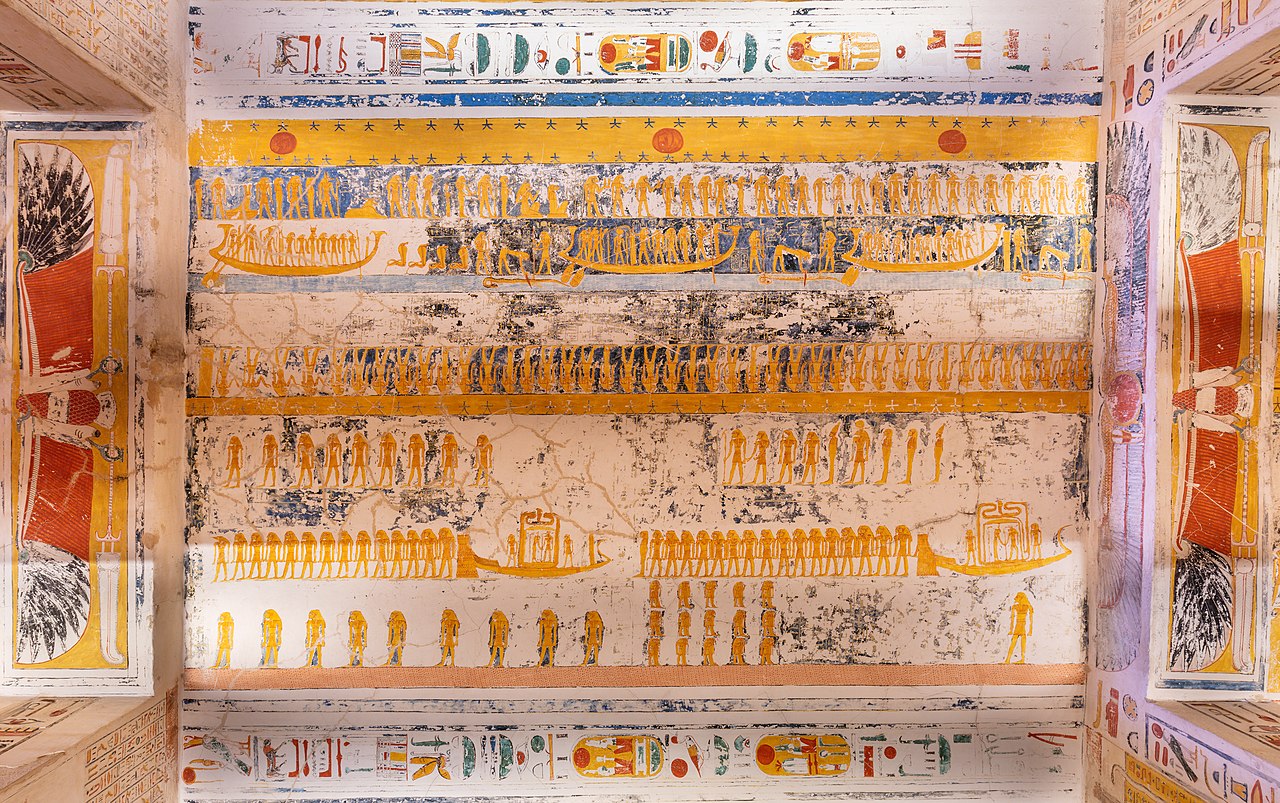
Outdoor temples (Karnak, Luxor, Philae, Edfu, Kom Ombo, Abu Simbel) allow photography at no extra cost with a standard camera or a smartphone. The Valley of the Kings and the tombs, however, have their own rules: photography is officially banned inside the tombs to preserve the thousand-year-old pigments, and the guards are watchful. Some tombs offer a paid photo ticket (around 300 EGP, roughly $6), but the conditions change regularly. The Grand Egyptian Museum allows flash-free photos in most galleries, but certain rooms (notably the Tutankhamun treasure) may have occasional restrictions.
For the practical details on the GEM, see our guide to the Grand Egyptian Museum.
Restricted Zones: Sensitive Installations
It is strictly forbidden to photograph military installations, government buildings, police stations, ministries, embassies, airports, the Suez Canal, power plants and water reservoirs. Photographing soldiers or police officers is also prohibited. If an officer asks you to delete a photo, comply immediately and politely. Binoculars are also regulated, and bringing them in can cause problems at customs.
The 10 Best Photo Spots in Egypt

1. The Pyramids of Giza at Golden Hour
The Giza plateau is best photographed in the first 30 minutes after sunrise, when the low light sculpts the faces of the pyramids and the crowds have not yet arrived. The viewpoint from the southeast, with the three pyramids aligned, is the most iconic. Late in the day, the sunset from Panorama Point (the view of the nine pyramids) offers another striking spectacle.
Our guide to the Pyramids of Giza details the best angles and visiting hours.
2. The Temple of Karnak
The great hypostyle hall with its 134 columns is every photographer's dream. The interplay of shadow and light between the columns varies considerably depending on the hour. Early in the morning, shafts of light pass through the gaps and illuminate the hieroglyphs. A wide-angle lens (16-24 mm) is essential to capture the immensity of the place.
3. Abu Simbel at Sunrise
The sight of the four colossi of Ramesses II lit by the first rays of the sun is one of the most powerful images in Egypt. Arrive before 6 a.m. to set up your tripod (allowed outdoors). Twice a year, on February 22 and October 22, the sun reaches all the way to the inner sanctuary and lights up the statues of the gods, an exceptional astronomical phenomenon.
Learn everything in our complete guide to Abu Simbel.
4. The Nile by Felucca from Aswan
Sailing on a felucca at sunset offers an unmatched photographic setting: white triangular sails, golden reflections on the water, the silhouettes of palm-lined islands and banks, and brightly colored Nubian villages in the background. A telephoto lens (70-200 mm) lets you capture the details of life along the shore.
5 to 10: Other Must-See Spots
The Temple of Philae on its romantic island reached by boat, the colorful alleys of the Khan el-Khalili souk in Cairo, the surreal formations of the White Desert at sunset, the Al-Azhar Mosque and the Citadel of Saladin with the Cairo skyline, the Nubian villages with houses painted blue, yellow and orange around Aswan, and finally the crystal-clear seabeds of Hurghada for underwater photography enthusiasts.
Recommended Gear for Egypt
The Essential Kit
A versatile lens (24-70 mm or 18-135 mm) covers 80% of situations: temples, landscapes, street scenes. A wide-angle (16-35 mm) is almost essential for temple interiors where stepping back is limited. A telephoto (70-200 mm) lets you capture the details of hieroglyphs, the birds of the Nile and everyday scenes from a respectful distance. For the smartphone, the sensors in recent models are more than enough for quality keepsakes.
Protection Against Dust and Heat
Saharan dust is extremely fine and works its way in everywhere. Avoid changing lenses outdoors (this is exactly where the all-in-one zoom proves its worth). A UV filter protects the front element. A microfiber cloth and a blower bulb are essential. Store your gear in a sealed bag when you are not shooting. Heat can also affect batteries: bring at least two and keep them somewhere cool. Pack plenty of memory cards too, because Egypt's exceptional light will tempt you to shoot far more than you planned.
The Egyptian Golden Hour: The Secret to the Best Photos
The light in Egypt has a unique quality thanks to the latitude, the dry air and the absence of clouds. The golden hour (the 30 minutes after sunrise and before sunset) turns every monument into a sculpture of light and shadow. Midday (11 a.m. to 3 p.m.) produces harsh light and short shadows that flatten the reliefs, best avoided for temples. Plan your photographic visits early in the morning or late in the afternoon. The Sound and Light show at the Pyramids and at Karnak also offers spectacular opportunities for night photography. To find the best visiting hours for each site, see our guides to Luxor and Cairo.
Photographing Nile Cruises
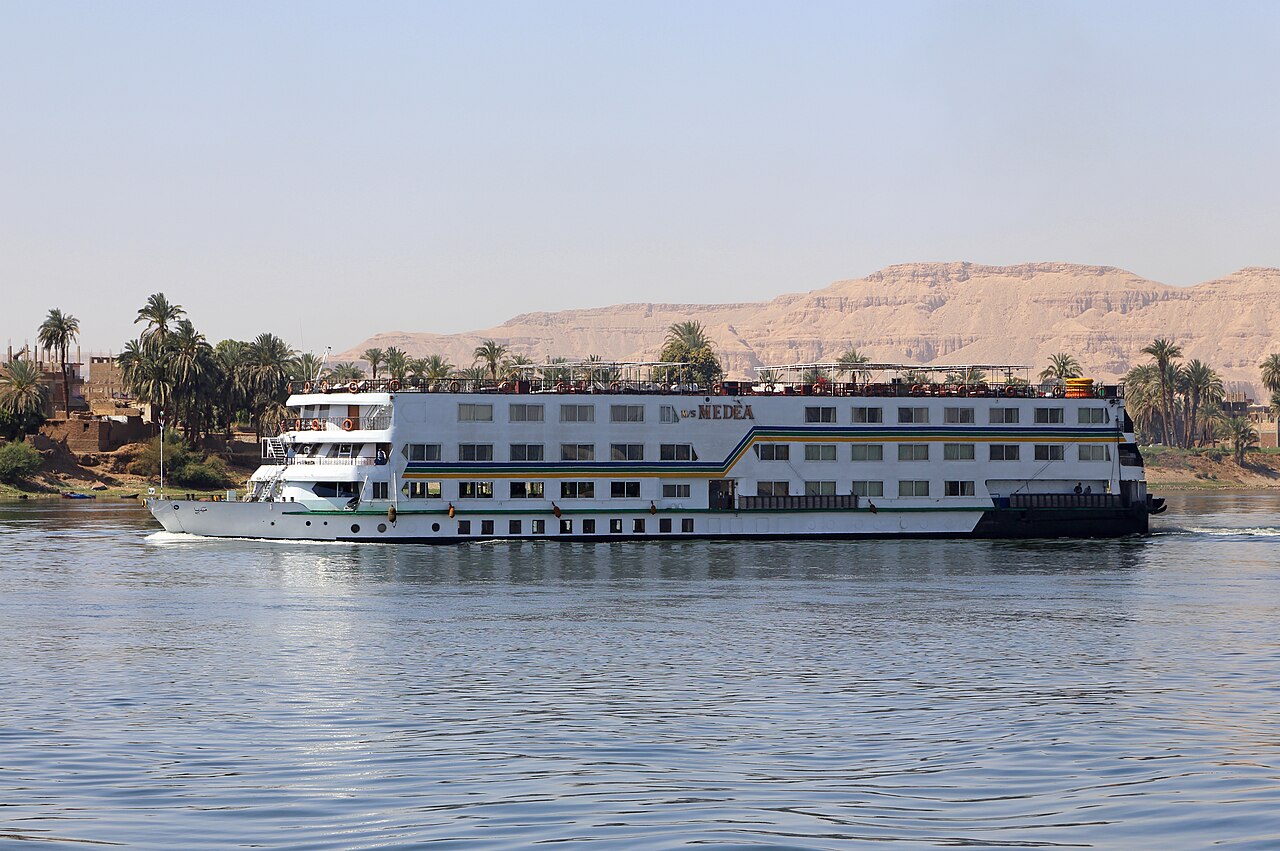
Whether you sail on a large five-star vessel or an intimate dahabiya, the Nile offers a constant parade of landscapes to photograph: feluccas with white sails, temples rising from the bank, fields of sugarcane, water buffalo in the marshes, fishermen casting their nets. The upper deck of the boat is the best observation post. A circular polarizer reduces reflections on the water and deepens the blue of the sky.
Explore the sailing options in our article on dahabiya vs. Nile cruise.
→ See our large cruise ship program
FAQ: Photography in Egypt
Can you use a drone in Egypt to take photos?
No, drones are strictly banned in Egypt without authorization from the Ministry of Defense. Importing one is illegal, the equipment is confiscated at the airport, and violators face prison sentences. Leave your drone at home.
Are photos allowed inside the pyramids?
Inside the Pyramids of Giza, photography is officially banned. Flash is strictly prohibited to protect the burial chambers. Outside, on the plateau, you can photograph freely without restriction.
Do you have to pay extra to photograph inside the temples?
In most outdoor temples (Karnak, Luxor, Philae, Edfu), photography is included in the entrance ticket. The Valley of the Kings offers a paid photo ticket (around 300 EGP) for certain tombs. The Grand Egyptian Museum allows flash-free photos in the main galleries.
What is the best time of day to photograph the temples?
The golden hour (sunrise and sunset) offers the most beautiful light. Favor visits between 6 and 9 a.m. or between 4 and 6 p.m. Midday light is too harsh and flattens the reliefs of the monuments.
How do you protect your camera from dust in Egypt?
Use a versatile lens to avoid changing lenses outdoors, protect the front element with a UV filter, store your gear in a sealed bag between shots, and bring a microfiber cloth and a blower bulb. Avoid opening your bag during sandstorms.