
What makes a shopping trip in Egypt so different
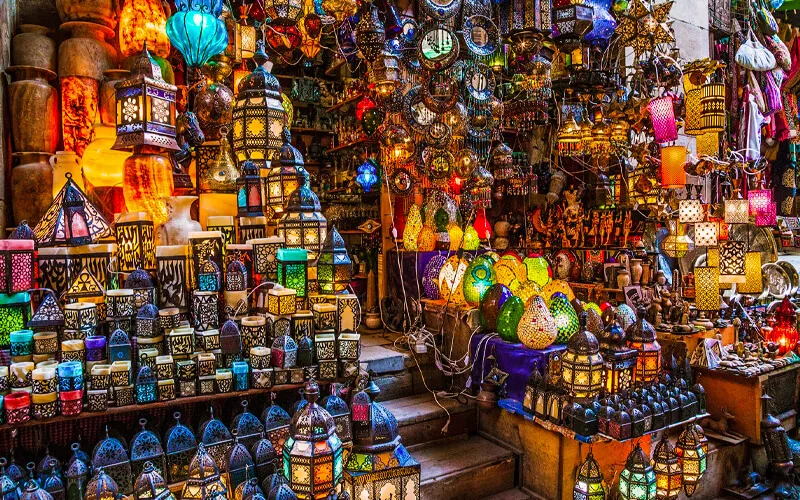
Nowhere else shops quite like Egypt. Between the twisting lanes of Cairo and the alabaster workshops strung along the Nile Valley, every market carries six thousand years of making and trading in its bones. Buying something here is never a simple transaction: you haggle, you sample, you get drawn into Egyptian life. Spices that perfume the whole street, silver jewellery, a traditional fanous lantern: turn any corner and there is something worth taking home.
To accompany you on this sensory journey, discover all the facets of shopping during your stay at the legendary market of Khan el-Khalili in Cairo or take advantage of the picturesque corners to find good deals in 2026.
Khan el-Khalili - the most famous souk in Egypt
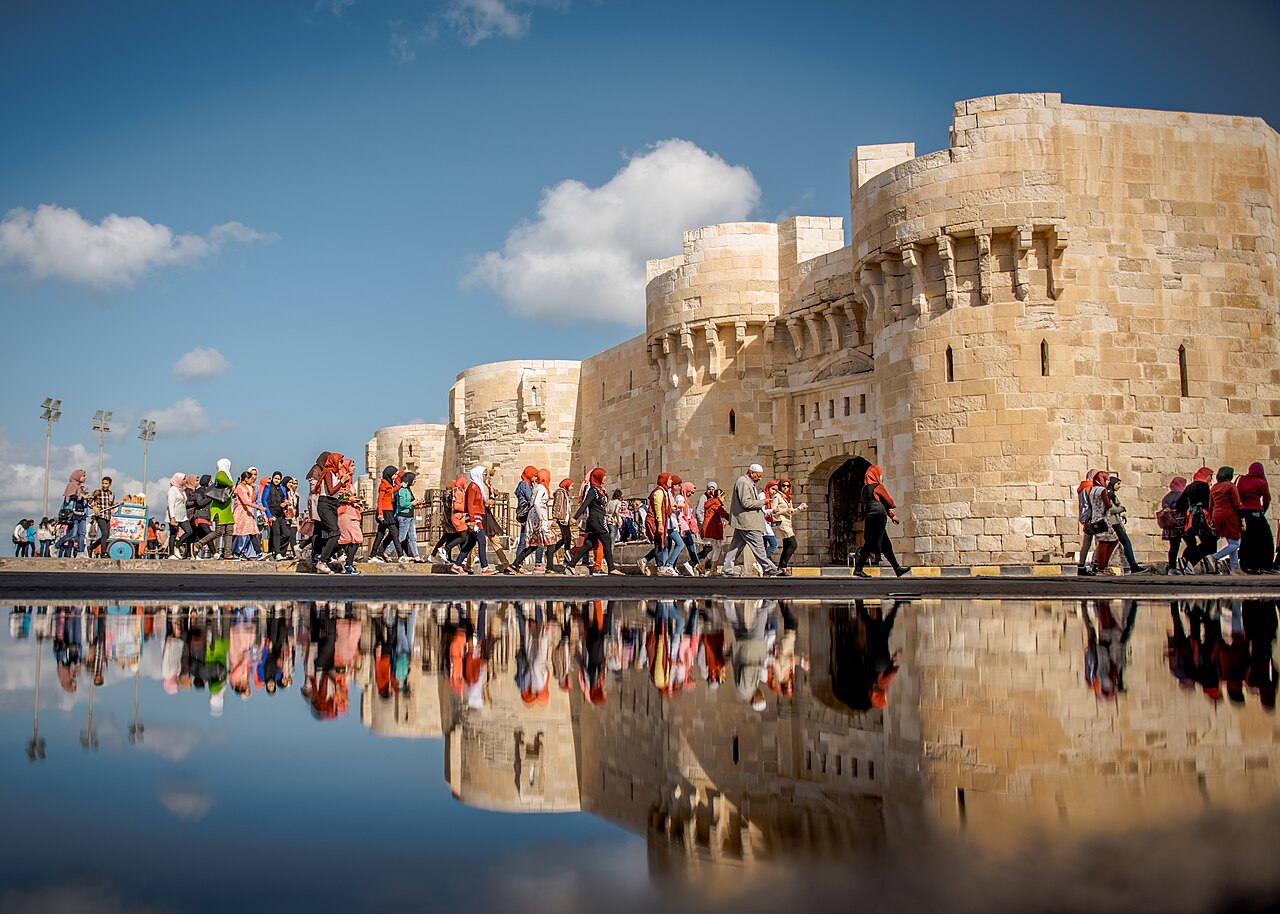
Emir Djaharks el-Khalili established this souk in 1382, and for over six centuries it has remained the commercial pulse of Cairo. It sits at the core of Islamic Cairo, a short walk from the Al-Azhar Mosque, with more than 4,000 shops packed into a tangle of medieval lanes. To make the most of this celebrated spot, add our Cairo package to your holiday.
- 2026 schedule: open every day from 9:30 a.m. to 11 p.m. (some shops close on Friday morning). The morning before 11am is ideal for avoiding the crowds, while the evening after 6pm offers a magical atmosphere with the lanterns lit.
- Worth buying: jewellery in gold and silver, copper lanterns, karkaday (hibiscus), mother-of-pearl inlaid boxes and papyrus. Watch out for imported souvenirs; the genuine handwork is found in the smaller side passages.
- Pause here: the celebrated El-Fishawi café, where a Turkish coffee or mint tea puts you right at the heart of Cairo.
The markets of Luxor and Aswan
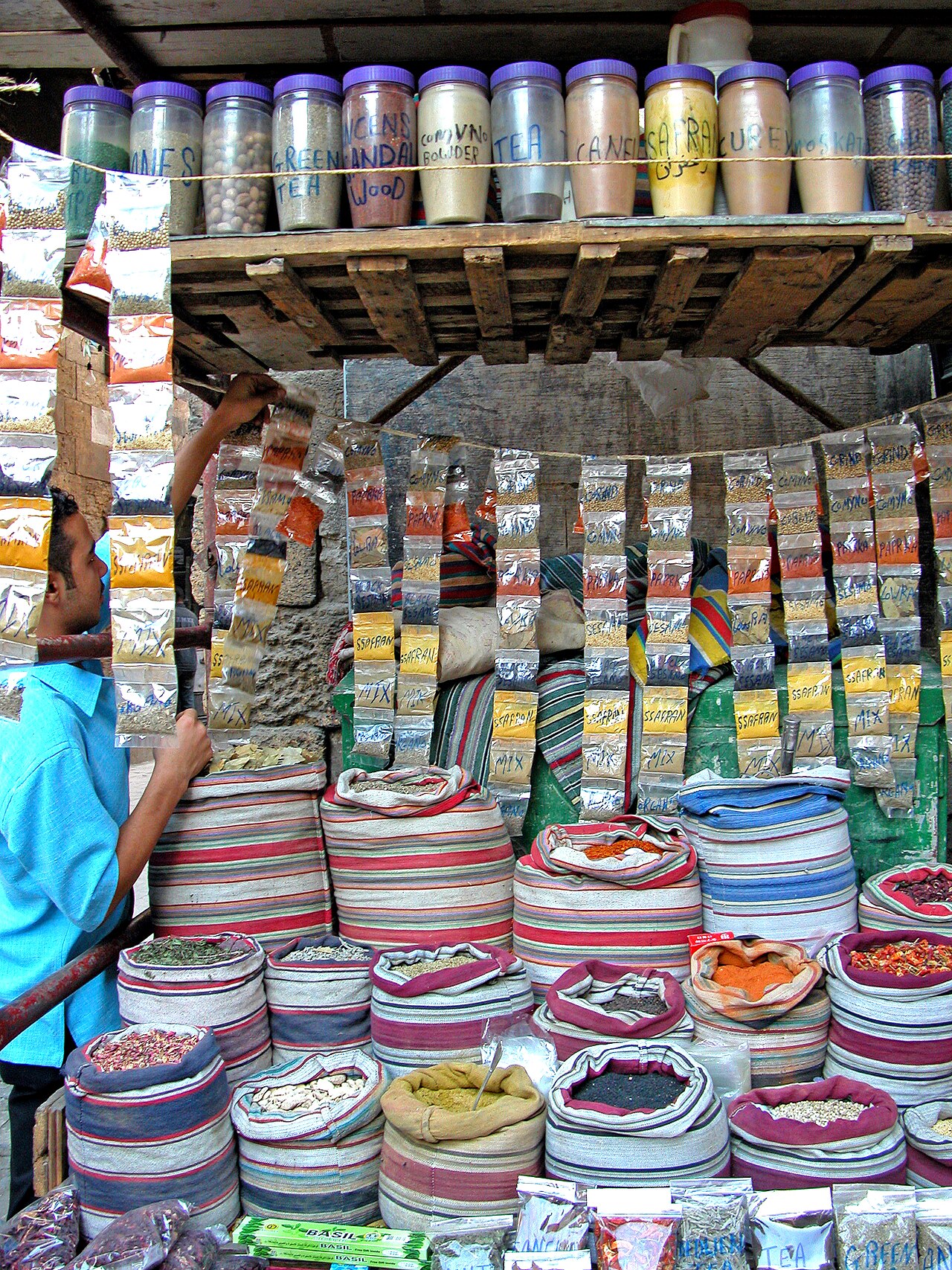
A trip on the Nile will inevitably take you to the famous Luxor souk. It extends along the main shopping street, near the station. There you will find Egyptian cotton galabiehs, high quality statuettes sculpted by artisans from the west bank and various pharaonic treasures to enhance your visits to the various attractions in Luxor.
Further south, the fabulous Aswan Nubian Market is a festival for the senses. We often go there between two superb attractions in Aswan, to buy fresh saffron, colorful basketry, or elegant hand-beaded Nubian necklaces. Prepare yourself for the art of haggling!
The art of negotiation and our suggestions
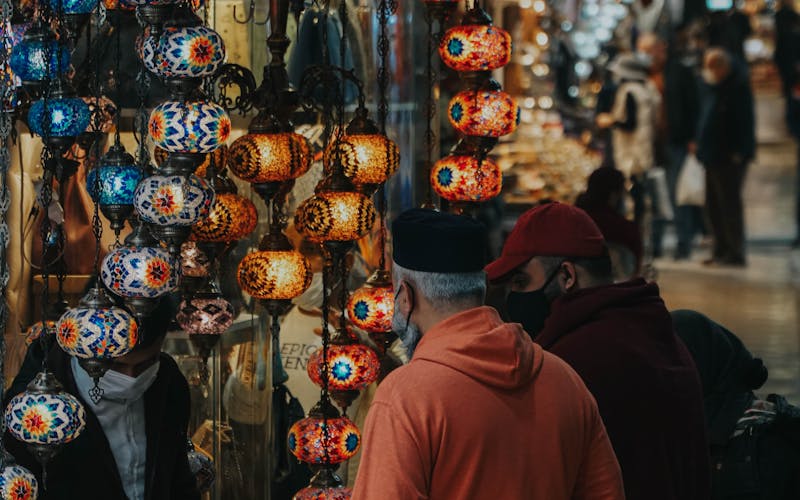
Negotiation is an integral part of the local culture: offer 30% of the advertised price and treat it like a game! During a short stopover or with a day trip in the city, carry your small denominations in Egyptian pounds. Find all of these personalized adventures by exploring our various tourist packages proposed for 2026. Oriental hospitality will perfectly match your art of obtaining the best scarves and copper lamps at good prices.
Shopping budget: Basic prices 2026
| Typical article | Estimated EGP price | € conversion |
|---|---|---|
| Egyptian cotton scarf | 100 - 300 EGP | 2 - |
| Handcrafted lantern (fanous) | 200 - 800 EGP | 4 - £10 |
| Cartouche (silver jewelry) | 300 - 1,500 EGP | 6 - £20 |
| Local spices (1 kg) | 50 - 200 EGP | 1 - |
The Best Souvenirs to Bring Back from Egypt
Clients regularly ask us, as the people on the ground, which souvenirs actually justify the suitcase space. After years of walking British travellers through the souks, this is our tried and tested list:
The personalized title block: it is THE most popular souvenir. A piece of gold or silver jewelry engraved with your first name in hieroglyphs. The best craftsmen work in the small streets behind Khan el-Khalili, not in the front shops. Count 300 to 800 EGP (~6-£10) in silver and 2,000 to 8,000 EGP (~£120-£120) in gold depending on the weight. Our tip: ask to see the goldsmith's mark before buying.
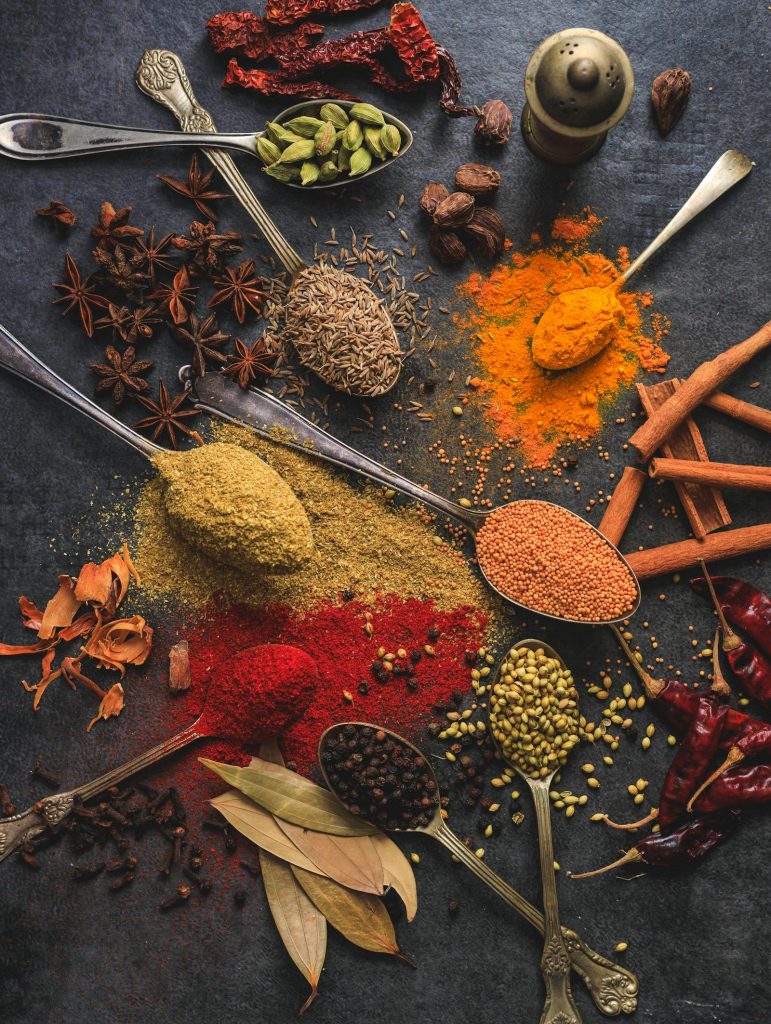
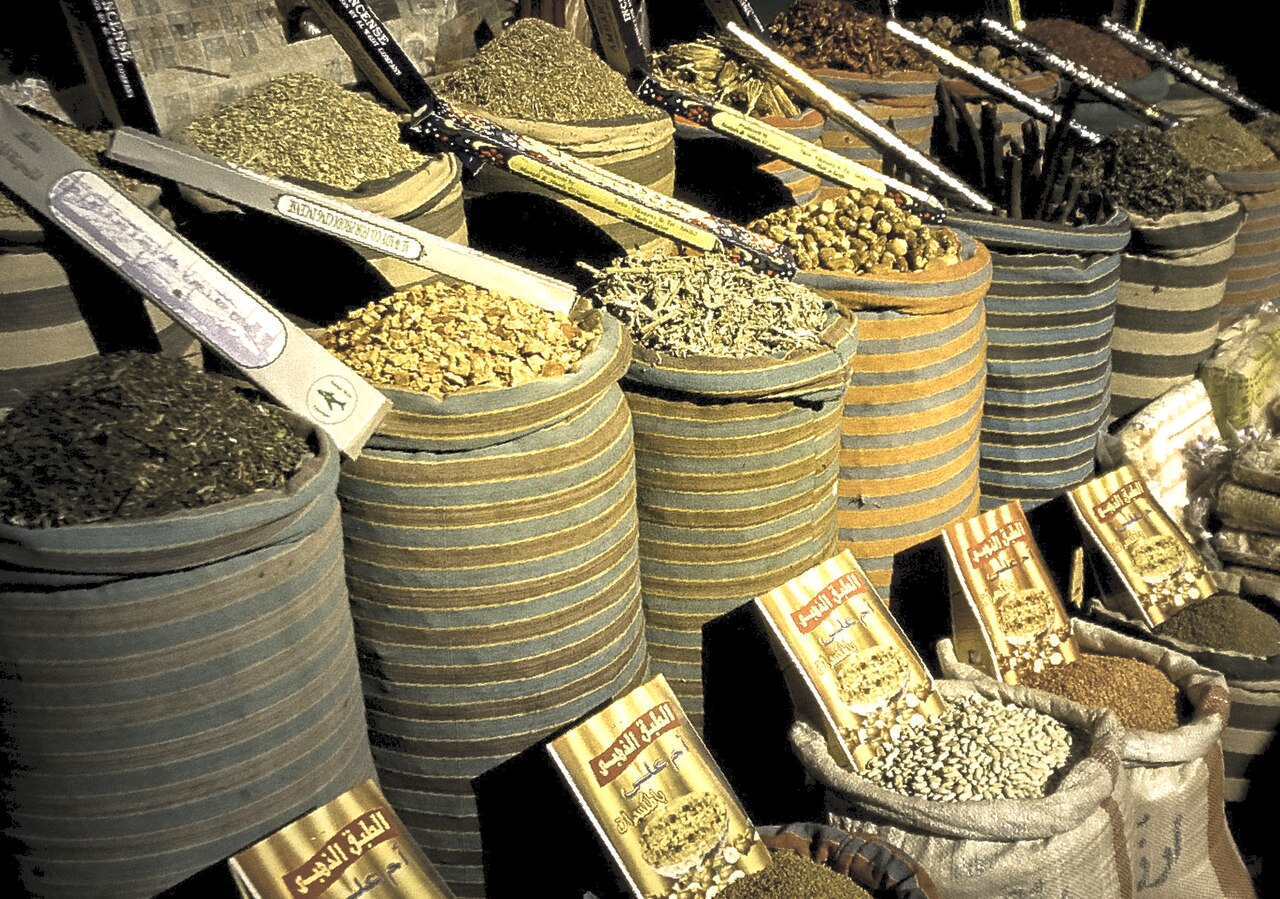
Spices and tea: the saffron, cumin, cinnamon and karkaday (hibiscus) sold here are top quality and cost very little. At the market a kilo of dried hibiscus runs to around 100-200 EGP (~2-), against £10-£20 in a British delicatessen. Mint tea and the spice mixes for kofta or molokhia make lovely presents for anyone who cooks.
The real papyrus: be careful, 90% of the “papyruses” sold to tourists are made of banana leaves. Real papyrus is thicker, flexible and does not tear when folded. Certified stores (like the Papyrus Institute) are reliable, but more expensive. Count 200-500 EGP (~4-£10) for an authentic medium-sized papyrus.
Essential oils: lotus, jasmine and amber oils are an Egyptian speciality. A visit to a perfume shop is half the fun: the owner dabs ten or so essences onto wooden sticks for you to sample. Prices are all over the place, but expect a decent 50ml bottle of lotus oil to cost around EGP 100-300 (~2-).
Practical Guide to Haggling
Bargaining in Egypt is not an option, it is a way of life. If you pay the first advertised price, the seller will almost be disappointed, because negotiation is part of social exchange. Here are some golden rules that we share with our travelers:
- 30% rule: first offer 30% of the advertised price. The seller will refuse, you will go up, he will go down, and you will usually end up between 40 and 60% of the original price. It's the game.
- Never show too much interest: If the seller feels that you have already made up your mind, he will not lower his price. Look at the object with an indifferent look, put it down, pretend to leave. In 90% of cases, we will call you back with a better price.
- Compare before you buy: don't fall for the first store. Take a complete tour of the souk to get an idea of the prices before taking out your wallet.
- Use Egyptian pounds: anything priced in euros, dollars or sterling always works out dearer. Take EGP out of a cash machine before heading into the souk.
- Keep it friendly: haggling is a sport, not a battle. Good humour and a couple of Arabic phrases (“shukran”, or “la shukran” for no thank you) go a long way.
Privilegier Hours and Days
When you go makes an enormous difference to what the souk feels like. Our suggestions:
Morning (9 a.m.-11 a.m.): it's the most peaceful time. The shops are opening, the sellers are in a good mood and less insistent. This is the best time for serious buyers who want to take their time.
In the afternoon (2 p.m.-5 p.m.): the souk is quiet because many traders are taking a break. This is a good time to photograph the empty streets and medieval architecture.
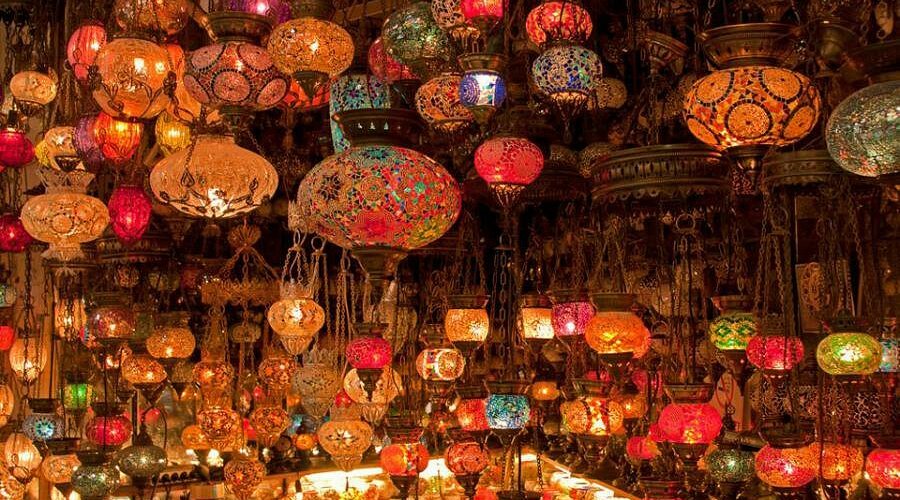
Evenings (6pm to 10pm): a different place altogether. Lanterns glow, the scent of spice drifts into the aroma of Turkish coffee, and the whole souk turns enchanting. Come now for the atmosphere, though be aware that asking prices climb as stallholders pitch to the evening tourist crowd.
Friday mornings: a good many shutters stay down for prayers, so it is a poor slot for real shopping. It is, however, a fascinating moment to watch neighbourhood life unfold around the nearby mosques.
Customs Rules and Getting Your Purchases Home
Before making your purchases, think about the return. Some rules are important to know:
Antiques: it is strictly forbidden to export real antiquities from Egypt. Reproductions (statuettes, papyrus) pose no problem, but keep your purchase receipts in case customs questions you.
Spices: the spices go without problem in checked baggage. In the cabin, powders can sometimes attract attention when scanned, so prefer the hold for large volumes.
Gold jewelry: for large purchases (gold cartridge for example), ask the seller for an invoice. Beyond £7,700 value, you will have to declare to European customs.
Lanterns and breakables: stallholders pack for flights all the time, so ask for “aeroplane” wrapping in bubble wrap and cardboard. Keep some space free in your case, or pack a spare holdall.
Shopping FAQ & Useful InformationAre Egypt's souks a safe place to shop?
Yes, these historic shopping areas are secure for tourists. Just keep your bag close to you during the crowds at the end of the day, but enjoy it in peace.
How to identify counterfeits on the market?
Real alabaster work is cold and transparent to light, while real metals like solid silver are very dense and always have hidden Arabic hallmarks on the back.
To create a unique purchasing journey between artisans with our professional guides, do not hesitate and Contact us.