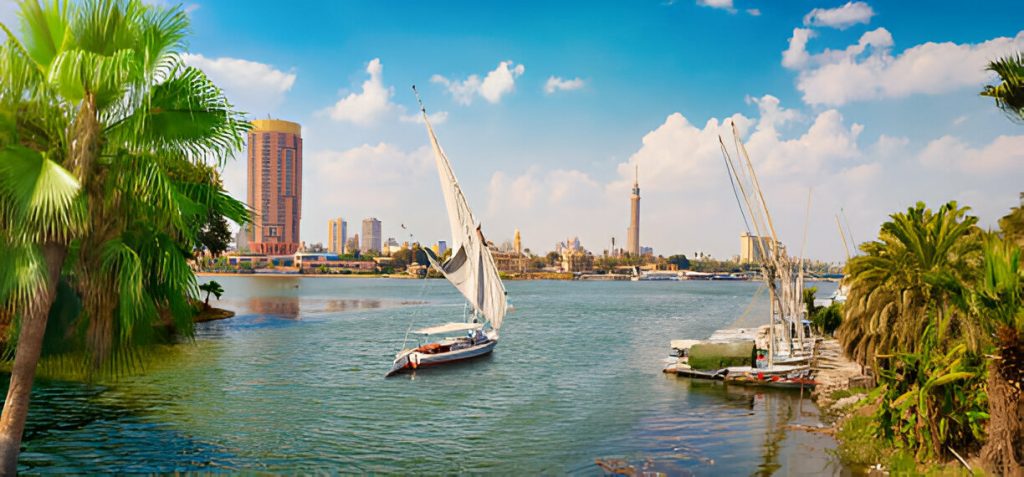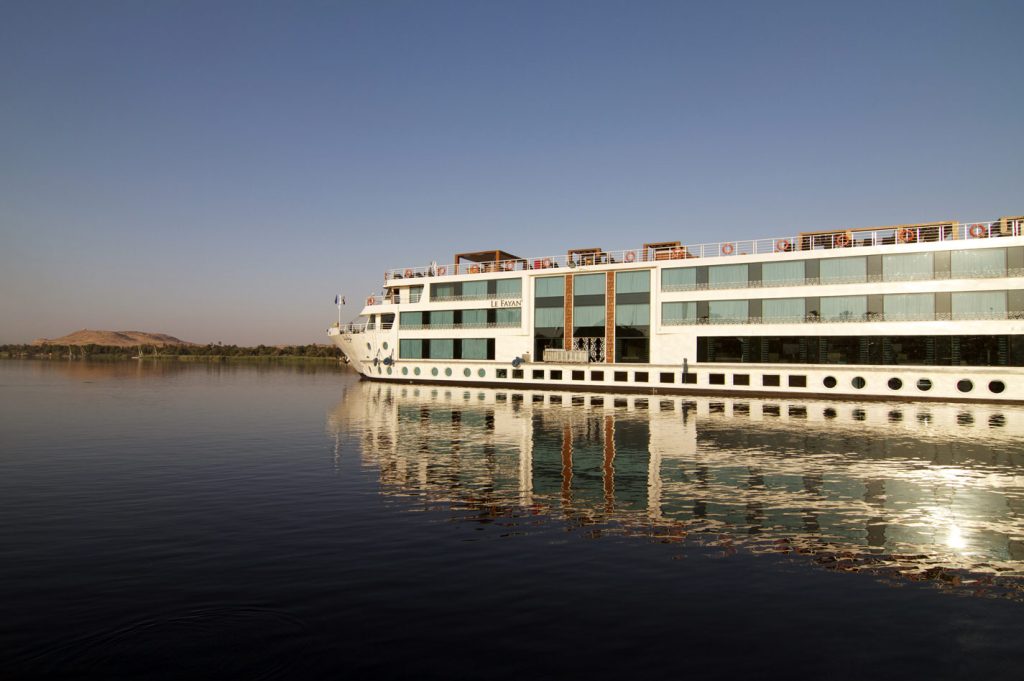
Take a pleasant combined tour, cruise on the Nile and Cairo to visit the attractions in Cairo such as the Pyramids of Cheops, Khafre and Mykerinos as well as the Egyptian Museum.
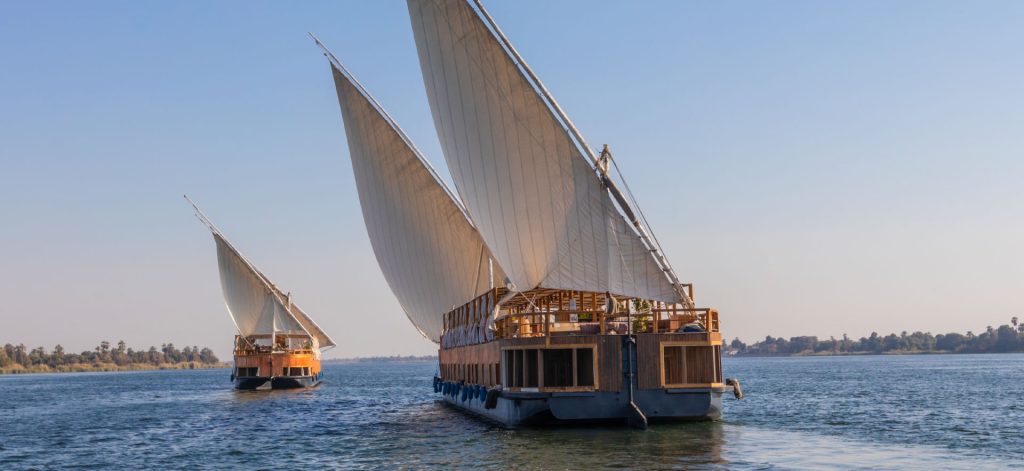
Discover unique itineraries visiting the Nile River in an exclusive and luxurious way by taking one of the twin dahabiyas, Nuun and Nuut.
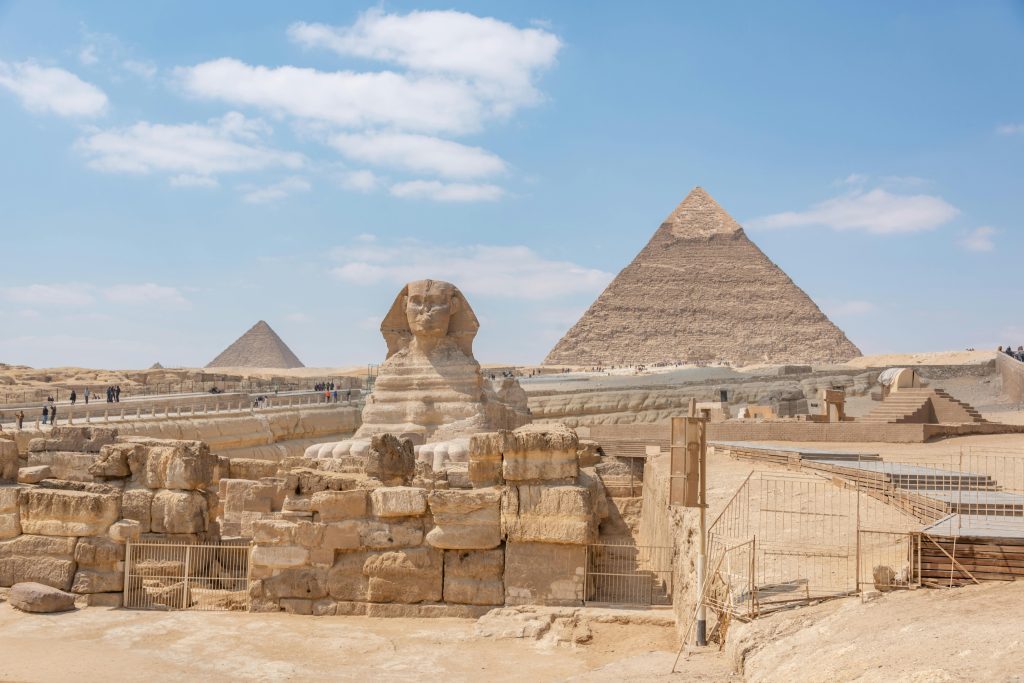
Treat yourself to a wonderful trip combining a Nile cruise and a stay in Cairo, to explore the emblematic sites of the Egyptian capital, such as the famous pyramids of Cheops, Khafre and Mykerinos, as well as the famous Egyptian Museum.
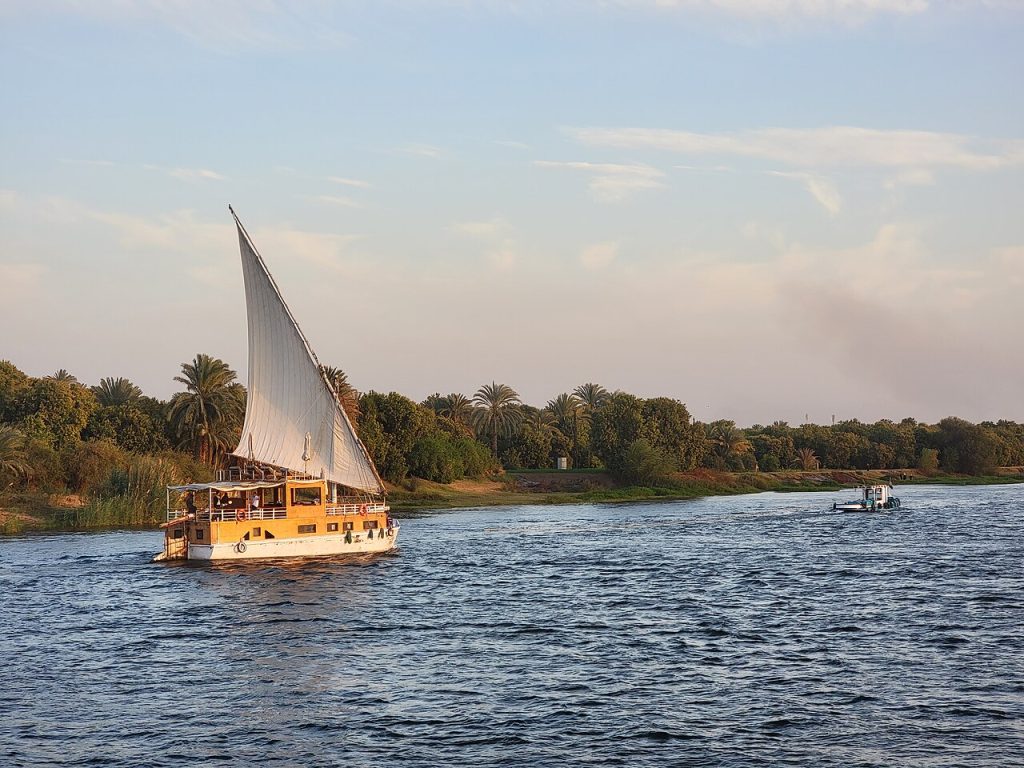
Live a unique experience exploring the Nile River in an exclusive and refined way aboard the twin dahabiyas, Nuun and Nuut.
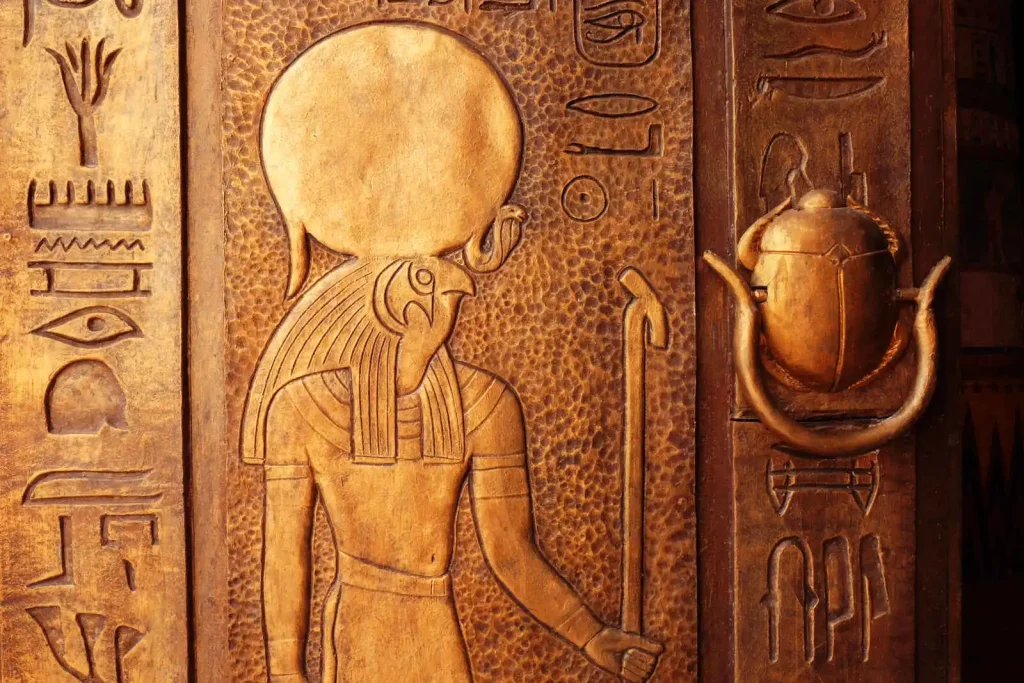
From the timeless treasures of Cairo, a vibrant capital with an effervescent rhythm, to Luxor, once ancient Thebes, a true jewel of majestic temples and unparalleled remains, let yourself be enchanted by the incredible wealth of Egypt.

From the majestic temples of Upper Egypt to the legendary pyramids of Giza, set off on a fascinating journey to the heart of Pharaonic wonders.
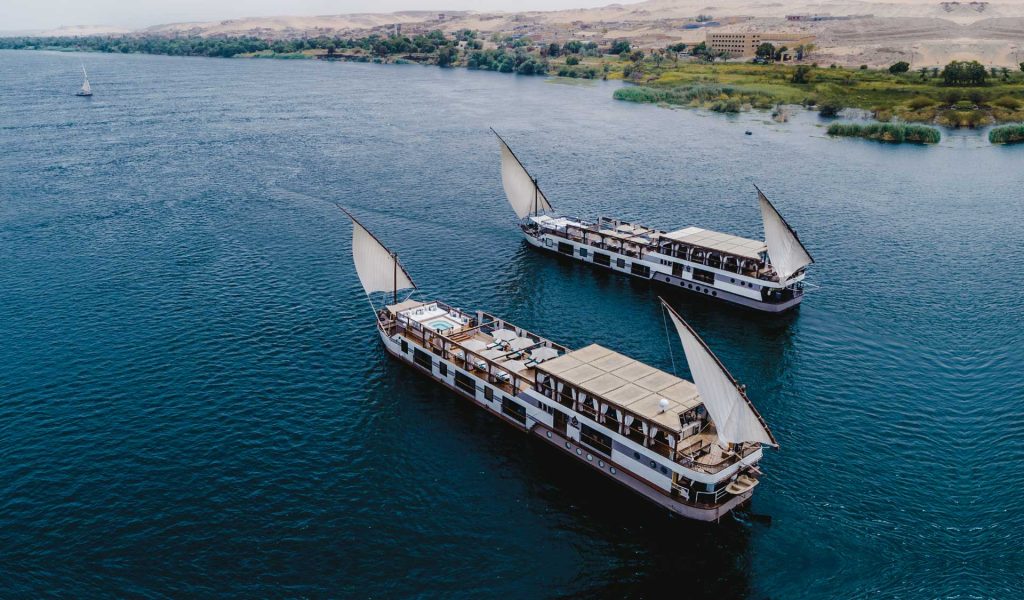
Sailing aboard a dahabeya means enjoying a peaceful cruise on the peaceful waters of the Nile.
Discover Egypt differently with our exclusive offer combining a cruise on the Nile and a seaside stay on the Red Sea.
Go on a memorable adventure in Egypt with Memphis Tours, a 12-day trip where each stop will introduce you to the cultural richness and natural beauty of the country.
Enjoy a 5-day city break in Cairo, Egypt - an unforgettable weekend that will introduce you to the ancient and modern wonders of the city.
Make the most of your stopover in Cairo with a tour that begins with the iconic Pyramids of Giza, followed by a visit to the spectacular Grand Egyptian Museum.
Last revised April 2026. An English-speaking agency, established in Cairo in 2012
Egypt's capital and the largest city on the African continent, Cairo packs three of the planet's most visited sites into a 30-kilometre radius: the Giza pyramids, the Grand Egyptian Museum that opens at the end of 2025, and the Khan el Khalili souk. For a British traveller stepping off the plane at Cairo international airport, whether to come is no longer the question. The question is how to fill three, five or seven days in a city of 22 million people without wearing yourself out or missing what truly matters. Cairo is not Rome and it is not Istanbul: you cannot simply wander it. Cairo has to be approached with a tight plan, a driver you trust and an English-speaking guide who knows when to set off at 6am and when to lie in until 10am.
Here is what a traveller from Britain needs to have straight before booking: cairo weather for every month with real temperatures, which neighbourhoods suit which kind of visitor, how long each site deserves, what airport, train and flight transfers cost when you carry on to Luxor, a realistic 2026 budget and the current security picture. Our Cairo-based team has been building these English-speaking itineraries day in, day out since 2012. This is exactly what we tell clients before they commit to dates.
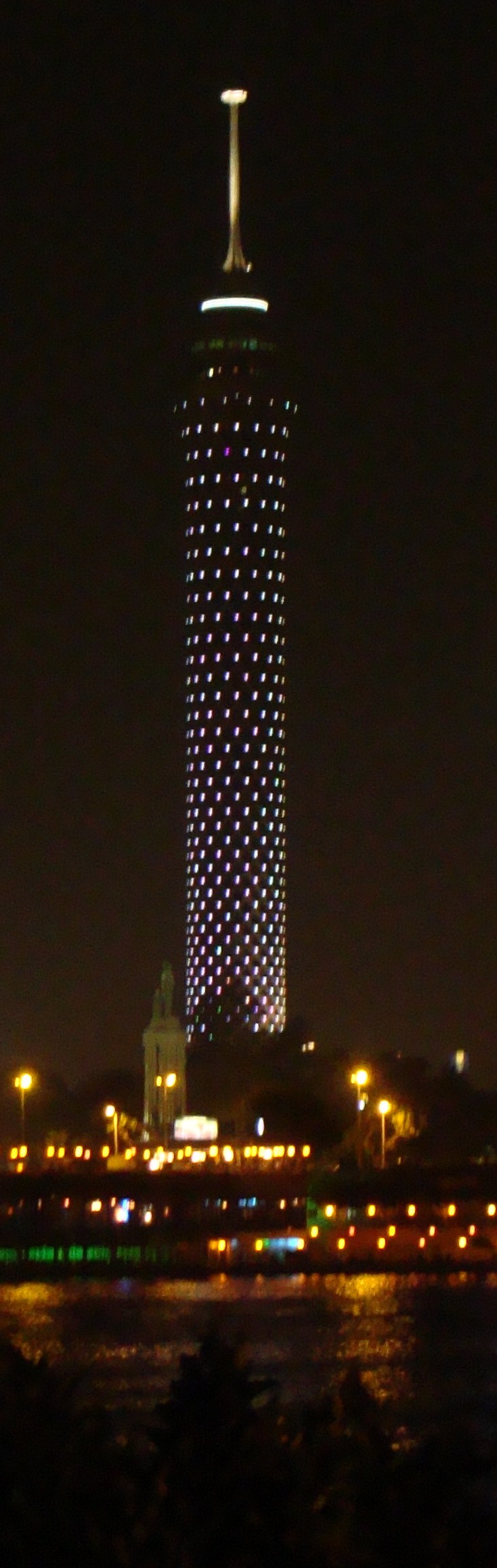
Founded by the Fatimids in 969, Cairo, capital of Egypt, has grown into a megacity of over 22 million people. Whether you type "egypt capital" or "capital of egypt", you mean one and the same place: the city where the nation's political, economic and cultural power sits, along with 90% of the Pharaonic heritage a visitor can reach from a single base. Anyone searching egypt capital on Google is after the same answers: where to sleep, what to visit, and how to organise it all.
The three types of visitor from the UK who get the most out of Cairo:
Where Cairo falls short: lazing by the sea (head for Hurghada or Marsa Alam), open desert (Fayoum or Siwa), and the feel of a sleepy town full of hieroglyphs (that is Luxor). Cairo is vast, loud and packed, and that is exactly why it ranks among the most vibrant capitals anywhere around the Mediterranean.
On a first visit to Egypt there is no getting round Cairo: the pyramids, the Sphinx and the Grand Museum are all here. Returning clients sometimes choose to leave Cairo out and fly straight to Luxor to join a dahabiya cruise on the Nile. We price both versions over WhatsApp inside 24 hours.
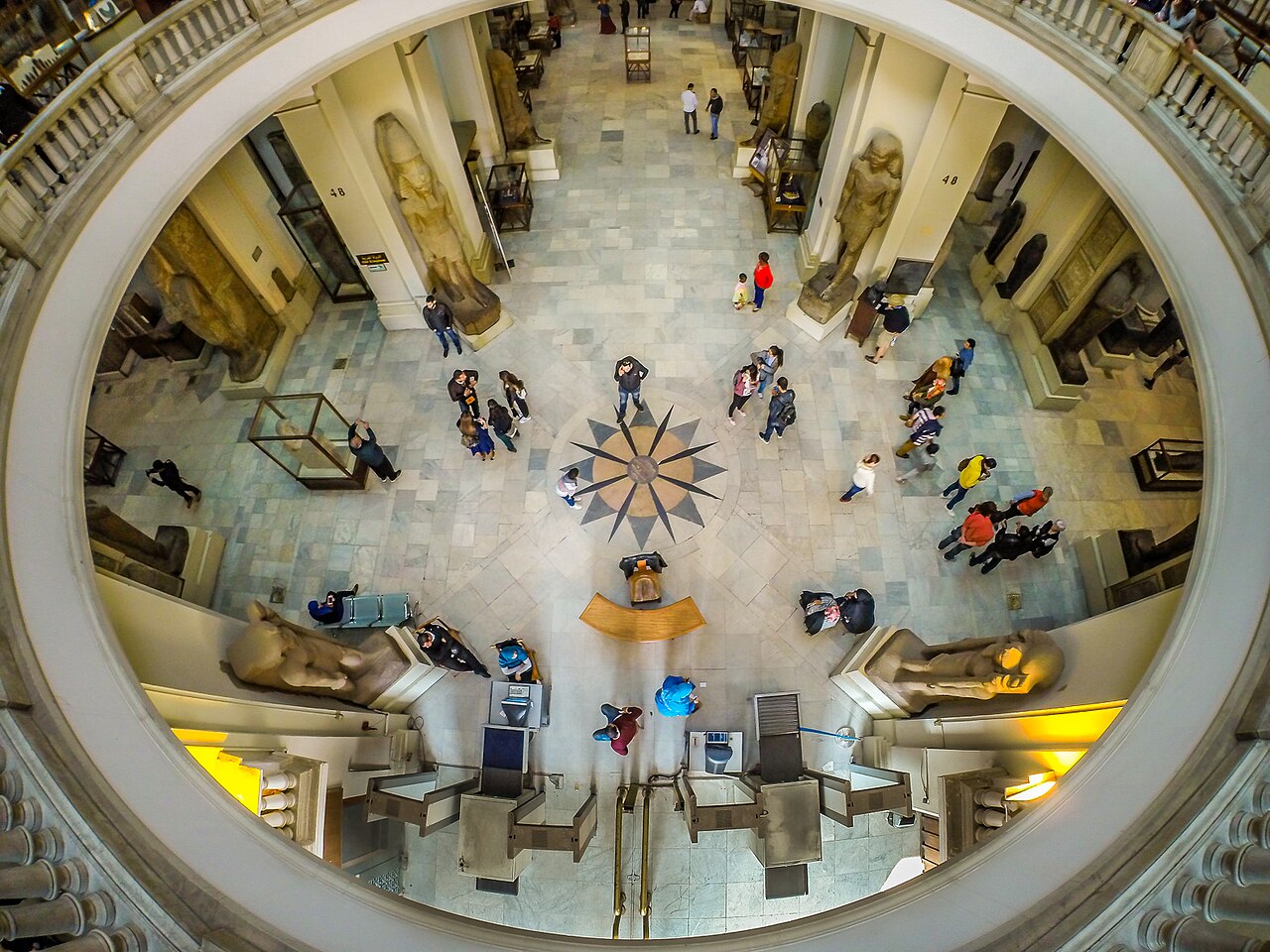
Nothing gets searched more by people planning Egypt than cairo weather. A desert climate softened by the nearby Nile means big swings between day and night and from one season to the next. The numbers that follow are ten-year averages recorded at the Cairo International Airport weather station.
When a client from the UK asks about a first trip, we steer them towards October, November, February and March. Families with children we keep away from July-August, and from December when money is tight (Christmas prices). Winter cairo weather lets you sightsee from morning to evening; in summer the day splits into morning, siesta and evening.
For the wider picture on Egypt's climate, read our month-by-month guide to when to visit Egypt and, if July-August is your only window, our guide to travelling in Egypt in summer.

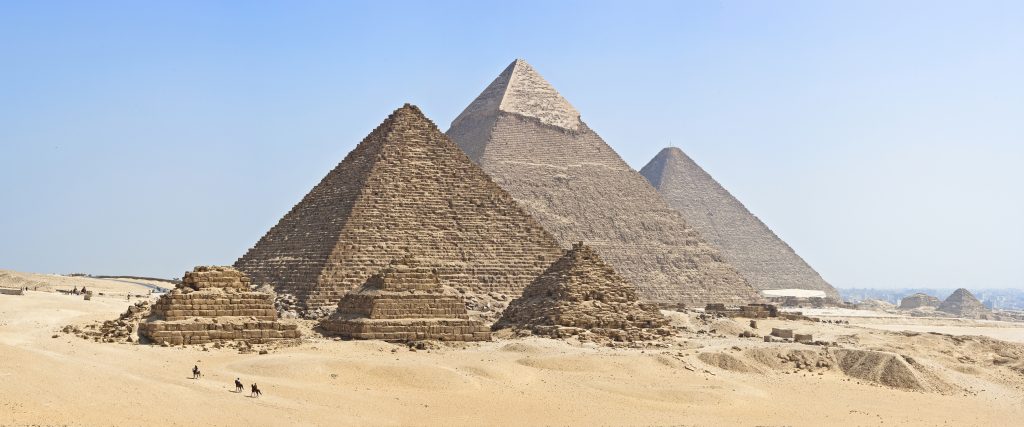
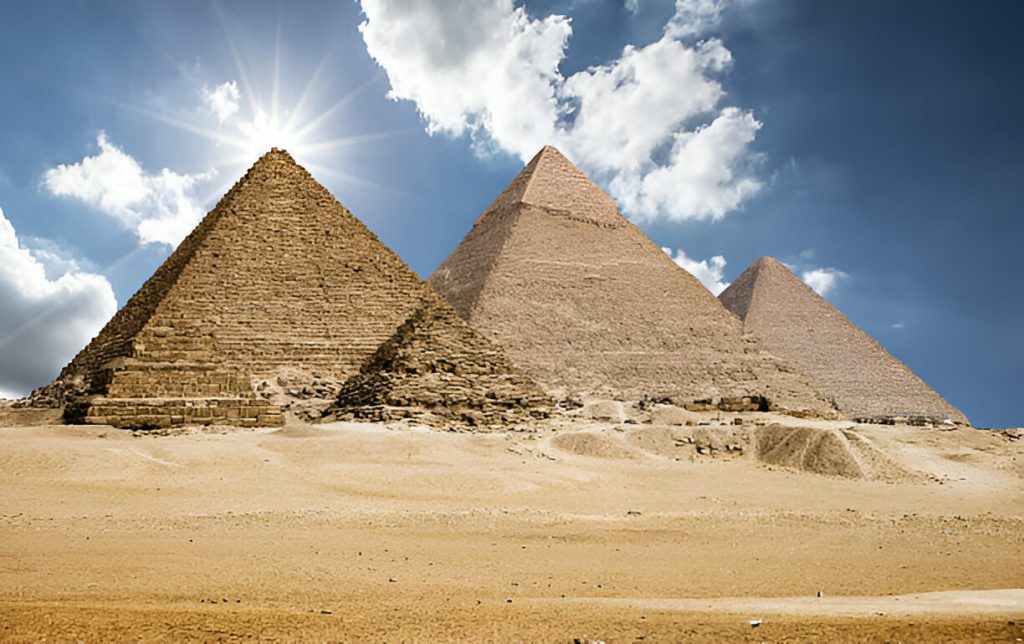
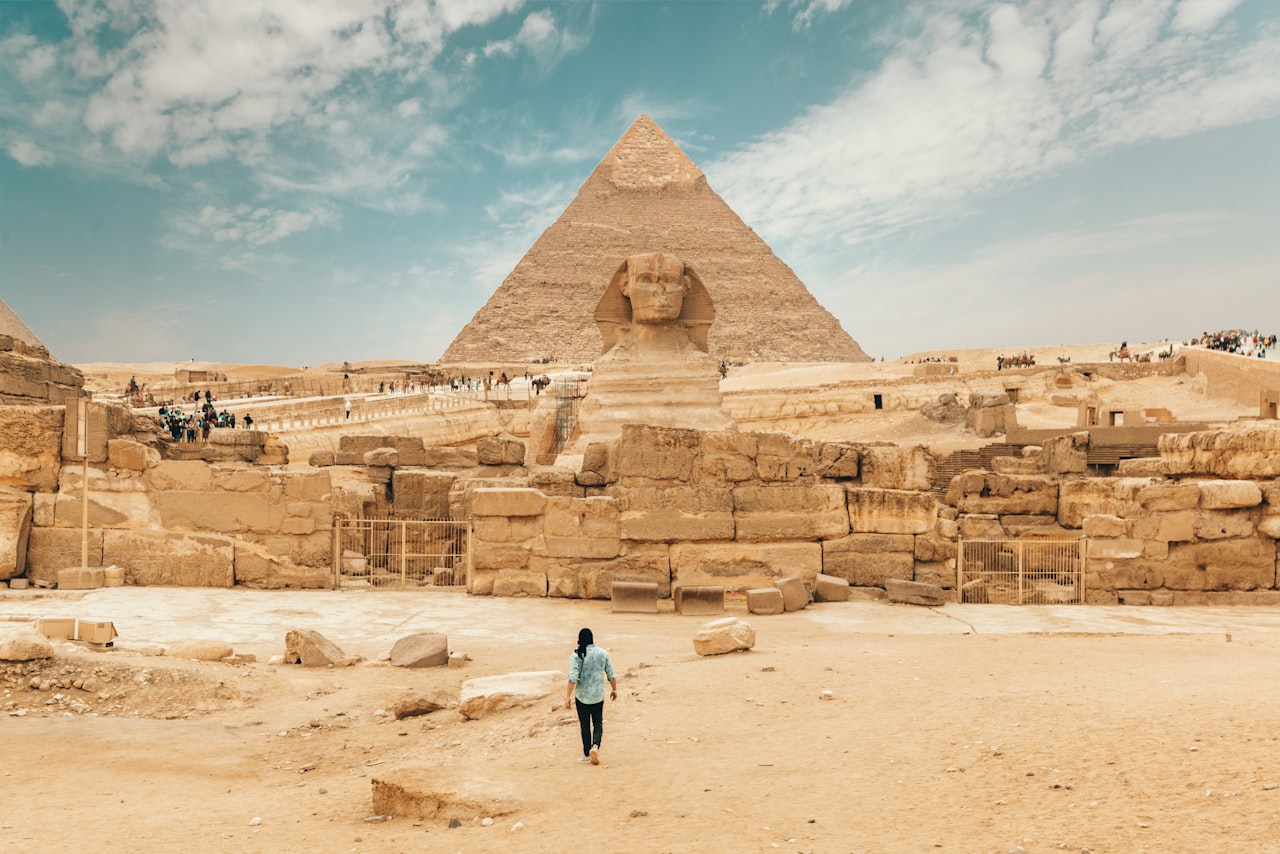
Every single client we have ever had, 100% of them, asks for the Giza pyramids and the egypt sphynx. Raised between 2,600 and 2,500 BC, the great pyramids of Cheops, Chephren and Mykerinos stand with the Sphinx as the image the whole world has of Egypt. Forget the idea that they sit "in the middle of the desert": the Giza plateau lies right on the western fringe of greater Cairo, 30 to 50 minutes from most hotels.
In 2026 the combined Giza Plateau ticket is EGP 700 (approximately £11), covering the plateau itself, the outside of the Great Pyramid of Cheops, Khafre, Mykerinos and the Sphinx. Going inside Khufu's burial chamber costs a further 1,000 EGP (£15): worthwhile if you have never been inside a pyramid, superfluous if Saqqara is also on your list.
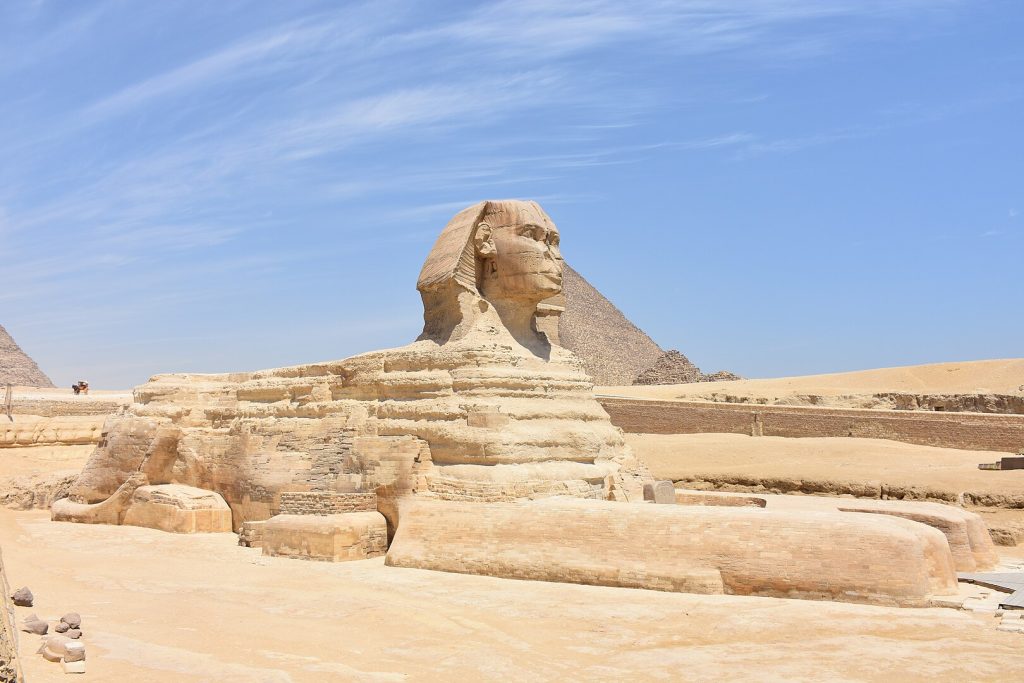
Photographs undersell the egypt sphynx (Sphinx is the usual spelling): 73 metres long and 20 metres high, its face worn away yet its presence overwhelming. The finest angle is from the terrace of the lower temple rather than the raised viewing platform, and our English-speaking guide knows precisely where to put you so the coaches stay out of shot.
The best timetable for the pyramids: be at the gate at 7.45am for the 8am opening, Khufu at 8am, the nine-pyramid viewpoint at 9.30am, the Sphinx at 10.30am, and out before 12pm as the cruise coaches roll in. On certain evenings the sound and light show (180 EGP) is worth catching in English.
Want more? Read our hands-on guide to visiting the Giza pyramids, and for those keen to look past Giza, our guide to Dahshur and the Red Pyramid.
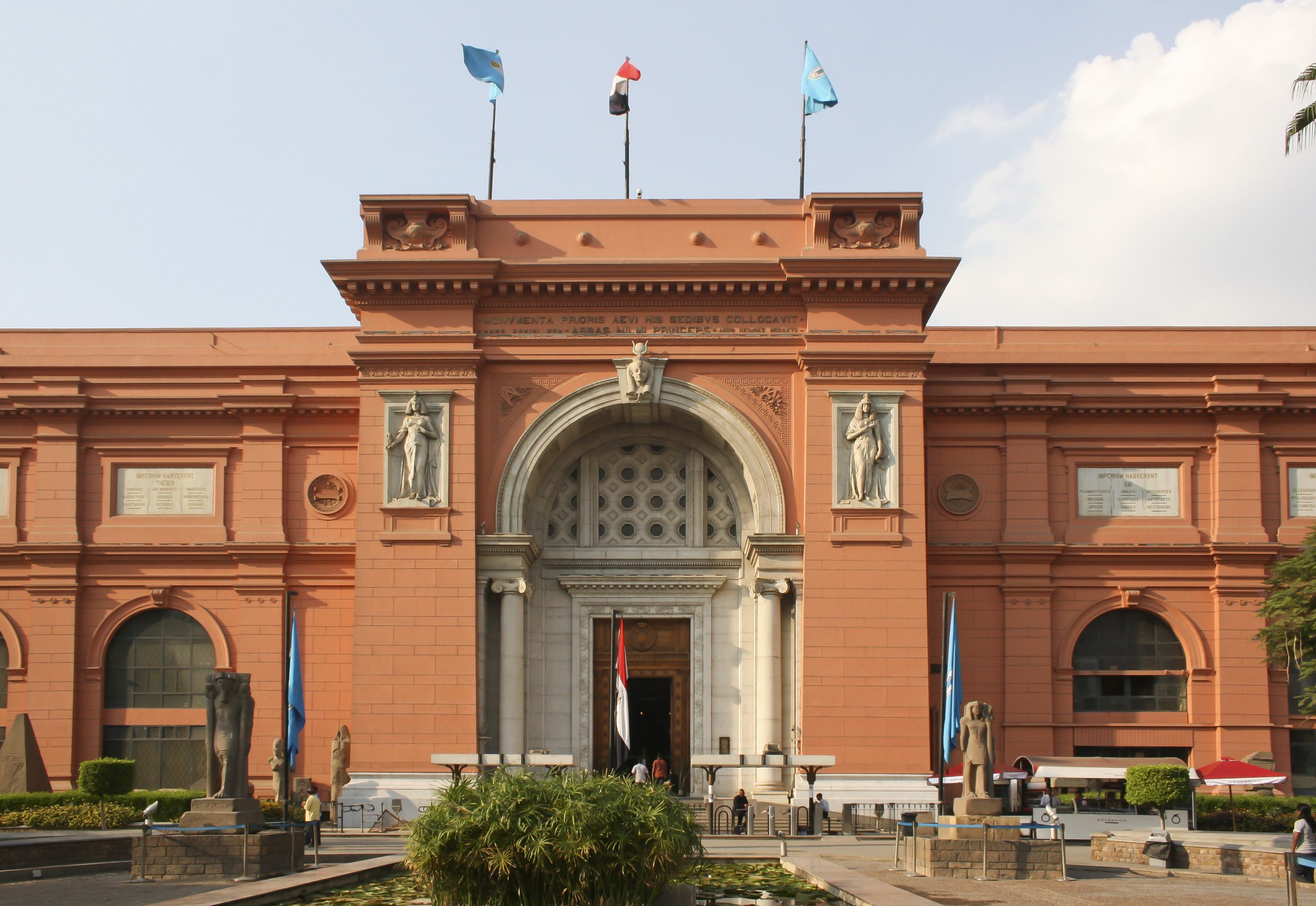
After 20 years in the building, the great egyptian museum, known too as the new cairo museum (GEM, Grand Egyptian Museum), welcomed its first public visitors in November 2025. It sits 2 km from the Giza pyramids and takes over from the old Cairo Museum on Tahrir Square, whose collections have moved across. For a visitor from Britain in 2026 this is the country's foremost cultural site, and for some people it outranks the pyramids themselves.
On show: Tutankhamun's entire collection under one roof for the first time (around 5,400 objects that had never been displayed together), the great hieroglyph gallery, the monumental staircase lined with colossal statues and rising over 60 metres, and dynastic galleries in chronological order. The building itself, by the Irish practice Heneghan Peng architects, is a spectacle in its own right.
Admission in 2026 is 1,450 EGP for foreign adults (approximately £22) and 730 EGP for children aged 6-12; the Tutankhamun Room is included in this ticket, with no extra charge. Give it 4 hours at the very least, 6 if you are keen. The café is passable, but pack a snack if you plan to stay through morning and afternoon.
Logistically, the new cairo museum pairs naturally with the Giza pyramids in a single 8am to 5pm day, being just 5 minutes away by car. Tacking it on after Khan el Khalili makes far less sense, given the 50-minute drive across the city. The old cairo museum on Tahrir Square stays partly open with a thinned-out collection; skip it unless museum buildings of the 1900s are your passion.
The full story is in our Grand Egyptian Museum guide: a route through the galleries, the rooms to prioritise, how it compares with the old museum, and the prices.
A question about a trip to Cairo?
Drop us a line on WhatsApp and you will have an answer within 1 hour. We speak English, we have been in Cairo since 2020, and no enquiry is ever passed to a call centre abroad.

Giza is the postcard; memphis egypt and Saqqara (Sakkara in some spellings) are where it all started. Around 3150 BC Memphis became the first capital of a united Egypt, 25 km south of today's city. Its royal burial ground, Saqqara, stretches 7 km and holds Djoser's step pyramid of around 2,630 BC, the earliest pyramid ever built, 80 years ahead of Khufu's.
What we see there:
A standard day takes in Memphis, Saqqara and Dahshur (the Red Pyramid and the Bent Pyramid of Snefrou, Khufu's father). You leave the hotel at 8am, eat lunch at a roadside place and are back by 4pm. With an English-speaking guide and a private minibus it costs £60 to £80 per person according to season. Each site is described in our guide to Memphis and Saqqara.
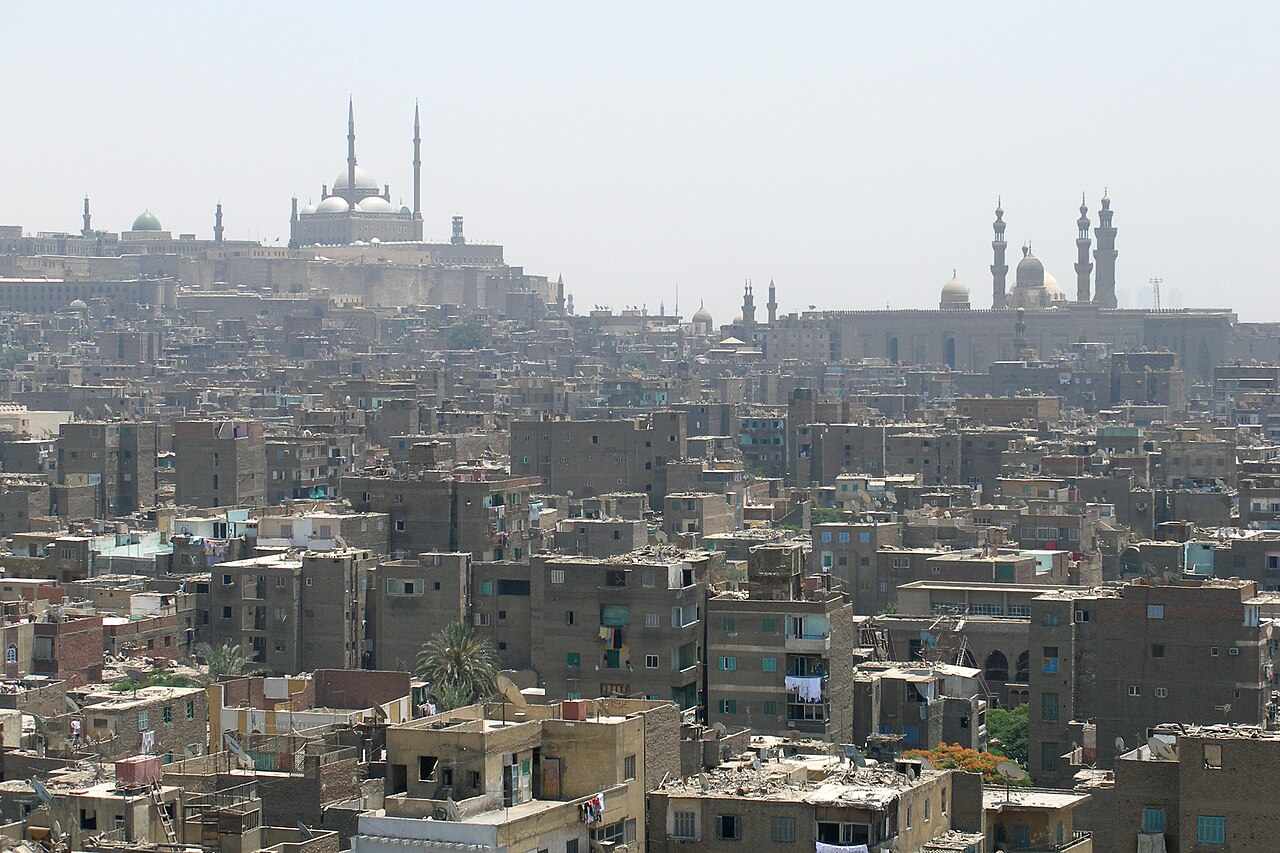
Founded by Emir Khalili in 1382, Khan el Khalili is Cairo's great medieval bazaar. Whatever you may have heard, it is no mere tourist trap: 60% of the shoppers are Cairenes, and in the right copper, blown-glass, Egyptian cotton and perfume workshops the craftsmanship is the real thing. Go in with your wits about you and an English-speaking guide who can steer you to the good shops and keep the touts off your back.
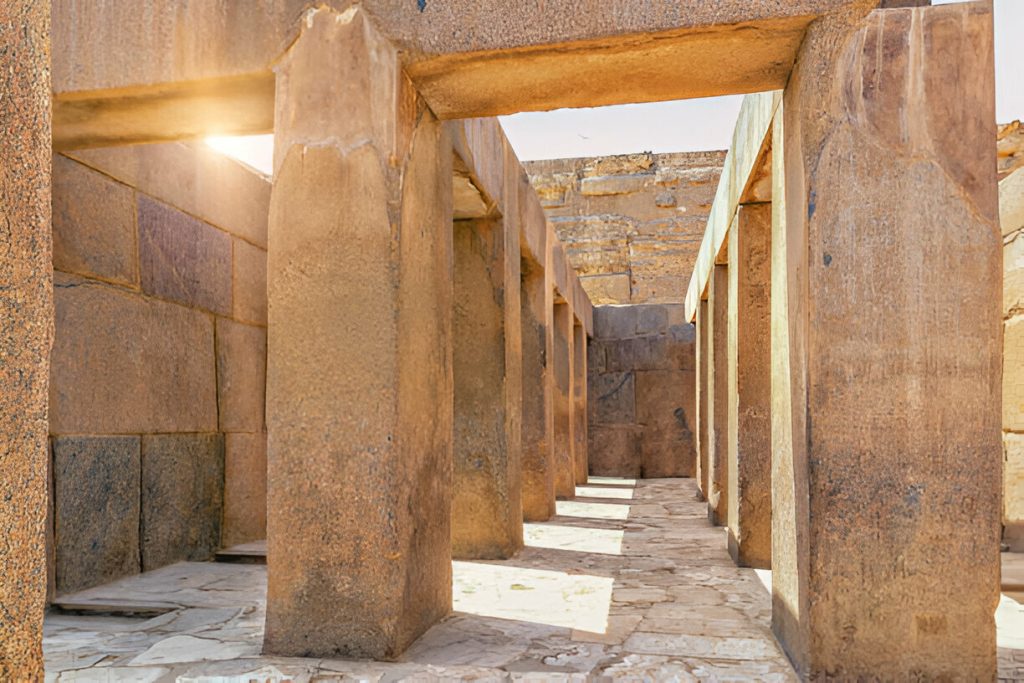
All within a 30-minute walk: Al-Azhar mosque (founded 970), among the oldest universities anywhere in the Arab-Muslim world and still teaching. The Sultan Hassan mosque (1356-1363), a Mamluk masterpiece on a scale that makes you dizzy. Ibn Tulun (879), Egypt's oldest mosque to survive intact, with its spiral minaret. The al-Muayyad mosque. And the 12th-century Citadel of Saladin with the Ottoman Mehemet Ali Mosque.
Our usual Islamic Cairo day: set off at 9am; Khan el Khalili from 9.30am to 11am; Al-Azhar mosque 11am to 12pm; lunch at the Naguib Mahfouz café inside the souk from 12pm to 1.30pm; Sultan Hassan mosque 2pm to 3pm; Ibn Tulun mosque 3.30pm to 4.30pm; back at the hotel by 5.30pm. Mosques expect modest dress (shoulders and knees covered, a headscarf for women). More on each building in our Al-Azhar Mosque and Islamic quarter guide and our guide to bargaining in the Khan el Khalili spice market.

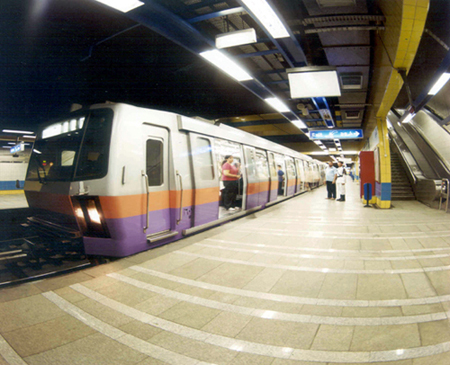
Old Cairo, as Coptic Cairo is also known, is where Christianity in Egypt was born. Nowhere else has such a cluster of churches from the 4th to 10th centuries, a synagogue of the 9th century and a Coptic museum of world standing. It occupies the old Babylon district, a 15-minute metro ride from the centre on line 1 to Mar Girgis station.
The quarter's five key sights, in the order we suggest seeing them:
Reckon on 3 to 4 hours all told. The churches cost nothing to enter; the Coptic museum charges 280 EGP. Many of our British clients end up preferring this quarter to Khan el Khalili for its calm and the weight of history in it. Read our Coptic Cairo guide.

At 3,000 km², Cairo is enormous, and the district you sleep in shapes the whole holiday. The 5-star hotels cluster in three areas and the 4-stars in four; characterful boutique hotels exist, but they are few.
What we usually tell first-time visitors from the UK: Zamalek or Garden City for balance, Giza for the view, Heliopolis only when the flight lands late. Every quote we send lists 3 hotels matched to your budget and style, with up-to-date photographs our guides have taken themselves. More in our three-day Cairo itinerary and our guide to Cairo after dark.
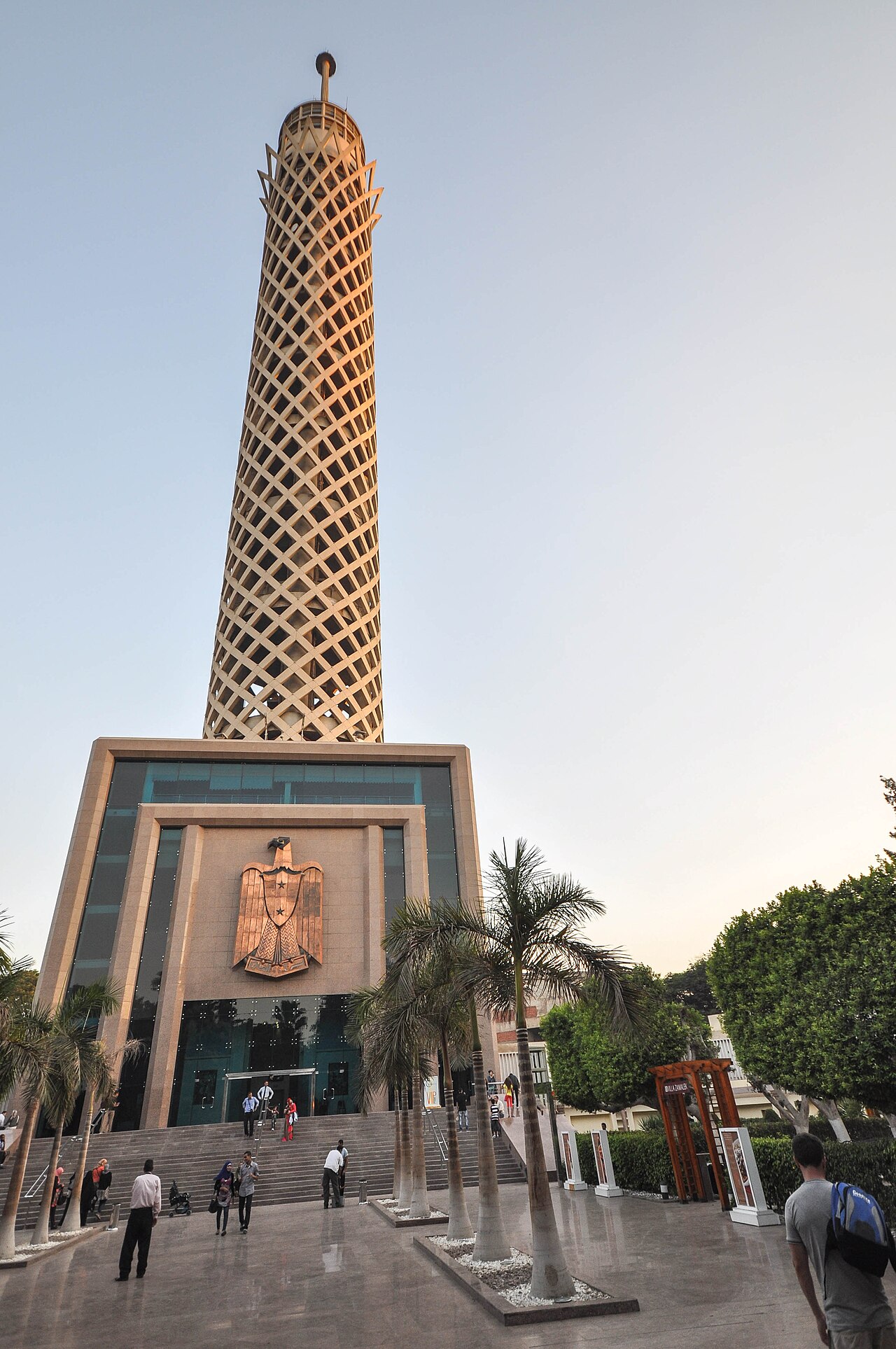
With children between 5 and 14, Cairo works provided you break the days up sensibly; heat, noise and sheer crowds wear little ones down over a long day. British families we work with usually do 4 nights in Cairo followed by 3 nights in Hurghada or on a Nile cruise, so culture and downtime balance out.
What works well with children:
What to avoid with young children:
A full family programme is set out in our guide to Egypt with the family and our guide to Egypt with teenagers.
How to get between Cairo and Luxor is the first practical question on any combined holiday. Three choices: fly, train, or coach. The train cairo luxor has always been the romantic option, and in 2026 it still runs perfectly well.
Which to pick: fly if your budget is mid-range or above and time matters most; the Watania sleeper for the romance and the hotel night it saves; the VIP day train if money is tight and a long day does not bother you. In high season train seats must be booked 2 to 4 weeks ahead. We handle ticketing in any all-in quote.
On the Nile routes and their cultural stops: our Luxor to Aswan itinerary guide and our guide to combining Cairo with a Nile cruise.
The principal egypt airport is Cairo International (IATA code CAI), out in Heliopolis 22 km from the city centre. In 2026 it has three working terminals: T1 for domestic and some older regional services, T2 (refurbished 2022) for long-haul flights to and from Europe and Asia, and T3 for EgyptAir and its Star Alliance partners, including EgyptAir's long-haul routes. British Airways from Heathrow generally comes into T2. EgyptAir services from Heathrow and Manchester use T3.
How far things are from CAI in 2026 (times assume no traffic, which is optimistic after 5pm on a weekday):
Our airport pick-ups: an air-conditioned 6-8 seat minibus, a driver holding your name, and up to 90 minutes' waiting from touchdown built in. In 2026: £20 for 1-3 passengers to Zamalek or the centre, £30 to Giza, £40 for a same-day return on a short connection. Everything else is in our guide to arriving at Cairo airport and transfers.
Ready to cost a Cairo itinerary?
Tell us when you want to travel and who is coming (a couple, a family, on your own, retired). Inside 24 hours you get 3 priced hotel suggestions, a day-by-day programme, transfers from CAI built in, and a total with nothing hidden.
Cairo remains one of the cheapest capitals in the Mediterranean world in 2026, despite the inflation of recent years. The Egyptian pound stabilized around 50 EGP for £0. Here are the actual budget ranges we see on our quotes, excluding your flight to Egypt. Good news: all domestic flights in Egypt that your program requires (Cairo-Aswan, Aswan-Luxor, Cairo-Sharm el-Sheikh, Aswan-Abu Simbel) are organized by us and included in our quotes.
Assumptions: 7 nights, two adults, your flight from the UK not included, breakfast included, a private English-speaking guide included, and internal flights within Egypt arranged by us:
Your hotel is what really moves the total. Sites, local eateries and getting around stay cheap: a lunch at a neighbourhood café 5 to £10, a gourmet meal overlooking the Nile £30 to £60, a 15-minute taxi 2 to £0. On changing money, tipping and small change, read our Egypt tipping guide and our guide to Egyptian currency and exchange.

Cairo is a far safer city than it was in 2015. By 2026 the visitor districts (Giza, Zamalek, Garden City, Heliopolis, the main parts of Islamic Cairo and Coptic Cairo) have a round-the-clock police presence, and the last serious terrorist attacks were in 2017. What a British visitor actually runs into day to day is low-level: a taxi that will not switch on the meter, a trader trying tourist prices, elbows in the souk, and on some days poor air quality.
Practical rules to follow:
A woman travelling alone will find Cairo harder work than Hurghada, with more staring and hassle, though not unsafe. Our guide for women travelling solo in Egypt covers the districts, what to wear and how things are done. For the latest on safety: our Egypt safety guide for 2026 and the FCDO advice on gov.uk.
These are the programmes we actually sell, designed for a British visitor whose flight lands at CAI late afternoon or in the evening.
3 days in Cairo (minimum viable):
5 days in Cairo (our pick): the three days above, then Memphis-Saqqara-Dahshur on day 4, and on day 5 the Museum of Civilisation (Royal Mummies, newly opened) plus a proper exploration of Khan el Khalili.
7 days, Cairo plus Alexandria: the five-day programme with 2 days in Alexandria added (the library, the catacombs, Qaitbay), travelling by train, 2h30 return. Read our Alexandria visitor guide.
For the richest cultural mix: 4 nights in Cairo, a 4-night Luxor-Aswan Nile cruise and the flight back, 9 days door to door, and our best seller by a distance. Priced up in our Egypt holiday packages.
Ready to go to Cairo in 2026?
Give us your dates, your budget and who is travelling. A quote comes back inside 24 hours with 3 hotel choices, a day-by-day programme and a final figure with no surprises, from an English-speaking agency in Cairo that sells direct.
Complete tours put together by the SEV team; quote and booking over WhatsApp, an English-speaking adviser replies within 1 hour.
All Cairo, nothing else: pyramids, Giza, historic Coptic Cairo, the Khan el-Khalili souk.
A long-weekend break covering Cairo and Giza with your own English-speaking guide.
A 1-2 day stop for cruise guests and anyone in transit through CAI.
Cairo, then a 5★ Luxor-Aswan cruise: 8 days, all arranged.
Out of Cairo to the Nile and on to the Red Sea: the fullest tour we offer.
Here are the 14 questions that come up most on WhatsApp about Cairo, the Egyptian capital and the nuts and bolts of planning a stay. If yours is missing, send it over.
The two sweet spots are October-November and February-March. Cairo weather in October means 29°C by day, 18°C at night, golden light, thin crowds; February gives 21°C by day, 10°C at night, perfect for long days out. Give July-August a miss (35-36°C heatwave), and December too (Christmas prices).
At least 3 full days for the pyramids, the Grand Museum and Khan el Khalili. With 5 you can add Memphis-Saqqara and go further into Islamic and Coptic Cairo; with 7, Alexandria fits too. The choice our clients make most often is 4 nights in Cairo with a 4-night Nile cruise.
Cairo, Al-Qahira in Arabic, has been the capital of egypt since the Fatimids founded it in 969. You will come across egypt capital and egypt capital written in various ways online; every one of them means this city. Its 22 million inhabitants make it the biggest city in both Africa and the Arab world.
It is. The great egyptian museum (the GEM, or new cairo museum) took its first public visitors in November 2025, right beside the Giza pyramids. It holds the whole Tutankhamun collection and supersedes the old cairo museum on Tahrir Square. Allow 4 hours minimum; adult admission in 2026 is 1,450 EGP (£22).
In theory, yes; in practice we would advise against it. Tackle the Giza pyramids without an English-speaking guide and you are fair game for the camel hustlers (£80 instead of), the pushy photographers and the wrong viewpoints. The camel scam alone costs more than the guide does.
On the Watania sleeper, the train cairo luxor is £100 per person in a shared double compartment with dinner, or £120 in a single. The VIP day train is £30. Flying runs £60 to £110 depending on how early you book. Most of our British clients fly to save the hours, or take the Watania for the adventure.
The main egypt airport, CAI, lies 22 km from Tahrir and 35 km from the Giza pyramids. Reckon on 45 minutes to Zamalek off-peak, stretching to 1h30 on a weekday evening. Our transfers cost £20-£30 depending on where you are heading.
Yes, in the visitor districts (Giza, Zamalek, the centre, Islamic and Coptic Cairo, Heliopolis), all of which are policed around the clock. Nothing serious has happened since 2017. Petty scams are common, physical danger is not. Take an Uber rather than a street taxi.
Zamalek if you want a well-rounded cultural base, Giza if you want the pyramids at breakfast, Garden City if you want the Nile and the centre close at hand. Steer clear of the working-class downtown on a first visit. Each quote gives you 3 hotels in your price bracket, photographed recently by our own guides.
It is the itinerary we sell most. 4 nights in Cairo and a 4-night Nile cruise from Luxor to Aswan come to 9 days door to door, with the internal Aswan-Cairo flight arranged by us. Budget £1,390 to £2,310 per person, not counting your flight from the UK, depending on the class of boat.
They do. Memphis Egypt and Saqqara (Sakkara to some) hold Djoser's Step Pyramid, the oldest on the planet, along with nobles' tombs whose paintings are outstanding. The usual day runs Memphis-Saqqara-Dahshur in 8 hours out of Cairo, at £60-£80 per person including an English-speaking guide.
Most of the old cairo museum on Tahrir Square (1902) was cleared out in 2025: the Tutankhamun collection, royal treasures and headline pieces moved to the Grand Egyptian Museum at Giza. It still opens with a slimmed-down collection, worth a look for its neoclassical building, but in 2026 the GEM is the one to see.
Yes, so long as you pace it: pyramids in the morning, a nap at the hotel, Khan Khalili towards evening. Skip the full Memphis-Saqqara-Dahshur day, too much for under-10s. For balance, 4 nights in Cairo then 3 nights in Hurghada or on a Nile cruise.
Base 2 adults 7 nights excluding flights: economy £1,080-£1,460 total, mid-range £1,690-£2,310, high-end £2,770-£3,850, luxury £4,920-£6,930. Flight UK-Cairo £270-£420 per person in average season. Our quotes encrypt everything on WhatsApp within 24 hours.
Revised April 2026. Every quarter our English-speaking team in Cairo re-checks prices, weather and the security situation. Anything specific you want to know, message us on WhatsApp at +20 10 96569859.