
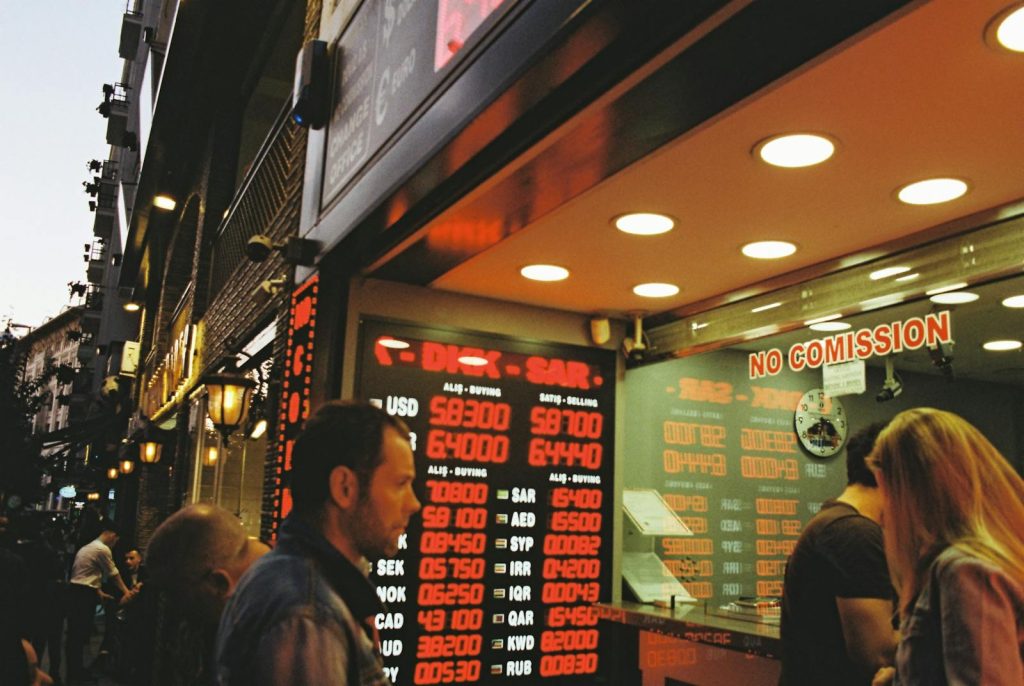
Are you going to Egypt and wondering how to manage your money there? It's normal. The Egyptian monetary system is not complicated, but there are pitfalls. And frankly, if you screw up from the start, you'll find yourself paying 30% more than the others. I've seen this too many times.
This guide covers the Egyptian pound, the best places to change your sterling, paying by card, and most of all how to avoid being ripped off. A dozen trips to Egypt later, I know precisely what works in 2026 and what falls flat.
Need help organizing your trip?
We reply within 2 hours · every day of the week · nothing to commit to
The Egyptian Pound in 2026: Exchange Rate and Background
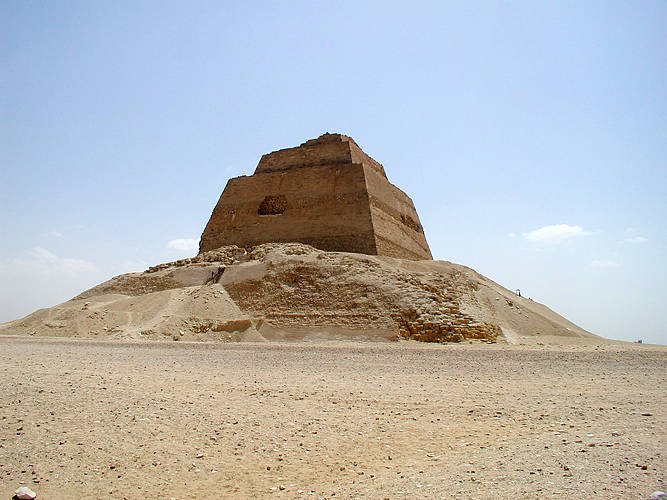
The official currency of Egypt is the Egyptian pound, abbreviated EGP (Egyptian Pound). Only one currency to use, period. Forget dollars or euros once you get there.
Currently (March 2026), the exchange rate oscillates between = 52-55 EGP. Yes, it changes almost every day. Egypt manages its currency quite flexibly, so the rate is not fixed. But you can assume that the euro is worth between 52 and 55 pounds. If someone offers you a better rate than that, ask questions.
Why this volatility? Egypt has gone through economic turmoil in recent years. The central bank manages foreign currency reserves carefully. It doesn't change anything for you as a tourist, but it's good to know. This also explains why prices regularly increase for visitors.
Clippings and Parts
You will come across denominations of 5, 10, 20, 50, 100, 200 and 500 EGP. No need to learn this by heart. The thing to know is that you'll mostly need small denominations for tips and merchandise. Large notes can be a problem in small shops.
Coins do exist, though in everyday life they hardly circulate. You may never handle one. No matter, nobody misses them.
Where to Change Your Euros: The Good and Bad Options
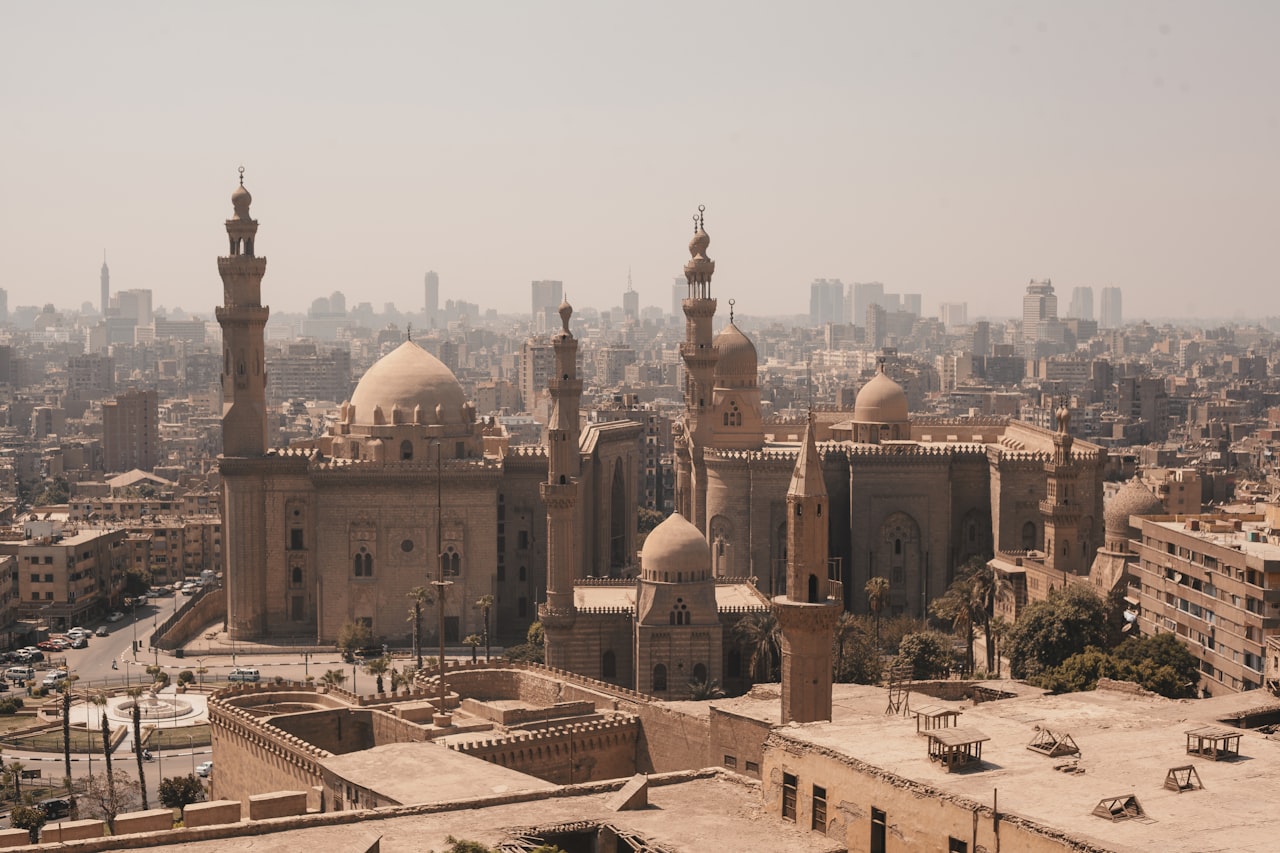
THIS is the bit that matters most. Change money in the wrong place and you are throwing it away. Ranked plainly, from best to worst:
1. At the Airport (the Classic Trap)
Spoiler alert: do not change at the airport. The rates are completely rotten. I'm serious. You will lose 5-8% directly. For a budget of £770, it is £40-£60 deadweight loss. Useless.
One exception: you genuinely need notes for the ride to your hotel and have no other way of paying. Fine, in that case. Change the bare minimum (£80-£150 at most) and sort out the remainder once you are in town.
2. Banks (Solid, But Not Optimal)
The major banks (Bank of Egypt, National Bank of Egypt, ADIB) offer rates close to the market. It's serious, it's regulated, there are no bad surprises. You can go there.
The catch? Queues can drag on, and every transaction requires your passport, which is standard. Allow 30-45 minutes.
Estimated rate at a bank in 2026: = 52-53 EGP. It's honest.
3. Exchange Offices (Best Choice)
He's your best friend. Small exchange shops, particularly in Cairo and Luxor, offer almost identical rates to banks but with zero queues. They may even be slightly better.
Look for the “Forex” or “Money Exchange” signs. They abound in town. No complicated paperwork. You give your euros, they do the calculation for you, you leave in 3 minutes.
Estimated rate at a serious exchange office: = 53-54 EGP. Excellent.
Tip: change in a tourist area (Zamalek in Cairo, central Luxor). Avoid small, crappy offices outside of busy areas. If it's too boring, it's probably not regulated.
4. The Black Market (Avoid Absolutely)
Yes, it exists. People will offer you “better” rates on the street. Don't do this. Zero. You will get scammed, guaranteed. Either the currency is fake, or you will receive less than expected, or your euros will have been stolen from you before you realize it.
I'm not saying this to scare you. I say this because I saw it happen. It costs a shit, that's it. Use legal channels. It's not more expensive and you keep your peace of mind.
Vending Machines (ATM): Online Payment
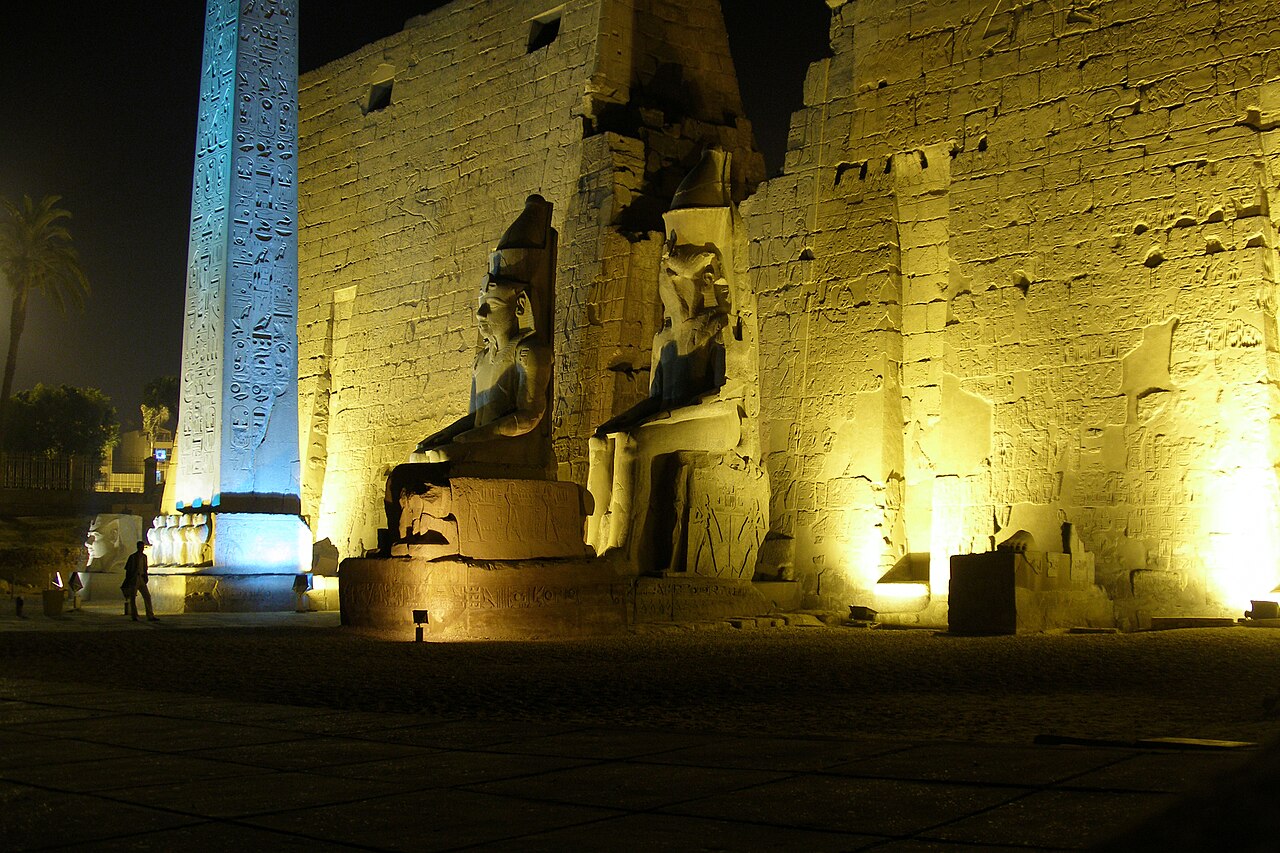
Truthfully, cash machines are becoming the smartest route. Take your money straight out of the wall, done. Secure, no hidden margins, and the rate is usually fair (interbank plus a modest fee).
Where to Find ATMs
ATMs are all over town. Bank of Egypt, National Bank, ADIB, Bank of Caire... they all have them. You will see them in all tourist areas. Hotels, malls, gas stations too.
Tip: prefer ATMs in front of a bank branch. It's more secure, and the machine works more often.
Withdrawal Limits and Fees
At most Egyptian banks the daily cap is 5,000 to 10,000 EGP (roughly £70-£150), varying with your own bank and account type. Visa cards sometimes carry slightly different ceilings. Ask your bank before you travel.
What does it cost? 20 to 50 EGP each time you withdraw (0.40-), which is next to nothing. Your own bank might add a fee at the UK end, although that is unusual for cash machine withdrawals.
Tip: Make fewer withdrawals with larger amounts instead of withdrawing 100 EGP every day. This will save you on costs.
Security
ATMs in Egypt are generally safe. Type your code discreetly, like anywhere. Remove during the day, preferably. Avoid carrying around large bundles. In other words, use common sense.
Payment by Card: Visa and Mastercard
You can pay with your card at quite a few places. But it's not everywhere, and that's where it gets complicated.
Where It Works
- Luxury hotels : zero problem. They accept Visa and Mastercard without hassle.
- Tourist restaurants and trendy restaurants : generally OK. Small local restaurants? Rarely.
- Malls and modern shops : yes, especially in Cairo and Alexandria.
- Supermarkets (Spinneys, Carrefour) : of course, it's modern.
- Tourist agencies : almost all accept cards.
Where It Doesn't Work
- Taxis : forget. Cash only, no exceptions.
- Local souks and markets : cash. Always cash.
- Little cafés and corner shops: card readers are a rarity.
- Private guides: usually cash, unless they suggest a card themselves.
- Tips : cash required.
Fees and Exchange Rates
When you pay by card abroad, your bank applies an exchange rate + a commission (generally between 1 and 3%). This is normal, it’s called the “foreign exchange commission”. This is in addition to the official rate. No way to avoid it.
As a rule, drawing cash from a machine works out a shade cheaper than tapping your card. Not dramatically, yet after 2-3 payments the gap becomes noticeable.
Euros Cash vs Dollars vs Egyptian Pound
A classic question: “Can I pay in euros?” In dollars? » The answer is nuanced.
Euros
Almost no Egyptian businesses accept euros. Zero. They don't know what to do with it. Bring euros to the limit to change them, not to pay. They are accepted at exchange offices, period.
American Dollars
Dollars, by contrast, turn up more often than you would expect. Not universally, yet widely enough to rescue you in a pinch. Luxury hotels take them, as do certain tourist restaurants. The corner shop? Not a chance.
But be careful: the rates applied are generally worse than if you paid in EGP. You will pay a small additional cost. And if you come back with unspent dollars, you're going to regret them. Changing them in Europe is an ordeal.
Honest advice: forget the dollars. Change your euros or withdraw cash into EGP. It's simpler and cheaper.
The Egyptian Pound Is Your Friend
You need EGP, and only EGP, once in Egypt. This is your only true motto. Everything is in EGP. Prices, taxi meters, menus. Bring some change (euros or card), and convert into EGP. It's that simple.
Tipping in Egypt: Small Bills are Key
This one gets asked about constantly. Tipping is an everyday custom in Egypt, and doing it gracefully is a skill in itself.
Our full piece on tipping in Egypt goes into who, how much and when. For now, one rule: tip in small EGP notes, every time. Fives, tens and twenties. Never a large note.
For what ? Because the waiter, the guide, the driver will say “oh no, don’t you have a smaller one? » And there, he will “give you back” the change but with an invisible exchange loss. With small bills, not this problem. People like it, period.
Practical advice: when you change your euros, ask for some in small denominations. “I would like 500 EGP in small notes, and the rest in larger ones, please. » Exchange offices do this without problem.
Negotiation at Markets and Souks
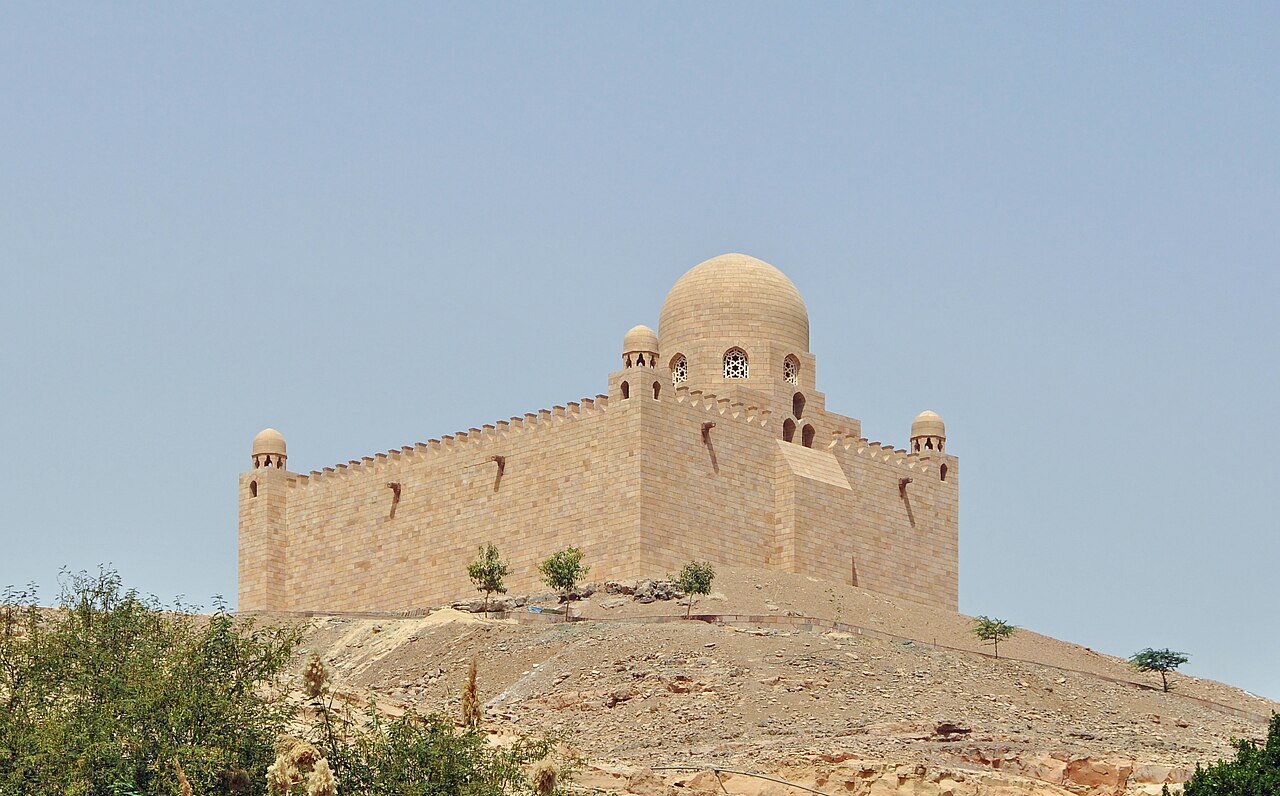
Haggling is woven into any Egyptian trip, and it happens in EGP, never in sterling.
When you sell goods in the souk, the sellers are used to tourists who don't know the prices. They will sometimes offer you a price in euros. Politely refuse and say “in Egyptian pounds only”. There, the game changes. Prices usually drop 20-30% just because you're serious.
For the full technique of bargaining in the souk without being taken for a ride, see our guide to the souks and markets of Egypt.
Pitfalls to Avoid
Trap 1: Hotel Exchange Rates
Does your hotel offer you to exchange money? Decline politely. Rates are still bad. Up to 20% loss. No, thank you.
Trap 2: The Restaurant Menu Priced in Dollars
Dollar prices on a menu in Egypt should set alarm bells ringing: the mark-up is deliberate. Walk out, or insist on paying in EGP, which will cost you less.
Trap 3: Trusting Unregulated Taxis
White taxis without meters will ask you for a fixed price in advance. If you're not good at estimating distance and local rates, you'll overpay. Use Uber or Careem (taxi apps), prices are fixed and honest.
Trap 4: Fake Small Coins
It exists. Check your tickets after a big change. It's rare, but it happens. If a note seems odd to you (texture, color), change it immediately.
Trap 5: Forgetting to Convert to Back
If you leave with Egyptian currency, you will practically not be able to convert it in France. It has no real value outside of Egypt. Spend it all before you leave, or exchange at the airport exchange (even if it's bad, at least it's better than nothing).
Useful Apps and Tools to Track Rates
XE Currency
The simplest and most reliable app. You enter EUR, you immediately see the rate in EGP. Continuously updated. Free. Install it before you leave.
Oanda (OANDA.com)
A little more complete than XE, with historical graphs. If you really want to understand rate trends, this is a good tool. Website, no app needed.
Google Finance
Type “EUR EGP” into Google, you have the live rate. Simple and effective. No more need.
None of these apps give you a huge advantage. They are mainly used to check that the rates you are offered are not completely rotten.
Estimated Budget for Your Monetary Expenses
Unsure how much to bring? The answer hinges on how you like to travel. Our 2026 Egypt budget guide breaks the numbers down in full.
Basically: a moderate budget is £40-£60 per day. A comfortable tourist budget is £80-£120 per day. And in there, you have accommodation, meals, tours, transportation.
Things got dearer in 2026. Reckon on EGP 10-15 for a 0.5L bottle of water (0.20-£20), 50-150 EGP for a decent local meal (1-11), 200-500 EGP for entry to a major museum (4-£10), and 20-50 EGP for a short taxi ride (0.40-).
Timing: When to Change Your Money
Do you have to leave soon? Here is the plan:
- 1-2 weeks out: confirm with your bank that the card is cleared for use overseas. Try it in a cash machine at home if possible (no withdrawal needed, simply see that it is accepted).
- Day of departure : bring your euros in cash (if you have any) but also keep your card. Don't change anything at the French airport.
- Landing in Egypt: should you need notes immediately, swap £80-£150 at the airport and no more. If not, hold off until you reach town and a decent bureau de change.
- On the way : withdraw cash from ATMs gradually, rather than all at once. This protects you against loss or theft.
FAQ: Questions I'm Always Asked
Answer: Between 52 and 55 EGP, depending on the day and location. Serious exchange offices offer 53-54 EGP for £0. Check on XE or Google Finance for today's exact rate.
Answer: Almost never. Egyptians don't want euros. Change to EGP before or use a card. Zero businesses accept euros.
In short: a licensed bureau de change in town first, a bank second. The airport comes last. The black market is against the law and risky, end of discussion.
Both, in tandem. Draw cash from machines as you need it (safer, better rate), and keep the card for larger bills and emergencies. Never walk around with a thick wad of notes.
Answer: Yes, generally. Use an ATM in front of a bank, enter your code discreetly, withdraw in broad daylight. It's good. Avoid shady ATMs late in the evening.
Answer: Cash in EGP, small denominations. 10-20 EGP for a server, 50-100 EGP for a guide. Never a big note, they will give you change at a loss.
The Advice I Would Have Loved Before My First Visit
Stop torturing yourself with this. Currency in Egypt is simple. Bring something to change (euros or card). Use ATMs to withdraw cash. Pay in cash everywhere except hotels. So. You will spend 5% less and you will save time.
Don't trust shady rates. Do not change at the airport. Don't look for crazy tips. Simple rules work. Egyptians are used to tourists, they understand the way you operate. You won't go wrong if you stay careful and have a little common sense.
Anything else on money or budgets still puzzling you? Get in touch; we answer every message.
Doubts about your travel budget?
We reply within 2 hours · every day · no strings attached
Related Articles to Read
To further your travel preparation:
- Preparing for a trip to Egypt: complete checklist
- Budget for a trip to Egypt in 2026: real figures
- Egypt visa for French: complete guide 2026
- Tipping in Egypt: who, how much and how?
- Shopping in Egypt: souks, markets and negotiation
- When to go to Egypt? Best season 2026
- Transport in Egypt: taxis, buses, domestic flights
- Tourist packages in Egypt: which one to choose?
- Is Egypt dangerous? Security in 2026
Have a good trip. You are going to enjoy yourself in Egypt.
All set? Let us arrange your Egypt holiday!
We reply within 2 hours · every day of the week · nothing to commit to