
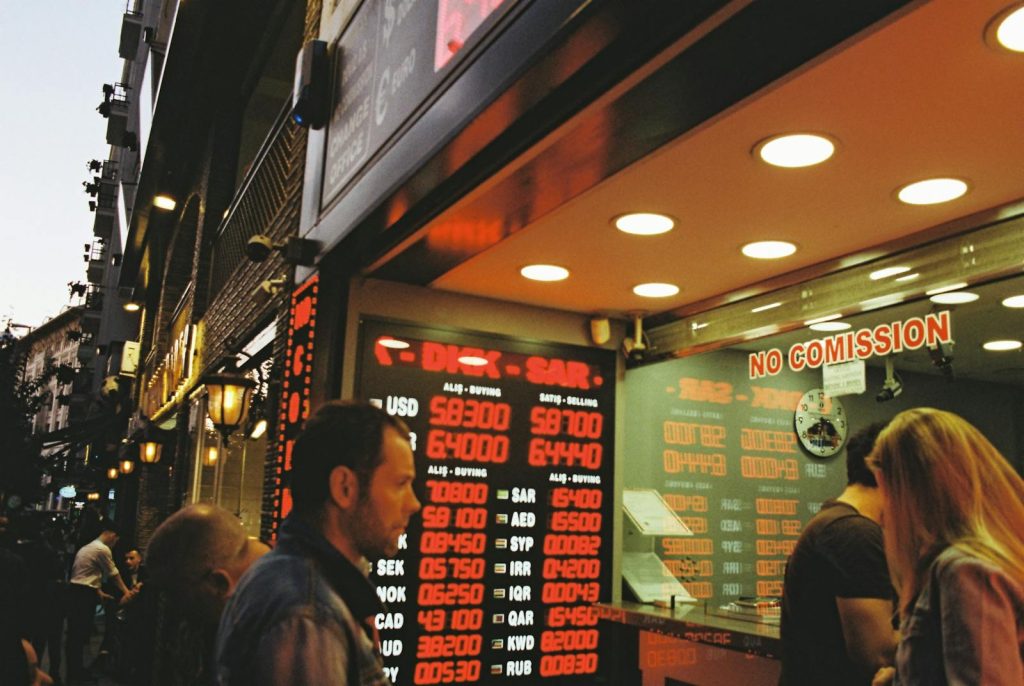
Heading to Egypt and wondering how to handle your money once you are there? That is completely normal. The Egyptian money system is not complicated, but there are traps. And honestly, if you mess it up right from the start, you can end up paying 30% more than everyone else. I have seen it happen too many times.
Here is what you need to know about the Egyptian pound, where to convert your dollars, how to pay with your card, and above all how to avoid getting ripped off. After a dozen trips to Egypt, I can tell you exactly what works and what does not in 2026.
Need help organizing your trip?
Reply in under 2 hours · 7 days a week · No obligation
The Egyptian Pound: Current Rate 2026 and Context
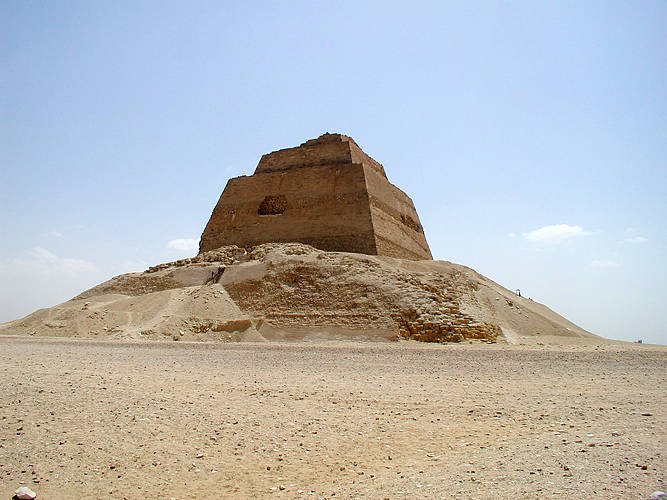
Egypt's official currency is the Egyptian pound, abbreviated EGP (Egyptian Pound). One single currency to use, full stop. Forget dollars or euros once you land over there.
Right now (March 2026), the exchange rate hovers between 1 USD = 48-51 EGP. Yes, it shifts almost every day. Egypt manages its currency fairly loosely, so the rate is not fixed. But you can work on the assumption that the dollar is worth between 48 and 51 pounds. If someone offers you a much better rate than that, ask questions.
Why so volatile? Egypt has been through economic turbulence over the past few years. The central bank manages its foreign currency reserves carefully. It changes nothing for you as a tourist, but it is good to know. It also explains why prices keep going up for visitors.
Banknotes and Coins
You will come across notes of 5, 10, 20, 50, 100, 200 and 500 EGP. No need to memorize all that. What matters is knowing you will mostly need small notes for tips and goods. Big bills can be a problem in small shops.
Coins exist but they are rare in practice. You will almost never see them. No big deal, you can do without.
Where to Exchange Your Dollars: The Good and Bad Options
This is THE crucial point. You will shoot yourself in the foot if you exchange in the wrong place. Here is a straight-up ranking.
1. At the Airport (the Classic Trap)
Spoiler alert: do not exchange at the airport. The rates are completely awful. I am serious. You will lose 5-8% right off the bat. On a budget of $1,000, that is $50-$80 of pure loss. Pointless.
The only exception is if you genuinely need cash for the transfer to your hotel and you have no other option. Then, fine. But only change the bare minimum (100-200 USD max). You will change the rest in the city.
2. Banks (Solid, but Not Optimal)
The big banks (Banque Misr, National Bank of Egypt, ADIB) offer rates close to the market. It is serious, it is regulated, there are no nasty surprises. You can go there.
The catch? The lines can be long, and they will ask for your passport for any exchange. That is normal. Expect to spend 30-45 minutes.
Estimated rate at a bank in 2026: 1 USD = 48-49 EGP. That is fair.
3. Exchange Bureaus (Best Choice)
This is your best friend. The small exchange offices ("exchange shops"), especially in Cairo and Luxor, offer rates almost identical to the banks but with zero waiting. They can even be slightly better.
Look for "Forex" or "Money Exchange" signs. They are everywhere in the city. No complicated paperwork. You hand over your dollars, they do the math, you walk out in 3 minutes.
Estimated rate at a reputable exchange bureau: 1 USD = 49-50 EGP. Excellent.
Tip: change in a tourist area (Zamalek in Cairo, downtown Luxor). Avoid the shabby little bureaus outside the well-traveled zones. If it feels too sketchy, it is probably not regulated.
4. The Black Market (Avoid at All Costs)
Yes, it exists. People will offer you "better" rates in the street. Do not do this. Zero. You will get scammed, guaranteed. Either the money is fake, or you receive less than promised, or your dollars get stolen before you even realize it.
I am not saying this to scare you. I am saying it because I have seen it happen. It costs you for nothing, that is the bottom line. Use the legal channels. It is no more expensive and you keep your peace of mind.
ATMs: Online Payment
Honestly? This is increasingly the best option. You withdraw money directly from the machine. Done. It is safe, it is transparent, and the rates are usually good (interbank rate plus modest fees).
Where to Find ATMs
ATMs are everywhere in the city. Banque Misr, National Bank, ADIB, Banque du Caire... they all have them. You will see them in every tourist neighborhood. Hotels, malls, gas stations too.
Tip: go for ATMs located right outside a bank branch. They are better secured, and the machine works more often.
Withdrawal Limits and Fees
Most Egyptian banks allow withdrawals of 5,000 to 10,000 EGP per day (roughly $100-$200). It depends on your account and your bank. If you have a Visa, the limits may be a little different. Check with your bank before you leave.
Fees? Between 20 and 50 EGP per withdrawal ($0.40-$1). Honestly, that is negligible. Your bank may also charge a commission on the US side, but that is rare on ATM withdrawals.
Tip: make fewer withdrawals with larger amounts instead of pulling 100 EGP every day. It will save you on fees.
Safety
ATMs in Egypt are generally safe. Enter your PIN discreetly, like anywhere else. Withdraw during the day, ideally. Avoid walking around with big wads of cash. In other words, use common sense.
Card Payment: Visa and Mastercard
You can pay with your card in quite a few places. But not everywhere, and that is where it gets tricky.
Where It Works
- Upscale hotels: no problem at all. They accept Visa and Mastercard without a hitch.
- Tourist restaurants and trendy spots: usually fine. The small local restaurants? Rarely.
- Malls and modern stores: yes, especially in Cairo and Alexandria.
- Supermarkets (Spinneys, Carrefour): of course, they are modern.
- Travel agencies: almost all of them accept cards.
Where It Does Not Work
- Taxis: forget it. Cash only, no exceptions.
- Souks and local markets: cash. Always cash.
- Small restaurants and small shops: rarely equipped.
- Private guides: cash in general, unless they offer otherwise.
- Tips: cash, mandatory.
Fees and Exchange Rate
When you pay by card abroad, your bank applies an exchange rate plus a commission (usually between 1 and 3%). That is normal, it is called the "foreign transaction fee." It gets added on top of the official rate. There is no way to avoid it.
In most cases, paying via ATM (cash withdrawal) is slightly better than paying by card. Not overnight, but over 2-3 transactions, you will feel the difference.
Cash Dollars vs Euros vs the Egyptian Pound
A classic question: "Can I pay in dollars? In euros?" The answer is nuanced.
Euros
Almost no Egyptian business accepts euros. Zero. They do not know what to do with them. Bring euros only to exchange them, not to spend. They are accepted at exchange bureaus, full stop.
US Dollars
Dollars, on the other hand... are more common than people think. Not everywhere, but enough to get you out of a jam if needed. High-end hotels accept them. Some tourist restaurants too. The small local shops? No.
But be careful: the rates applied are usually worse than if you paid in EGP. You will pay a small premium. And if you come home with unspent dollars, you will regret it. Changing them back is a hassle.
Honest advice: skip paying in dollars. Exchange your dollars for cash or withdraw EGP from an ATM. It is simpler and cheaper.
The Egyptian Pound Is Your Friend
You need EGP, and only EGP, once you are in Egypt. It is your one true currency. Everything is in EGP. The prices, the taxi meters, the menus. Bring something to exchange (dollars or card), and convert to EGP. It is as simple as that.
Tipping in Egypt: Small Notes Are Key
A topic that comes up often. Yes, tipping in Egypt is a normal practice. And yes, there is an art to doing it well.
Check out our detailed guide on tipping in Egypt for all the details (who to tip, how much, in which situation). Here, just remember this: always tip in small EGP notes. Bills of 5, 10, 20 EGP. No big bills.
Why? Because the waiter, the guide, the driver will go "oh no, you do not have anything smaller?" And then they will "give" you change but with an invisible exchange loss. With small notes, you avoid that problem. People appreciate it, plain and simple.
Practical tip: when you exchange your dollars, ask for part of it in small notes. "I would like 500 EGP in small bills, and the rest in larger ones, please." The exchange bureaus do it without any issue.
Bargaining at Markets and Souks
An essential part of traveling in Egypt is bargaining. And it is always done in EGP, never in dollars.
When you haggle at the souk, the sellers are used to tourists who do not know the rates. They will sometimes quote you a price in dollars. Politely refuse and say "Egyptian pounds only". That changes the game. Prices usually drop 20-30% simply because you mean business.
To learn more about how to bargain well and shop at the souk without getting fleeced, read our guide on shopping in Egypt at the souks and markets.
Traps to Avoid
Trap 1: Hotel Exchange Rates
Your hotel offers to change your money? Politely decline. The rates are always bad. Up to 20% loss. No, thank you.
Trap 2: Tourist Restaurants With Prices in Dollars
A menu displayed in dollars while you are in Egypt is a big red flag. They are ripping you off on purpose. Leave, or negotiate the price in EGP (you will pay less).
Trap 3: Trusting Unregulated Taxis
The white taxis with no meter will quote you a fixed price up front. If you are not good at estimating distance and local rates, you will overpay. Use Uber or Careem (ride-hailing apps), the prices are fixed and fair.
Trap 4: Fake Small Notes
It happens. Check your bills after a big exchange. It is rare, but it occurs. If a note seems off to you (texture, color), go change it immediately.
Trap 5: Forgetting to Convert Back
If you leave with Egyptian money, you will basically be unable to convert it back in the US. It has no real value outside Egypt. Spend it all before you leave, or exchange it at the airport bureau (even if it is bad, at least it is better than nothing).
Useful Apps and Tools for Tracking Rates
XE Currency
The simplest and most reliable app. You enter USD, you instantly see the rate in EGP. Updated continuously. Free. Install it before you leave.
Oanda (OANDA.com)
A bit more complete than XE, with historical charts. If you really want to understand the rate trends, it is a good tool. Website, no app needed.
Google Finance
Type "USD EGP" into Google and you have the live rate. Simple and effective. Nothing more needed.
None of these apps gives you a huge advantage. They mainly serve to confirm that the rates you are offered are not completely terrible.
Estimated Budget for Your Money Expenses
Wondering how much money to bring to Egypt? It depends on your travel style. Check out our complete budget guide for a trip to Egypt 2026 for all the details.
Roughly: a moderate budget is $55-$85 per day. A comfortable tourist budget is $110-$165 per day. And that covers accommodation, meals, sightseeing and transport.
Prices went up in 2026. A 0.5L bottle of water costs around 10-15 EGP ($0.20-$0.30). A good local meal, 50-150 EGP (~$2.8-$3). A ticket to a major museum, 200-500 EGP (~$9.5-$10). A taxi for a local ride, 20-50 EGP (~$0.9-$1).
Timing: When to Exchange Your Money
Leaving soon? Here is the plan:
- 1-2 weeks before: check with your bank that your card works properly abroad. Test it at a local ATM if you can (no need to withdraw, just confirm it accepts the card).
- Departure day: bring your dollars in cash (if you have any) but also keep your card. Do not exchange anything at the US airport.
- On arrival in Egypt: if you need cash very quickly, change 100-200 USD at the airport. Otherwise, wait until you are in the city to find a good exchange bureau.
- Along the way: withdraw cash at ATMs as you go, rather than all at once. That protects you against loss or theft.
FAQ: The Questions People Always Ask Me
Answer: Between 48 and 51 EGP, depending on the day and the place. Reputable exchange bureaus offer 49-50 EGP for 1 USD. Check XE or Google Finance for the exact rate of the day.
Answer: Sometimes, at high-end hotels and a few tourist restaurants, but the rate is worse than EGP. Everywhere else, no. Exchange to EGP beforehand or use a card. Most small businesses only take Egyptian pounds.
Answer: A regulated exchange bureau in the city, followed by the banks. The airport is the worst. The black market is illegal and dangerous. Period.
Answer: A combination of both. Withdraw cash at ATMs as you go (safer, better rate). Keep your card for big expenses and in case of trouble. Never carry bulky amounts of cash on you.
Answer: Yes, generally. Use an ATM right outside a bank, enter your PIN discreetly, withdraw in broad daylight. You are good. Avoid sketchy ATMs late at night.
Answer: Cash in EGP, small notes. 10-20 EGP for a waiter, 50-100 EGP for a guide. Never a big bill, they will give you change with a loss.
The Real Advice, the One I Wish I Had Before My First Trip
Stop torturing yourself over this. Money in Egypt is simple. Bring something to exchange (dollars or card). Use the ATMs to withdraw cash. Pay in cash everywhere except hotels. There you go. You will spend 5% less and save time.
Do not trust shady rates. Do not exchange at the airport. Do not go looking for far-fetched tricks. The simple rules work. Egyptians are used to tourists, they understand how you operate. You will not go wrong if you stay cautious and use a bit of common sense.
And if you still have questions about money or budget, you know where to find us. We always answer.
Doubts about your travel budget?
Reply in under 2 hours · 7 days a week · No obligation
Related Articles to Read
To go deeper into your trip planning:
- Preparing for a Trip to Egypt: The Complete Checklist
- Budget for a Trip to Egypt in 2026: Real Numbers
- Egypt Visa for US Travelers: Complete Guide 2026
- Tipping in Egypt: Who, How Much and How?
- Shopping in Egypt: Souks, Markets and Bargaining
- When to Visit Egypt? Best Season 2026
- Transport in Egypt: Taxis, Buses, Domestic Flights
- Tour Packages in Egypt: Which One to Choose?
- Is Egypt Dangerous? Safety in 2026
Safe travels. You are going to love Egypt.
Ready to go? Book your trip with us!
Reply in under 2 hours · 7 days a week · No obligation