
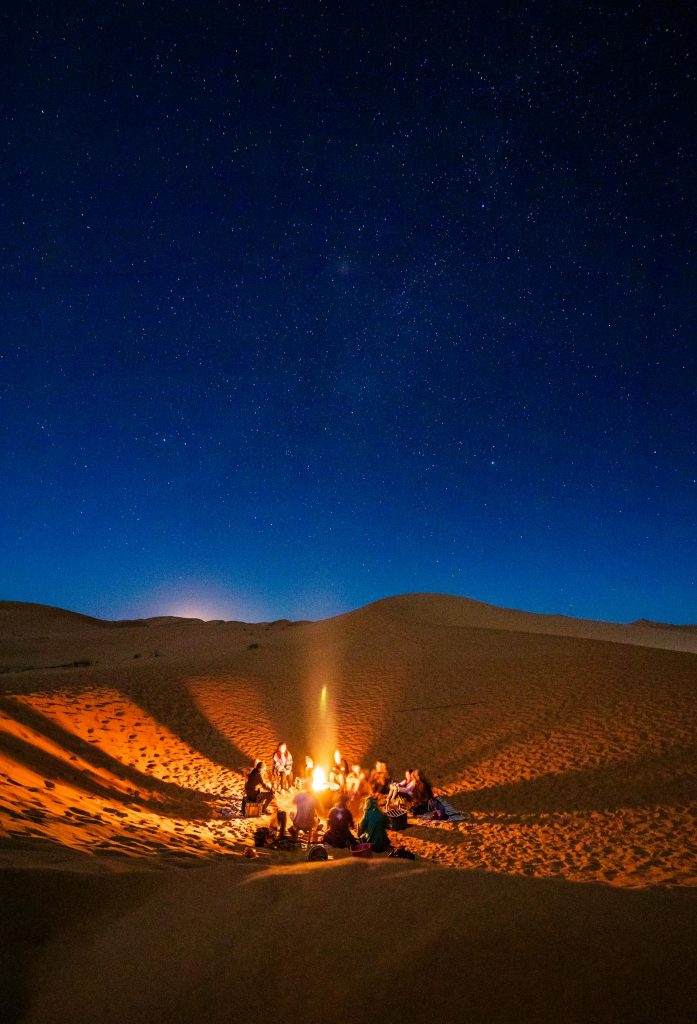
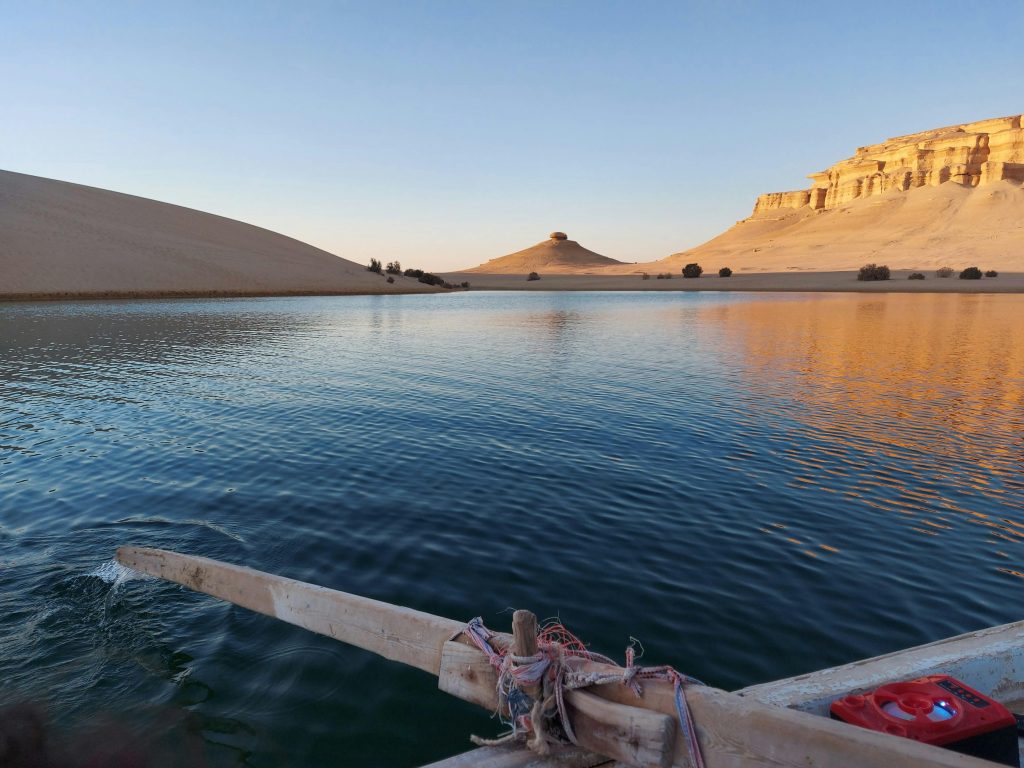
Away from the pyramids, the temples and the river, Egypt keeps a secret most visitors never find: the Western Desert. This vast slice of the Sahara takes up two thirds of the country, and within it lie green oases where the clock appears to have stopped, moonscapes carved by the wind, and night skies thick with stars.
From Siwa, hard against the Libyan border, to the dreamlike White Desert, by way of Bahariya's palm groves and the medieval villages of Dakhla, Egypt's interior is a wholly different sort of adventure. Camping beneath the stars, hot springs bubbling out of the ground, the welcome of Bedouin hosts and a silence you can almost hear: this is the real Egypt, well away from the coach parties.
The Western Desert's Five Great Oases
Siwa Oasis: The Berber Pearl
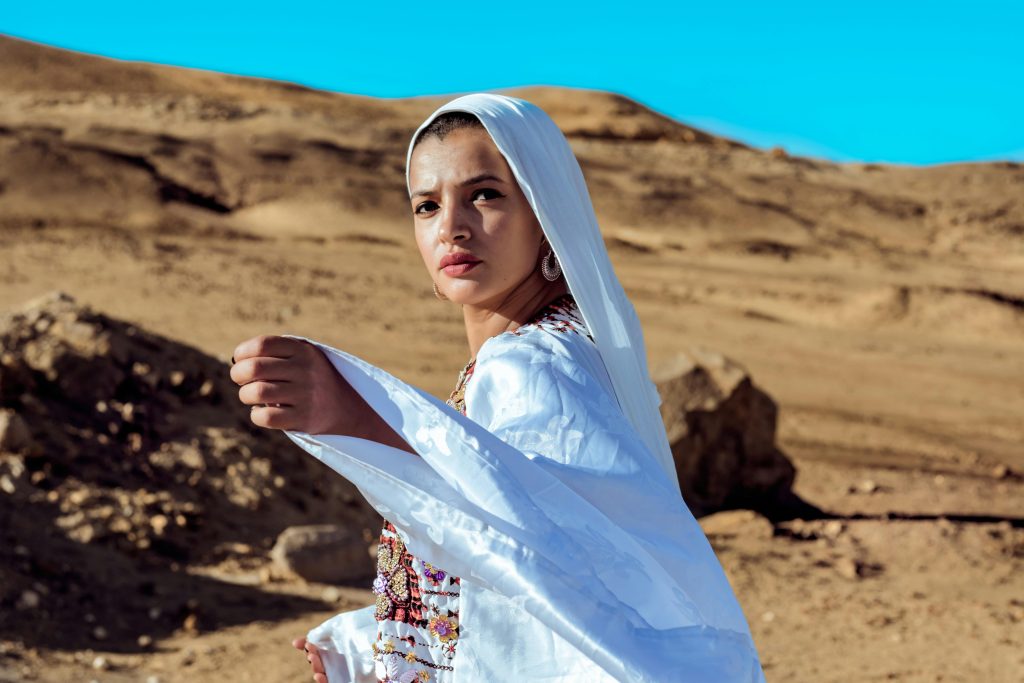
Siwa is Egypt's most isolated and fascinating oasis, located 800 km from Cairo and just 100 km from the Libyan border. Its 25,000 inhabitants speak Siwi, a language of Berber origin unique in Egypt. The oasis stretches 80 km long and 20 km wide, punctuated by salt lakes with therapeutic properties, date and olive plantations, and ancient remains.
Highlights: the Temple of the Oracle (where Alexander the Great was hailed as the son of Zeus), the crumbling salt-brick citadel of Shali, the natural spring known as Cleopatra's Bath, the tombs cut into Jebel el-Mawta (the Mountain of the Dead), and a safari into the Great Sand Sea you will never forget. Siwa's ecolodges, Ghaliet Ecolodge among them, make for a stay quite unlike any other.
Access: from Cairo, 8-9 hours drive via Marsa Matrouh. From Marsa Matrouh (Mediterranean coastal town), 4 hours drive. No reliable public transportation: private vehicle recommended.
Bahariya Oasis: The Desert Gate
Some 330 km to the south-west of Cairo (roughly 5 hours on the road), Bahariya is the easiest oasis to reach and the jumping-off point for trips into the White and Black Deserts. Spread over 2,000 km², it owes its fame to the Valley of the Golden Mummies (a Greco-Roman burial ground found in 1996 that held hundreds of gilded mummies), to iron-rich hot springs and to thick groves of date palms.
Highlights: the Valley of the Golden Mummies, the Black Desert with its basalt-strewn volcanic hills, Crystal Mountain and its sparkling quartzite, plus the finely preserved tombs of Bannentiu and Zed-Amun-ef-Ankh.
The White Desert: Lunar Landscape
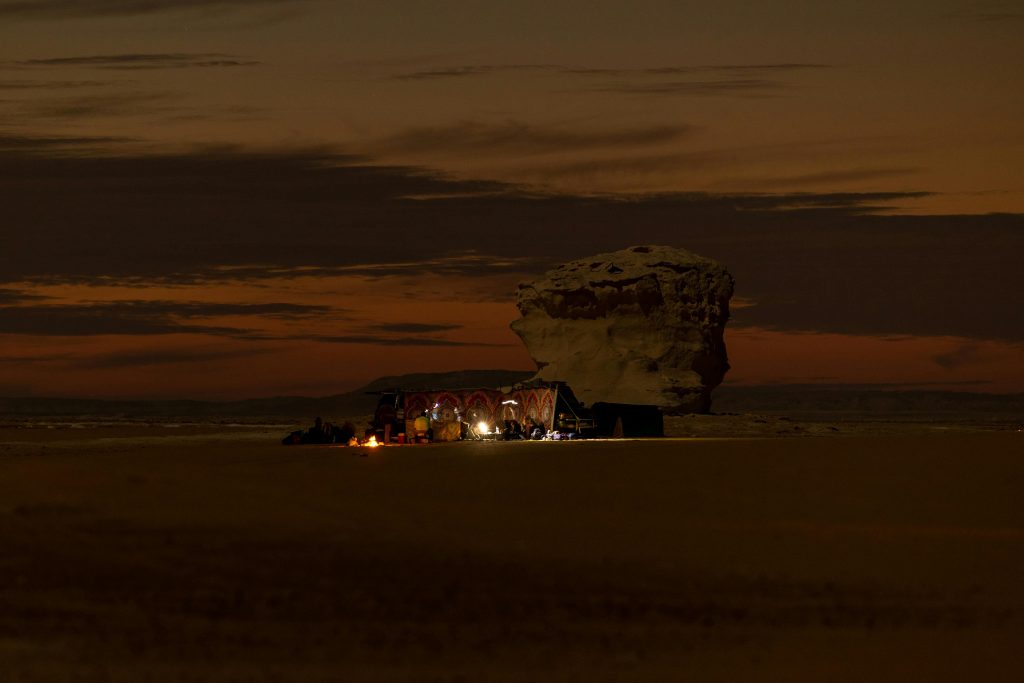
Of all the Western Desert's sights, the White Desert is the crown jewel. Wind has worn its pale limestone into mushrooms, pillars and natural arches, producing a scene so strange it could belong to another planet. This is where the definitive Egyptian desert night happens: camping out among the white shapes with a fire going, Bedouin tea in hand and a sky of a clarity you will struggle to find anywhere else.
The White Desert is located between the oases of Bahariya and Farafra. 4x4 safaris usually depart from Bahariya. A typical 2 day/1 night tour costs around £50-£90 per person (all inclusive: 4x4 transport, guide, meals, bivouac).
Farafra Oasis: Silence and Simplicity
With about 15,000 residents, Farafra is the smallest and sleepiest of the oases. Most people pass through on their way to the White Desert, yet it repays a pause for the Badr Museum (a local artist's home-turned-gallery, everything made from natural materials) and the hot springs at Bir Sita and Well Six, just the thing after a dusty day among the dunes.
Dakhla Oasis: The Most Picturesque
Dakhla is a string of villages and hamlets scattered between sand dunes and plantations of olive trees, orange trees and date palms. Its jewel is Al-Qasr, a medieval village built of mud bricks at the foot of limestone cliffs, a veritable labyrinth of narrow streets and secret passages. The Nasr el-Din mosque with its log minaret is reminiscent of the Saharan mosques of black Africa.
Worth seeing too: the Al-Muzawaka tombs (Pharaonic, with striking wall paintings), the mud-brick warren of Balat village, the temple of Deir el-Hagar and the hot springs prized for their healing properties.
Kharga Oasis: The Most Historic
Kharga, the biggest of the oases, holds mighty Roman forts and the Temple of Douch, raised under the emperors Domitian, Trajan and Hadrian. For most travellers it is a staging post between Dakhla and the Nile Valley at Luxor. Visually it lags behind the other oases, but as a window onto how Rome defended its desert frontier it is absorbing.
Recommended Itineraries
White Desert Getaway (2-3 days)
Day 1: Cairo → Bahariya (5h), then the oasis itself, the Black Desert and Crystal Mountain. Day 2: the White Desert and a night camping under the stars. Day 3: back to Cairo by way of Farafra and its hot springs. It is the best-loved and easiest route of all.
Grande Boucle des Oases (5-7 days)
Cairo → Bahariya → White Desert → Farafra → Dakhla → Kharga → Luxor (or back to Cairo). The full loop through the four southern oases, taking in camping, hot springs, medieval villages and constantly changing scenery. A natural add-on to a classic Egypt itinerary.
Stay in Siwa (3-4 days)
Cairo (or Alexandria) → Marsa Matrouh → Siwa. Immersive experience: temple of the Oracle, Shali, salt lakes, Great Sand Sea in 4x4, sunset over the dunes. Ecolodges and nights under the stars in the desert.
Practical Information
Best period: October to April. Temperatures are pleasant during the day (20-30°C) and cool at night (5-15°C - bring warm clothing for bivouacs). Avoid May to September: desert heat regularly exceeds 45°C. For more details, see our guide when to go to Egypt.
Budget: a 2 days/1 night White Desert safari costs £50-£90/person all-inclusive from Bahariya. A complete tour of the oases (5-7 days) costs around £380-£690/person with transport, English-speaking guide, accommodation and meals. Entrance fees to the archaeological sites are approximately £20 per person for the entire tour. Check out our Budget Travel Guide Egypt for more details.
Getting around: a private car with driver is a must. The tarmac roads between oases are decent, though journeys are long. Off-road driving needs a 4x4 and a guide who knows the terrain. No Uber, no dependable public transport.
Security: the road to Bahariya and the White Desert is once again passable for accompanied travelers. A local guide is required for desert excursions. For a complete inventory, read our Security guide in Egypt 2026.
To prepare your complete trip, consult our Egypt travel guide 2026.
Discover the Desert with Sem Elegant Voyage
Our Western Desert and Oasis tour lets you discover this little-known Egypt with a English-speaking guide, reliable 4x4 transport and selected accommodation (ecolodges, charming camps, desert hotels). Ideal as an extension of your Nile tour or as a trip in its own right for adventurers.
→ Discover our Western Desert and Oasis tour
→ Discover our tourist packages in Egypt
FAQ: Western Desert and Oases
Is it dangerous to travel to the Egyptian Western Desert?
The road to Bahariya, the White Desert and the oases of the classic circuit is once again open to accompanied travelers. A local guide is required for desert excursions. Serious local agencies are fully aware of security protocols. Avoid unauthorized border areas.
How many days do the oases need?
For the White Desert alone (out of Bahariya), 2-3 days is enough. To cover the whole circuit (Bahariya, Farafra, Dakhla, Kharga), set aside 5 to 7 days. Siwa sits apart from the rest, so it needs its own detour of 3-4 days.
Can you visit the oases independently?
On paper, yes, if you hire a car. In practice the distances are huge, the desert unforgiving and rescue far away. We strongly advise a guided tour with an experienced driver, above all off the tarmac (White Desert, Great Sand Sea).
What is the bivouac like in the White Desert?
The camps are run by seasoned Bedouin guides, who supply mattresses, blankets and lightweight tents. They light the fire and cook both dinner and breakfast on the spot. The true indulgence is overhead: with no light pollution for miles, the Milky Way shows up unaided. Nights turn chilly (5-15°C in season), so pack warm layers.
How much should you budget for a desert safari?
Count £50-£90/person for 2 days/1 night at the White Desert (all inclusive from Bahariya). A complete 5-7 day tour through the oases costs 500-5/person with transport, guide, accommodation and meals. Site entries represent approximately £20 in total.
💡 Practical tip for the desert: The mobile network is almost non-existent in the Western Desert once you leave the main oases. Download your offline maps (Google Maps or Maps.me) before leaving and warn your loved ones that you will be unreachable for 1 to 3 days depending on your itinerary. Also bring a well-charged external battery because the camps in the White Desert do not have electricity.
On the food front, Bedouin guides turn out surprisingly good meals over an open fire, though anyone with allergies or a restricted diet should say so before setting off. One more thing: desert nights are wonderful but bitterly cold in winter (November to February). A decent sleeping bag is the difference between a night gazing at the stars and a night shivering awake.