
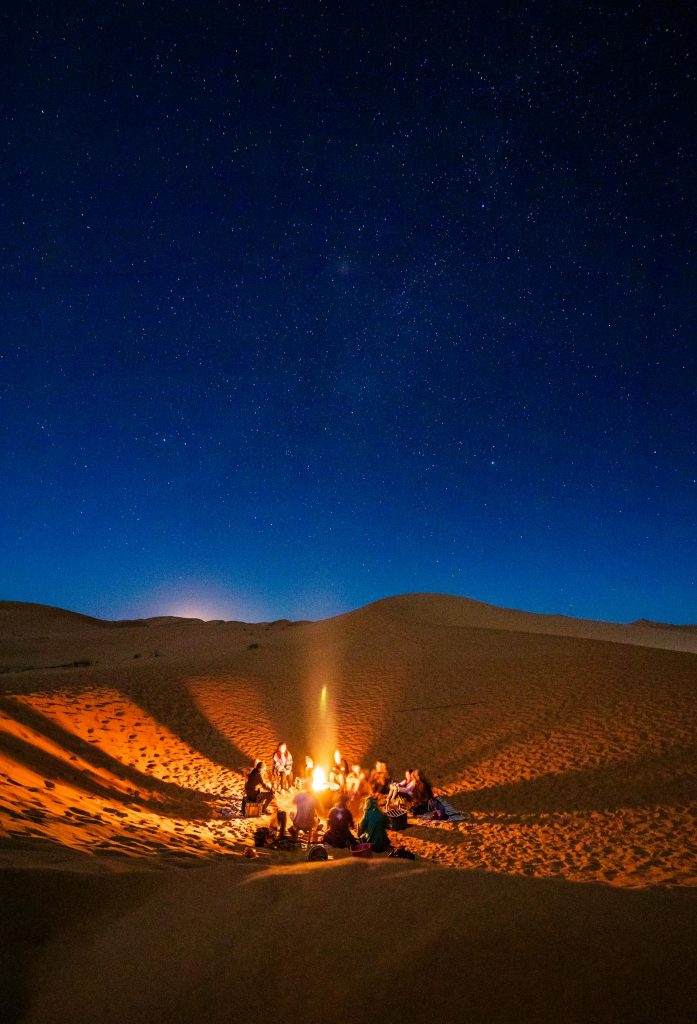
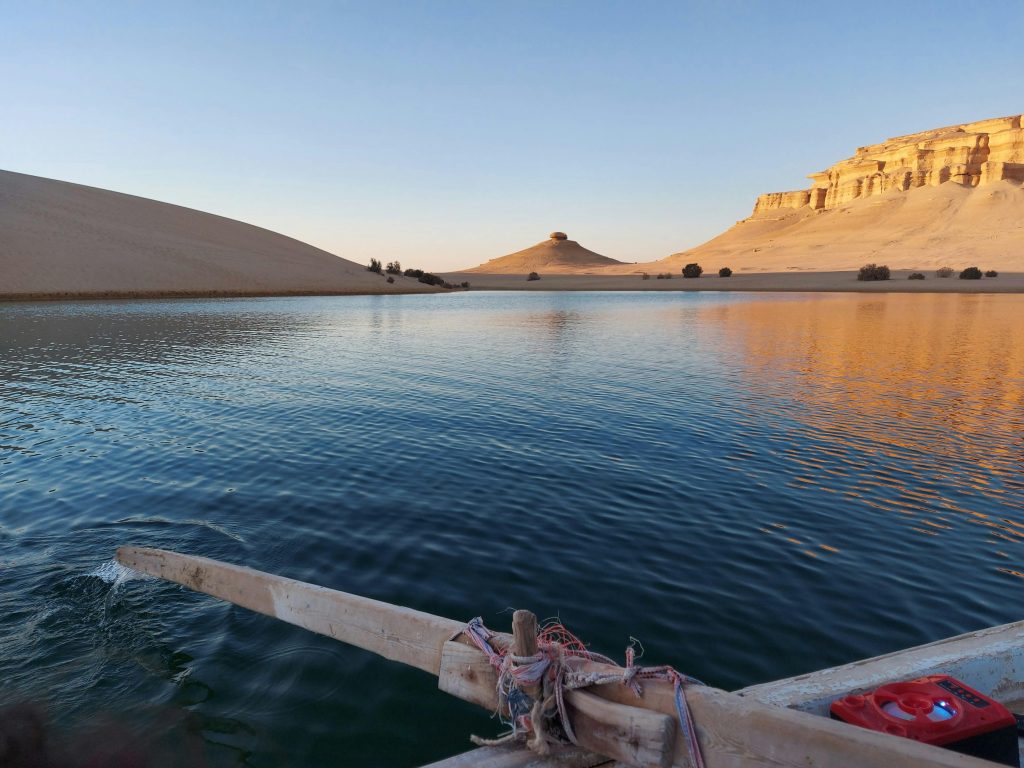
Beyond the pyramids, the temples and the Nile, Egypt hides a little-known treasure: its Western Desert. Covering two-thirds of the country, this vast stretch of the Sahara shelters lush oases where time seems to stand still, lunar landscapes carved by the wind, and breathtaking starry nights.
From the oasis of Siwa near the Libyan border to the surreal White Desert, by way of the palm groves of Bahariya and the medieval villages of Dakhla, this inland Egypt offers a radically different adventure. Camping under the stars, natural hot springs, Bedouin hospitality and the absolute silence of the desert: this is authentic Egypt, far from the crowds.
The Five Great Oases of the Western Desert
Siwa Oasis: The Berber Pearl
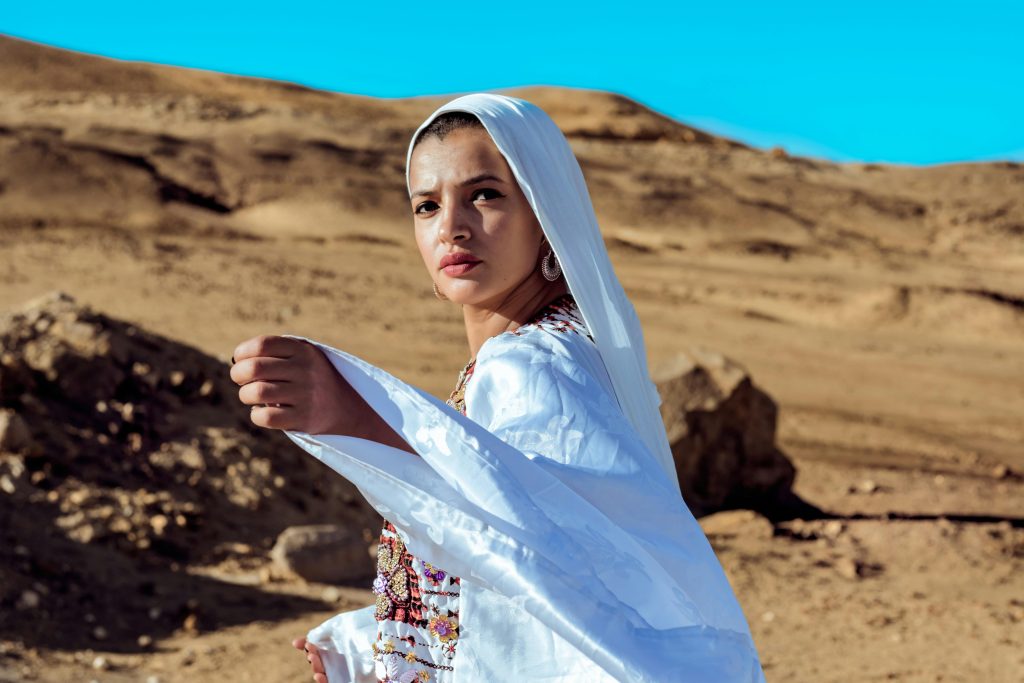
Siwa is the most remote and most fascinating oasis in Egypt, sitting about 500 miles from Cairo and only 60 miles from the Libyan border. Its 25,000 inhabitants speak Siwi, a Berber-rooted language unique in Egypt. The oasis stretches some 50 miles long and 12 miles wide, dotted with salt lakes that have therapeutic properties, date and olive plantations, and ancient ruins.
What to see: the Temple of the Oracle (where Alexander the Great was hailed as the son of Zeus), the ruins of Shali (the old town built of salt brick), Cleopatra's Bath (a natural spring), the tombs of Gebel el-Mawta (Mountain of the Dead) and the Great Sand Sea for an unforgettable safari. Siwa's ecolodges (such as the Ghaliet Ecolodge) offer a one-of-a-kind experience.
Getting there: from Cairo, 8-9 hours by road via Marsa Matrouh. From Marsa Matrouh (a Mediterranean coastal town), 4 hours by road. There is no reliable public transport, so a private vehicle is recommended.
Bahariya Oasis: The Gateway to the Desert
Located about 205 miles southwest of Cairo (roughly 5 hours by road), Bahariya is the most accessible oasis and the launching point for expeditions into the White Desert and the Black Desert. This 770-square-mile oasis is famous for its Valley of the Golden Mummies (a Greco-Roman necropolis discovered in 1996, holding hundreds of gold-covered mummies), its iron-rich hot springs and its lush palm groves.
What to see: the Valley of the Golden Mummies, the Black Desert (volcanic hills blanketed in basalt), Crystal Mountain (glittering quartzite formations), and the well-preserved tombs of Bannentiu and Zed-Amun-ef-Ankh.
The White Desert: A Lunar Landscape
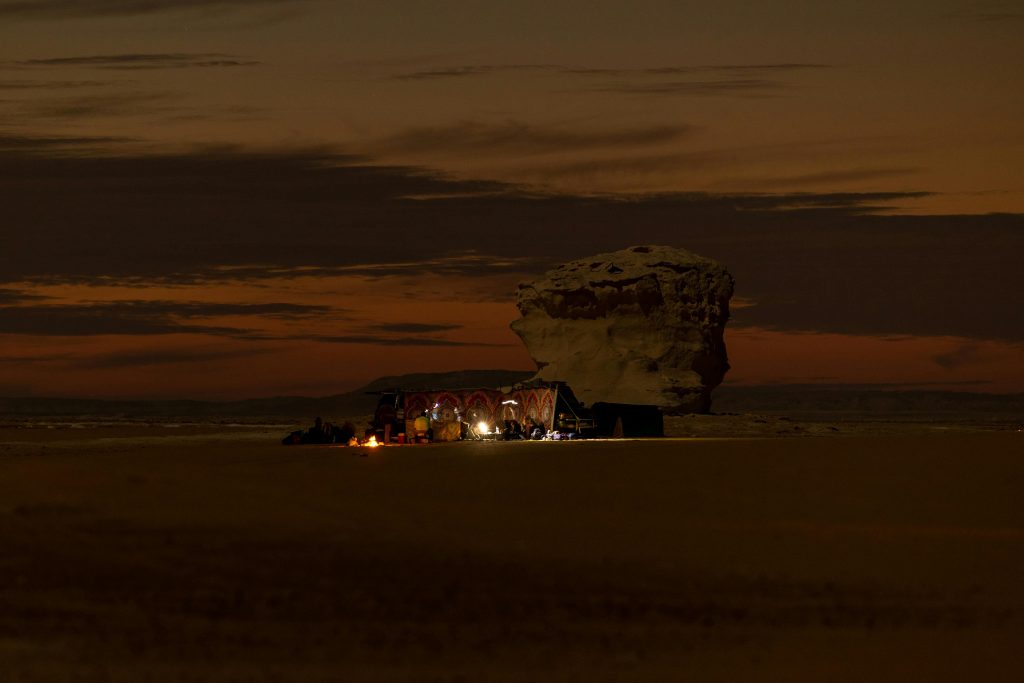
The White Desert is the jewel of the Western Desert. Its white limestone formations, sculpted by wind erosion into mushrooms, columns and natural arches, create a surreal, almost otherworldly landscape. This is where you live the ultimate Egyptian desert experience: a camp beneath the stars among the white formations, with a campfire, Bedouin tea and a starry sky of unmatched clarity.
The White Desert lies between the oases of Bahariya and Farafra. The 4x4 safaris generally set off from Bahariya. A typical 2-day/1-night trip costs roughly $75-130 per person (all-inclusive: 4x4 transport, guide, meals and camp).
Farafra Oasis: Silence and Simplicity
Farafra is the smallest and most peaceful oasis, with around 15,000 inhabitants. Often passed through on the way to the White Desert, it deserves a stop to discover the Badr Museum (the house-museum of a local artist, with works made from natural materials) and the hot springs of Bir Sita and Well Six, perfect for unwinding after a day in the desert.
Dakhla Oasis: The Most Picturesque
Dakhla is a string of villages and hamlets scattered between sand dunes and plantations of olive, orange and date palm trees. Its crown jewel is Al-Qasr, a medieval village built of mud brick at the foot of limestone cliffs, a true labyrinth of narrow lanes and hidden passageways. The Nasr el-Din mosque, with its minaret built of timber, recalls the Saharan mosques of sub-Saharan Africa.
Also worth seeing: the Tombs of Al-Muzawaka (Pharaonic period, remarkable paintings), the village of Balat (an underground maze of unfired-brick houses), the temple of Deir el-Hagar and the therapeutic hot springs.
Kharga Oasis: The Most Historic
Kharga, the largest oasis, is home to impressive Roman fortresses and the Temple of Dush (built under Domitian, Trajan and Hadrian). It is often a transit stop between Dakhla and the Nile Valley (Luxor). Less spectacular for visitors than the other oases, it nonetheless offers a fascinating glimpse of Roman defensive architecture in the desert.
Recommended Itineraries
White Desert Getaway (2-3 days)
Day 1: Cairo → Bahariya (5h). Tour of the oasis, the Black Desert, Crystal Mountain. Day 2: White Desert, camping under the stars. Day 3: Return via Farafra and its hot springs, then on to Cairo. This is the most popular and most accessible itinerary.
Grand Oases Loop (5-7 days)
Cairo → Bahariya → White Desert → Farafra → Dakhla → Kharga → Luxor (or back to Cairo). A complete circuit crossing the four great southern oases, with camping, hot springs, medieval villages and varied landscapes. Ideal as an extension to a classic Egypt tour.
Siwa Stay (3-4 days)
Cairo (or Alexandria) → Marsa Matrouh → Siwa. An immersive experience: the Temple of the Oracle, Shali, salt lakes, the Great Sand Sea by 4x4, sunset over the dunes. Ecolodges and nights under the desert stars.
Practical Information
Best time to go: October to April. Daytime temperatures are pleasant (68-86°F) and nights are cool (41-59°F - pack something warm for the camps). Avoid May through September: desert heat regularly tops 113°F. For more detail, see our When to Visit Egypt guide.
Budget: a 2-day/1-night White Desert safari costs $75-130 per person, all-inclusive from Bahariya. A complete oases circuit (5-7 days) runs roughly $550-975 per person with transport, an English-speaking guide, lodging and meals. Admission to the archaeological sites comes to about $28 per person for the whole circuit. Check our Egypt Travel Budget guide for more detail.
Transport: a private vehicle with a driver is essential. The roads between the oases are good (paved), but the distances are long. Off-road travel in the desert requires an experienced guide and a 4x4. There is no Uber and no reliable public transport.
Safety: the route to Bahariya and the White Desert is once again open to travelers with a guide. A local guide is mandatory for desert excursions. For a full picture, read our Egypt Safety 2026 guide.
To plan your full trip, see our Egypt Travel Guide 2026.
Discover the Desert with Sem Elegant Voyage
Our Western Desert and Oases tour shows you this little-known Egypt with an English-speaking guide, reliable 4x4 transport and hand-picked accommodations (ecolodges, charming camps, desert hotels). Ideal as an extension to your Nile tour or as a standalone journey for adventurers.
→ Discover our Western Desert and Oases tour
→ Discover our Egypt tour packages
FAQ: Western Desert and Oases
Is it dangerous to travel in Egypt's Western Desert?
The route to Bahariya, the White Desert and the oases on the classic circuit is open again to travelers with a guide. A local guide is mandatory for desert excursions. Reputable local agencies know the safety protocols inside out. Avoid unauthorized border zones.
How long does it take to visit the oases?
A minimum of 2-3 days is enough for the White Desert getaway (from Bahariya). For the full oases circuit (Bahariya, Farafra, Dakhla, Kharga), plan on 5 to 7 days. Siwa requires a dedicated detour of 3-4 days because it is isolated from the other oases.
Can you visit the oases independently?
In theory yes, if you rent a vehicle. But the distances are long, the desert unforgiving and help far away. We strongly recommend an organized tour with an experienced guide and driver, especially for off-road travel (the White Desert, the Great Sand Sea).
What is camping in the White Desert like?
The camps are run by experienced Bedouin guides. Mattresses, blankets and light tents are provided. A campfire is lit, and dinner and breakfast are prepared on the spot. The real luxury is the starry sky: far from any light pollution, the Milky Way is visible to the naked eye. The nights are cool (41-59°F in season), so pack something warm.
What is the budget for a desert safari?
Count on $75-130 per person for 2 days/1 night in the White Desert (all-inclusive from Bahariya). A complete 5-7 day circuit across the oases runs $550-975 per person with transport, guide, lodging and meals. Site admission comes to about $28 in total.
💡 A practical tip for the desert: Mobile coverage is all but nonexistent in the Western Desert once you leave the main oases. Download your maps offline (Google Maps or Maps.me) before you set out, and let your family know you will be unreachable for 1 to 3 days depending on your itinerary. Bring a fully charged power bank too, since the camps in the White Desert have no electricity.
As for food, the Bedouin guides cook remarkably well over a campfire, but if you have allergies or a special diet, flag it in advance. And do not forget: nights in the desert are magical but freezing in winter (November to February). A good sleeping bag makes all the difference between a memorable starry night and a sleepless one spent shivering.