
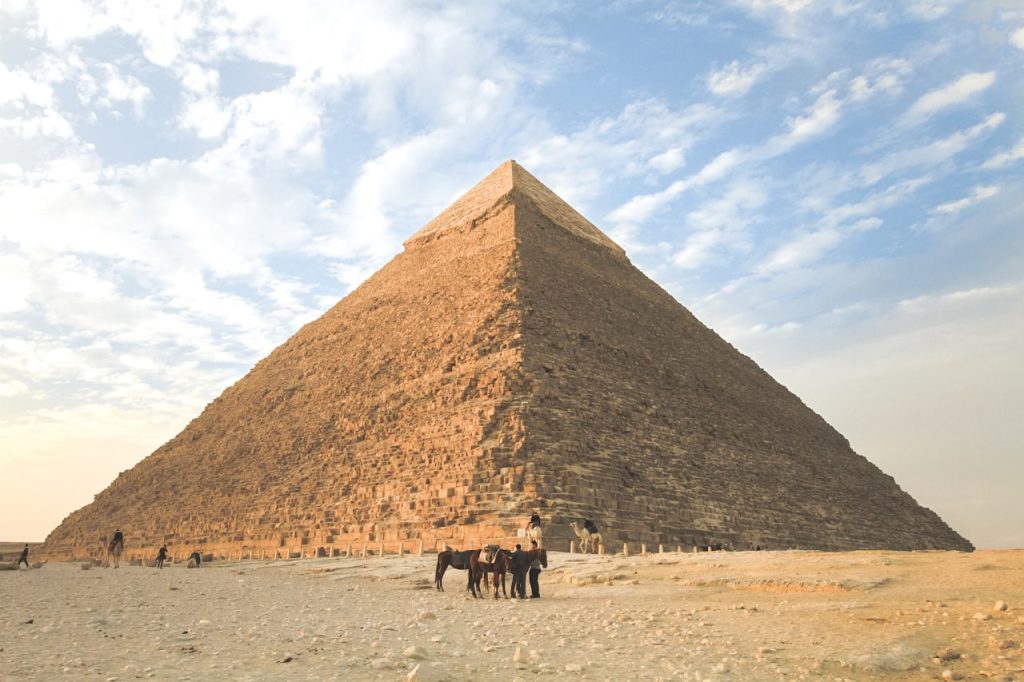
Egypt's weather in 2026 varies noticeably depending on the region you visit. Cairo has a temperate desert climate, Hurghada enjoys the mildness of the Red Sea, Luxor suffers intense summer heat, and the Western Desert can drop close to freezing at night. Understanding these regional differences is essential for planning your trip and choosing the right season. Our SEV team lays out here the complete weather picture for Egypt by region and by season - min/max temperatures, sea temperatures, sunshine, rainfall - along with our recommendations for every type of traveler.
A question about Egypt's weather for your dates?
The SEV team will point you to the best region to visit for your travel window. WhatsApp reply within 1 hour.
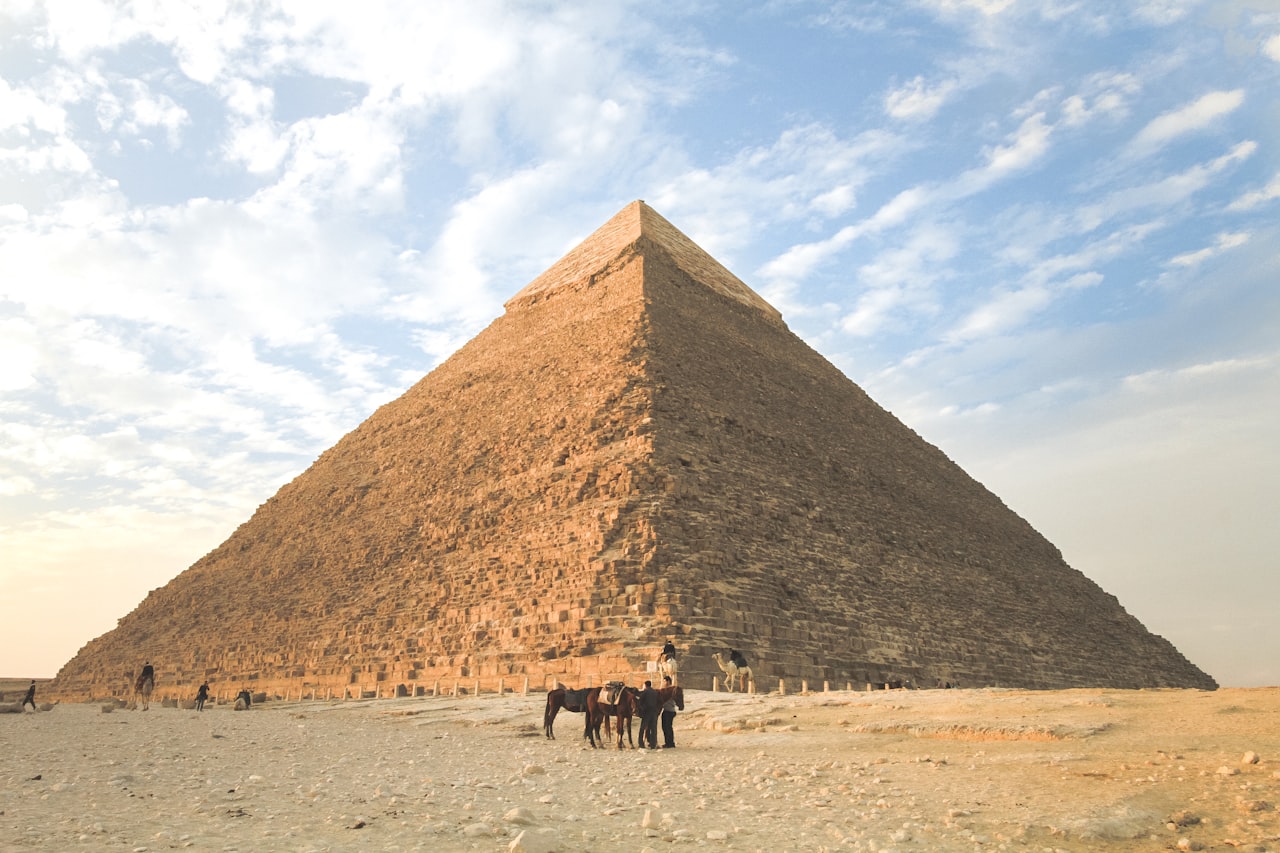
Egypt's Climate - An Overview
Egypt is a country with a mostly hot desert climate (BWh in the Köppen classification) with one exception - the Mediterranean coast (Alexandria), which has a semi-arid climate with Mediterranean influences. Three factors define Egypt's weather across the entire country:
- Latitude - 22 to 31° north, the equivalent of Florida and Mexico. Near-vertical sun in summer, maximum sunshine.
- Continentality - 90% of the territory is desert, with large day/night swings (18-27°F).
- Moderating seas - the Mediterranean to the north (Alexandria mild), the Red Sea to the east (Hurghada/Sharm gentle).
The year splits into two main seasons - the cool season (October to April) and the hot season (May to September). True European-style "seasons" (spring, fall) are short transitions of 4 to 6 weeks.
Cairo Weather - The Capital's Climate
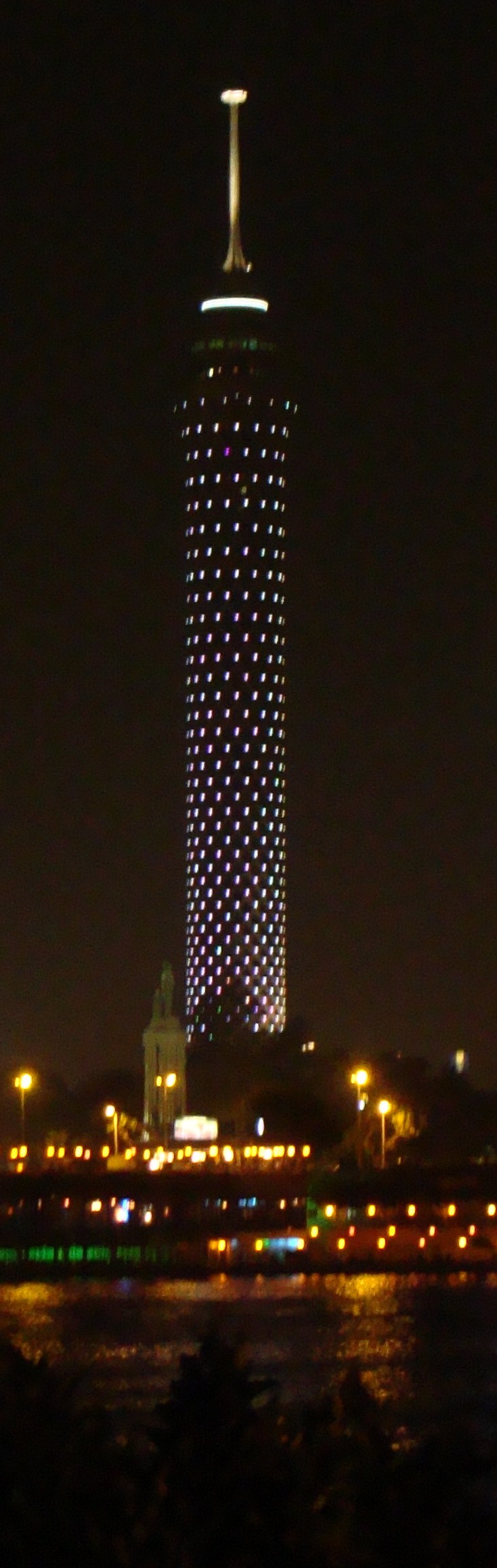
Cairo has a desert climate tempered by the Nile delta. Mild winters 48-66F, scorching summers 72-95F, 3,500 hours of annual sunshine, and almost no rainfall (24 mm a year). This is the climatic baseline for planning visits to the Pyramids, the Grand Egyptian Museum, and the archaeological sites of Saqqara and Memphis.
| Month | Min | Max | Sun | Rain |
|---|---|---|---|---|
| January | 48F | 66F | 7h | 5 mm |
| February | 50F | 70F | 8h | 4 mm |
| March | 54F | 75F | 9h | 3 mm |
| April | 59F | 84F | 10h | 1 mm |
| May | 64F | 91F | 11h | 1 mm |
| June | 72F | 95F | 12h | 0 mm |
| July | 73F | 97F | 12h | 0 mm |
| August | 73F | 97F | 11h | 0 mm |
| September | 70F | 91F | 10h | 0 mm |
| October | 63F | 84F | 10h | 1 mm |
| November | 57F | 77F | 9h | 3 mm |
| December | 50F | 68F | 7h | 5 mm |
To visit Cairo comfortably, favor October through April (daytime temperatures of 63-77F). Avoid June through August, when 97F in full sun on the Giza plateau becomes punishing - plan your visits early in the morning (8am-11am) or late in the afternoon (4pm-7pm).
Luxor Weather - The Nile Valley Climate
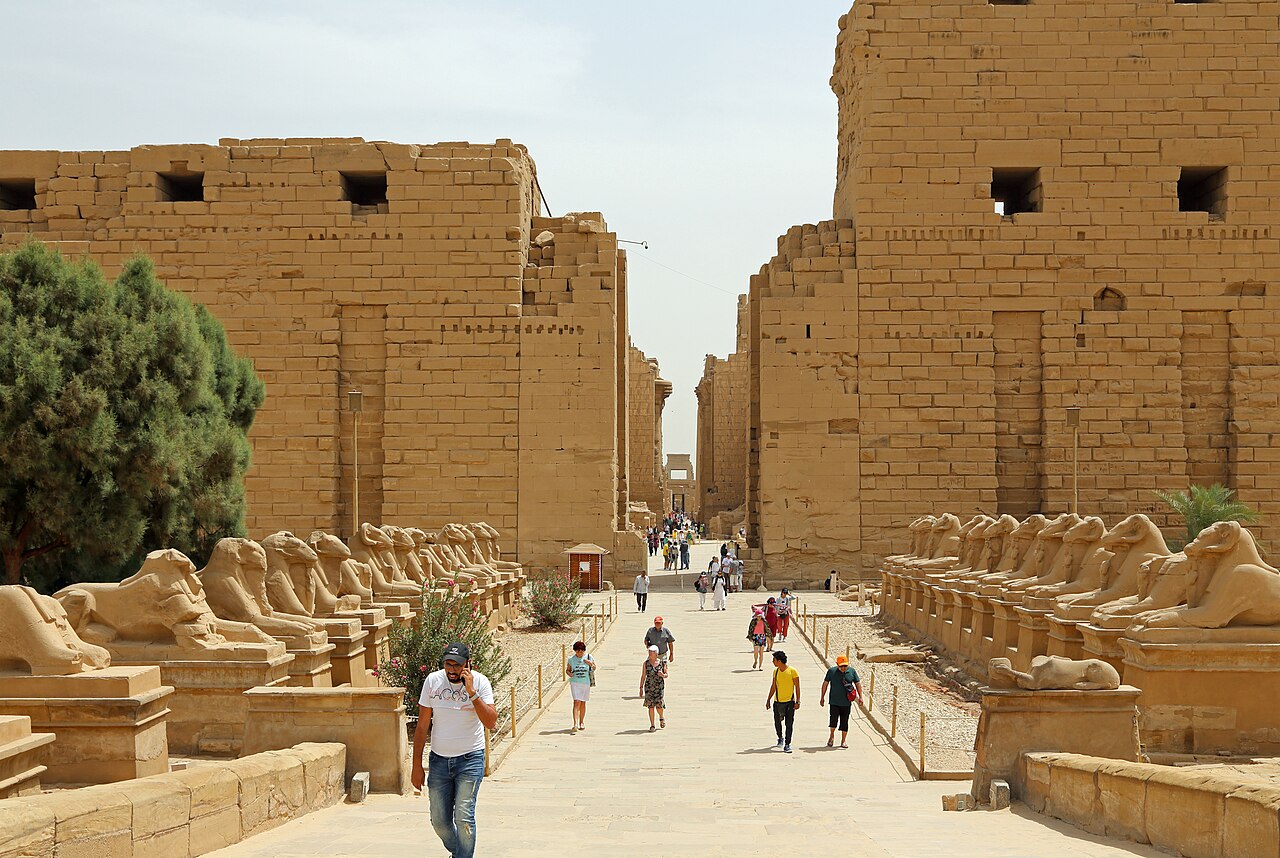
Luxor (422 miles south of Cairo) has a pure desert climate with no maritime influence. Winters are very mild but cool at night (43-72F), summers are blazing (72-106F). It is the ideal weather for Nile cruises in winter, but to be avoided in high summer for visiting the temples.
| Season | Min | Max | Recommendation |
|---|---|---|---|
| Winter (Dec-Feb) | 43F | 73F | Optimal for archaeological visits + Nile cruise |
| Spring (Mar-May) | 52F | 90F | March excellent, May already hot |
| Summer (Jun-Aug) | 72F | 106F | Punishing visits, not recommended |
| Fall (Sep-Nov) | 57F | 95F | October-November perfect, September still hot |
SEV tip - in high season (November-March), nights on the cruise boat can be cool (48-54F). Pack a sweater for evenings on the upper deck.
Hurghada and Red Sea Weather
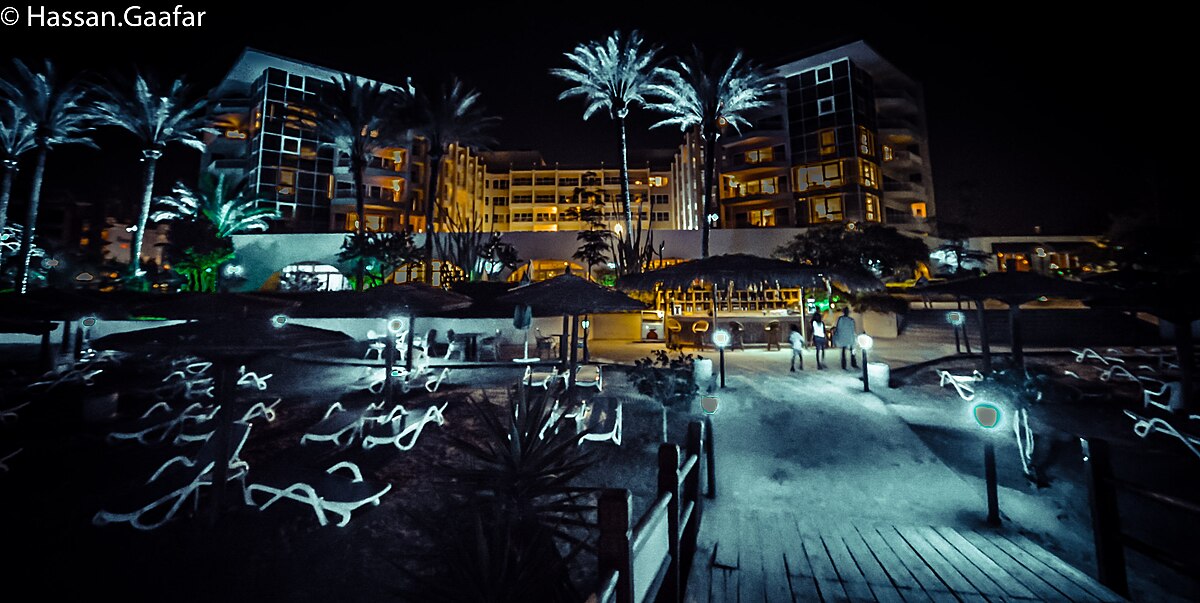
Hurghada enjoys Egypt's most stable climate thanks to the Red Sea, which moderates the swings. Winter temperatures 55-72F, summer 77-99F, sea between 72F (winter) and 82F (summer), 360 days of sunshine a year. For a detailed month-by-month breakdown, see our dedicated Hurghada weather guide 2026.
Notable features:
- Rainfall - 5 mm total a year, meaning one rainy day every 5 years
- Sea swimmable year-round - 72F in January stays pleasant, 82F in July-August for family swimming
- Prevailing wind - from the north at 9-12 mph, perfect for water sports (kitesurfing at El Gouna)
- Khamsin - sandstorm wind from the Sahara, possible 1-3 days in April-May
Sharm el-Sheikh and Sinai Weather
Sharm el-Sheikh, on the Sinai Peninsula, has a climate similar to Hurghada with a few nuances:
- Slightly warmer (1-2°F higher in winter)
- Slightly different winds (offshore versus Hurghada's onshore)
- The Ras Mohammed reef is among the best in the world, with diving visibility of 100-130 ft
- Mount Sinai - continental climate, 32-41F in winter for the night hike
- Saint Catherine (5,250 ft elevation) - occasional snowfall December-February
When is the right time to travel to Egypt?
The SEV team recommends the best region and season for your profile. Personalized quote within 24 hours.
Alexandria and Mediterranean Weather
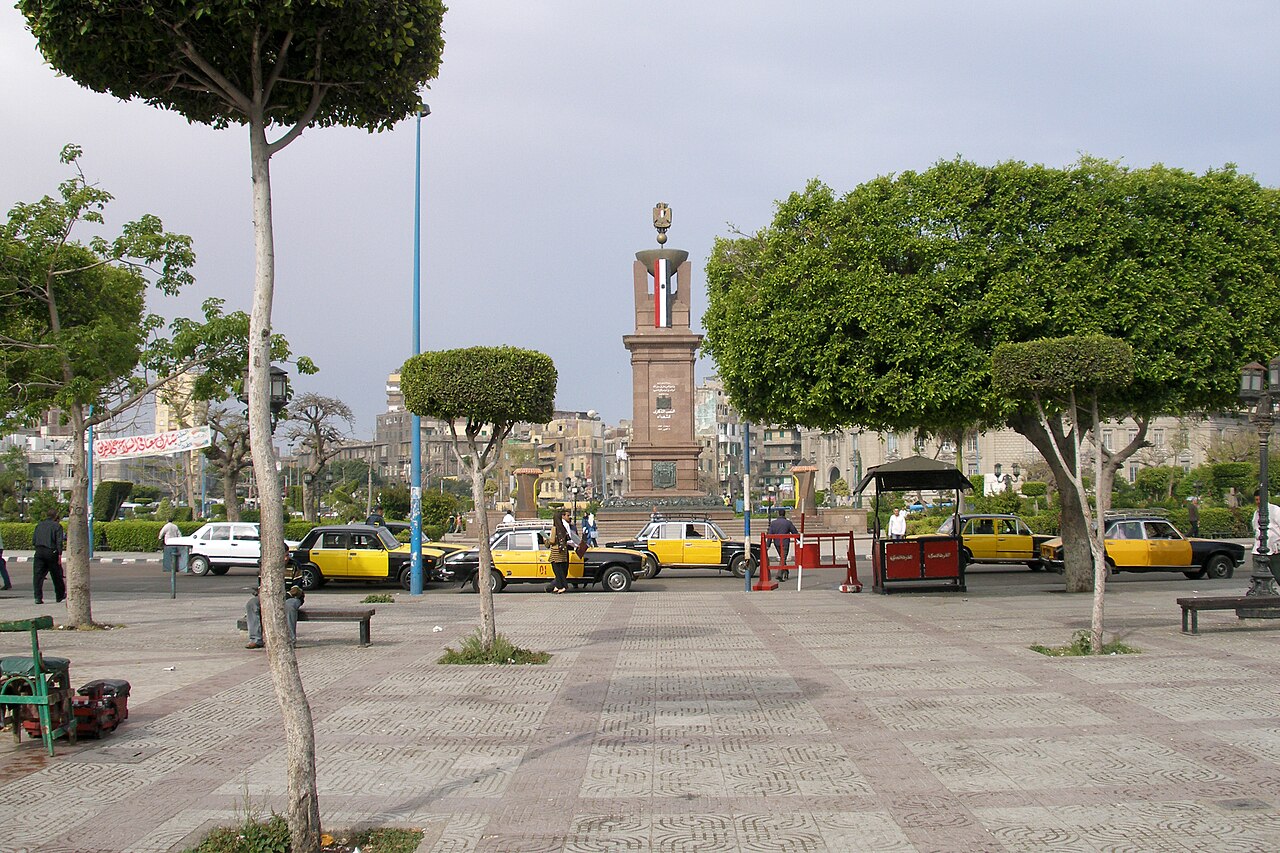
Alexandria has the most European climate in Egypt - semi-arid Mediterranean. Cool, damp winters 48-64F with rain (190 mm a year total), hot but humid summers 72-84F. It is the only major city in Egypt where it rains significantly.
Things to know:
- Winter rains - December-February can see 5-10 rainy days a month
- Mild summer - 84F max, a contrast with the 97-106F of Cairo or Luxor
- Constant wind - a pleasant Mediterranean breeze, but it can be strong in winter
- Humidity - 70-75% versus 50% in Cairo, a muggier feel
To visit Alexandria on a day trip from Cairo (137 miles, 2h30), favor April-June and September-October. See our guide to shore excursions and day trips.
Western Desert and Oasis Weather
The Western Desert (Bahariya, White Desert, Siwa) has a continental climate with extreme day/night swings:
- Winter (Dec-Feb) - daytime 64-72F pleasant, night 32-41F very cold
- Spring (Mar-May) - daytime 77-90F, night 46-59F, ideal for camping
- Summer (Jun-Aug) - daytime 95-108F scorching, night 68-77F pleasant. Avoid, or fly to Siwa
- Fall (Sep-Nov) - daytime 72-86F, night 46-64F, perfect
For a desert safari with camping, favor November-March (bearable temperatures, clear skies for stargazing). See our complete guide to the Egyptian desert.
When to Visit Egypt Based on the Weather
| Period | Optimal regions | Regions to avoid |
|---|---|---|
| December - February | Cairo, Luxor, Nile cruise, Hurghada (winter sun) | Western Desert cold nights, the sea for those who chill easily |
| March - April | All regions except northern Sinai | Khamsin possible (1-3 days) |
| May - June | Red Sea, Sinai, Alexandria | Luxor already hot (95F+) |
| July - August | Red Sea (air-conditioned hotel), Alexandria | Luxor sweltering, Western Desert |
| September | Red Sea, Sinai | Cairo, Luxor (still 91F+) |
| October - November | All regions, perfect period | None |
For a detailed month-by-month breakdown with precise temperatures for each city, see our Egypt temperature month-by-month guide.
FAQ - Frequently Asked Questions About Egypt's Weather
What is the best season to visit Egypt?
October to April for the whole country. November, March, and April offer the best trade-off - daytime temperatures of 72-82F, guaranteed sunshine, little rain. Avoid June-August for Cairo/Luxor (95F+) unless you stay on the Red Sea.
Does it rain in Egypt?
Very little, except in Alexandria. Cairo gets 24 mm a year (vs 640 mm in New York), Hurghada 5 mm a year, Luxor 1 mm a year. Alexandria is the exception with 190 mm a year concentrated in winter. The country is overall the driest in the inhabited world.
Do you need a fleece in Egypt in winter?
Yes, for the evenings and for the desert. Cairo/Luxor drop to 48-50F at night. The Western Desert can reach 32F. On the Nile cruise, pack a sweater for the upper deck in the evening. The Red Sea is milder (55-57F at night) but a light jacket still comes in handy.
Is there any risk of thunderstorms or storms?
Almost nonexistent. The only notable phenomena are the khamsin (sandstorm wind from the Sahara, April-May, 1-3 days a year) and the rare Alexandria thunderstorms in winter. No cyclones, no monsoons, no tornadoes. One of the most stable climates in the world.
Can you see snow in Egypt?
Very rarely. Saint Catherine (Sinai, 5,250 ft elevation) gets a few snowfalls a year in winter. Mount Sinai (7,500 ft) sometimes sees snow in January-February. The rest of the country never sees snow - not even Alexandria in the dead of winter.
What is the temperature of the Red Sea?
Between 72F (January-February) and 82F (July-August). Always swimmable. For diving, a 3mm shorty wetsuit in winter (December-March), swimsuit is enough in summer. The Mediterranean Sea at Alexandria is cooler (61F winter, 79F summer).
Is Egypt hotter than Morocco?
Egypt has hotter summers (Cairo 97F vs Marrakech 91F) but milder winters (Hurghada 72F vs Marrakech 66F). Above all, Egypt has far more sunshine (3,800 h a year in Hurghada vs 3,000 h in Marrakech) and far less rain.
Is there a time difference in Egypt?
Egypt is on Eastern European Time (EET, UTC+2), 7 hours ahead of US Eastern Time and 10 hours ahead of US Pacific Time. Egypt also observes daylight saving time again since 2023. With the time gap and the long-haul flight, expect a day or so to adjust.
Plan Your Egypt Trip Around the Ideal Weather
Our English-speaking team organizes trips to Egypt around the best climate conditions for your travel window. Every package includes recommendations specific to the season:
- Winter - Cairo circuit + Nile cruise (mild climate for sightseeing)
- Spring - full circuit including Red Sea or desert (perfect temperatures everywhere)
- Summer - Red Sea or Sinai beach stay (sea at 82F, air-conditioned hotels)
- Fall - full circuit at a favorable price (low crowds)
For more detail on Hurghada weather, Egypt temperatures month by month, or the best time to travel to Egypt, see our dedicated guides.
Ready to travel at the ideal moment for your Egypt trip?
Personalized quote within 24 hours - itinerary optimized for the weather in your travel window, flights, hotels, English-speaking guide.
To go further, see our Egypt travel budget 2026, our Egypt tourism map 2026, or our tailor-made Egypt tours.