
By Sem Elegant Voyage | Updated: March 2026
Quick answer
Al-Azhar Mosque (970 AD, still in service). Al-Muizz Street (the oldest street in Cairo). Sultan Hassan (insane architecture, 14th century). Ibn Tulun (the largest mosque in Cairo). Doable in one morning: 2-3h. Cost: free everywhere except Sultan Hassan (220 EGP). Guided visit: $45 extra, worth every dollar.
OK, if the Coptic quarter is the ancient soul of Cairo, the Islamic quarter is its beating heart. This is where a million Cairenes walk every single day. This is where history was written. And this is where you will understand why people say Cairo is alive.
The mosques here? Not dead museums. Places of prayer. Universities. Cultural centers. They have been running for 1,000 years (literally). And you can walk in. That is the difference with European churches - this is not a show, it is real life.
Al-Azhar Mosque: the university that prays
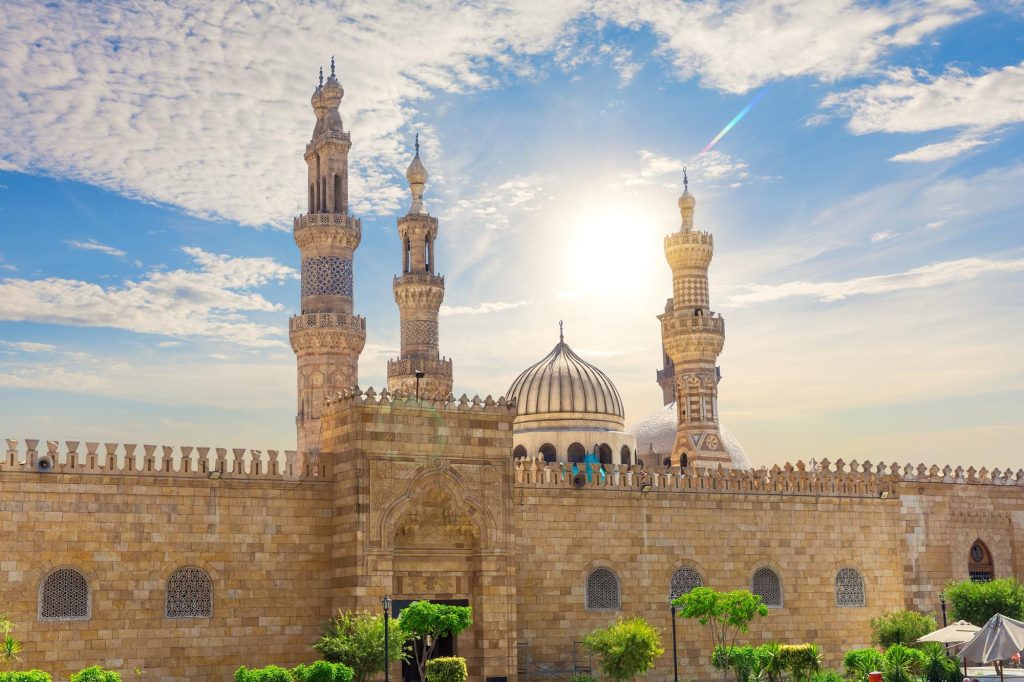
Built in 970 AD by the caliph Al-Muizz. The oldest still-operating university in the world (1,000 years, non-stop). This is not just a mosque. It is a religious, academic and political institution. The scholars of Al-Azhar train imams for the entire Muslim world. No pressure.
The architecture? Incomparable. An open-air central courtyard. Arcades with ancient columns (some from Roman Cairo). White stone walls (limestone). Natural light that casts shadows that seem to pray too (honestly). And when the theology students arrive in the evening to study, you feel history alive, not mummified.
Visit? Free for everyone, donations welcome if you wish. Open 8am-5pm, except during prayer times. If you stress about the timing, a guide will tell you when it is quiet.
Tip: Arrive after 5pm if you want the real experience. That is when the students show up, the lights come on, and the place breathes. No tourists. Just a working mosque.
Al-Muizz Street: the living street
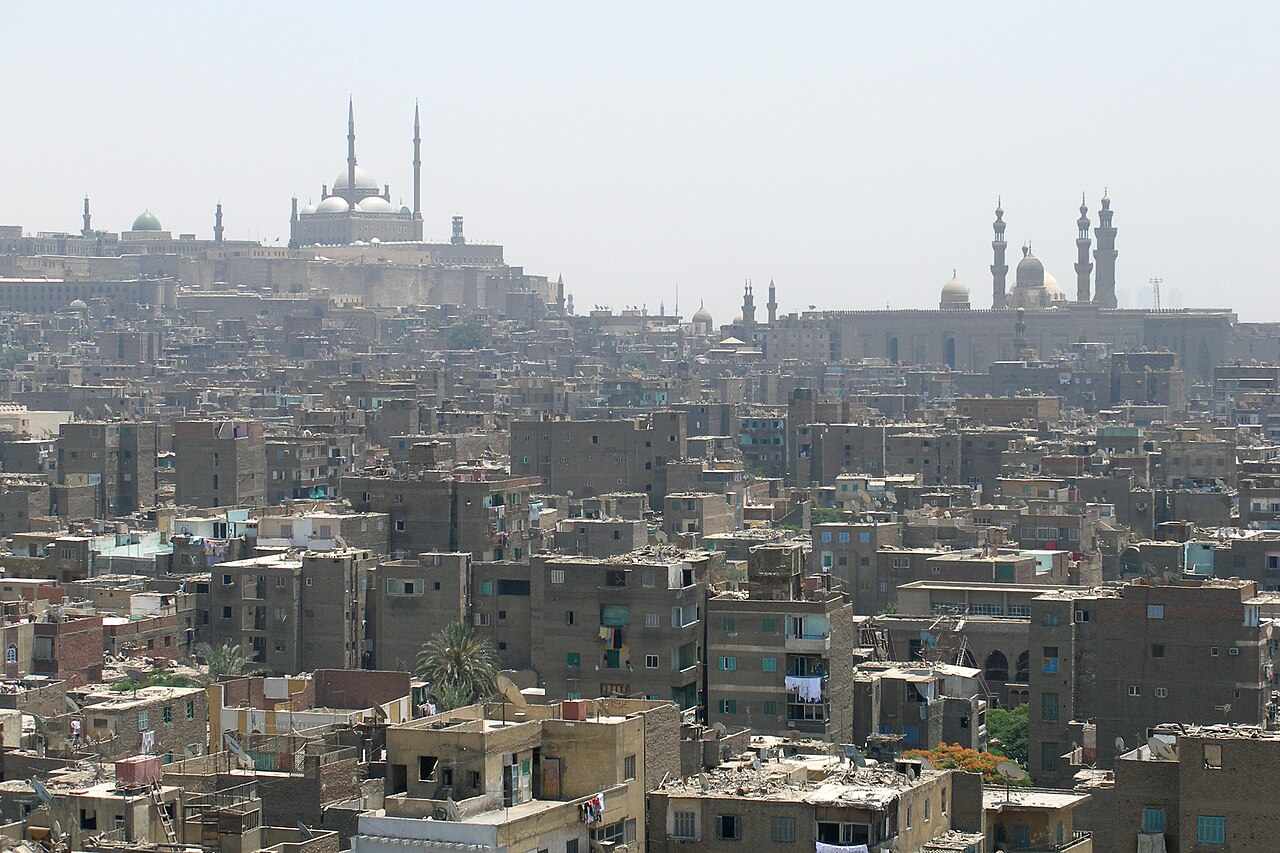
In short, this is the longest pedestrian street in Cairo. And it is loaded with history.
Built in the 10th century. Lined with mosques (15+), madrasas (Quranic schools), caravanserais, bazaars. And still alive. By day? It is a chaotic bazaar (spices, textiles, copper). By night? It is magical. The lamps come on, the shadows dance, and you are in Baghdad in the year 800 (almost).
Three hours of walking. Free. Just you, your feet, and 1,000 years of history. For shopping, see our shopping guide to Egypt's souks. Here you do not really buy - you stroll and soak it in.
The key stops on Al-Muizz Street:
Bab al-Futuh (Gate of Conquests): The gate of the old city. 11th century. Still standing. Frankly an impressive gateway. You step through it and you know you are leaving modern Cairo behind.
Al-Hakim Mosque: 990 AD. Renovated in 2013 (well done). Enormous courtyard. You can genuinely pray quietly in a corner. No invasive tourists (compared with the other mosques).
Khan el-Khalili: The bazaar at the end of the street. For more detail on shopping here, see our complete Khan el-Khalili guide.
The thing people forget: Al-Muizz Street is not a museum. People live here. You will pass kids playing, men drinking coffee, vendors shouting. It is organized chaos. And it is beautiful. So no, you do not have to do a "pure historical" visit - you walk, you look, you listen. That is the experience.
Plan a visit →Reply in under 2h · 7 days a week · No commitment
Sultan Hassan Mosque: the architectural madness
Built in the 14th century by Sultan Hassan. It is not just big. It is absurd. Massive. Architecturally insane.
The central iwan (the great arch) rises to a dizzying height, well above the buildings around it. It opens onto the courtyard and you feel the raw power of genius. The walls? Alternating pink and gray stone. The minaret? Sharp as an arrow toward the sky. And all of it without a "famous" architect - just a Sultan with a vision.
Entry: 220 EGP (a combined ticket with Al-Rifai). Open 9am-5pm. Next door is Al-Rifai Mosque (19th century). The two sit side by side and form an architecturally impressive block. A local agency recommends 90 min here. By the way, the echoes inside are wild - bring a flute if you want to make poetic noise (joking, but it is tempting).
Ibn Tulun Mosque: the largest, the quietest
Roughly 280,000 square feet. It is a stadium. It is a forest of columns. It is silence.
Built in the 9th century (even older than Al-Azhar). No gilding, no flashy decoration. Just stone, geometry and space. You could literally sprint across the courtyard (do not do that, but technically). And the view from the minaret? Cairo at your feet. The domes, the minarets, the chaotic rooftops. That said, the climb up the minaret takes some effort. Bring water.
Entry: free. Open 9am-4pm. Less touristy than the others (it is a bit out of the way). Honestly, if you are after peace and beauty, this is it. No noise. Just your breath and the geometry.
Want a specialized guided tour of the Islamic quarter with a local historian?
Request a guide →Reply in under 2h · 7 days a week · No commitment
Ramadan in the Islamic quarter
Honestly? It is a bonus season. Ramadan transforms the quarter.
The mosques open at 5pm (Iftar - the breaking of the fast). The streets fill with vendors selling fava bean soup. People sit outside and eat together. The atmosphere? Electric. Spiritual. Communal. From what our travelers have told us this season, Ramadan in Cairo is +1000 for the experience. For more, see our Ramadan in Egypt guide. Bottom line: if you can be there during Ramadan, go. Easy call.
How to visit respectfully

You are not Muslim. OK. You can still go in. Here is how not to be the awkward tourist:
1. Clothing: No shorts. No aggressive necklines. Women should cover their shoulders (men too, technically). Unless you enjoy dirty looks, keep it discreet. (Local move: long skirt, sleeved shirt, end of story.)
2. During prayers: You can stay. But do not cross in front of the rows of people praying. Do not shout. Do not take photos. Be a ghost.
3. Restricted areas: Some sections are "women only" or "men only" during prayers. Respect that. The guides tell you which.
4. Shoes: You have to take off your shoes at the entrance. Bags for your shoes are provided at the door (free). Your feet are going to have an interesting conversation with the floor (good for the soul, apparently).
Recommended itinerary: 4 hours

9:00am: Al-Azhar (free). 60 min.
10:00am: Al-Muizz Street (free). 90 min.
11:30am: Traditional cafe. 15 min. (Coffee + pastry: $3).
11:45am: Ibn Tulun or Sultan Hassan, your pick. 90 min. (Ibn Tulun free, Sultan Hassan 220 EGP).
Total cost: 220 EGP for Sultan Hassan (without a guide). With a guide: $85-110.
Prefer a combined itinerary (Islamic quarter + Coptic + pyramids)?
Request a package →Reply in under 2h · 7 days a week · No commitment
Detailed budget
| Item | Cost (USD) | Duration |
|---|---|---|
| Al-Azhar | Free | 1h |
| Al-Muizz Street | Free | 1.5h |
| Sultan Hassan | 220 EGP | 1.5h |
| Ibn Tulun | Free | 1.5h |
| Specialized guide | 45-55 | 3-4h |
| Coffee + pastry | 3 | 20 min |
| Transport (Uber) | 4-7 | - |
| TOTAL (without a guide) | 7-10 + 220 EGP | 5-6h |
Frequently asked questions
Can I go in if I am not Muslim?
Yes. Completely. Cairo's mosques welcome non-Muslims (unlike Mecca, for example). You have to respect the rules (modest dress, no noise during prayers, shoes off), and you are fine. Egyptians love showing off their culture - as a local agency based in Cairo, we can confirm it.
When is the best time to visit?
Morning (8am-11am) or late afternoon (4pm-6pm). Midday? No. It is hot, people nap, the mosques are nearly empty. Ramadan? Yes, if you can. The atmosphere is multiplied by 10. Check our when to visit Egypt guide for the best season.
Do I really have to wear a hijab as a woman?
No. A scarf to cover your hair is enough (picked up at the entrance, free). Western tourists are not expected to dress like locals. Just... covered. Shoulders yes, hair partially yes. No need for a full outfit. Be smart, not rigid.
Are photos forbidden?
Generally yes. Not during prayers (that makes sense). But even outside of them, some sections are "no photos." The guides will tell you. Drones? Absolutely not - it is illegal. And photos during Iftar in Ramadan are OK (people love it when you document it).
And the forest excursions? Joking, but where to next?
After the Islamic quarter, you can do the Citadel (Muhammad Ali Mosque, insane view over Cairo). Then the Coptic quarter. That is the "grand Cairo tour" itinerary. Check our 3-day Cairo itinerary for the full structure.
Ibn Tulun or Sultan Hassan, which first?
Al-Azhar → Al-Muizz → Sultan Hassan (for the architectural madness) → Ibn Tulun (for the quiet). Or the reverse if you would rather end in peace. The two are geographically linked (distance: 15 min on foot). Honestly, do them in whatever order suits you.
Final practical tips
1. Stay hydrated. The mosques are not air-conditioned. Bring at least 50 oz of water.
2. Do not come hungry. Eat first. The small local restaurants are good ($5-9 a meal), but if you are doing a big circuit, eating at 1pm is smarter.
3. Guide or no guide. From what our travelers tell us, the guide is worth the price. The stories you learn about the architecture, religion and Egyptian politics - that is not in the guidebooks. It changes how you understand the place.
4. Come back in the evening. Al-Muizz Street lit up? Another world. Strongly recommended. And for full budgets, see our complete Egypt budget guide.