
By Sem Elegant Voyage | Updated: March 2026
Walking through the gates of the High Dam? You step into modern Egypt's story. Not an ancient ruin, true. But an achievement that changed the course of the Nile itself. (And when I say "changed," I mean 168 billion cubic meters of water held back behind these concrete walls.) Visited by millions, often rushed past by travelers in too much of a hurry. I have been there five times. Each visit reminded me of something: not every real wonder is carved into stone. Discover also the temples of Abu Simbel, saved by this very dam.
A Soviet Feat Under the Egyptian Sun
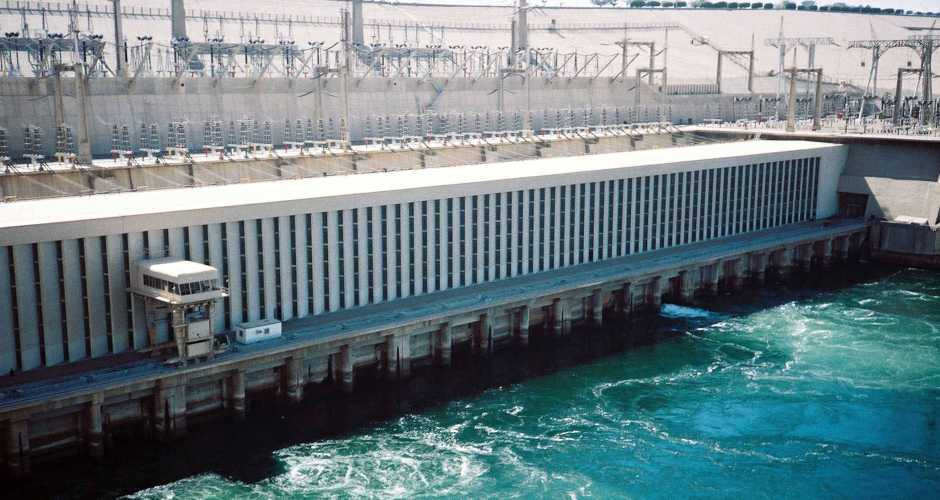
Built between 1970 and 1976. The Soviets at the controls. Nasser had dreamed it, Sadat delivered it. The figure that floors visitors? 364 feet tall. 2.4 miles long. That is why it impresses first, then... it fascinates.
The history fits in a few lines: the Nile was unpredictable. Floods destroyed, droughts starved. A dam to tame the river? The idea had been kicking around for decades. The British had cobbled together the Low Dam in 1902. Not enough. They needed something bigger. More powerful. So the Soviet engineers showed up with their ambitious plans (and their communist sauce, a little too visible in the propaganda of the era). The result: a structure still running, four decades on.
Why does it matter? Because without this dam, Cairo would not have the stable electricity it has today. The Delta's agriculture would have vanished. Modern Egypt would not exist in this form.
Lake Nasser: An Artificial Ocean That Changes Everything
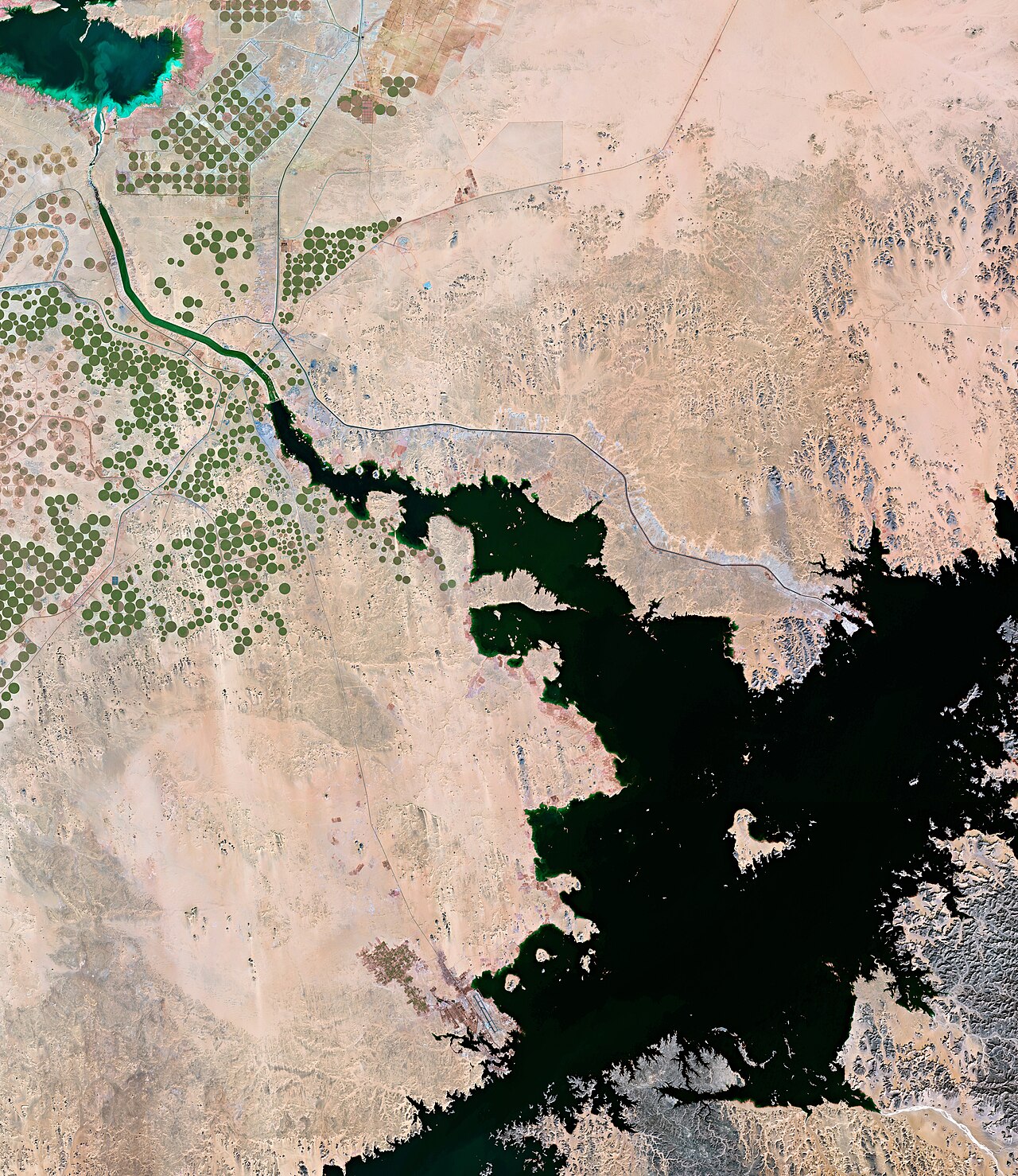
Behind the dam? Lake Nasser stretches out. Immense. Almost unreal. It is the largest artificial water reservoir in the world (well, second after Kariba in Zambia, but hush). 342 miles long. A landscape that should not exist, but does.
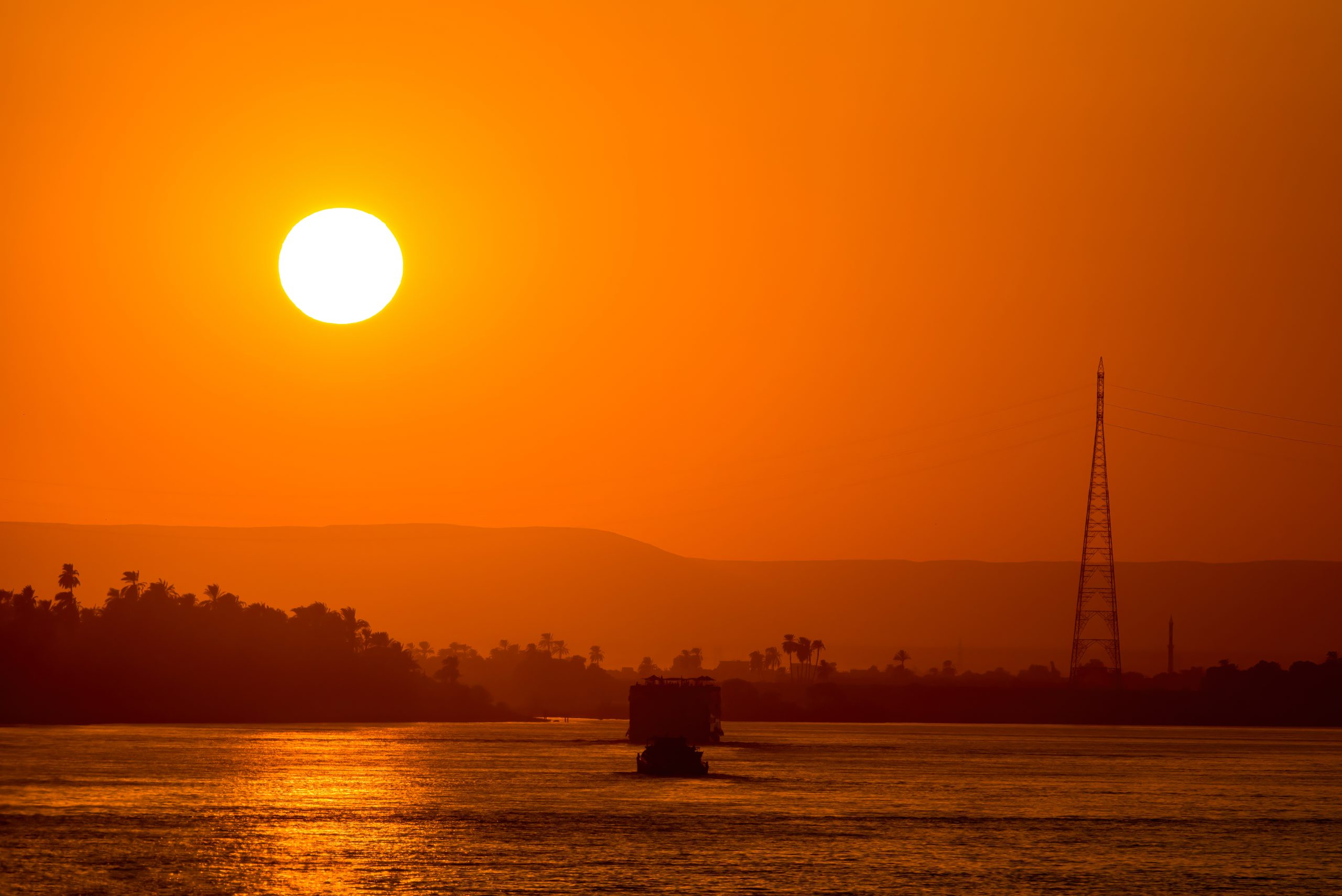
This lake submerged Nubia. Entire villages vanished underwater. The temples of Abu Simbel? Raised 213 feet to escape it. (Crazy, right?) Nubian families displaced. An immense cultural loss. But also, today, a source of tourism. The cruise on Lake Nasser draws travelers chasing total isolation. Not a boat on the horizon. Just water, desert, and sunsets that make you close your eyes.
QUICK TIP
If you head up to Aswan, do not ignore this lake. A 3-4 day cruise changes the perspective. Less touristy than the "classic" Nile. Pricier too (budget $650-1,300 for a double cabin, all inclusive).
The Viewpoints and the Practical Visit
From the Felix Bridge
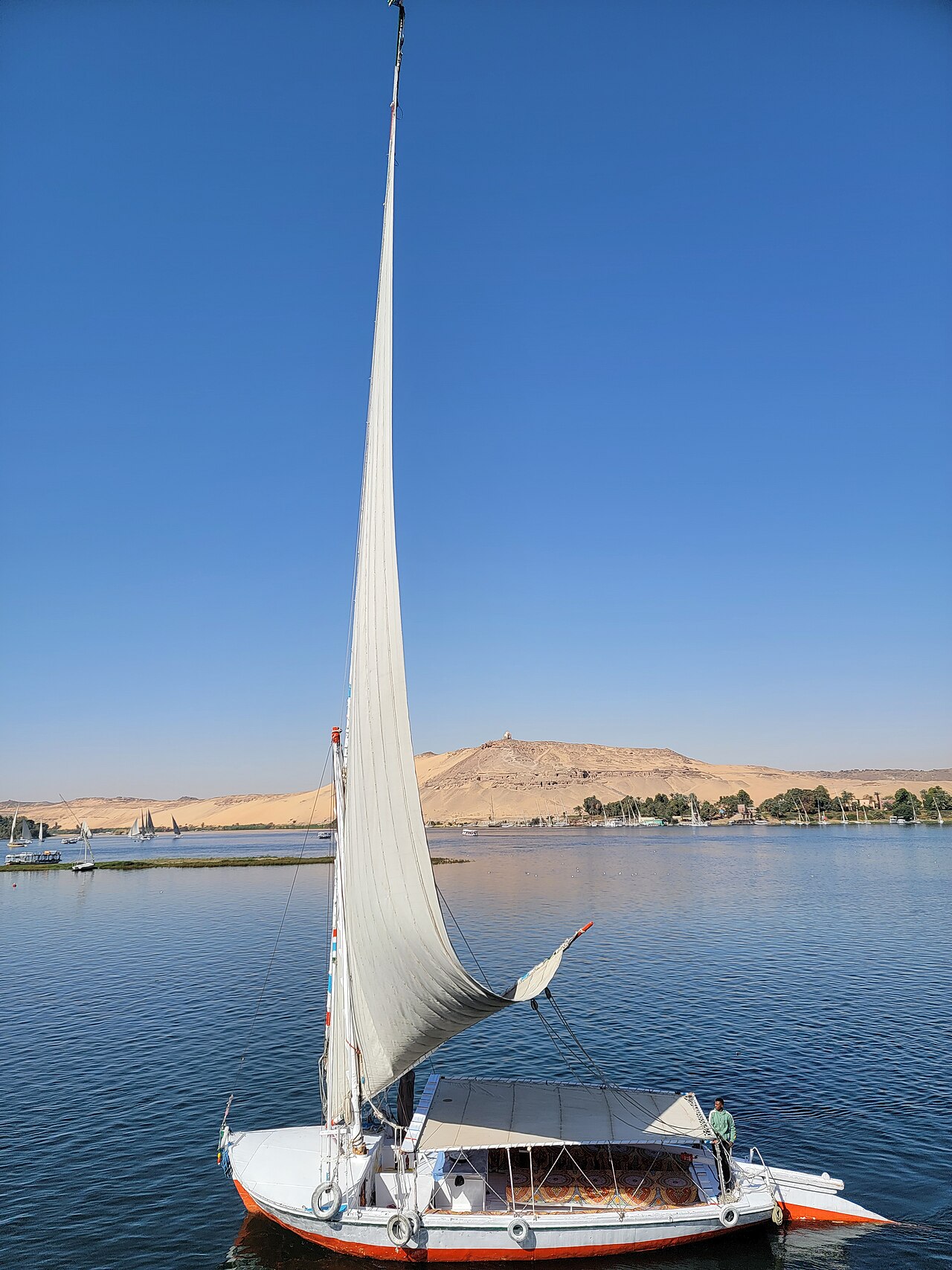
You can walk across it on foot. Free. Really? Really. From this bridge, you see it all: the dam on one side, the lake on the other, and across the way... a monumental lock where feluccas pass through in 15 minutes. It is a little magical. I stayed there for an hour one evening, just watching the shades of pink fade from the sky.
The Official Tourist Platform
Official entry: 30 EGP (less than a dollar). You reach a terrace with a panoramic view, a small museum that covers the construction (but the panels are worn, the explanations vague). Souvenir sellers, undrinkable Nescafe at the bar. Spending 20 minutes there is plenty. Half an hour if you linger.
Bottom line, the experience is not about the infrastructure. It is about the moment: you are facing the largest civil engineering work on the African continent. That counts.
Combining the Dam With a Visit to Aswan
The dam is not a destination in itself. No. It is an anchor point in a typical day in Aswan. Here is the circuit I recommend (I have done it ten times):
Morning (7am-10am): Philae Island. 45 minutes from downtown. The temples of Isis. A must. Plan on 90 minutes on site.
Midday (11am-12:30pm): The High Dam. On the way from Philae. You go up to the platform, you cross the bridge. A glance at the lake. Lunch by the water (small local restaurants, cheap).
Afternoon (2pm-5pm): The Unfinished Obelisk. 1.9 miles from the dam. Another 30 minutes, and you discover how the ancient Egyptians carved into granite. Fascinating.
This day costs around 120-150 EGP in entry fees. Add transport (a taxi for the day, 250-300 EGP, about $9-11). So you get three major sites for $22 total. Money well spent.
GOOD TO KNOW
The dam visit takes 30-45 minutes in total. At the moment (March 2026), there are no lines. The site is open 6am-6pm. Come in the morning instead (before 11am), when it is not blazing hot.
Abu Simbel: An Obvious Connection
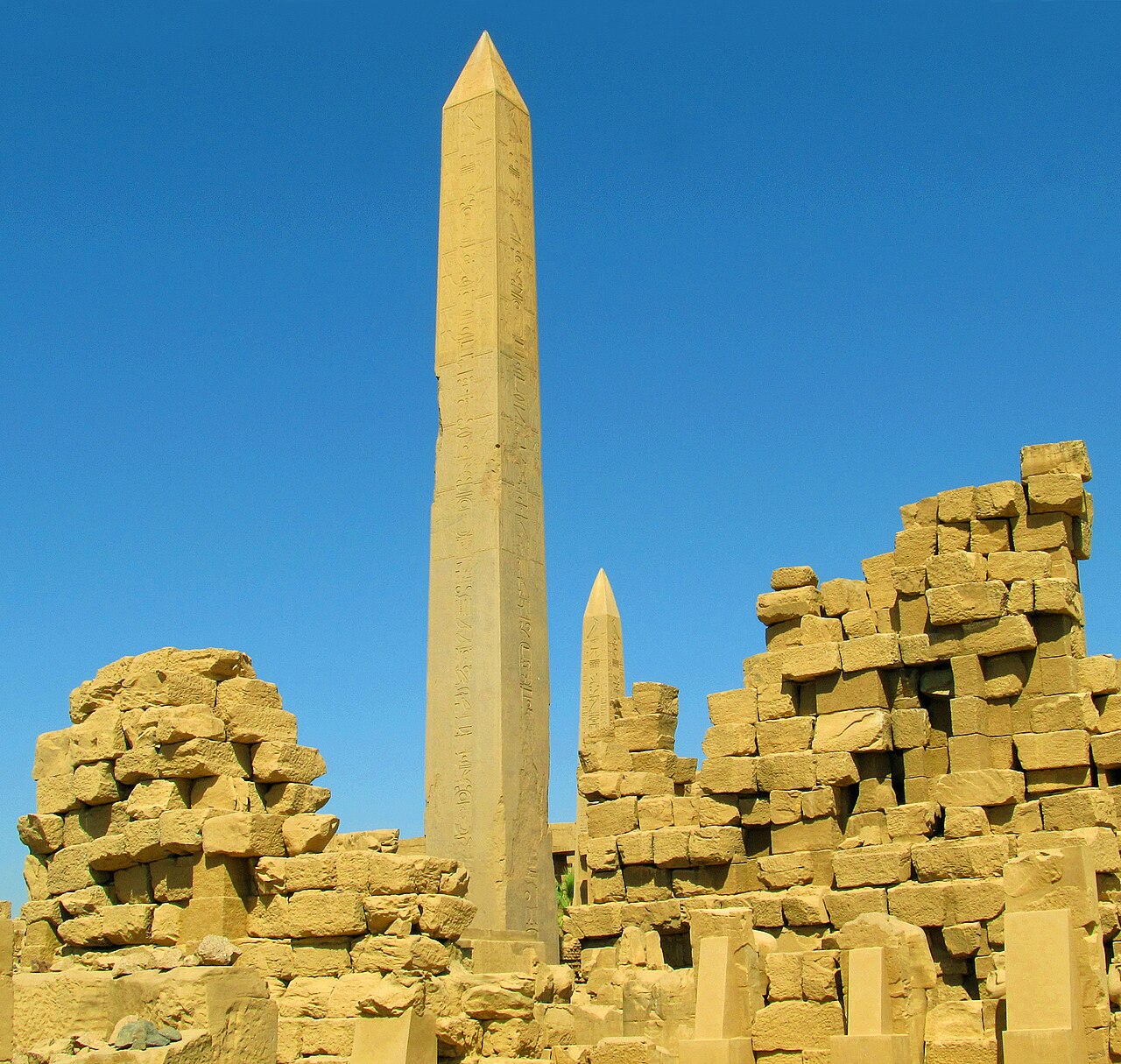
The two temples of Ramesses II sit 174 miles south of Aswan. Saved in 1968 precisely because of Lake Nasser. You take a flight (one hour), or a long 4x4 drive (6 hours). It is the excursion to do if you stay 3-4 days in the region. The faces of Ramesses, 66 feet high, haunt you for weeks.
The link from the dam to Abu Simbel? Almost philosophical. The dam saved these temples from drowning. Without it, Abu Simbel would have disappeared. In its place, you would have an empty lake. So seeing the dam, then Abu Simbel, closes a historical loop.
PLAN YOUR VISIT TO ASWAN
Discover our complete guide to exploring Aswan: temples, ancient sites, the Nile and local secrets.
Nile Cruises: From Aswan to Luxor
Come to the High Dam, then board a cruise from Aswan. Three to five days of pure relaxation. You glide past the temples of Kom Ombo, Edfu, then Luxor. The most beautiful in the world, no exaggeration.
The rates? Between $430 and $1,300 for a double cabin (three-star to five-star). Meals included. Excursions included. You pay almost nothing extra. It is the vacation investment, sure. But one worth every penny.
My recommendation? Spring cruises (February-April) offer the best weather and the best rates before the summer madness.
Planning Your Visit?
Ask your questions on WhatsApp. Our advisors reply in under 2 hours, 7 days a week, no obligation.
Contact Us on WhatsAppReply in under 2h · 7 days a week · No obligation
Other Sites in Aswan
Also visit Philae Island, the Unfinished Obelisk and explore the best Nile cruises.
Plan My TripReply in under 2h · 7 days a week · No obligation
Going Further: Budget and Planning
Aswan costs less than Luxor or Cairo. A lot less. Three-star hotels run around $55-75 a night. Two-star, $27-38. Standard restaurants, $3-5 per dish. Also check the Luxor-Aswan itineraries to combine several destinations. Electricity? Included. Air conditioning? Pretty much mandatory at 113F in summer.
If you combine the Dam, Philae, and the Obelisk (which you should), plan a full day. With meals, transport, and entry fees? Budget $27-38. Roughly the price of a good dinner in a major US city.
The season? November to March stays perfect. April to September is a furnace. You sweat through your shirt by 6am. (I speak from experience, unfortunately.)
PLAN YOUR EGYPT BUDGET
Our detailed guide breaks down spending day by day, by region, and by type of traveler.
Complete Egypt Budget 2026Conclusion: Why It Matters
The Aswan High Dam does not have the dazzle of the pyramids. Not the myths of the pharaonic temples. But it is a human work that reshaped the geography, the politics, and the daily life of 100 million Egyptians. Ignore it, and you miss a fundamental piece of this modern country.
30 minutes. That is all you need. Climb up to the platform, cross the bridge, look at this lake that changes everything. Then continue toward Philae and the Obelisk. That day? You will have seen ancient Egypt and modern Egypt side by side.
That is what traveling Egypt smartly looks like.
Ready to Visit the High Dam?
Book your visit and get local advice on access and the best times to go.
Book NowReply in under 2h · 7 days a week · No obligation
💡 Good to know before your visit: The Aswan High Dam is a strategic site, so security here is a little tighter than elsewhere. What does that mean in practice? No drones (they are banned everywhere around the dam), and photos are allowed only in the marked tourist areas. The soldiers on site are generally courteous, but do not try to photograph the technical installations or the checkpoints.
On timing, the dam visit itself takes 30 to 45 minutes. The trick our guides recommend: pair it with the Philae temple in the morning (before 10am to avoid the heat on the island), then head straight to the dam right after. The trip between the two takes just 15 minutes. Also plan to bring plenty of water, because there is no shop on the dam itself, and the sun beats down hard on that vast stretch of concrete, especially between April and October. A hat and sunglasses are also essential to enjoy the panoramic view over Lake Nasser.