
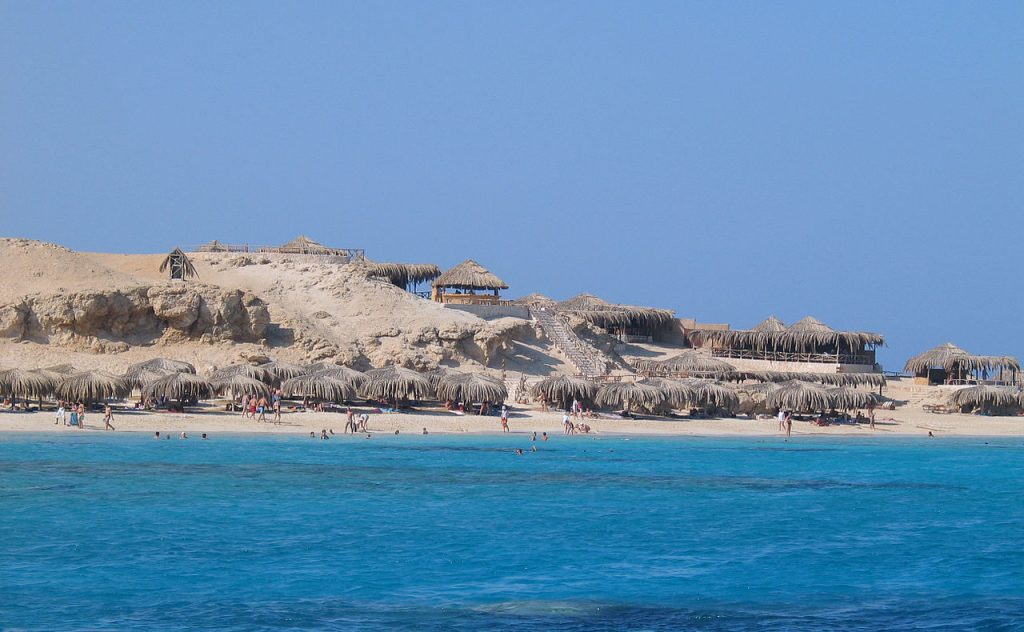
Hurghada temperature by month runs from a mild 11 to 22°C in January to a dry 28 to 38°C in August, and the Red Sea itself rarely drops below 21°C even in the depths of winter. That narrow range, combined with roughly 3,500 hours of sunshine a year and almost no rain, is why this stretch of coast has become a default winter sun escape for British travellers when the weather at home turns grey. This guide sets out the full month by month picture: air and sea temperatures, sunshine and rainfall, the best weeks for diving, the khamsin winds worth planning around, and which month suits a family, a diver or a couple after a quiet beach. Every figure below comes from 1991 to 2020 climate normals, the standard 30 year reference period, not a forecast for any single trip. Our Cairo based team uses the same data to plan Red Sea itineraries, so you can match your dates to the climate you actually want.
Got a question about Hurghada weather for your dates?
The SEV team can tell you what to expect for your exact travel week. WhatsApp reply within 1 hour.
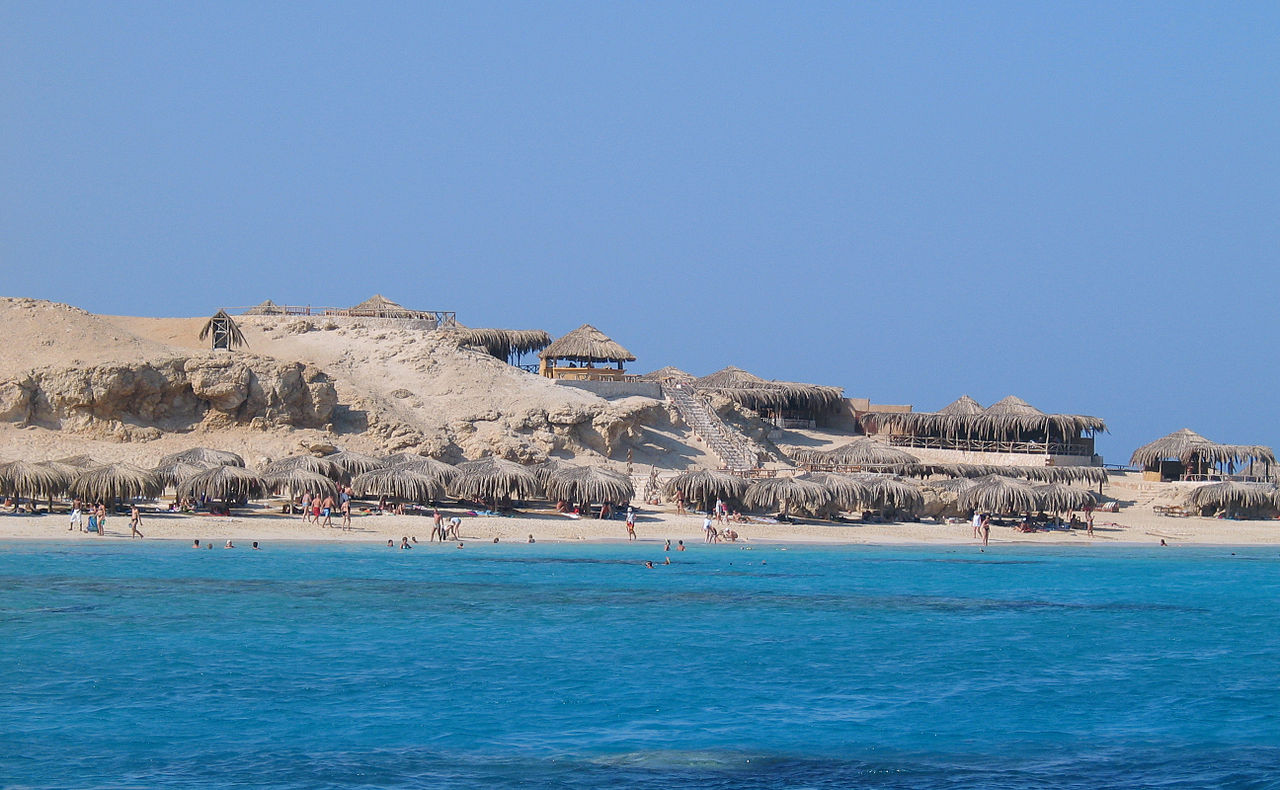
Hurghada temperature by month: the full 2026 climate table
The table below covers everything most travellers want to check before booking: the overnight low and afternoon high for air temperature, the Red Sea's own temperature, average daily sunshine and monthly rainfall.
| Month | Air min | Air max | Sea | Sunshine | Rain |
|---|---|---|---|---|---|
| January | 11°C | 22°C | 22°C | 9h/day | 1.6mm |
| February | 12°C | 24°C | 21°C | 10h/day | 0.2mm |
| March | 15°C | 26°C | 21°C | 9h/day | 5.5mm |
| April | 19°C | 30°C | 22°C | 10h/day | 0mm |
| May | 23°C | 34°C | 24°C | 10h/day | 5.1mm |
| June | 26°C | 36°C | 26°C | 12h/day | 0mm |
| July | 28°C | 37°C | 27°C | 12h/day | 0mm |
| August | 28°C | 38°C | 28°C | 11h/day | 1.3mm |
| September | 26°C | 35°C | 27°C | 10h/day | 2.7mm |
| October | 22°C | 32°C | 26°C | 9h/day | 4.5mm |
| November | 18°C | 28°C | 25°C | 9h/day | 0mm |
| December | 13°C | 24°C | 23°C | 8h/day | 5.6mm |
Source: 1991 to 2020 climate normals for Hurghada, climatestotravel.com, checked 29 September 2026. Air and sea figures are rounded to the nearest whole degree; sunshine and rainfall are 30 year monthly averages.
How to read the Hurghada weather table
The low end of each month's range is the typical overnight or early morning temperature, and the high end is the typical mid afternoon peak. These are 30 year averages, not a promise for your exact travel week: on any given day, conditions can run a little warmer or cooler than the norm. Hurghada's coastal position keeps the swing between day and night smaller than inland cities: in Luxor or Aswan the same winter night can feel noticeably colder relative to the daytime high than it does on the Red Sea coast, because the sea holds its warmth after sunset. For the equivalent picture across Cairo, Luxor, Aswan and Sharm el-Sheikh, see our Egypt temperature by month guide or our regional Egypt weather guide.
Hurghada climate overview
A few figures sum up why Hurghada is treated as a near year round destination:
- Sunshine: roughly 3,500 hours a year, worked out from the monthly averages above, with the longest days in June and July
- Rainfall: about 26mm across the whole year based on the same table, and several months see effectively none at all
- Average air temperature: roughly 25°C using the midpoint of each month's range
- Sea temperature: 21 to 28°C across the year, swimmable in every month
- Humidity: generally low and dry, higher and more noticeable right at the waterfront than a few streets inland
- Wind: a prevailing northerly, light in winter and a touch stronger in spring and early summer
Hurghada weather season by season
Winter in Hurghada (December to February): the European high season
The favourite window for British travellers escaping a cold, short winter day at home. Air runs 11 to 24°C, warm enough in the sun but cool once the sun drops, so an evening layer earns its place. The sea sits at 21 to 22°C, swimmable for most people without a wetsuit and comfortable with a thin one for longer dives, with excellent visibility. Expect the fullest hotels and the highest rates around Christmas and New Year, with January and February noticeably quieter.
Spring in Hurghada (March to May): the diving sweet spot
Temperatures climb steadily, from 15 to 26°C in March to 23 to 34°C in May, while the sea warms from 21 to 24°C. Many divers rate this as the best season: comfortable water, strong visibility and less plankton than late summer. The khamsin, a hot dry wind off the Sahara, is most likely to appear in April and can reduce visibility and roughen the sea for a day or so when it does.
Summer in Hurghada (June to August): hot, dry and busy on the beach
The hottest stretch of the year, 26 to 38°C by day, and still a warm 26 to 28°C after dark. The dry climate keeps the heat more bearable than a humid destination at the same reading. The sea reaches its warmest, 26 to 28°C, ideal for swimming and for spotting turtles and reef life. This is also the quietest and most affordable stretch for coastal hotels, even though it overlaps with Cairo's own busy season for other reasons.
Autumn in Hurghada (September to November): the quiet favourite
Our own favourite window at SEV. Summer heat eases gradually, from 26 to 35°C in September to 18 to 28°C by November, while the sea stays warm, 25 to 27°C, well into the season. Diving visibility remains excellent, crowds are thinner than winter, and hotel rates are usually the most favourable of the year. October in particular pairs mild days with a still warm sea.
Which month suits your trip
| Traveller profile | Best months | Why |
|---|---|---|
| Family with children | April, May, October | Comfortable 22 to 34°C days, warm sea, thinner crowds than midsummer or Christmas |
| Keen diver | March to May, October, November | Strong visibility, comfortable water, less plankton in the water column |
| Winter sun seeker | December to February | A reliable 22°C by day against a cold, grey UK winter |
| Value focused traveller | June to August | The quietest stretch on the coast and typically the most favourable hotel rates |
| Couple after a quiet beach | September to November | Warm sea, easing crowds, long golden evenings |
| Watersports and kitesurfing | March to May | The steadiest northerly wind of the year, alongside warm enough water |
Want a Hurghada stay planned around your own dates?
The SEV team matches hotels and excursions to the season you are travelling in. Personalised quote within 24 hours.
Sea temperature in Hurghada by month
Compared with the air above it, the Red Sea barely moves across the seasons, which is exactly why Hurghada works as a near year round destination for swimming and diving.
| Month | Sea temperature |
|---|---|
| January | 22°C |
| February | 21°C |
| March | 21°C |
| April | 22°C |
| May | 24°C |
| June | 26°C |
| July | 27°C |
| August | 28°C |
| September | 27°C |
| October | 26°C |
| November | 25°C |
| December | 23°C |
For committed divers, a 3mm shorty wetsuit is the usual choice from December through March, when the water sits at its coolest, while a swimsuit alone is enough from June to October. Snorkelling needs no wetsuit at all in any month for most people. For the best sites along this coast, see our Red Sea diving guide.
Rain, sunshine and wind in Hurghada
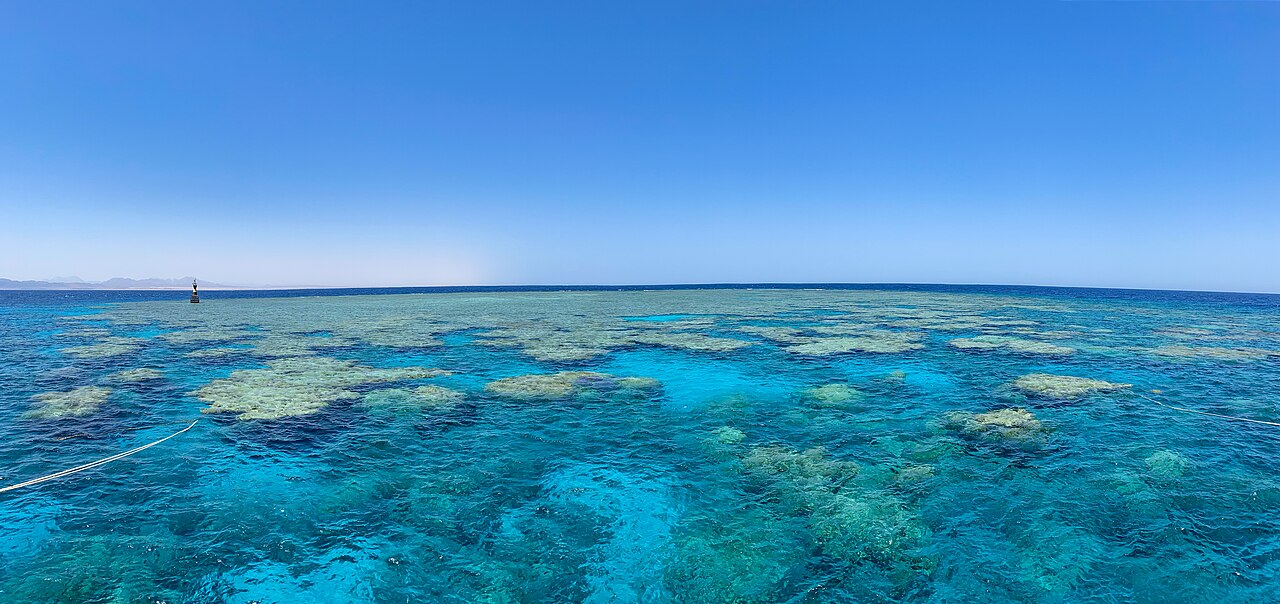
Hurghada's weather is unusually stable, but a handful of patterns are worth knowing before you travel:
- Rain: about 26mm across the whole year on the table above, which in practice means most months pass without a single wet day. When rain does fall, it is typically a short, sharp shower rather than a sustained spell.
- Khamsin: a hot, dry, dust laden wind blowing up from the Sahara, most likely in April and occasionally in March or May. It can reduce visibility, roughen the sea and push the afternoon temperature above the seasonal norm for a day or so. There is no reliable way to predict it in advance, so treat it as a small chance rather than a fixed date to avoid.
- Morning sea mist: a light haze can settle over the marina and coastline on winter mornings, usually clearing within an hour or two of sunrise.
- Afternoon sea breeze: a cooling onshore wind most afternoons, part of why the coast feels less punishing than the desert interior at the same air temperature.
- Day to night swing: winter is the biggest gap, around 11°C between the coolest night and the warmest afternoon in January and December, so pack a jumper for the evenings even if the days feel warm.
Hurghada compared with other Red Sea resorts
| Resort | January air | August air | How it differs |
|---|---|---|---|
| Hurghada | 11 to 22°C | 28 to 38°C | The most developed stretch of coast, widest choice of hotels and direct flights |
| El Gouna | Same coastline | Same coastline | A short drive north of Hurghada on the same coast, so the climate is effectively identical; a smaller, more manicured lagoon resort |
| Marsa Alam | 13 to 23°C | 26 to 35°C | About 290km further south, with a slightly warmer sea in winter and marginally milder summer air than Hurghada, plus quieter, less developed diving |
| Sharm el-Sheikh | 14 to 22°C | 29 to 38°C | On the Sinai Peninsula rather than the mainland, with a similar sea temperature and access to Ras Mohammed National Park |
| Dahab | Similar to Sharm | Similar to Sharm | Also on the Sinai coast near Sharm el-Sheikh, with a similar dry desert climate but a smaller, more backpacker facing town |
Every Red Sea resort shares the same broad desert climate, with the sea doing most of the work to keep the coast milder than the interior. Marsa Alam gains a degree or two in winter sea warmth by sitting further south; Sharm el-Sheikh and Dahab, on the Sinai side, share a near identical profile to each other. See our dedicated Hurghada versus Sharm el-Sheikh comparison, our Marsa Alam guide, our El Gouna guide or our Dahab guide for more on each spot.
Hurghada temperature month by month: detailed breakdown
January: the coolest month, still mild by UK standards
Air runs 11 to 22°C, sea at 22°C. Reliable sunshine, next to no rain, and a genuinely warm contrast to a British January. Evenings call for a jumper. See our January in Egypt guide.
February: winter mildness continues
A couple of degrees warmer than January, 12 to 24°C, with sea at its coolest point of the year, 21°C. This is peak half term season for British families, so book hotels well ahead. See our February in Egypt guide.
March: spring warming begins
Air climbs to 15 to 26°C, sea steady at 21°C. The khamsin can start to make an appearance from this month onwards, though it remains rare before April. See our March in Egypt guide.
April: comfortable days, prime diving conditions
A balanced 19 to 30°C, with the sea warming to 22°C. This is the month most likely to see a khamsin, so build a little flexibility into an April itinerary. See our April in Egypt guide.
May: the heat starts to build
Air reaches 23 to 34°C, sea a comfortable 24°C. Still a strong month for diving, with warmer water than spring and good visibility. See our May in Egypt guide.
June: hot, dry and quieter on the coast
Air runs 26 to 36°C, sea at 26°C. The dry heat is more bearable than a humid climate at the same reading, and this is the start of the coast's lower rate season. See our June in Egypt guide.
July: peak summer heat
The hottest stretch alongside August, 28 to 37°C, with the sea warming further to 27°C. Air conditioned hotels, shaded pools and a swim in the sea make the heat manageable. See our July in Egypt guide.
August: the warmest month of the year
Air peaks at 28 to 38°C, sea at its warmest, 28°C. Excellent for swimming and diving, and hotel rates on the coast typically stay low even as demand elsewhere in Egypt picks up. See our August in Egypt guide.
September: heat starts to ease
Air eases slightly to 26 to 35°C, sea still very warm at 27°C. Crowds thin noticeably from mid month, and rates start to turn more favourable. See our September in Egypt guide.
October: a strong all round choice
A comfortable 22 to 32°C, sea at 26°C. Mild days, a warm sea and thinner crowds than winter make this a favourite month at SEV. See our October in Egypt guide.
November: cooling into winter
Air runs 18 to 28°C, sea holding at 25°C. Rates begin climbing again from mid month as the winter high season returns. See our November in Egypt guide.
December: cool evenings, festive high season
Air sits at 13 to 24°C, sea at 23°C. Christmas and New Year are the busiest and priciest dates of the whole year on this coast, so book well ahead if those dates matter to you. See our December in Egypt guide.
Frequently asked questions about Hurghada temperature by month
What is the Hurghada temperature by month?
It ranges from a mild 11 to 22°C in January to a hot, dry 28 to 38°C in August, with every month in between sitting somewhere on that curve. The Red Sea moves far less, staying between 21°C and 28°C all year. See the full table near the top of this guide for every month, including sunshine hours and rainfall.
What is the best time to visit Hurghada for good weather?
March to May and September to November give the best balance: warm but not extreme days, a warm sea, and smaller crowds than the December to February peak. December to February suits anyone chasing guaranteed winter sun over cooler evenings, and June to August suits travellers who want intense heat and the coast's quietest, most affordable stretch of the year.
Can you swim in Hurghada in winter?
Yes. The sea holds at 21 to 22°C from December through March, cool for a swimmer used to the Mediterranean in summer but entirely comfortable for most people, and many divers add a light wetsuit for longer dives during these months.
What is the hottest month in Hurghada?
August, when the air reaches 28 to 38°C and the sea peaks at 28°C. July runs almost identically hot. The dry desert climate keeps this heat more manageable than a humid destination at the same reading, particularly with air conditioned hotels and a shaded pool for the middle of the day.
What is the coldest month in Hurghada?
January, with air of 11 to 22°C and overnight lows the coolest of the year. Even then, daytime temperatures stay well above a British winter, and the sea only dips to its lowest point, 21°C, the following month in February.
Does it rain in Hurghada?
Rarely. The 30 year average across all 12 months adds up to roughly 26mm for the whole year, and several months see effectively no rain at all. When a shower does happen, it is usually short and passes quickly rather than settling in for the day.
Are there mosquitoes in Hurghada?
Very few. The dry desert climate does not suit them, and any that do appear tend to be around watered hotel gardens in the warmer months. There is no risk of malaria in Hurghada.
Is Hurghada weather in July and August bearable?
Yes for most travellers. The dry heat of 28 to 38°C is more manageable than a much cooler, humid destination, and air conditioned hotels, shaded pools and a warm sea at 27 to 28°C make the middle of the day easy to plan around. It is sensible to keep walking tours and excursions to the morning or late afternoon.
What is khamsin and when does it happen in Hurghada?
The khamsin is a hot, dry, dust laden wind that blows in from the Sahara, most likely in April and occasionally in March or May. It can reduce visibility for diving, roughen the sea and push the temperature above the seasonal average for a day or so. It cannot be predicted far in advance, so it is worth building a little flexibility into a spring itinerary rather than avoiding the season entirely.
Is Hurghada windy?
There is a fairly steady northerly wind most of the year, light in winter and strongest in spring, which is part of why the coast has become popular for kitesurfing and windsurfing. It rarely disrupts ordinary beach time, though boat trips sometimes run smoother in the morning before the afternoon breeze builds.
What is the sea temperature in Hurghada?
It ranges from 21°C in February and March, its coolest point, to 28°C in August, its warmest. That narrow band is why the Red Sea here stays swimmable in every single month of the year, unlike destinations with a genuine cold season in the water.
Do I need warm clothes for a Hurghada trip?
Yes, for winter evenings especially. Between December and February, nights can drop to around 11 to 13°C, a real contrast with the daytime warmth, so a jumper or light jacket is worth packing even for a beach trip. From April through October, light clothing is enough for the evenings as well as the days.
Plan your Hurghada holiday with the SEV team
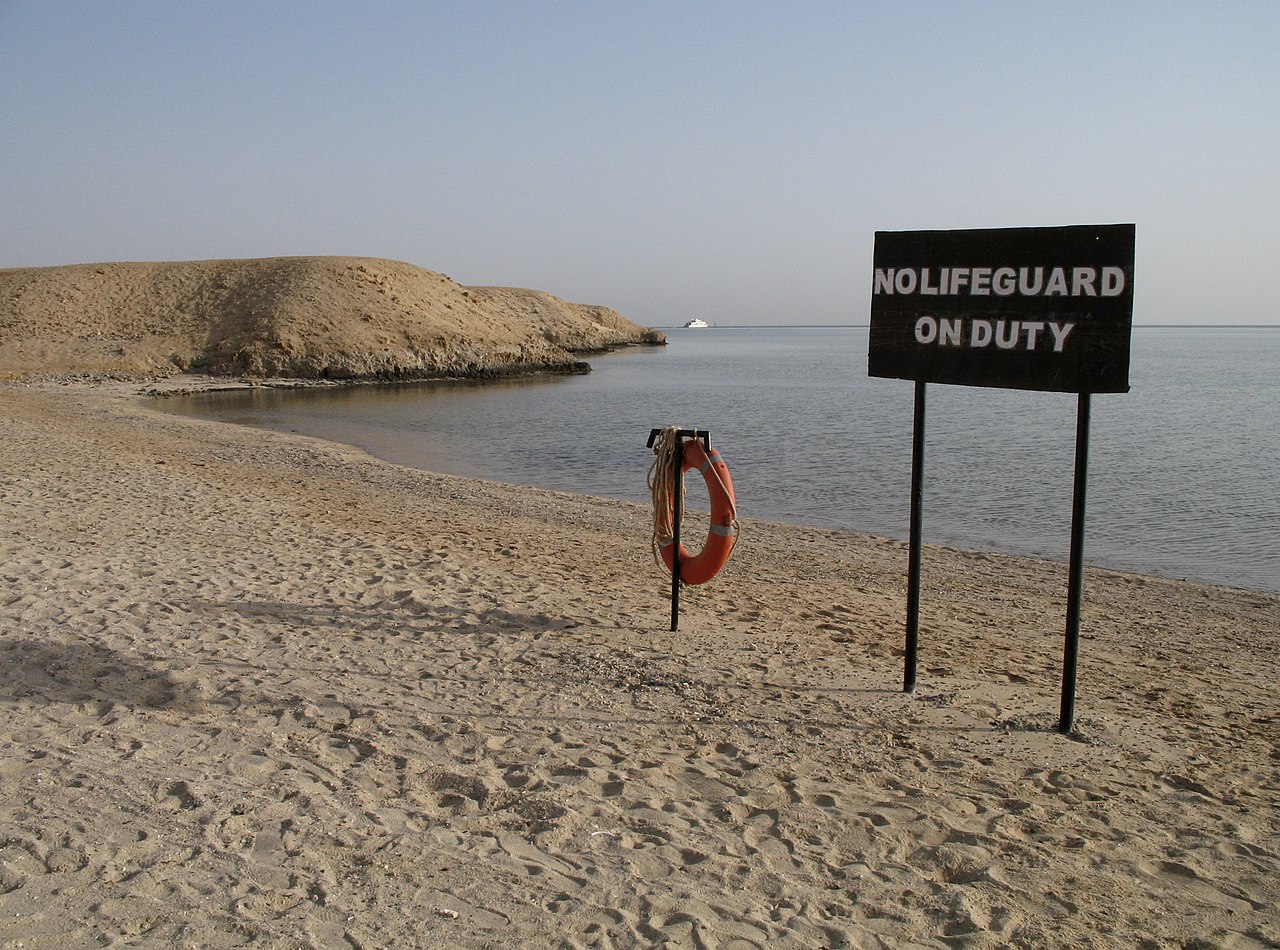
Our Cairo based team plans Hurghada stays around the weather your travel dates will actually bring, not a generic package. That includes:
- Hotels matched to the season: heated pools and sheltered spots for winter, shaded pools and sea view rooms for summer
- Diving and snorkelling: Giftun Island, Mahmya and further sites depending on conditions for your dates
- Desert excursions: quad biking, jeep safaris and a Bedouin evening timed to avoid the hottest hours
- A Luxor day trip from Hurghada: to see the Valley of the Kings and Karnak in a single day
- A combined Hurghada, Nile and Cairo trip: for a longer stay that covers more of the country
For more on the resort itself, see our Hurghada destination guide, our Hurghada desert safari guide, our Nile and Hurghada combined guide or our Cairo and Hurghada combined itinerary. For the weather elsewhere in Egypt, see our best time to go to Egypt calendar or our Red Sea package.
Ready to plan your Hurghada holiday for 2026?
Personalised quote within 24 hours: hotel matched to the season, transfers, diving and desert excursions.